The Nazis Take Europe
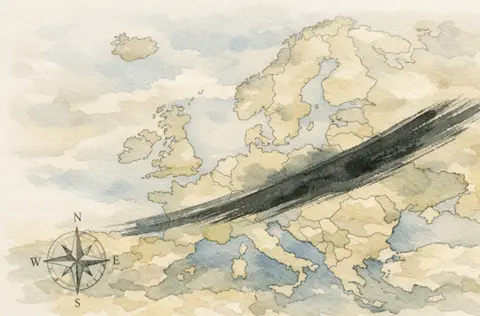
Fast Facts: Nazi Expansion
Germany Moves Across Europe
- Key Strategy: Blitzkrieg (“lightning war”)
- Major Invasion: Poland (1939)
- Rapid Victories: Denmark, Norway, Netherlands, Belgium
- Turning Point: D‑Day (1944)
- Outcome: Germany controls most of Europe by 1940.
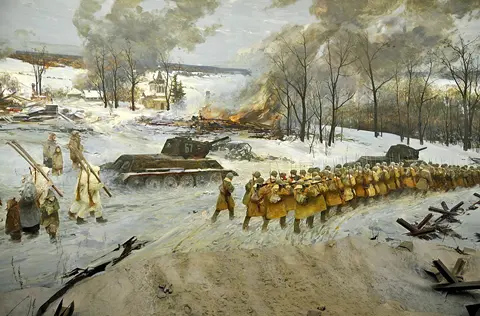
Europe at a Glance
- Germany used Blitzkrieg to defeat Poland quickly.
- Denmark, Norway, the Netherlands, and Belgium fell in 1940.
- British troops rescued 300,000 soldiers at Dunkirk.
- By June 1940, England was the only major nation still free.
- Germany later attacked Russia despite their earlier treaty.
Germany Begins Its Attacks
Hitler wanted land that the Treaty of Versailles had given to Poland. When Poland refused to give it up, Germany attacked using Blitzkrieg, a fast and destructive method of warfare. Poland was quickly defeated, and Germany took control of most of the country.
Germany Sweeps Through Europe
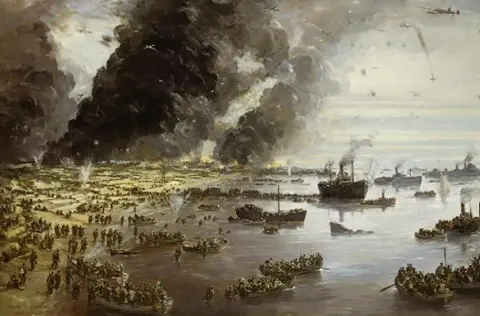
In 1940, Germany captured Denmark and Norway. Soon after, German forces attacked the Netherlands and Belgium. Both countries fell quickly, even with help from British and French troops. Germany then moved into France, trapping Allied soldiers at Dunkirk. More than 300,000 troops were rescued by British boats.
England Stands Alone
By June 1940, Germany controlled nearly all of Europe. England was the only major nation still free. President Roosevelt sent supplies to help the British defend themselves. Congress also began a draft, requiring American men to register for military service. Many Americans wanted the United States to stay out of the fighting. These people were called Isolationists.
Germany Expands Its Attacks
In September 1940, Germany began bombing England, but the Royal Air Force shot down many German planes. Germany also took Greece and parts of Africa. Despite having signed a treaty with Russia, Hitler attacked Russia in 1941 to gain resources such as oil and grain.
A World at War
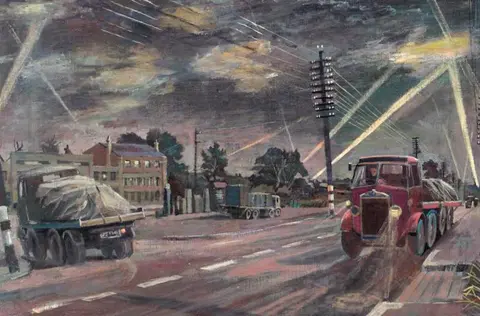
As Germany expanded across Europe and into Russia, Japan continued taking land in Asia. The world was fully at war, and the United States was preparing for the moment it would be forced to join the fight.
Word Match
Drag the vocabulary words to their correct definitions!
Vocabulary Words
Definitions
Lesson 4 — The Nazis Take Europe Quiz
Activities & Extensions
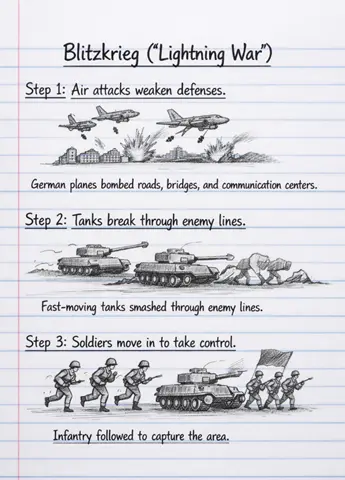
Students create a simple diagram showing how Blitzkrieg (“lightning war”) worked. This helps them understand why Germany was able to conquer so many countries so quickly.
How to Do It:
Students divide a notebook page into three horizontal sections labeled:
- Step 1: Air attacks weaken defenses.
- Step 2: Tanks break through enemy lines.
- Step 3: Soldiers move in to take control.
In each section, students draw a simple sketch or symbol and write a one‑sentence explanation.
Materials: notebook, pencil
Optional Extension: Students add a fourth section explaining why Blitzkrieg was less effective against Britain.
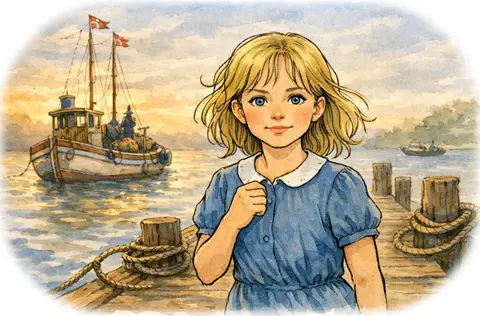
Students explore how the Danish Resistance used coded messages, subtext, and secret networks to rescue over 7,000 Danish Jews. This tactile project combines literary analysis of subtext with the real-world logistics of underground resistance movements during Nazi occupation.
How to Do It: Read Chapters 4 and 11 of Number the Stars by Lois Lowry, paying close attention to how Uncle Henrik and Mama use coded language (like "is the weather good for fishing?" and "bringing a carton of cigarettes") to speak about rescues right in front of Nazi soldiers. Students construct a two-tier cardboard cipher wheel (a Caesar Cipher) secured with a brass paper fastener. They use their wheels to encode and decode messages based on the novel's themes, such as coordinates for Henrik's boat or warnings about checkpoint locations.
Materials:
- heavy cardstock or thin cardboard templates
- brass paper fasteners (brads)
- scissors and fine-tip pens
- secret message worksheets
Optional Extension: Students write a short "innocent" letter home that secretly contains hidden details about an escape plan using the exact metaphor styles (like the "cigarettes" code) found in the novel.
World War 2 Navigation
Explore the Full Great Depression Unit
This complete history unit includes research passages, organizers, writing tasks, quizzes, activities, and website research — all in printable and digital formats. Everything you need to teach The Great Depression and World War 2 with confidence.
View the Full Unit on TPT