The Roaring Twenties
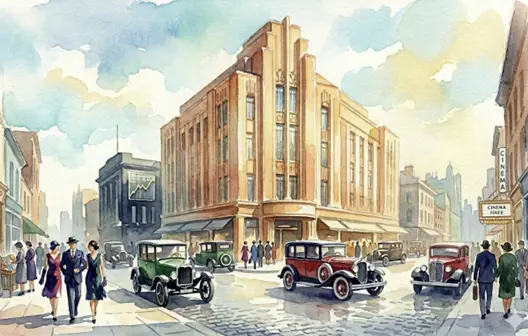
The Roaring Twenties was a time of excitement, innovation, and cultural change in the United States. After World War I, Americans embraced new technologies, jazz music, and modern lifestyles that transformed everyday life.
Students will explore how prosperity, entertainment, and social movements shaped the decade. Lessons highlight the rise of consumer culture, famous figures of the Jazz Age, and the political and economic trends that defined this vibrant era.
Roaring Twenties Lessons
These lessons guide students through the excitement, innovation, and cultural changes of the 1920s. From jazz and new technologies to political leadership and economic growth, this unit provides clear, engaging resources for grades 3–6.
The Economy of the Twenties
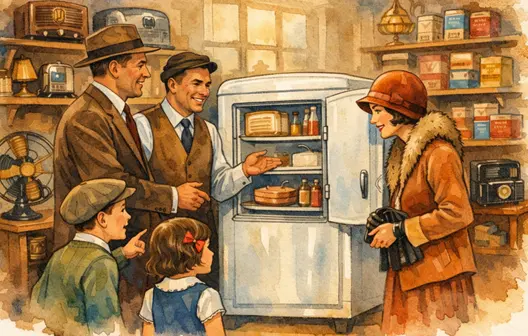
Discover how mass production, advertising, and new inventions fueled prosperity and changed daily life.
View Lesson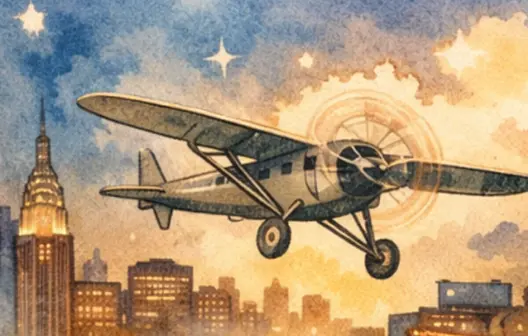
Life During the Roaring Twenties
Explore how jazz, fashion, entertainment, and new freedoms shaped American culture during this lively decade.
View Lesson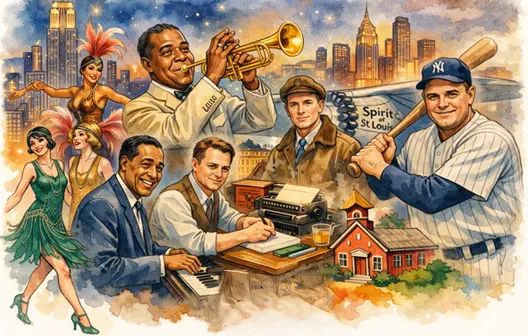
The Harlem Renaissance
Learn how African American writers, musicians, and artists transformed American culture through creativity and expression.
View Lesson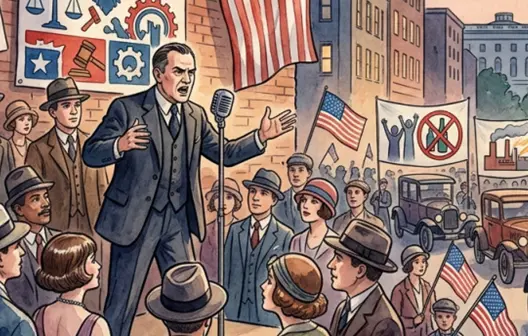
Politics of the 1920s
Compare the ideas of Presidents Harding and Coolidge and examine how their policies shaped the decade’s economy and government.
View LessonFun Facts About The Roaring Twenties
Jazz Took Over America
Jazz music exploded in popularity during the 1920s. Musicians like Louis Armstrong and Duke Ellington helped create a brand‑new sound that filled dance halls, radios, and nightclubs across the country.
Flappers Broke the Rules
Young women known as “flappers” shocked older generations by wearing shorter dresses, bobbing their hair, and dancing the Charleston. They became symbols of independence and modern style.
Silent Movies Found Their Voice
In 1927, The Jazz Singer became the first major “talkie,” a movie with synchronized sound. Audiences were amazed—and Hollywood was changed forever.
Cars Became Affordable
Henry Ford’s assembly line made cars cheaper and faster to build. By the mid‑1920s, millions of families owned a Model T, and new roads and gas stations spread across the country.
Lindbergh Flew Across the Atlantic
In 1927, Charles Lindbergh became the first person to fly solo nonstop across the Atlantic Ocean. His plane, the Spirit of St. Louis, made him an international hero.
Harlem Became a Cultural Capital
The Harlem Renaissance brought together writers, artists, and musicians who celebrated African American culture. Langston Hughes, Zora Neale Hurston, and others helped shape American literature.
Sports Heroes Became Superstars
Radio broadcasts helped turn athletes like Babe Ruth and Gertrude Ederle into national celebrities. Fans followed their achievements the way people follow influencers today.
New Appliances Changed Daily Life
Vacuum cleaners, washing machines, and refrigerators became more common. These time‑saving inventions helped families enjoy more leisure time than ever before.
Explore the Full World War 1 and Roaring Twenties Unit
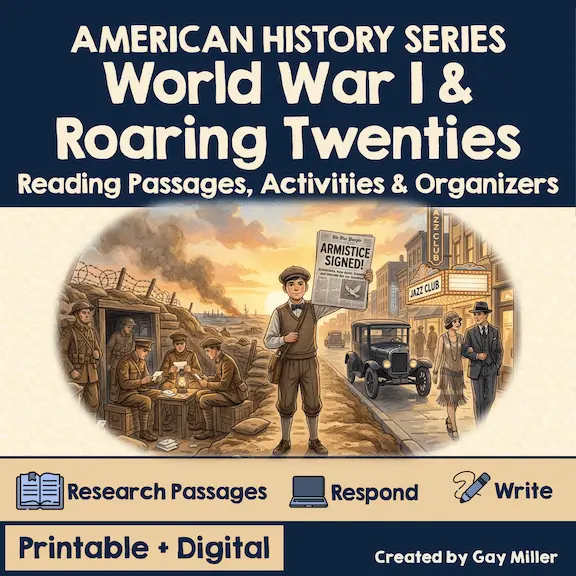
This complete history unit includes research passages, organizers, writing tasks, quizzes, activities, and website research — all in printable and digital formats. Everything you need to teach The Roaring Twenties and World War 2 with confidence.
View the Full Unit on TPT