The Culture of the Twenties
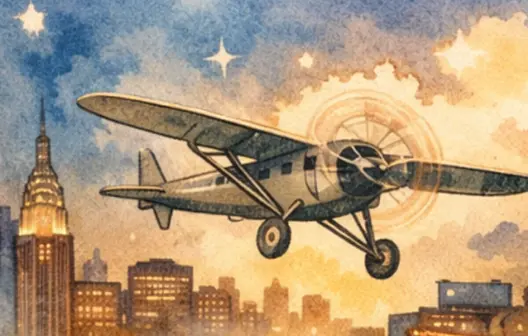
Fast Facts: Culture of the Twenties
Culture of the Twenties
- Era: The Roaring Twenties
- Fads: Dance marathons, Mahjong, pole sitting
- Major Change: Women gained the right to vote
- Fashion: Bobbed hair and flapper dresses
- Arts: Harlem Renaissance and jazz music
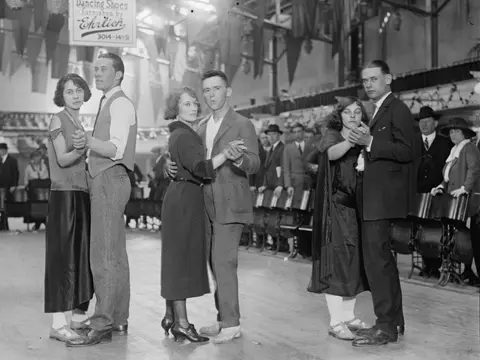
At a Glance
- Americans enjoyed new fads and fun activities.
- The Nineteenth Amendment gave women the right to vote.
- Flappers became symbols of the decade.
- The Harlem Renaissance celebrated African American culture.
- Movies, Mickey Mouse, and Art Deco became popular.
- Prohibition led to speakeasies and bootleggers.
Fads and Fun
The 1920s were filled with new fads such as dance marathons, Mahjong parties, crossword puzzles, and even pole sitting. College students joined in by swallowing goldfish or squeezing into tiny spaces just for fun.
Women Gain the Right to Vote
In 1920, the Nineteenth Amendment gave women the right to vote. Tennessee played an important role when it became the 36th state to approve the amendment. Women’s fashion also changed as many cut their hair into short bobs and wore dresses that made it easier to dance.
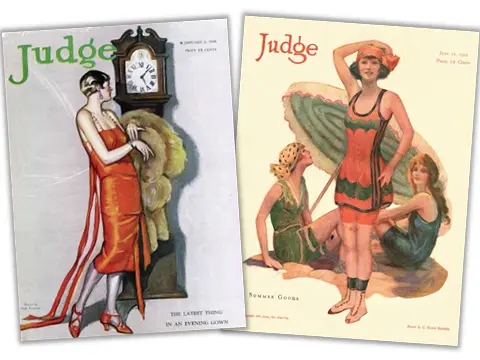
The Flapper
The flapper became a symbol of the decade. Flappers wore short dresses, bobbed their hair, and loved jazz music. They challenged traditional ideas about how women should behave.
The Harlem Renaissance
African American culture grew during the Harlem Renaissance, especially in New York City. Jazz musicians, writers, and artists gained national attention and helped shape American culture.
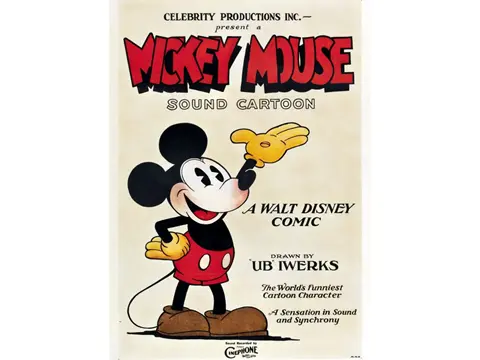
Movies and Art Deco
Movies became popular, and by the end of the decade films included sound. In 1928, Walt Disney introduced Mickey Mouse in Steamboat Willie. Art Deco design also became popular, and the Chrysler Building showed off this bold new style.
Prohibition
The decade also included Prohibition, which made it illegal to make or sell alcohol. This led to illegal bars called speakeasies, bootleggers who smuggled alcohol, and powerful gangsters such as Al Capone.
Word Match
Drag the vocabulary words to their correct definitions!
Vocabulary Words
Definitions
Lesson 2: The Culture of the Twenties Quiz
Activities & Extensions
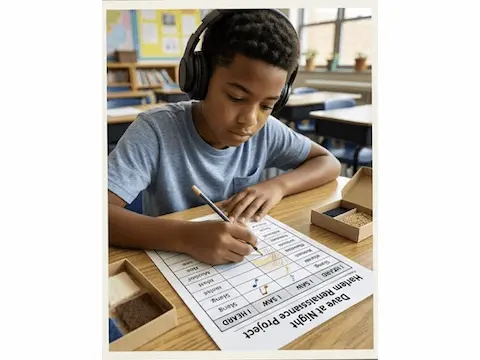
Students explore the cultural explosion of the 1920s by stepping into the sights, sounds, and rhythms of the Harlem Renaissance. By linking historical fiction to genuine jazz roots, students gain a firsthand appreciation for the decade's vibrant musical and artistic shifts.
How to Do It: Read Chapter 15 or 16 of Dave at Night by Gail Carson Levine, focusing on the sensory descriptions of the late‑night Harlem rent party, the live music, and the slang. While reading or immediately after, play a historical audio clip of 1920s jazz legends like Louis Armstrong or Duke Ellington. Have students map out a sensory chart detailing what Dave saw, heard, and felt, noting specific historical slang and cultural markers used in the text.
Materials:
- excerpts from Dave at Night (Chapters 15 or 16)
- audio player and recordings of 1920s jazz music
- sensory graphic organizer or notebook paper
Optional Extension: Students use 1920s slang terms found in the book to write a short, creative dialogue or mock journal entry from the perspective of a young person experiencing city life during the Jazz Age.
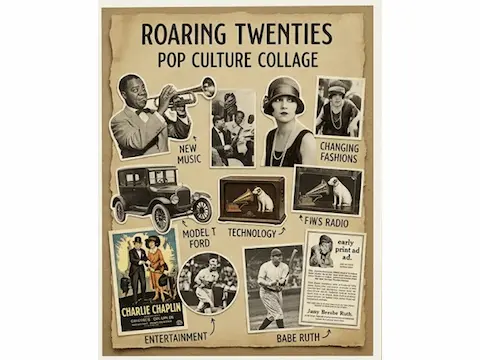
Students visually synthesize the sweeping social changes of the 1920s by creating a multi‑media culture collage. This project highlights the rise of mass media, consumerism, and brand‑new entertainment trends that reshaped American daily life.
How to Do It: Have students research the vibrant symbols of the era. On large paper, students draw or compile a diverse collage featuring iconic imagery from the decade. They must include representations of at least four categories: Jazz Age musicians, changing fashions (such as flappers), early print advertisements or consumer inventions (like the radio or Model T), and classic entertainment like silent movies or baseball stars.
Materials:
- large construction paper or poster board
- markers, colored pencils, or historical clip art cutouts
- glue sticks and scissors
- classroom research materials or safe historical image databases
Optional Extension: Students act as a museum curator and write a 3–4 sentence “exhibit placard” explaining how their chosen images represent the spirit of optimism and rebellion that earned the decade its "Roaring" nickname.
The Roaring Twenties Navigation
Explore the Full World War 1 and Roaring Twenties Unit
This complete history unit includes research passages, organizers, writing tasks, quizzes, activities, and website research — all in printable and digital formats. Everything you need to teach The Roaring Twenties with confidence.
View the Full Unit on TPT