Symbols of the American Revolution
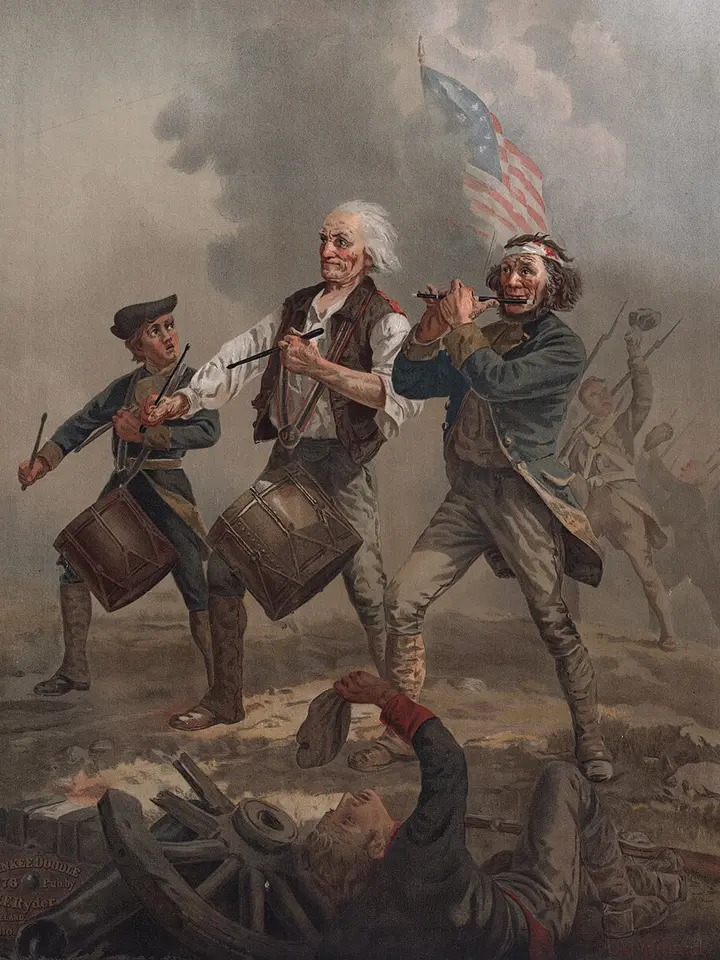
Powerful Images of a Growing Nation
During the American Revolution, colonists used powerful symbols to express their hopes, fears, and determination. These images appeared on flags, posters, meeting places, and everyday objects. Each symbol carried a message that helped unite people and inspire action during a time of great change.
Messages of Freedom and Unity
Some symbols encouraged the colonies to work together, such as the famous “Join or Die” cartoon. Others, like the Grand Union Flag and later the Stars and Stripes, showed that the colonies were joining together as one nation with a shared belief that freedom was worth fighting for. These symbols reminded colonists that their struggle was shared and their goals were connected.
Everyday Objects with Extraordinary Meaning
Many Revolutionary symbols came from ordinary items—trees, bells, flags, and even cartoons. What made them powerful was how people used them. The Liberty Tree became a gathering place for protest. The Gadsden Flag warned Britain not to violate colonists’ rights. These everyday objects turned into bold statements of resistance.
Symbols Created Later
Some symbols we connect with the Revolution became famous many years later. The Liberty Bell got its name in the 1830s, when people working to end slavery used it as a symbol of freedom for all. The painting The Spirit of ’76, which shows a drummer boy, an older drummer, and a fifer marching into battle, was painted by Archibald Willard in 1876 to celebrate the nation’s 100th birthday.
Symbols That Continue to Inspire
The symbols of the American Revolution did not disappear after the war. They continue to represent courage, unity, and the fight for freedom. Learning about these symbols helps us understand how ideas can shape history and how powerful images can bring people together.
Symbols of the American Revolution
Click or tap each card to flip it and learn what these important symbols meant during the American Revolution.
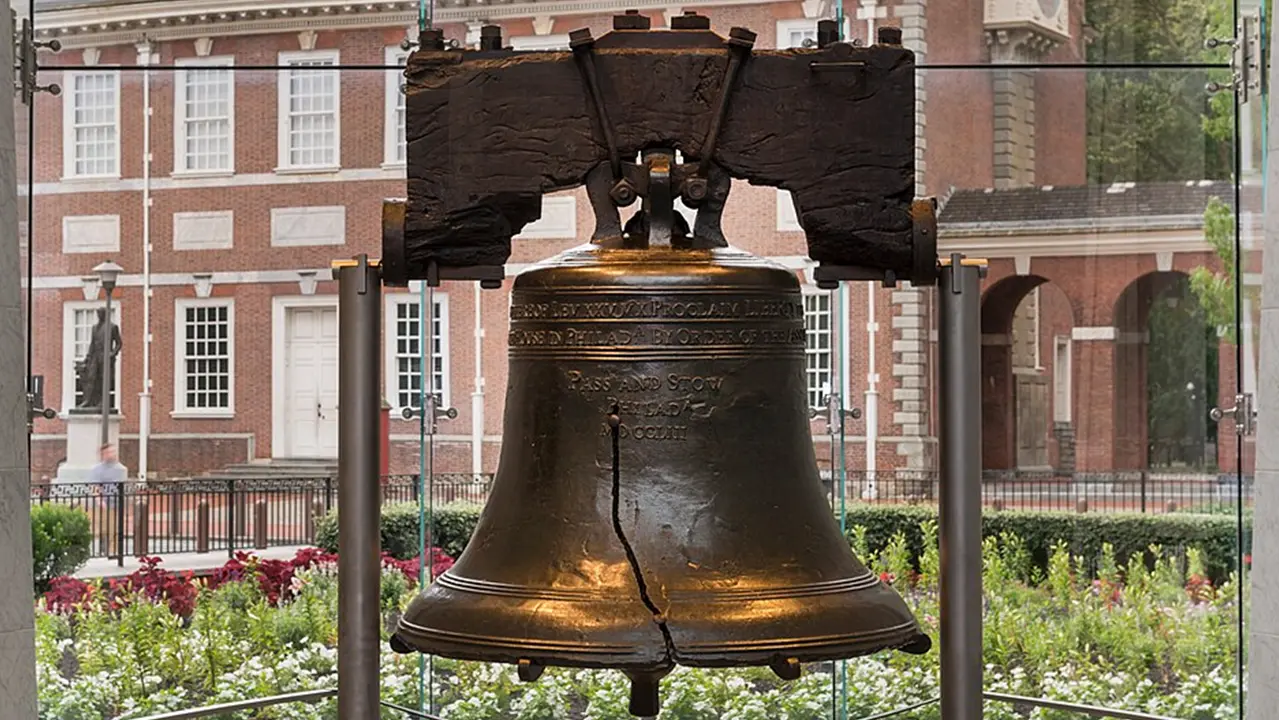
Liberty Bell
Symbol Meaning
- Hung in the Pennsylvania State House (now Independence Hall)
- Rang to call lawmakers and citizens together
- Inscription: “Proclaim LIBERTY throughout all the Land…”
- Named the “Liberty Bell” in the 1830s by people working to end slavery
- Legend says it rang on July 4, 1776, but there is no proof
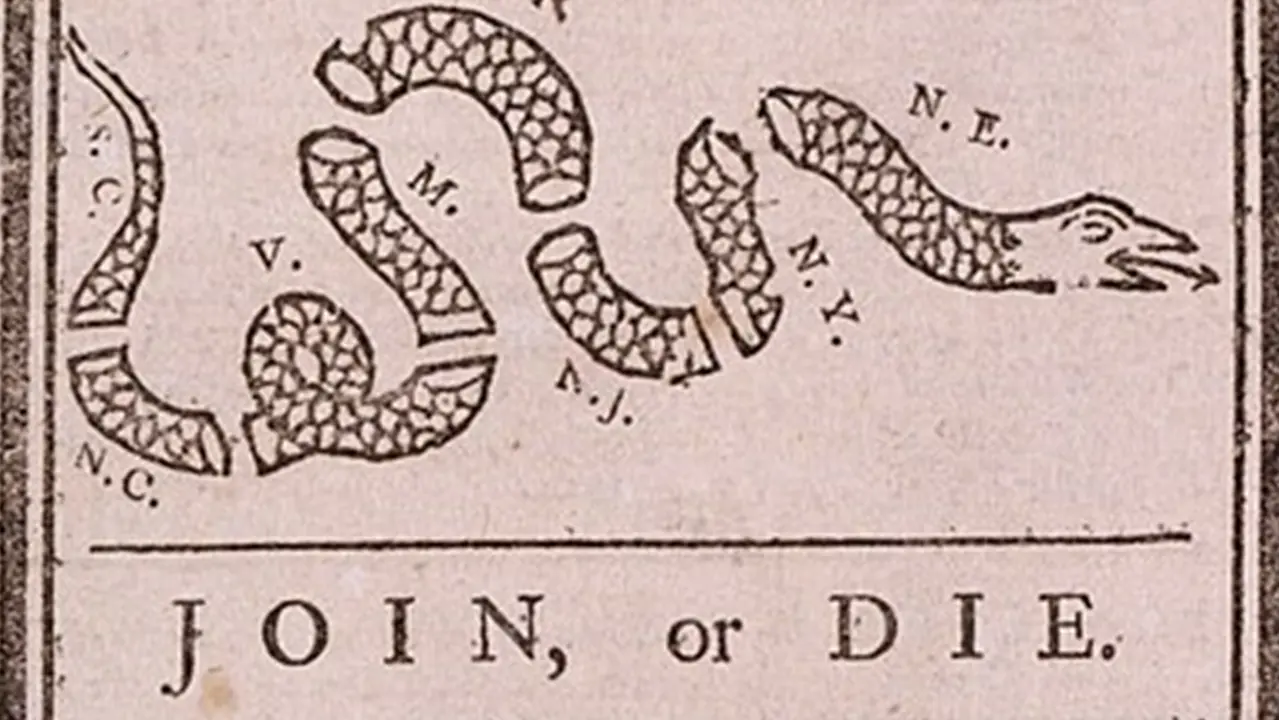
Join or Die
Symbol Meaning
- Drawn by Benjamin Franklin in 1754, during the French and Indian War
- Showed the colonies as pieces of a cut-up snake
- Meant the colonies must unite or fail
- Printed again in 1765 and 1774 to unite colonists against Britain
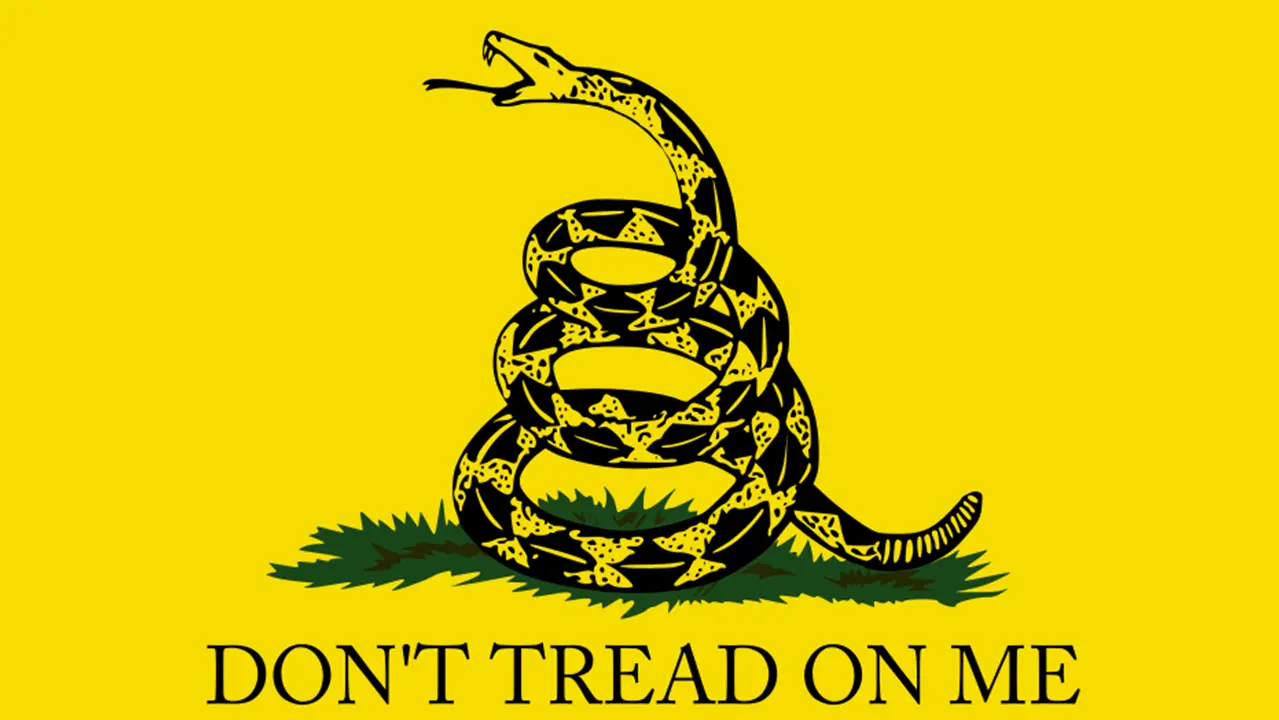
Gadsden Flag
Symbol Meaning
- Designed in 1775 by Christopher Gadsden of South Carolina
- A rattlesnake and the words “Don’t Tread on Me”
- The rattlesnake lives only in America and warns before it strikes
- Flown by the first commander of the Continental Navy
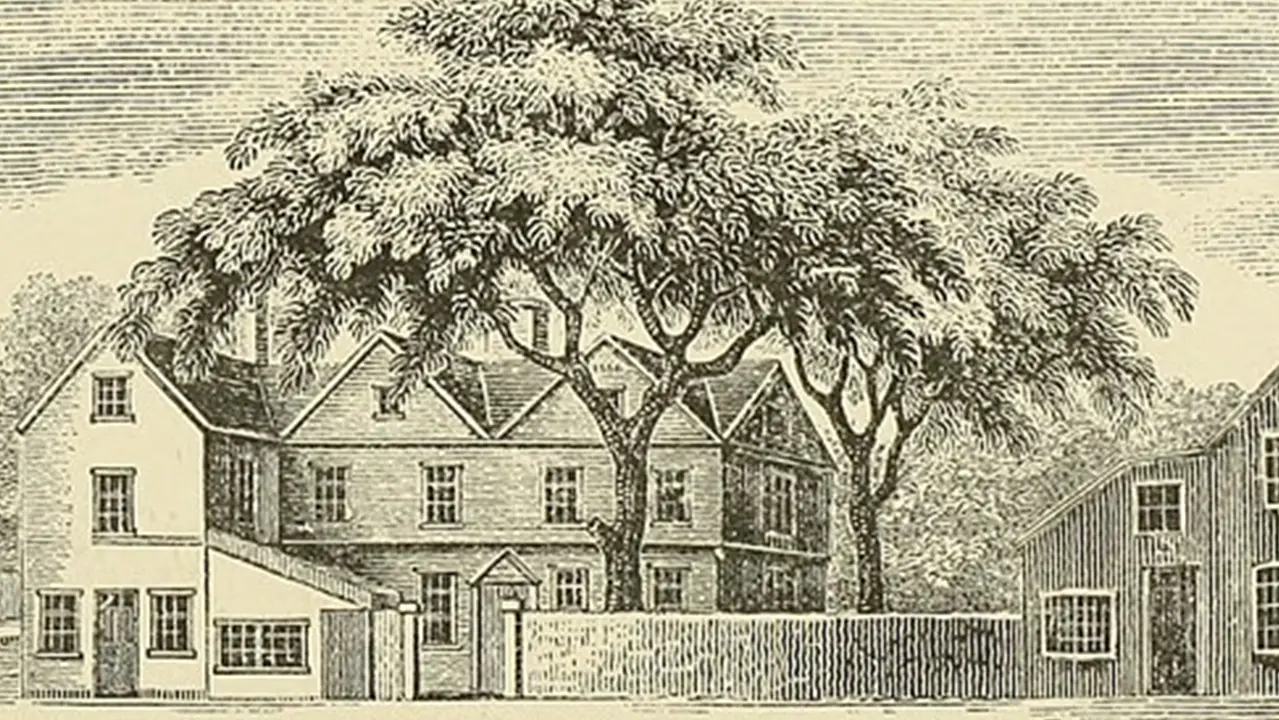
Liberty Tree
Symbol Meaning
- A large elm tree in Boston
- In 1765 the Sons of Liberty hung a dummy of a stamp tax collector from it
- Became a meeting place for protests and speeches
- British soldiers cut it down in 1775; other towns named their own liberty trees
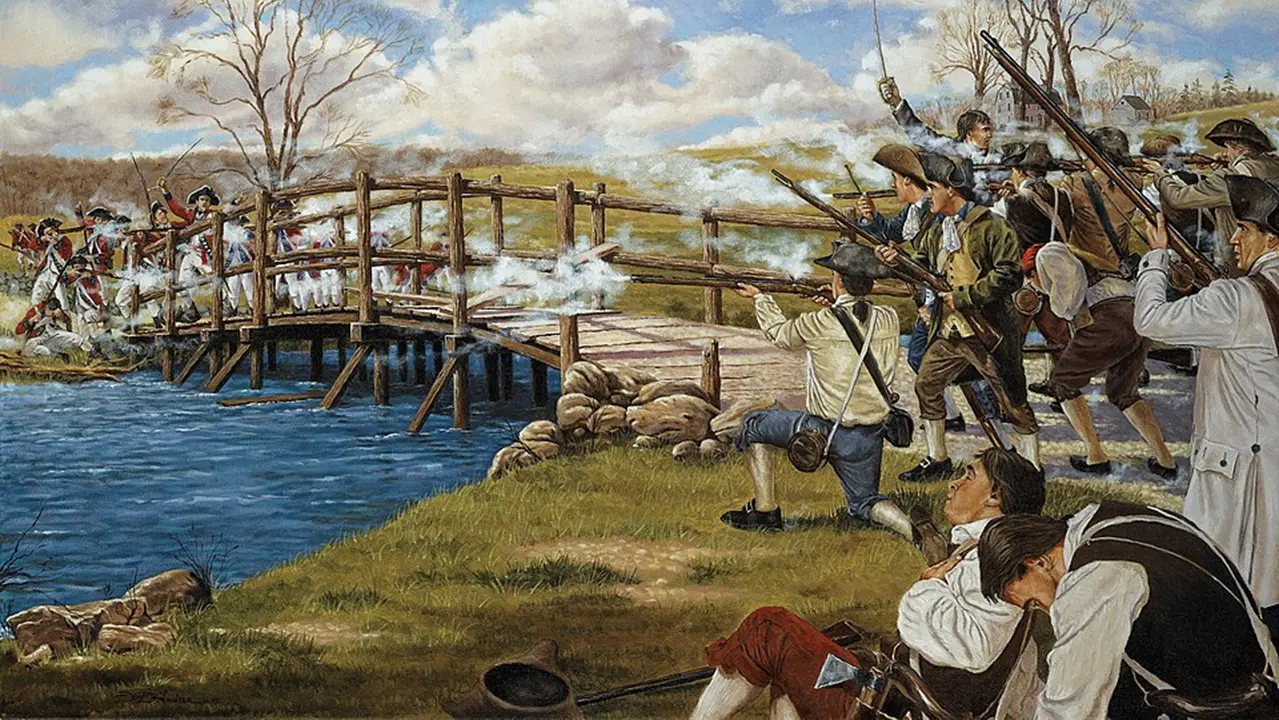
Minuteman
Symbol Meaning
- Citizen-soldiers ready to fight at a minute’s notice
- Showed the bravery and sacrifice of ordinary colonists
- Connected to the battles of Lexington and Concord
- Became a lasting symbol of Patriot spirit
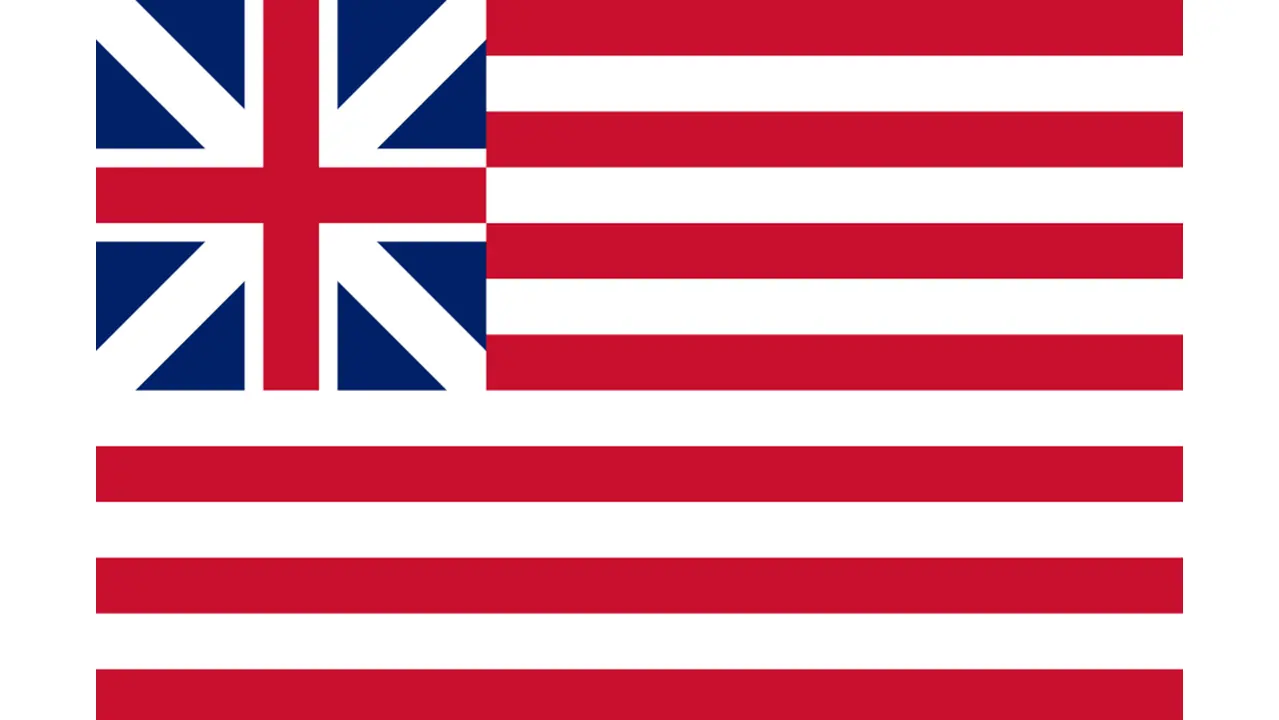
Grand Union Flag
Symbol Meaning
- Also called the Continental Colors
- 13 red and white stripes for the 13 colonies
- Still had the British flag in the corner; many colonists hoped to make peace
- Raised by Washington’s army near Boston on January 1, 1776
Stars and Stripes
The first official U.S. flag
Symbol Meaning
- Adopted by Congress on June 14, 1777 (now Flag Day)
- 13 red and white stripes and 13 white stars on a blue field
- The 13 stars stood for “a new constellation” of states
- Congress did not say how to arrange the stars, so early flags varied
- Tradition says Betsy Ross sewed the first one, but it cannot be proven
Match the Symbol to Its Meaning
Drag each symbol to the meaning that best describes its importance during the American Revolution.
Symbols
Meanings
Word Search Instructions
Find all seven American Revolution symbols hidden in the puzzle. Words may appear in any direction.
- Look for the symbol names listed below the puzzle.
- Words may be hidden horizontally, vertically, or diagonally.
- Click the first and last letters of a word to highlight it.
- Correct words will turn green.
- Find all seven symbols to complete the puzzle.
Create Your Own Symbol
Think about what ideas were most important during the American Revolution—freedom, unity, courage, or resistance. Design a symbol that could have inspired the colonists, then click to compare your ideas with a sample explanation.
Pick one idea that mattered to Patriots: freedom, unity, courage, fairness, or resistance to unfair laws. Write one sentence explaining why colonists cared about it.
Revolutionary symbols often used everyday things: a tree, a bell, a snake, a flag. Choose an object, animal, or shape that stands for your big idea. Think about colors and numbers, too. Thirteen of something can stand for the thirteen colonies.
Write a short motto of three to six words, like “Join or Die” or “Don’t Tread on Me.” Then draw your symbol and motto together on a flag, poster, or badge.
Sample: My symbol is a bundle of thirteen arrows tied with a blue ribbon, with the motto “Together We Stand.” One arrow can be broken easily, but thirteen tied together are strong. It shows that the colonies would be strong only if they worked together against Britain.
American Revolution Navigation
Explore the Full American Revolution Unit
This complete history unit includes research passages, organizers, writing tasks, quizzes, activities, and website research — all in printable and digital formats. Everything you need to teach the American Revolution with confidence.
View the Full Unit on TPT