The Second Continental Congress and the Declaration of Independence
Fast Facts: Independence
Declaration of Independence
- Year: 1776
- Main Author: Thomas Jefferson
- Meeting: Second Continental Congress
- Key Idea: Natural rights
- Outcome: Colonies declare independence
Independence at a Glance
- Delegates met again after fighting began.
- They formed the Continental Army.
- George Washington became commander.
- Thomas Jefferson drafted the Declaration.
- Congress approved independence on July 4, 1776.
Meeting Again in Philadelphia
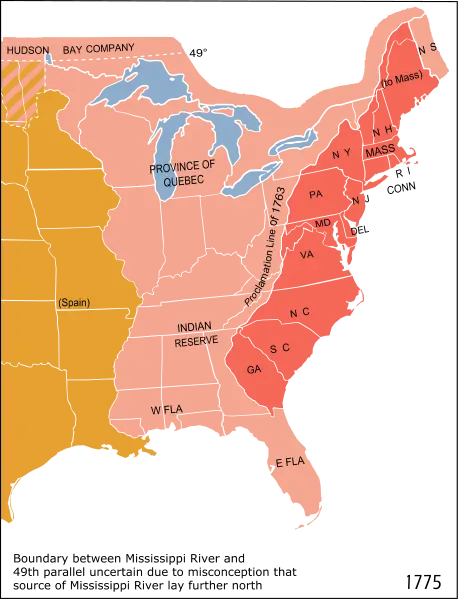
After the battles of Lexington and Concord, colonial leaders realized the conflict with Britain was growing more serious. In May 1775, delegates from the colonies met again in Philadelphia, in a red brick building called the Pennsylvania State House. It was later renamed Independence Hall. This meeting became known as the Second Continental Congress. Fighting had already begun, and the delegates had to decide whether to keep seeking peace or prepare for war. Some leaders wanted America to become a separate nation. Others wanted the colonies to govern themselves while still being part of Britain. Many were not sure what they wanted.
Creating the Continental Army
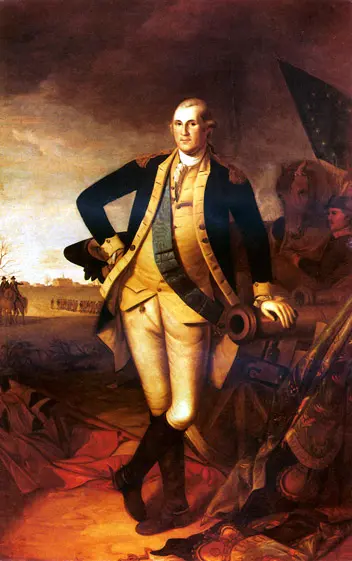
One of the first decisions the Congress made was to create a Continental Army. Until then, each colony had relied on its own militia, and some people thought the fighting was only a New England problem. The delegates agreed that the colonies needed a single army to fight together, and they asked each colony to send troops and supplies. In June 1775, they chose George Washington to be commander in chief. Washington was respected for his experience in the French and Indian War and for his leadership. He was also from Virginia, and many delegates hoped that choosing a Southern leader would bring the Southern colonies fully into the war.
Hoping for Peace
Even though battles had already taken place, many delegates still hoped for a peaceful solution. In July 1775, they sent the Olive Branch Petition to King George III. It asked the king to stop the fighting and work with the colonies to solve their problems. The king refused to read the petition. Instead, in August 1775, he declared that the colonies were in open rebellion. His response convinced many colonists that Britain had no interest in compromise.
A Push Toward Independence
As the conflict continued, more colonists began to believe that independence was the only answer. In January 1776, Thomas Paine, an Englishman who had moved to America, published a pamphlet called Common Sense. Paine argued that it made no sense for a distant king on a small island to rule a whole continent, and that the colonies should govern themselves. Written in plain language, the pamphlet became a best seller. Its ideas spread quickly and convinced many people that independence was necessary.
Writing the Declaration
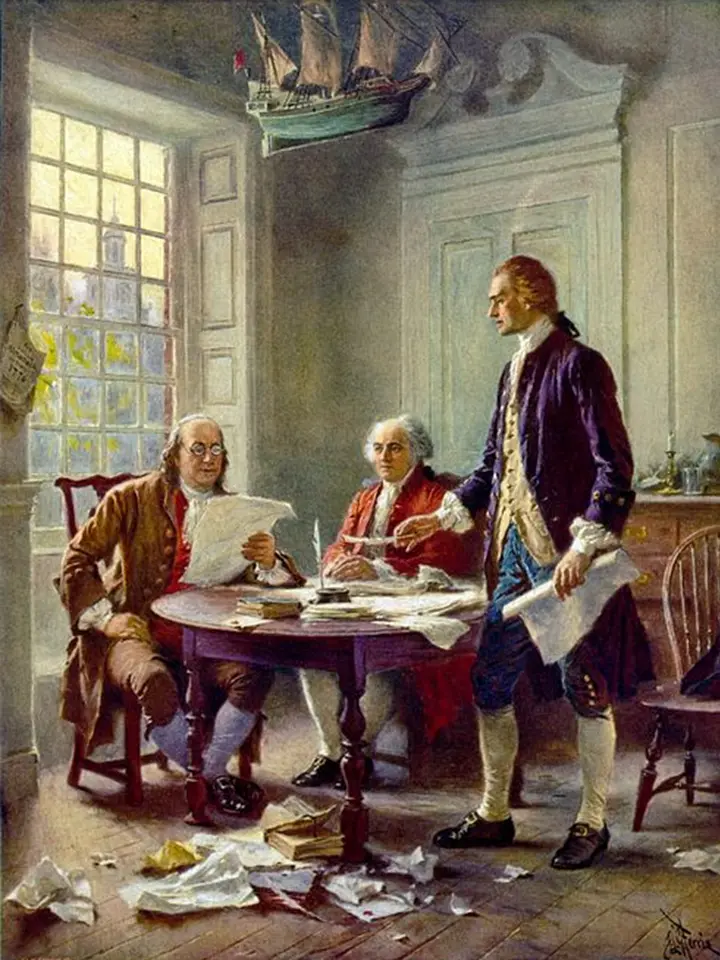
On June 7, 1776, Richard Henry Lee of Virginia asked Congress to declare that the colonies should be free and independent states. Many delegates were not ready, so they agreed to vote on the idea in July. In the meantime, Congress appointed a committee of five men to write a document explaining why the colonies wanted independence: Thomas Jefferson of Virginia, John Adams of Massachusetts, Benjamin Franklin of Pennsylvania, Roger Sherman of Connecticut, and Robert Livingston of New York. The committee chose Thomas Jefferson to write the first draft because he was an excellent writer. Jefferson worked for about two and a half weeks. He wrote that all people have natural rights, including life, liberty, and the pursuit of happiness, and that governments must protect those rights. He also listed the ways the king had treated the colonies unfairly. On June 28, the committee presented the draft to Congress.
Approving Independence
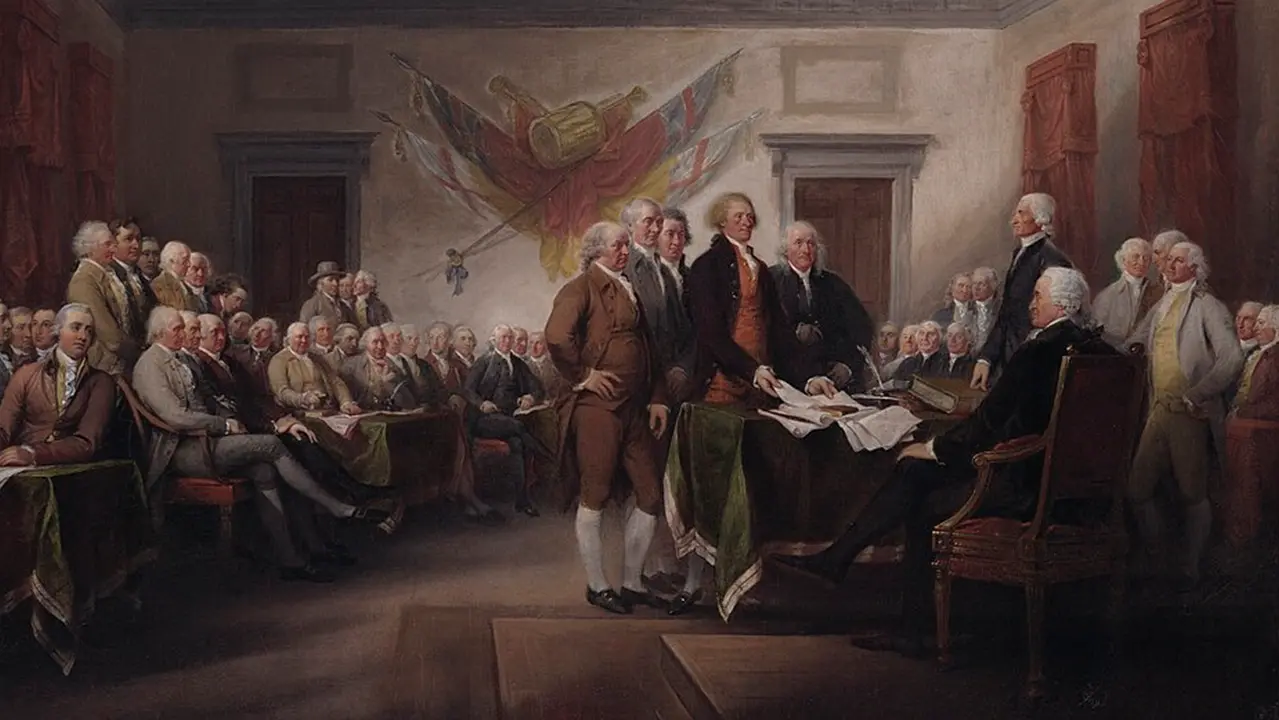
On July 2, 1776, Congress voted for independence. The delegates then spent two more days discussing and editing Jefferson’s words. On July 4, 1776, they approved the final Declaration of Independence. The colonies announced that they were free and independent states, no longer under British rule. On July 8, the Declaration was read aloud to a crowd in Philadelphia. Bells rang, crowds cheered, and celebrations spread throughout the colonies. Most of the delegates signed the official copy on August 2, 1776.
Signing the Declaration was dangerous. In Britain’s eyes, it was an act of treason, a crime against one’s own country that could be punished by death. If the colonies lost the war, the signers could be hanged. The Declaration also changed the goal of the war. The colonists were no longer fighting for fair treatment as British subjects. They were fighting to win independence.
Patriots and Loyalists
Not every colonist supported independence. Colonists who wanted independence were called Patriots. Those who stayed loyal to the king were called Loyalists, or Tories. Historians estimate that about one in five colonists were Loyalists, and many others tried to stay out of the conflict.
A New Nation Begins
The Declaration of Independence marked the beginning of a new nation. The colonies now called themselves the United States of America. Although the war for independence would continue for several more years, the decision made in Philadelphia changed the course of history.
Word Match
Drag the vocabulary words to their correct definitions!
Vocabulary Words
Definitions
The Declaration of Independence Quiz
Activities & Extensions
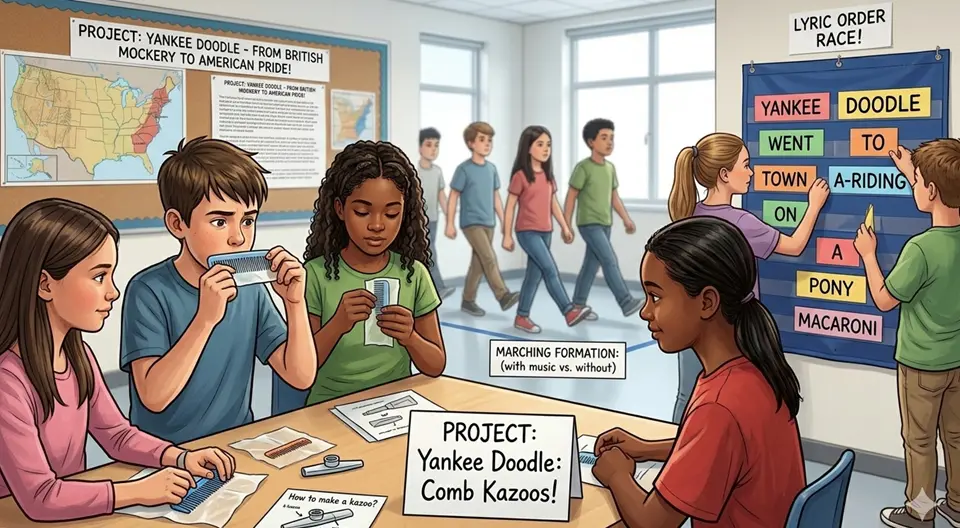
Students explore the history of the song Yankee Doodle, originally written by the British to mock the colonists but later adopted proudly by American soldiers. These activities help students understand how music boosted morale during the Revolutionary War.
Activity Ideas:
- Play the song using combs and wax paper.
- Race to place the lyrics in the correct order using word cards and a pocket chart.
- March in formation with and without the music to compare the experience.
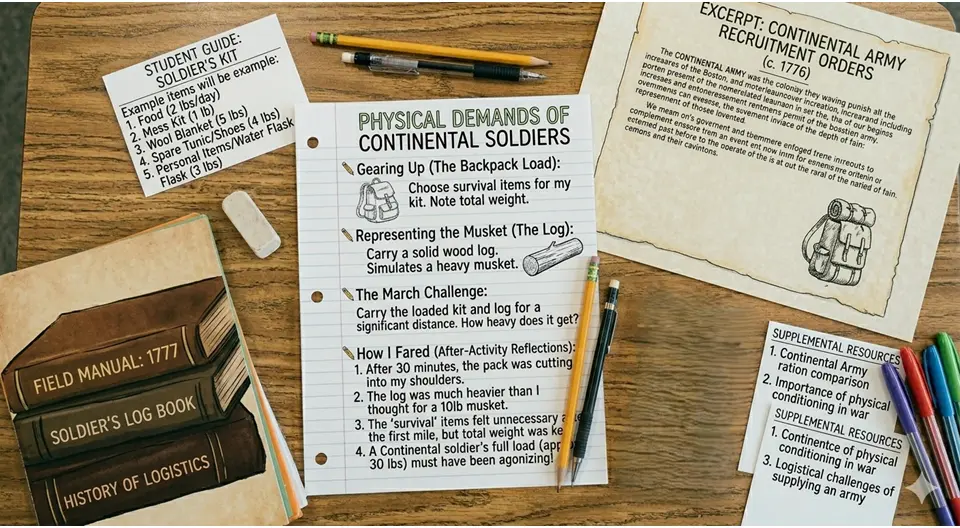
Students experience the physical demands faced by Continental soldiers. They load a backpack with items they believe are necessary for daily survival and carry a log to represent a musket.
After a short walk, students reflect on how it felt and why soldiers needed strength, endurance, and determination during the war.
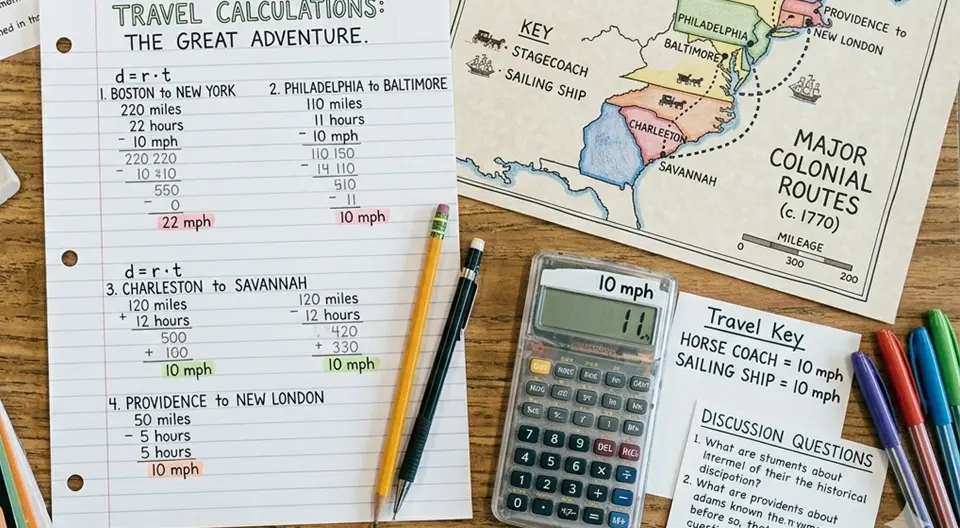
Students calculate how long it would take colonists to travel between key locations using the fastest transportation available at the time—horse‑drawn coaches or sailing ships traveling about 10 miles per hour.
Suggested Distances:
- Boston to Lexington
- Philadelphia to New York
- Charleston to Savannah
Students divide the distance by 10 to estimate travel time, helping them understand why communication and decision‑making were slow during the Revolution.
American Revolution Navigation
Explore the Full American Revolution Unit
This complete history unit includes research passages, organizers, writing tasks, quizzes, activities, and website research — all in printable and digital formats. Everything you need to teach the American Revolution with confidence.
View the Full Unit on TPT