The French and Indian War: A Conflict That Changed America
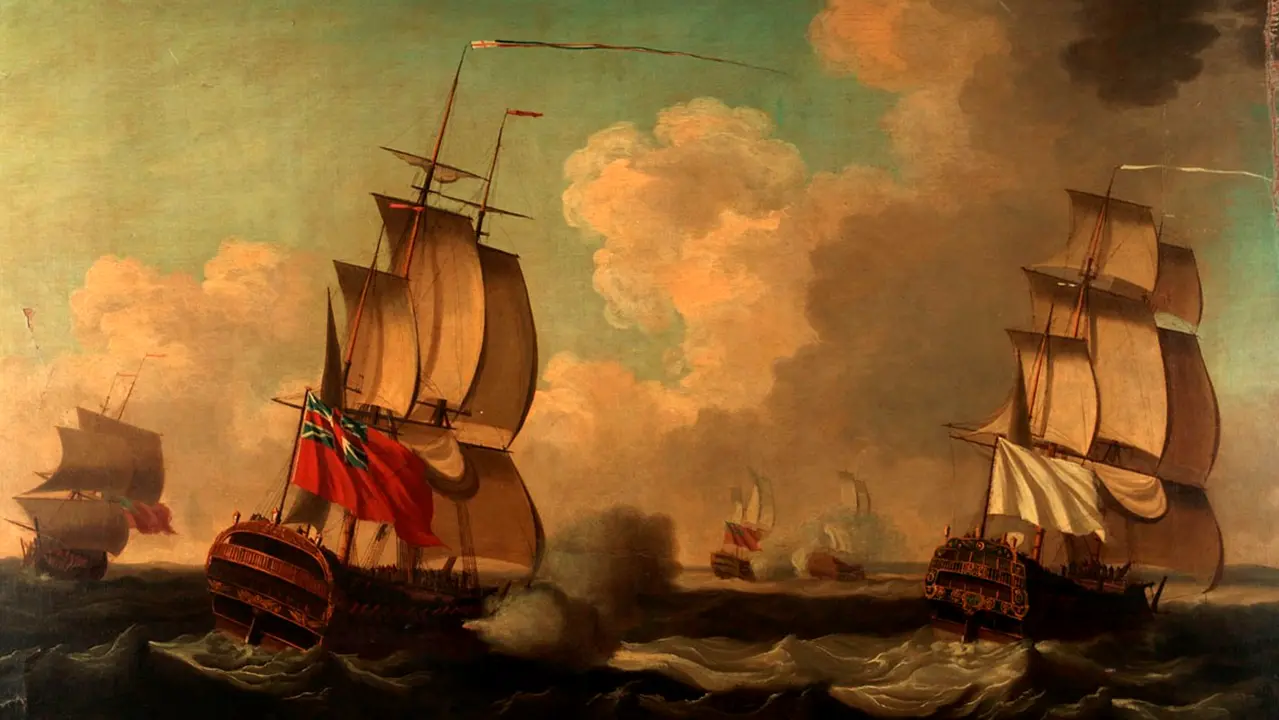
Fast Facts: The French and Indian War
French and Indian War
- Event: French and Indian War
- Dates: 1754–1763
- Location: North America
- Main Rivals: Britain vs. France
- Allies: Native nations on both sides
War at a Glance
- Britain and France fought over land and trade in North America.
- Many Native American nations chose sides to protect their homelands.
- Britain won the war but was left with a huge debt.
- To raise money, Britain began taxing the American colonies.
- These new taxes helped lead to the American Revolution.
Rivals for North America
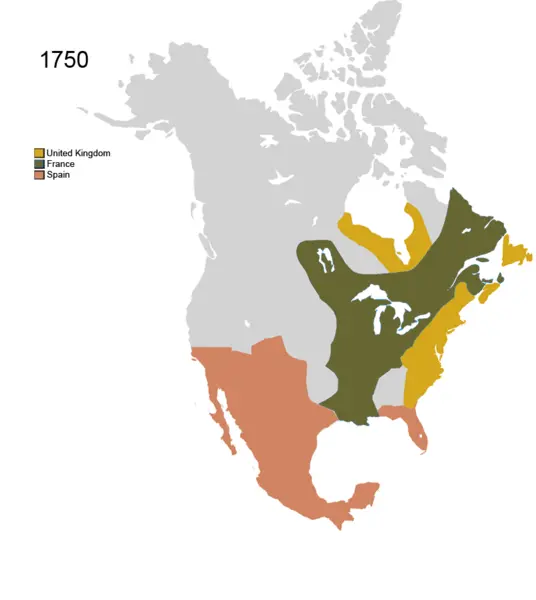
By the mid-1700s, both Britain and France claimed large areas of land in North America. British colonists lived along the Atlantic coast, while French settlers and traders controlled much of Canada and the land along the Mississippi River. Both nations wanted the Ohio River Valley, a rich region filled with forests, rivers, and wildlife. British colonists wanted to farm the land and build new towns. The French wanted to protect their valuable fur trade, so they built a chain of forts to defend their claims. The rivers in the valley were also important routes for travel and trade. As both sides tried to control the same land, tension grew until it turned into war.
Native American Nations Choose Sides
Native American nations had lived on this land for thousands of years. They were not simply bystanders in the conflict. Many groups, such as the Huron and Algonquin, allied with the French because French traders had built long-standing trading relationships with them. Many members of the Iroquois Confederacy, especially the Mohawk, sided with the British to protect their own lands and to weaken rival Native nations. Native leaders hoped that choosing the right side would help defend their homelands, but the war brought great destruction to many Native communities.
Early Fighting and George Washington
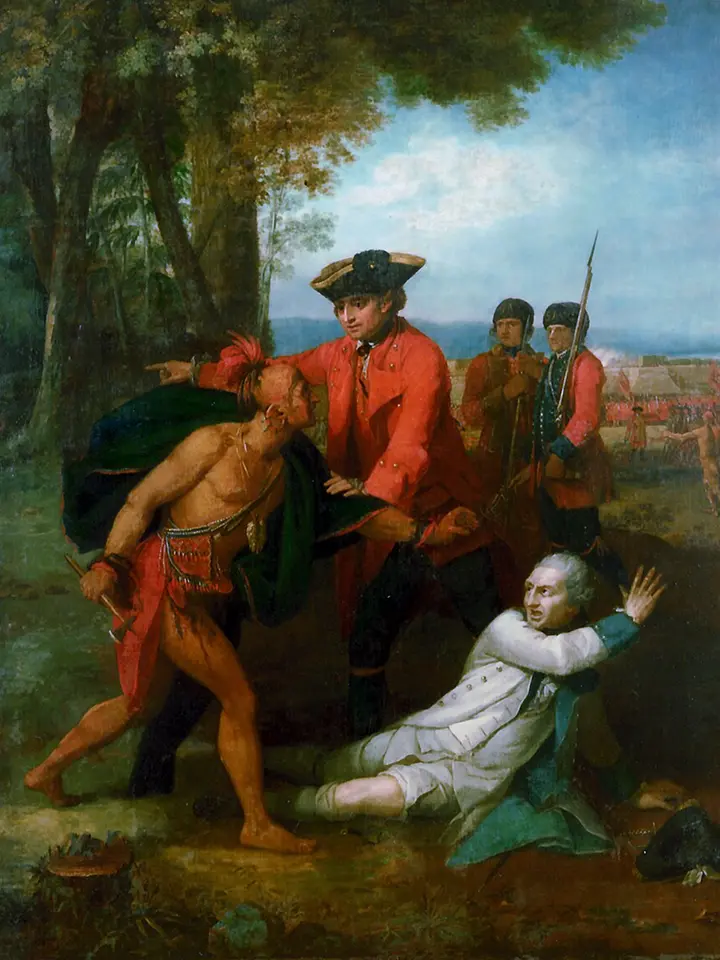
In late 1753, a young George Washington, an officer in the Virginia militia, carried a message to the French asking them to leave the Ohio River Valley. The French refused. In 1754, Washington returned with soldiers, and fighting broke out. Washington built a small fort called Fort Necessity, but French soldiers and their Native allies attacked and forced him to surrender. Although this was a defeat, it gave Washington his first experience as a military leader. The fighting in 1754 marked the beginning of the French and Indian War.
A Global War
What started as a conflict in North America soon spread around the world. In Europe, the fighting between Britain and France became known as the Seven Years’ War. Battles were fought in Europe, Asia, Africa, and on the oceans. Because of this, some historians call the French and Indian War the first “world war.” In North America, British generals slowly captured key French forts and cities, including Quebec in 1759 and Montreal in 1760.
Britain Wins, but at a Cost
The war lasted nine years. It officially ended in 1763 with the Treaty of Paris. France lost almost all of its land in North America. Britain gained Canada and all French lands east of the Mississippi River except the city of New Orleans. Spain, which had helped France, gave Florida to Britain but received land west of the Mississippi in return. Britain now controlled a huge empire, but the war had been very expensive. The British government was deeply in debt and needed new ways to raise money.
How the War Changed the Colonists
The war also changed the way many colonists thought. Colonial soldiers had fought alongside the British Army and learned how to fight. With France gone, many colonists felt they no longer needed British soldiers to protect them. Colonists from different colonies had also learned that they must work together to keep their land.
New Problems After the War
After the war, Native American nations feared that British settlers would now take more of their land. In 1763, an Odawa (Ottawa) leader named Pontiac organized attacks on British forts around the Great Lakes. This conflict is called Pontiac’s War. To avoid more fighting, King George III issued the Proclamation of 1763, which banned colonists from settling west of the Appalachian Mountains. Many colonists were angry. They felt they had helped Britain win the war and deserved to use the new lands, and some moved west anyway. British leaders also decided that the colonists should help pay for the cost of defending the colonies. When Parliament passed new taxes, resentment grew. The French and Indian War had ended, but it had set the stage for a new struggle: the American Revolution.
An Older Law: The Molasses Act (1733)
Even before the war, Britain had passed laws to control colonial trade. The Molasses Act of 1733 placed a heavy tax on sugar and molasses that colonists bought from French and Dutch islands in the Caribbean. Many New Englanders made a living by turning molasses into rum, and many merchants had been trading with the French and the Dutch. The law was meant to help sugar plantation owners on the islands of the British West Indies. Instead of paying the tax, most colonists smuggled molasses, and Britain rarely enforced the law. After the French and Indian War, that would change.
Word Match
Drag the vocabulary words to their correct definitions!
Vocabulary Words
Definitions
The French and Indian War Quiz
Activities & Extensions
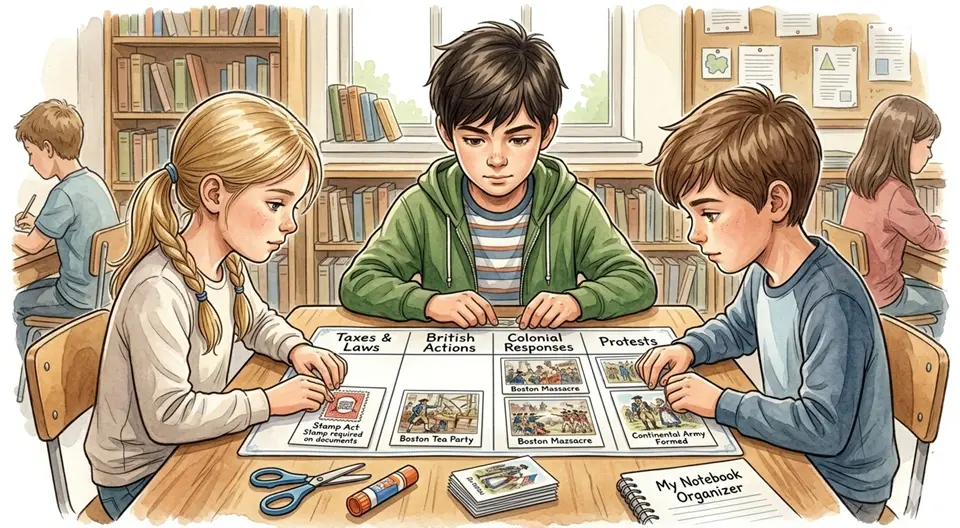
Students sort illustrated cards showing early causes of the American Revolution into categories such as Taxes & Laws, Protests, British Actions, and Colonial Responses. This hands-on activity helps students build background knowledge before diving into specific events in later lessons.
Materials:
- Printed picture cards
- Scissors and glue
- Notebook organizer or sorting mat
Optional Extension: Students write a short explanation of how each category contributed to rising tensions between Britain and the colonies.
This list of engaging books helps students explore the people, events, and ideas of the American Revolution.
- If You Lived at the Time of the American Revolution by Kay Moore
- Johnny Tremain by Esther Forbes
- The Fighting Ground by Avi
- Toliver’s Secret by Esther Wood Brady
- Sophia’s War by Avi
- Woods Runner by Gary Paulsen
- Chains by Laurie Halse Anderson
- Forge by Laurie Halse Anderson
- The Fifth of March: A Story of the Boston Massacre by Ann Rinaldi
- The Secret of Sarah Revere by Ann Rinaldi
Books by Jean Fritz:
- And Then What Happened, Paul Revere?
- Can't You Make Them Behave, King George?
- What's the Big Idea, Ben Franklin?
- Where Was Patrick Henry on the 29th of May?
- Why Don't You Get a Horse, Sam Adams?
- Will You Sign Here, John Hancock?
American Revolution Navigation
Explore the Full American Revolution Unit

This complete history unit includes research passages, organizers, writing tasks, quizzes, activities, and website research — all in printable and digital formats. Everything you need to teach the American Revolution with confidence.
View the Full Unit on TPT