British Taxes and Colonial Resistance
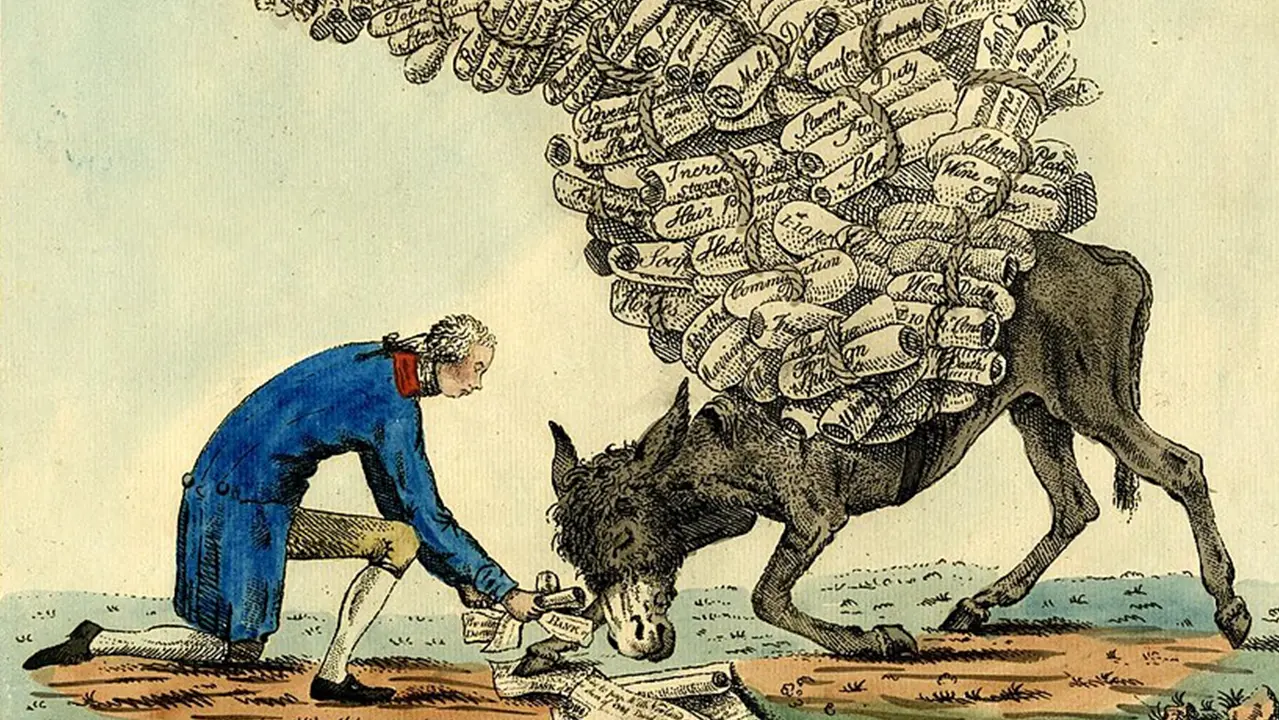
Fast Facts: British Taxes
British Taxes
- Main Issue: Paying for the French & Indian War
- Key Acts: Sugar, Stamp, Townshend
- Slogan: “No taxation without representation”
- Colonial Response: Boycotts & protests
- British Goal: Raise money & control trade
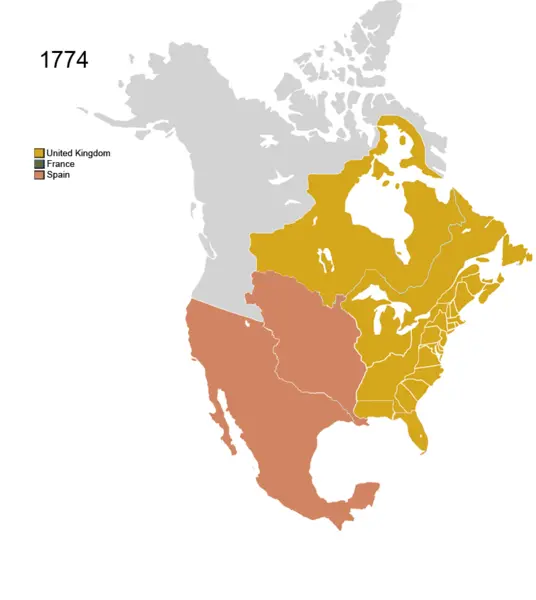
Taxes at a Glance
- Britain needed money after the French and Indian War.
- New taxes were placed on sugar, paper, and everyday goods.
- Colonists had no representatives in Parliament.
- Protests and boycotts spread across the colonies.
- These conflicts pushed the colonies closer to revolution.
Britain Needs Money
After the French and Indian War ended in 1763, Britain controlled more land than ever before. However, the war had been extremely expensive. Britain had spent years sending soldiers, supplies, and ships across the Atlantic Ocean, and it now owed a huge debt. British leaders also planned to keep about 10,000 soldiers in North America. They believed the American colonists, who had benefited from the war, should help pay for the cost of defending the colonies. To raise money and control colonial trade, Parliament passed a series of new laws and taxes.
The Sugar Act (1764)
One of the first new laws was the Sugar Act of 1764. This law placed a tax on sugar and molasses brought into the colonies from the West Indies. The tax was actually lower than the old Molasses Act tax, but this time British officials enforced it. The law also allowed officials to search ships for smuggled goods. Many colonists used molasses to make rum, so merchants and shipowners were especially upset. Colonists argued that the tax was unfair because they had no representatives in Parliament to speak for them.
The Currency Act (1764)
That same year, Parliament passed the Currency Act. It said the colonies could not print their own paper money to pay debts. Colonists had very little gold and silver, so this law made buying, selling, and paying debts much harder.
The Stamp Act (1765)
In 1765, Parliament passed the Stamp Act. This law required colonists to buy a special stamp for newspapers, legal documents, licenses, wills, playing cards, and even college diplomas. The cost ranged from a halfpenny on some newspapers to two British pounds on a college diploma, and the tax had to be paid in gold or silver coins. It was the first tax that affected almost everyone, not just merchants. Colonists were furious. They believed only their own colonial assemblies had the right to tax them.
The Quartering Act (1765)
Parliament also passed the Quartering Act in 1765. It required the colonies to provide British soldiers with housing and supplies such as food, firewood, and candles. The soldiers were to stay in barracks, inns, and empty buildings, not in private homes. Still, many colonists were angry about paying for an army they had not asked for.
“No Taxation Without Representation”
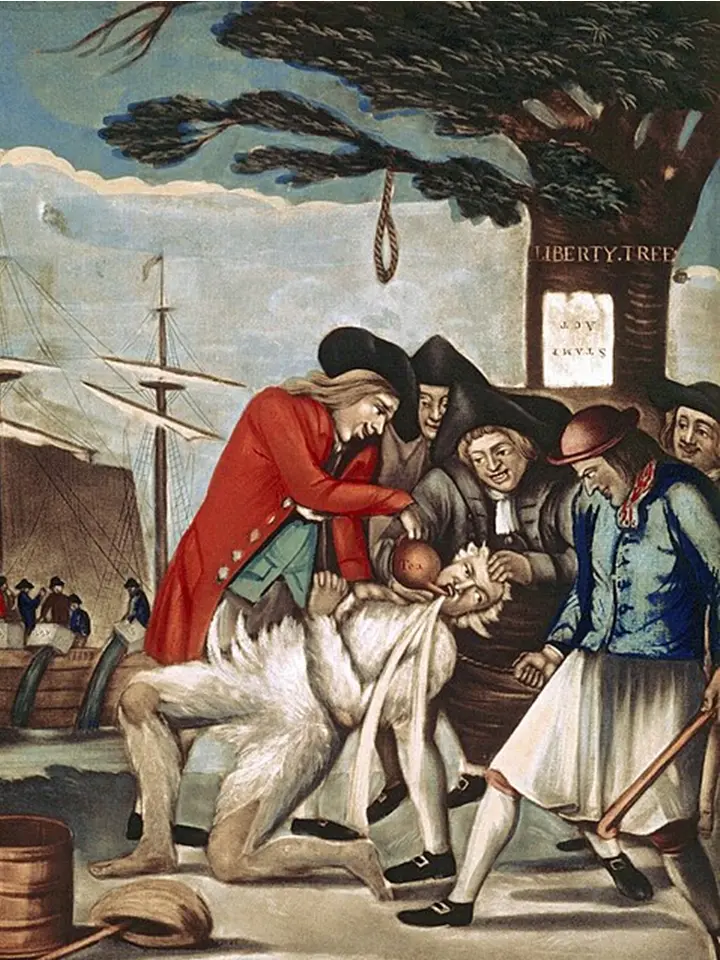
Across the colonies, people began to protest. They repeated the slogan “No taxation without representation!” This meant they believed it was wrong to be taxed by Parliament when the colonists had no elected representatives in the British government. The idea is often credited to James Otis, a Boston lawyer. A group called the Sons of Liberty formed in 1765. Its members organized marches, burned effigies of tax collectors, damaged the homes of some officials, and pressured tax collectors to resign. A few tax collectors were even tarred and feathered.
The Stamp Act Congress
In October 1765, delegates from nine colonies met in New York City at a meeting called the Stamp Act Congress. They agreed that Parliament could not tax the colonies because the colonists had no representation in Parliament. They sent a letter asking Britain to repeal the Stamp Act.
Boycotts and Repeal
Colonists also organized boycotts, refusing to buy British goods. These boycotts hurt British merchants, who lost money and pressured Parliament to end the Stamp Act. In 1766, Parliament repealed the law. Colonists celebrated, but the conflict was far from over. On the same day, Parliament passed the Declaratory Act, which said Britain still had the right to make laws for the colonies and to tax them.
The Townshend Acts (1767)
In 1767, Parliament passed the Townshend Acts, which placed taxes on everyday items such as glass, lead, paint, paper, and tea. Once again, colonists protested. They formed new boycotts, and many families made their own goods instead of buying British products. Women played an important role. Groups sometimes called the Daughters of Liberty spun yarn, wove their own cloth, and made tea from local plants to avoid imported items. In 1768, Britain sent soldiers to Boston to keep order. Many colonists felt the troops were there to watch them and force them to obey British laws.
Growing Anger
By the late 1760s, many colonists believed Britain was trying to control them rather than protect their rights. The new taxes, the presence of British soldiers, and the lack of representation in Parliament created anger and distrust. The protests and boycotts also brought the colonies closer together. These conflicts set the stage for even more serious events in Boston and pushed the colonies toward the idea of independence.
Word Match
Drag the vocabulary words to their correct definitions!
Vocabulary Words
Definitions
British Taxes and Colonial Resistance
Activities & Extensions
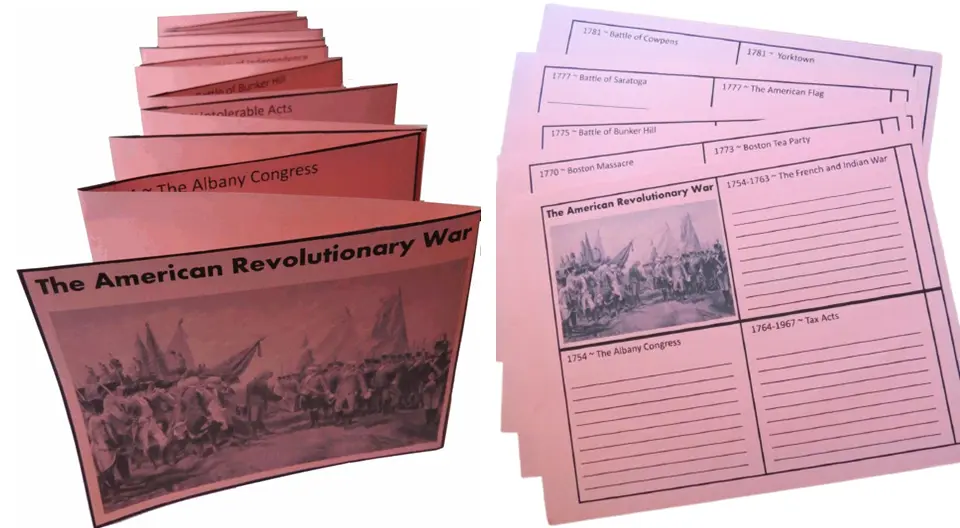
Download this free printable organizer for students to use throughout the unit. Students add events as they learn about the causes, major battles, and important people of the American Revolution.
Download:
This organizer does not require an answer key and works well as an ongoing reference tool for the entire unit.
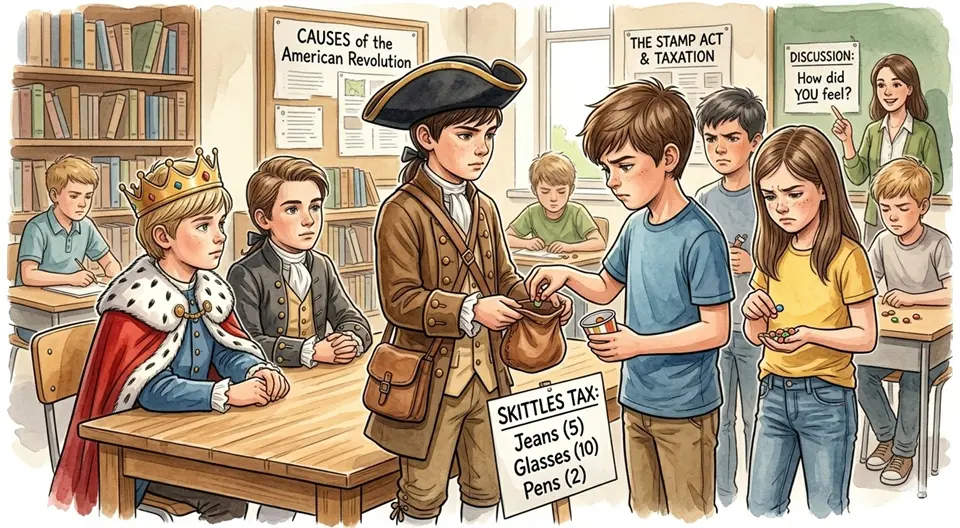
Students experience the frustration of unfair taxation by paying “taxes” using small candies such as Skittles. Assign roles for the King, Parliament, and the tax collector, then tax students for everyday items like jeans, glasses, or pens.
After collecting taxes, discuss how students felt and connect their reactions to the colonists’ anger toward British laws.
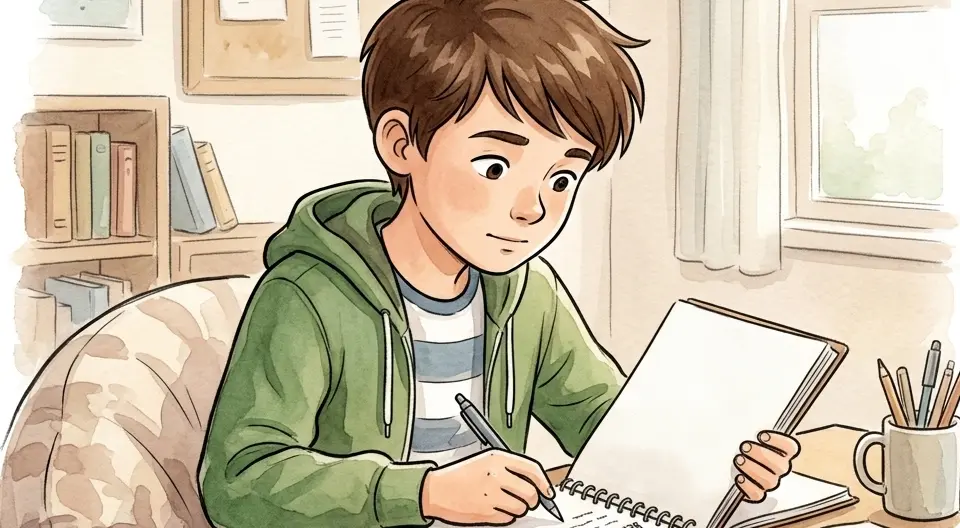
Students pretend they are American colonists in 1775 and write a persuasive letter to the British Parliament asking them to repeal the Intolerable Acts. This activity builds empathy and strengthens opinion writing skills.
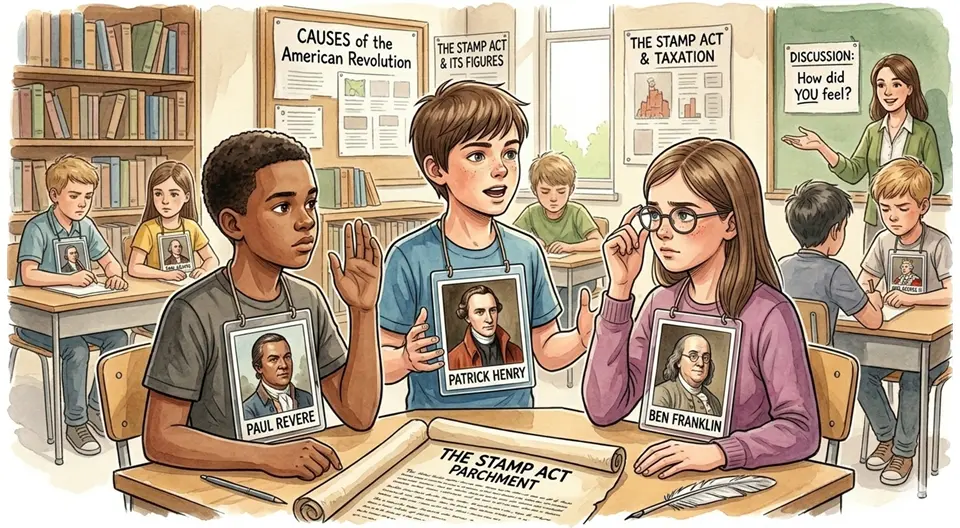
Students explore how different historical figures might have reacted to the Stamp Act, including Paul Revere, King George III, Ben Franklin, Patrick Henry, and Sam Adams. This activity encourages discussion and helps students understand multiple perspectives.
Students brainstorm creative ways colonists could be taxed. This quick activity helps students understand how arbitrary and frustrating British taxes felt to the colonists.
Students watch the classic Schoolhouse Rock video No More Kings to reinforce the causes of the American Revolution in a fun, musical format.
Watch:
American Revolution Navigation
Explore the Full American Revolution Unit
This complete history unit includes research passages, organizers, writing tasks, quizzes, activities, and website research — all in printable and digital formats. Everything you need to teach the American Revolution with confidence.
View the Full Unit on TPT