Famous People of the American Revolution
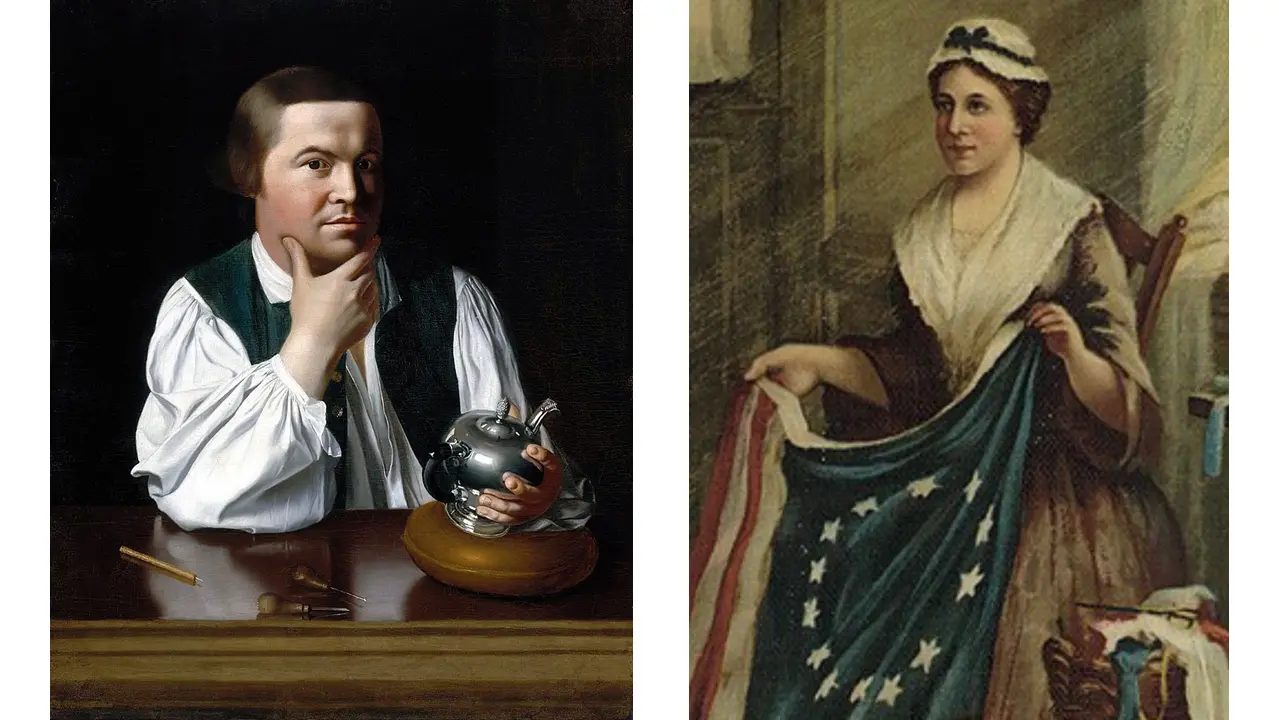
People Behind the Revolution
The American Revolution was shaped by individuals with different talents, backgrounds, and beliefs. Some were famous leaders whose names appear in history books. Others were ordinary people who took extraordinary risks. Together, they helped guide the colonies through war, hardship, and the long journey toward independence.
Leaders and Thinkers
Many influential figures helped organize the fight for freedom. George Washington led the Continental Army. Thomas Jefferson wrote the Declaration of Independence. Benjamin Franklin worked to gain support from France. Writers and speakers such as Thomas Paine, Samuel Adams, and Patrick Henry convinced ordinary colonists to support independence. Their leadership and ideas helped unite the colonies and inspire others to join the cause.
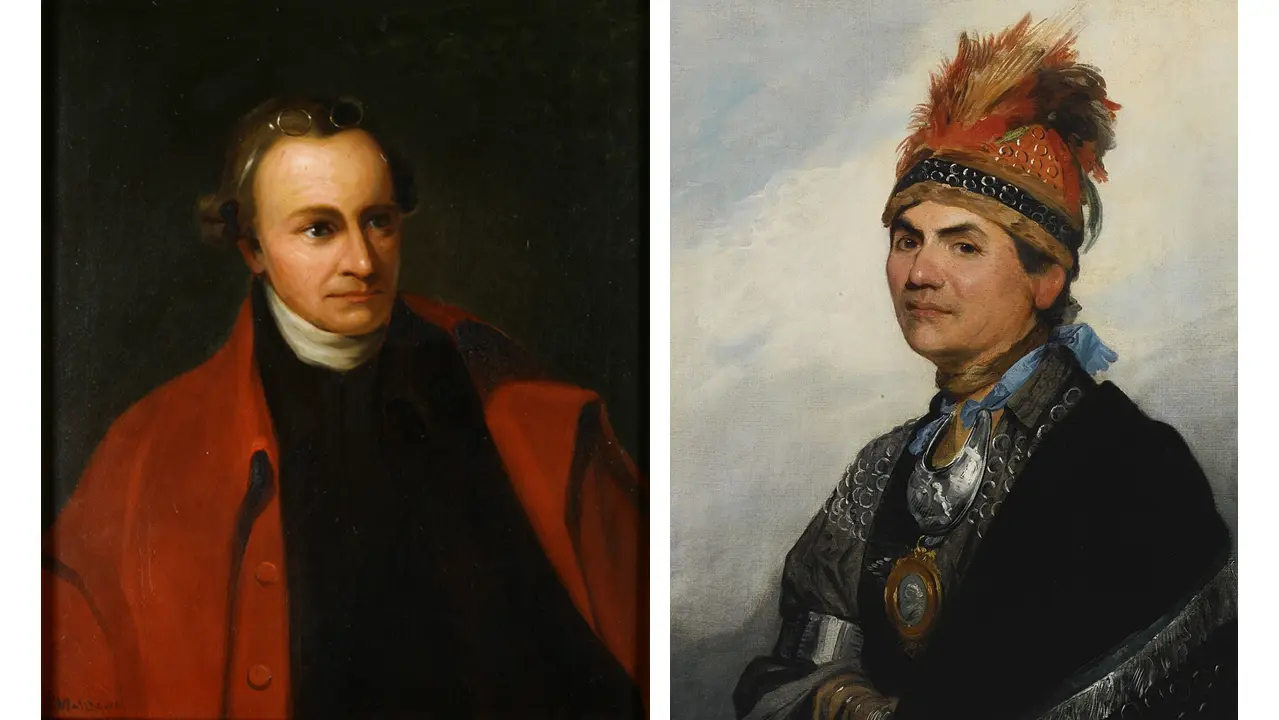
Everyday Heroes
Not all heroes were generals or statesmen. Women carried messages, cared for soldiers, and kept farms and businesses running. African Americans fought on both sides, hoping for freedom. Spies like Nathan Hale risked their lives, and young riders like Sybil Ludington are remembered for warning towns of danger. Their courage and determination played a vital role in the struggle for independence.
Allies from Around the World
The colonies did not fight alone. Leaders such as the Marquis de Lafayette and Baron von Steuben brought military skill and support from Europe. Their help strengthened the Continental Army and increased the colonies’ chances of winning the war.
A Story of Many Voices
The American Revolution was not shaped by one person or one group. It was a shared effort that included leaders, soldiers, families, and allies. Learning about these individuals helps us understand how the colonies achieved independence and how their actions continue to influence the nation today.
Meet the People Who Shaped the Revolution
Click or tap each card to flip it and learn fast facts about important figures from the American Revolution.
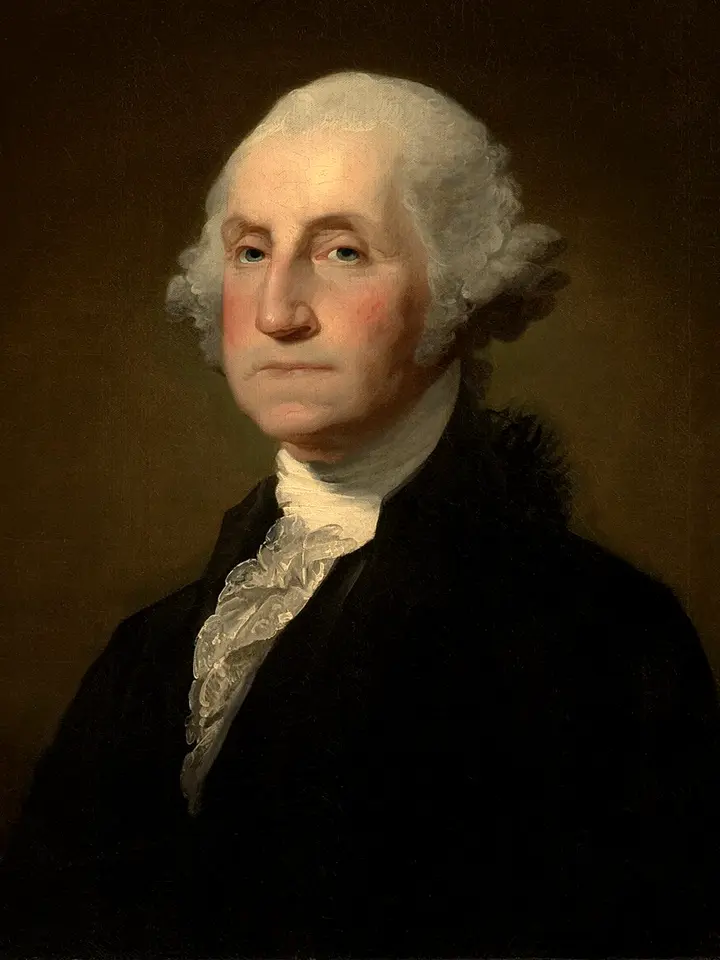
George Washington
Fast Facts
- Virginia planter and officer in the French and Indian War
- Commander in chief of the Continental Army
- Led victories at Trenton, Princeton, and Yorktown
- First President of the United States (1789–1797)
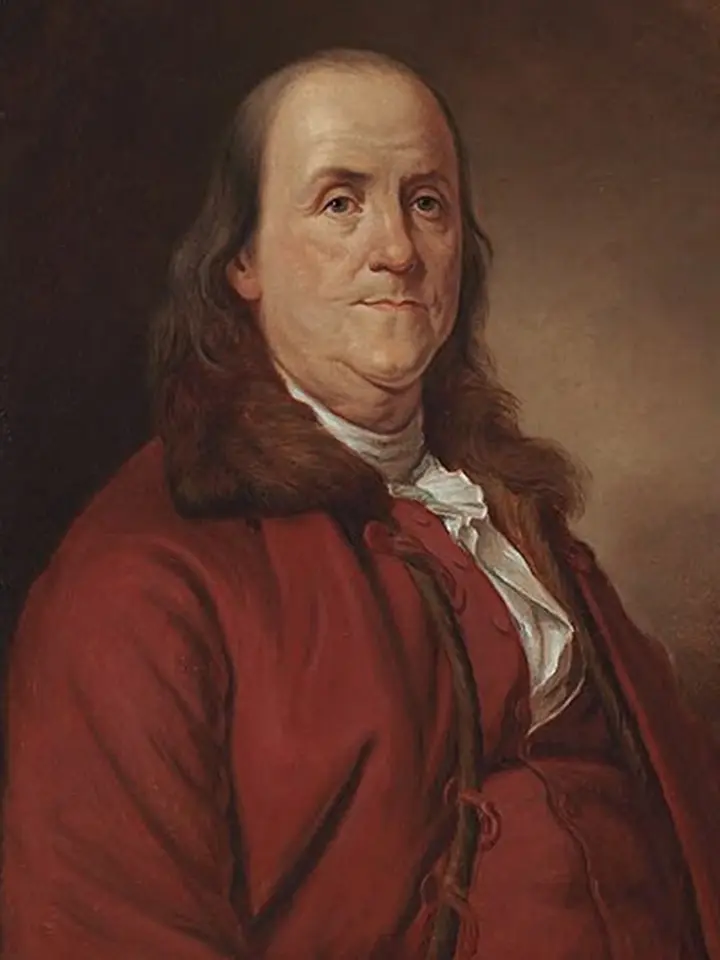
Benjamin Franklin
Fast Facts
- Printer, writer, scientist, and inventor
- Drew the “Join or Die” cartoon in 1754
- Helped write the Declaration of Independence
- Won French support and helped write the Treaty of Paris
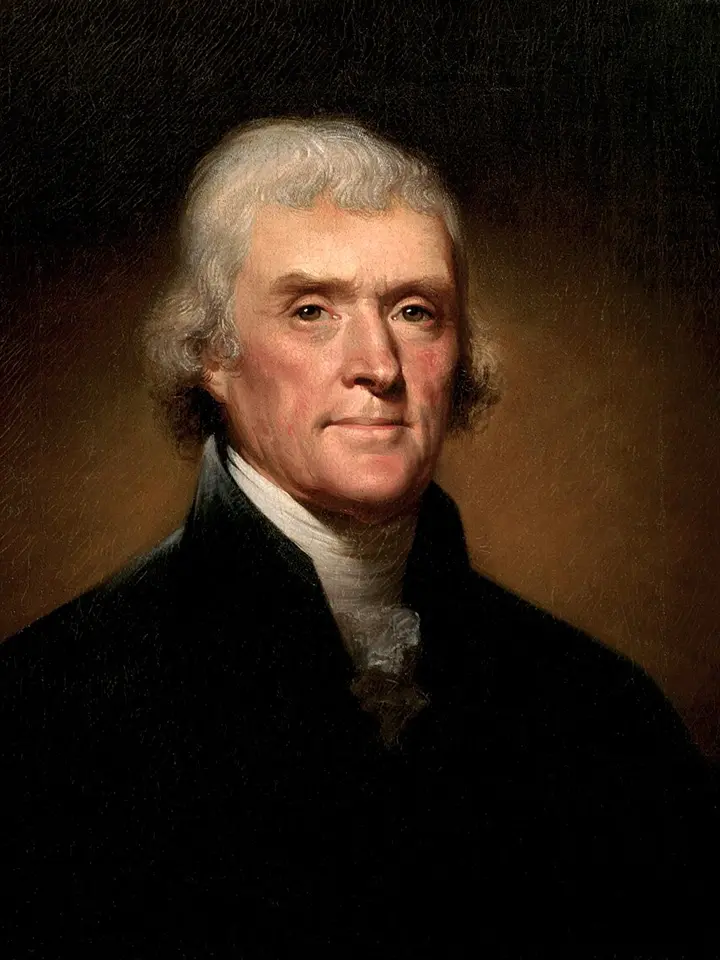
Thomas Jefferson
Fast Facts
- Virginia planter and lawyer
- Main author of the Declaration of Independence
- Believed in natural rights and liberty
- Third President of the United States (1801–1809)
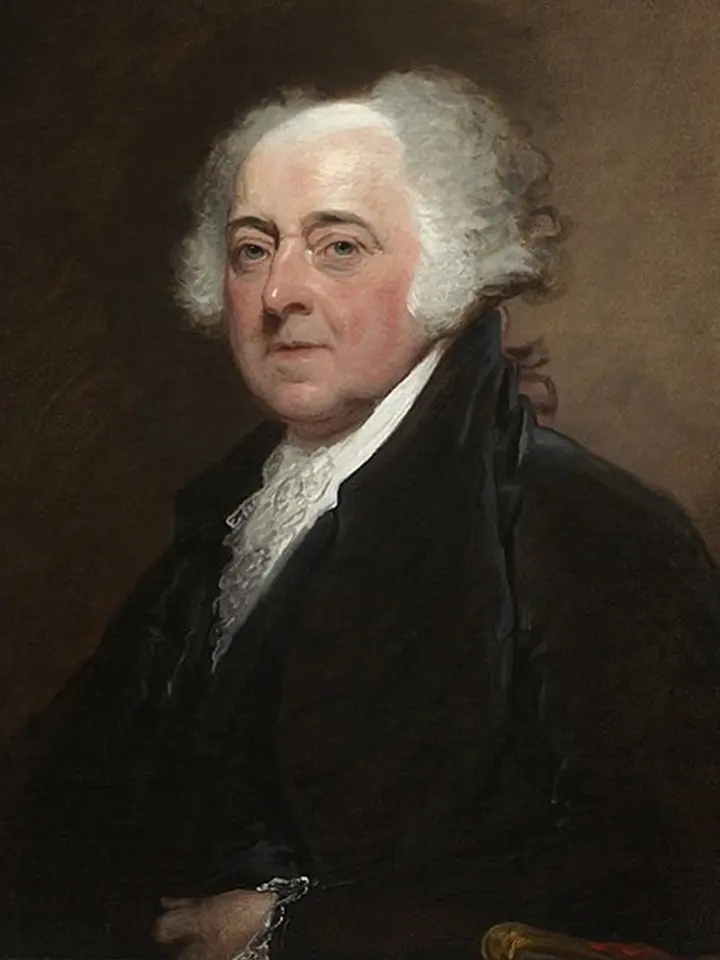
John Adams
Fast Facts
- Boston lawyer who defended the British soldiers after the Boston Massacre
- Strong voice for independence in Congress
- Helped negotiate the Treaty of Paris
- Second President of the United States (1797–1801)
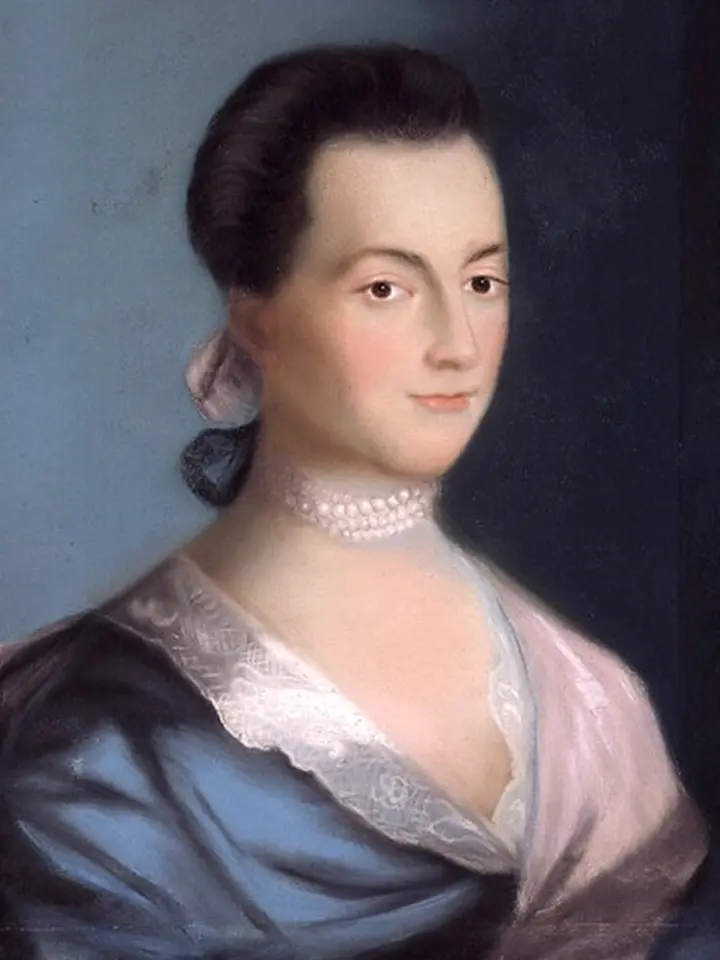
Abigail Adams
Fast Facts
- Wife of John Adams
- Asked Congress to “remember the ladies”
- Ran the family farm during the war
- Known for her powerful letters
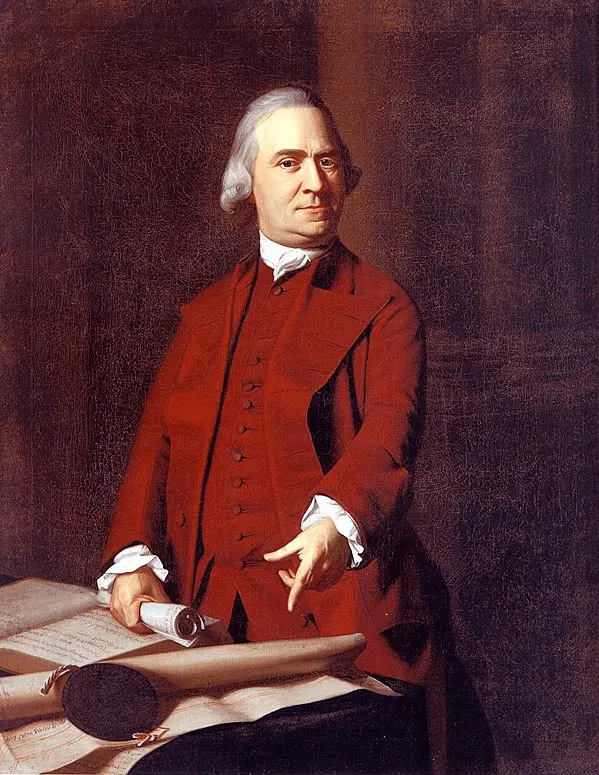
Samuel Adams
Fast Facts
- Second cousin of John Adams
- Leader of the Sons of Liberty in Boston
- Helped start the Committees of Correspondence (1772)
- Delegate to the Continental Congress who signed the Declaration
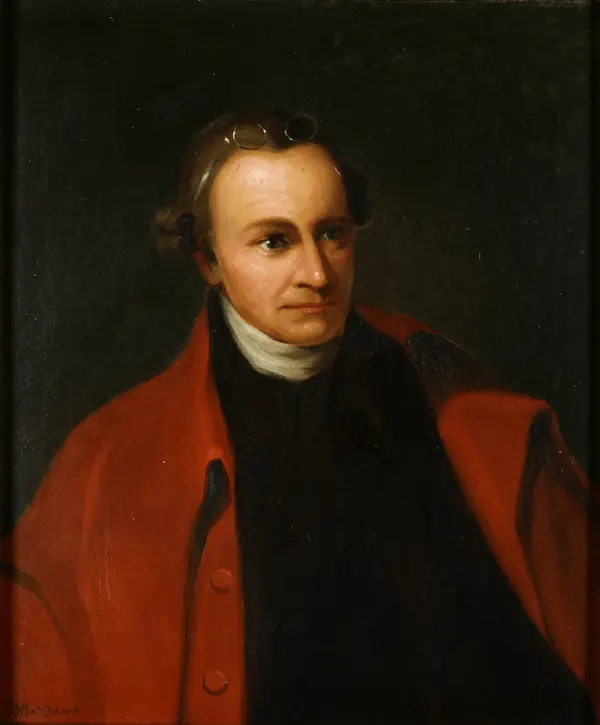
Patrick Henry
Fast Facts
- Spoke out against the Stamp Act in 1765
- Delegate to the First Continental Congress
- In 1775 declared, “Give me liberty, or give me death!”
- First governor of the state of Virginia
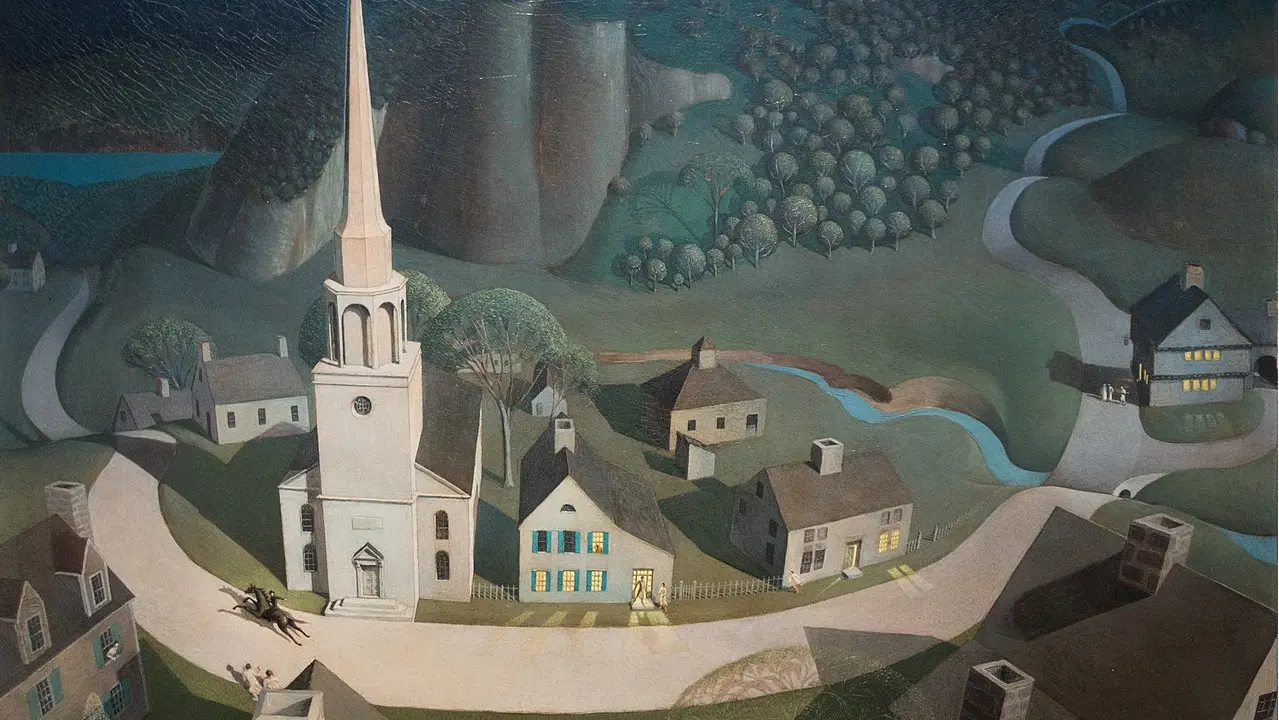
Paul Revere
Fast Facts
- Boston silversmith and Sons of Liberty member
- Made the famous engraving of the Boston Massacre
- Believed to have taken part in the Boston Tea Party
- Rode to warn Lexington on April 18, 1775; was captured and later released
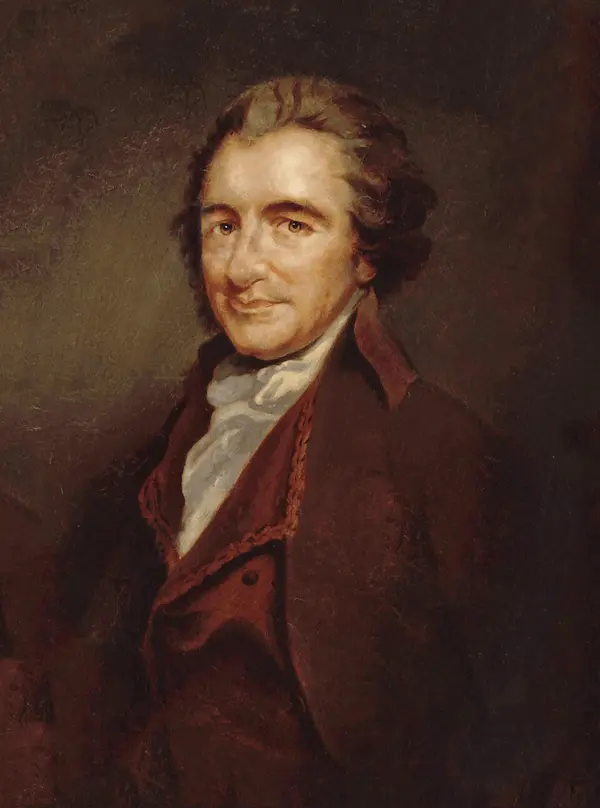
Thomas Paine
Fast Facts
- Englishman who moved to America in 1774
- Wrote Common Sense (January 1776), arguing for independence
- Its plain language made it a best seller
- Later wrote “These are the times that try men’s souls”
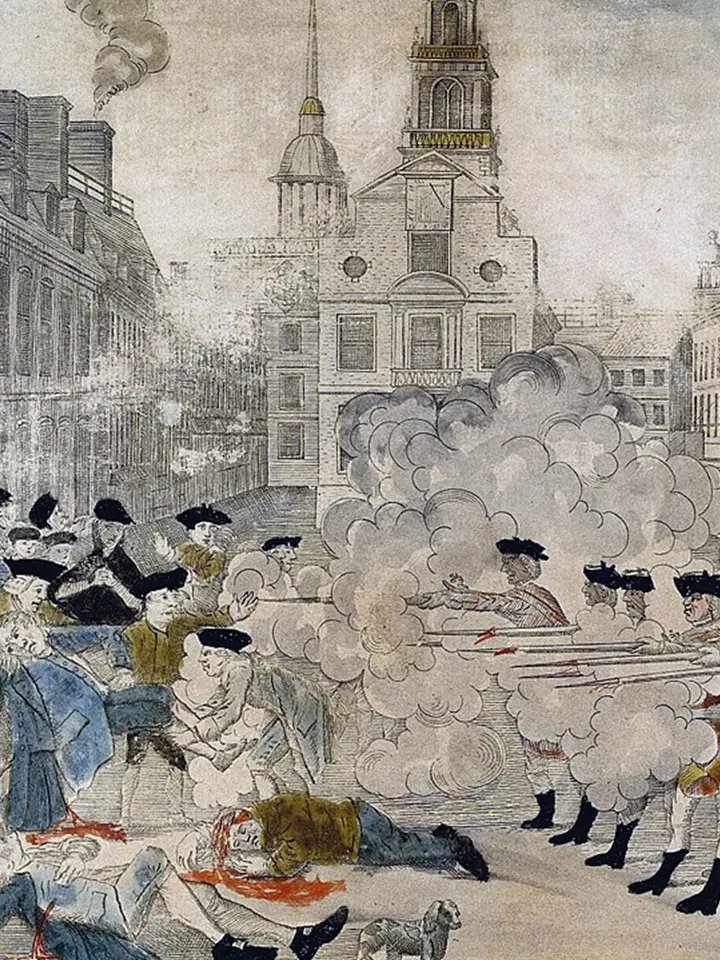
Crispus Attucks
Fast Facts
- Sailor of African and Native American descent
- Killed in the Boston Massacre on March 5, 1770
- Often remembered as the first person to die in the struggle for independence
- Became a symbol of the Patriot cause
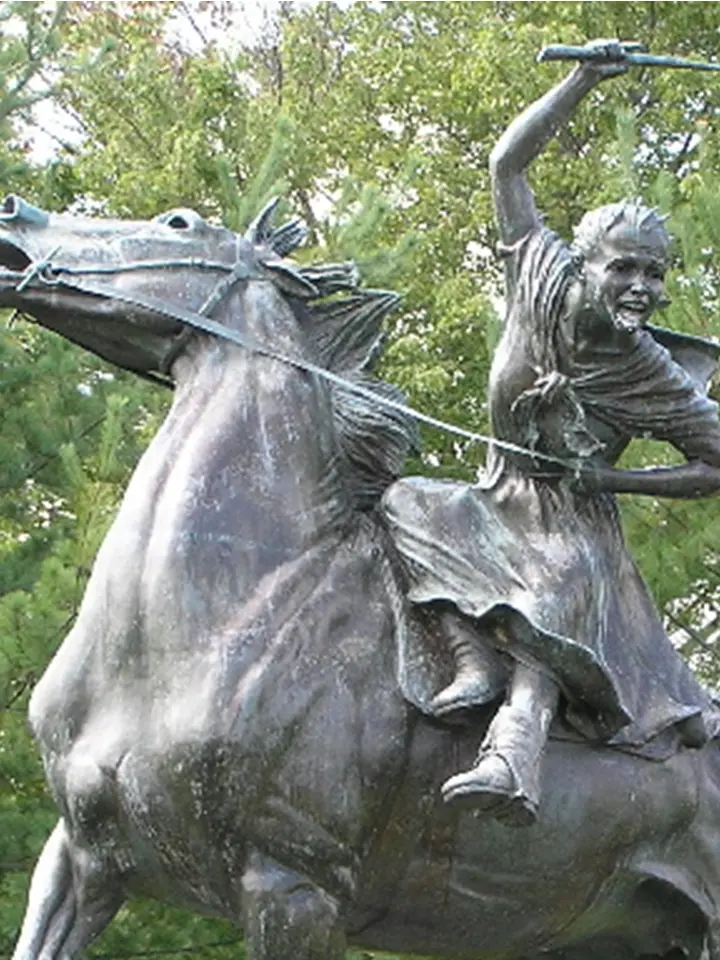
Sybil Ludington
Fast Facts
- According to family accounts, rode through the night on April 26, 1777
- Called out her father’s militia after the British attacked Danbury, Connecticut
- Was 16 years old
- Historians still debate details of the story, which was first published in 1880
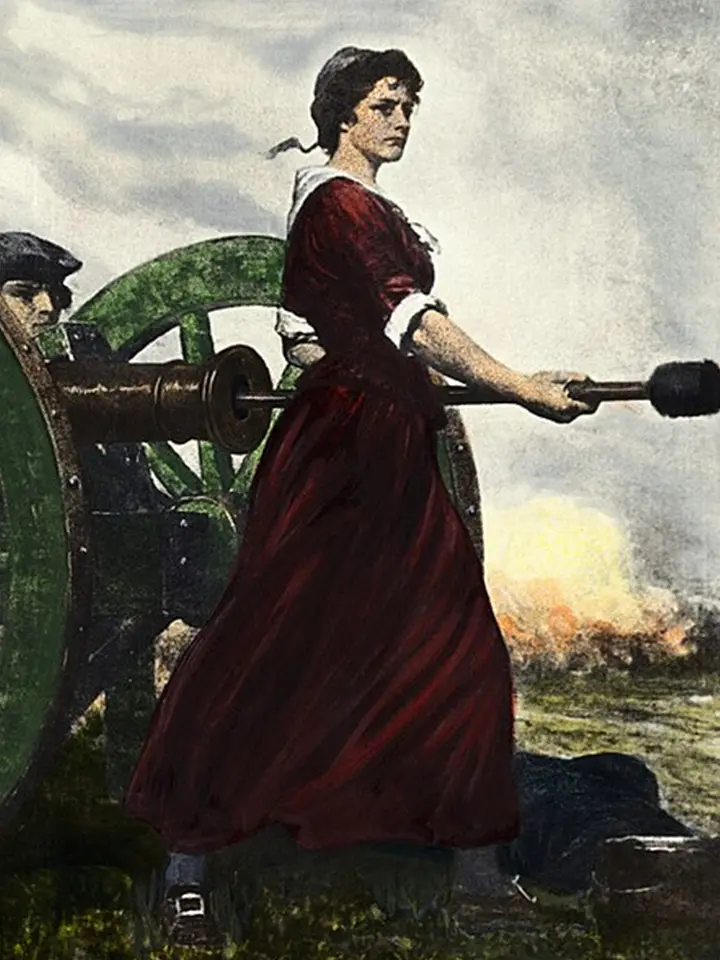
Molly Pitcher
Fast Facts
- Legendary heroine of the Battle of Monmouth (1778)
- Said to have carried water to soldiers and taken her husband’s place at a cannon
- Story is likely based partly on Mary Ludwig Hays
- Pennsylvania later gave Mary Hays $40 a year for her service
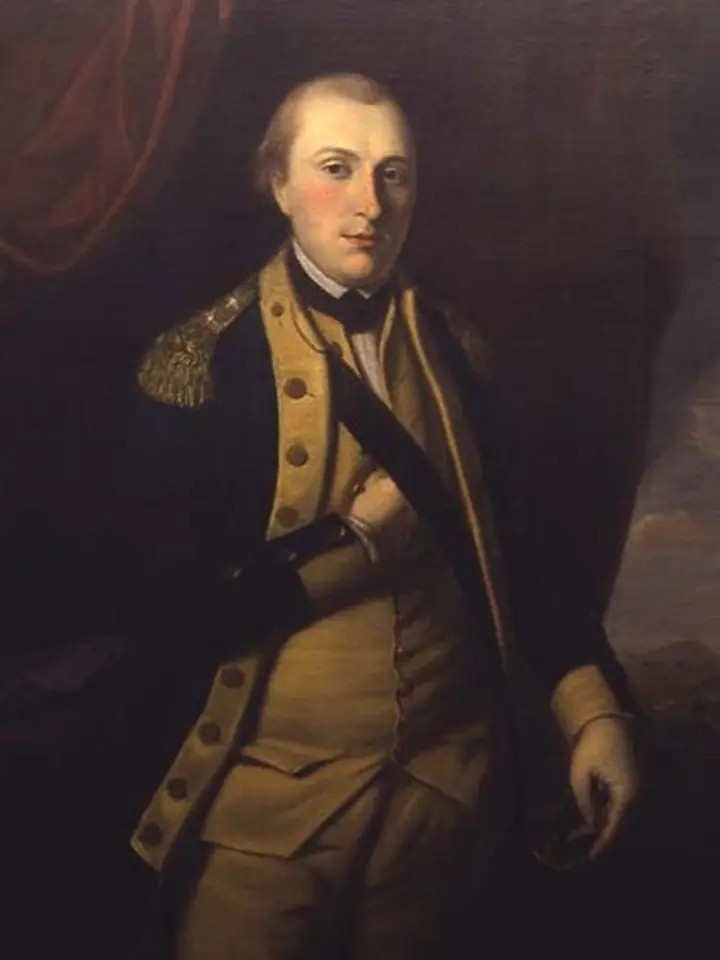
Marquis de Lafayette
Fast Facts
- Young French nobleman who volunteered for the Patriot cause
- Close friend of George Washington
- Served at Valley Forge and in Virginia
- Helped trap Cornwallis before Yorktown
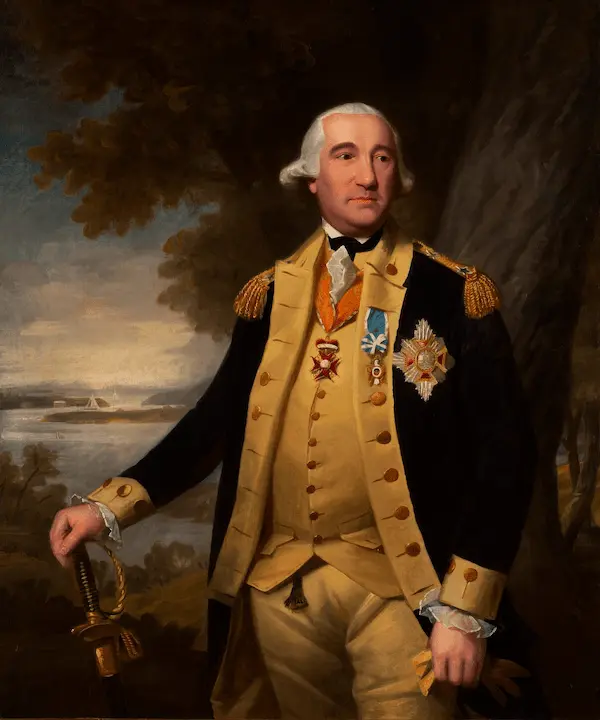
Baron von Steuben
Fast Facts
- Arrived at Valley Forge in February 1778
- Drilled soldiers to march, load quickly, and use bayonets
- Improved discipline and camp cleanliness
- Wrote the army’s first training manual
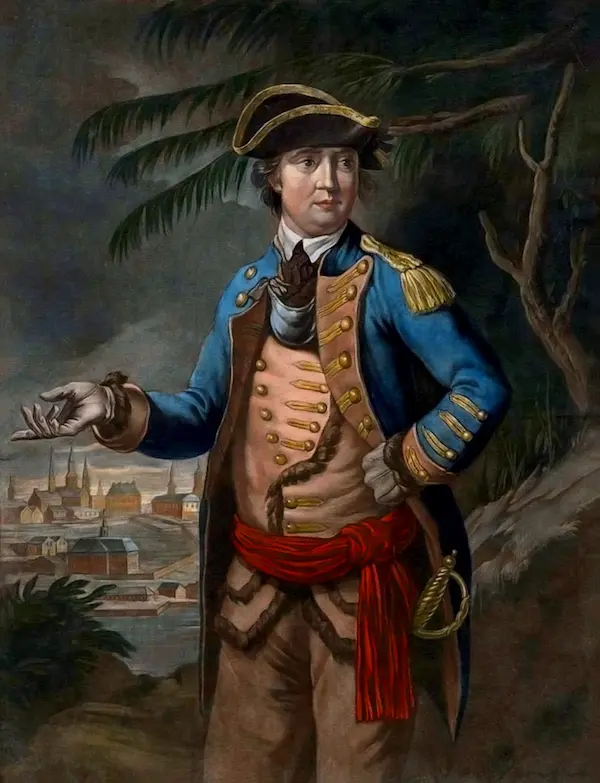
Benedict Arnold
Fast Facts
- Hero at Fort Ticonderoga, Quebec, and Saratoga
- Felt unappreciated and was deeply in debt
- In 1780 secretly plotted to hand West Point to the British
- Plot was discovered when British Major John André was captured with papers; Arnold escaped and became a British general
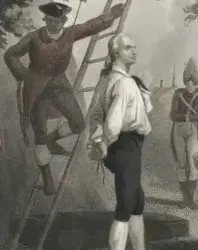
Nathan Hale
Fast Facts
- Schoolteacher from Connecticut
- Volunteered to spy behind British lines in New York in 1776
- Captured and hanged as a spy on September 22, 1776, at age 21
- Remembered for the words “I only regret that I have but one life to lose for my country”
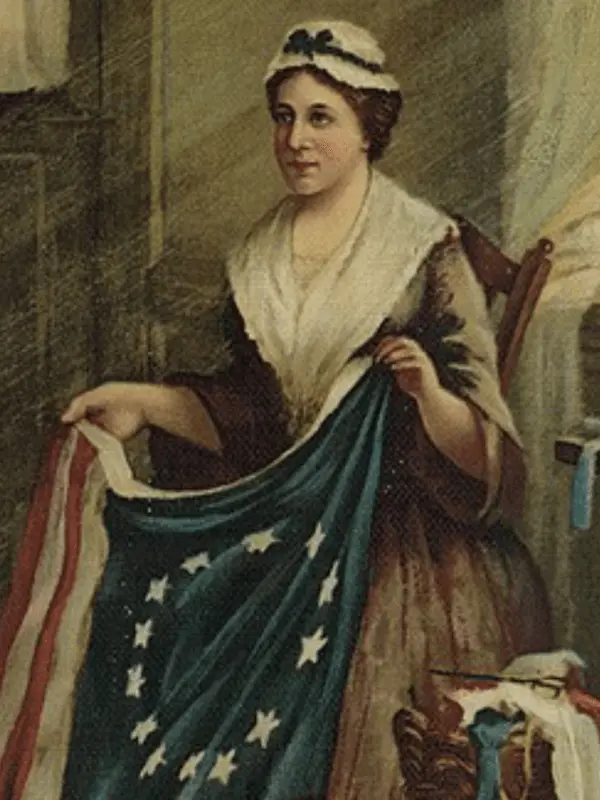
Betsy Ross
Fast Facts
- Upholsterer who sewed flags for the Pennsylvania navy
- Family tradition says she sewed the first Stars and Stripes in 1776
- Story says Washington, Robert Morris, and George Ross visited her
- The story cannot be proven; it was first told by her grandson in 1870
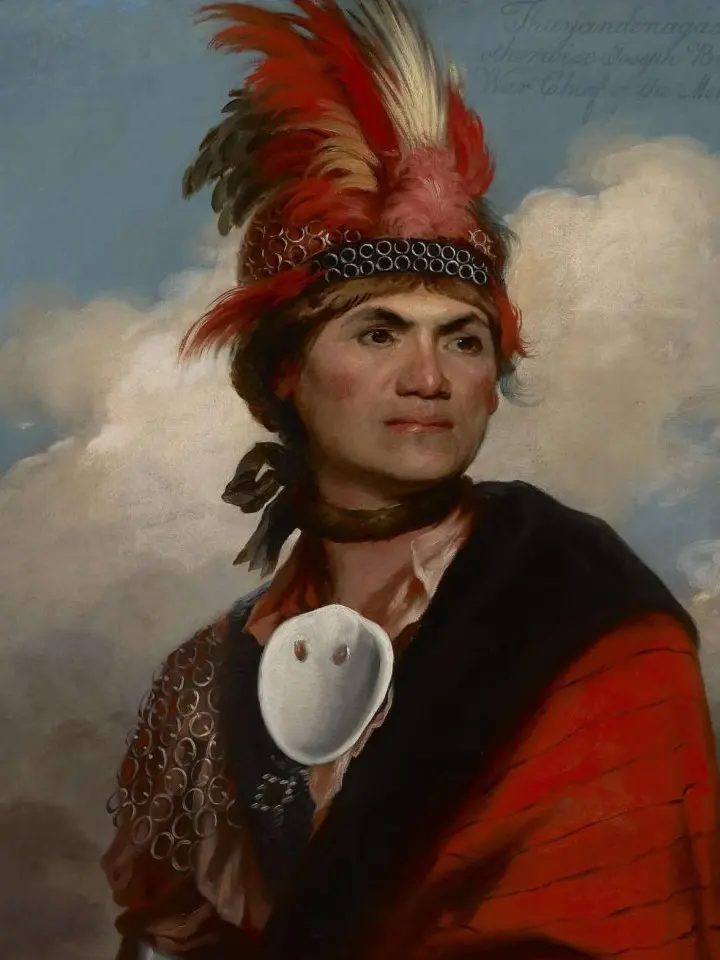
Joseph Brant
Fast Facts
- Mohawk leader also known as Thayendanegea
- Sided with the British to protect Mohawk lands
- Led Native and Loyalist fighters in New York
- After the war, led his people to new lands in Canada
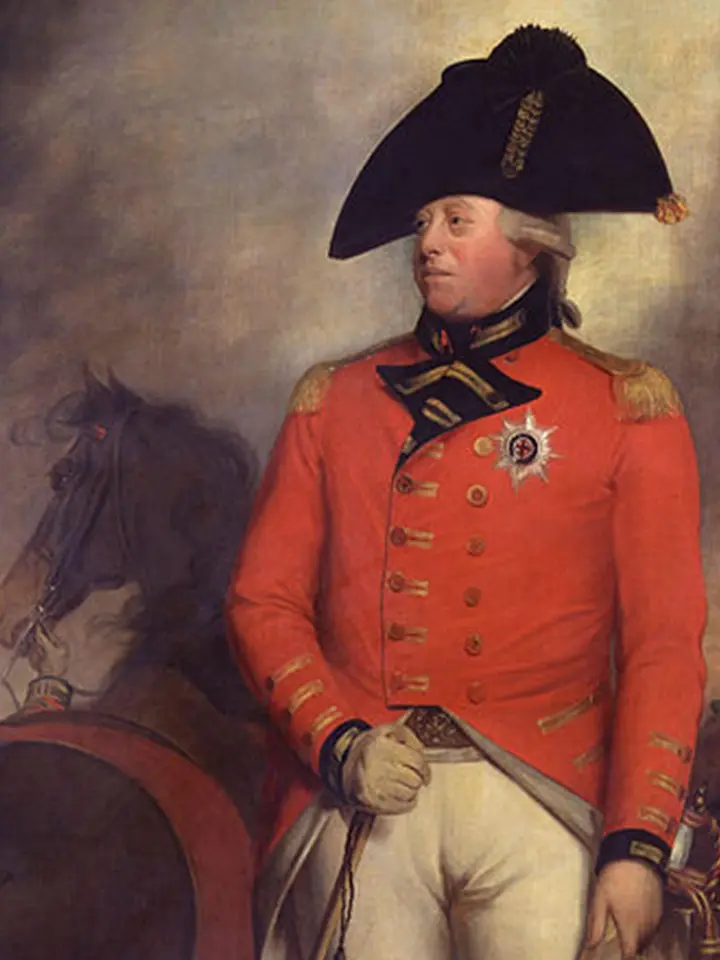
King George III
Fast Facts
- King of Great Britain from 1760 to 1820
- Supported the taxes and laws colonists opposed
- Refused to read the Olive Branch Petition
- Target of the grievances in the Declaration
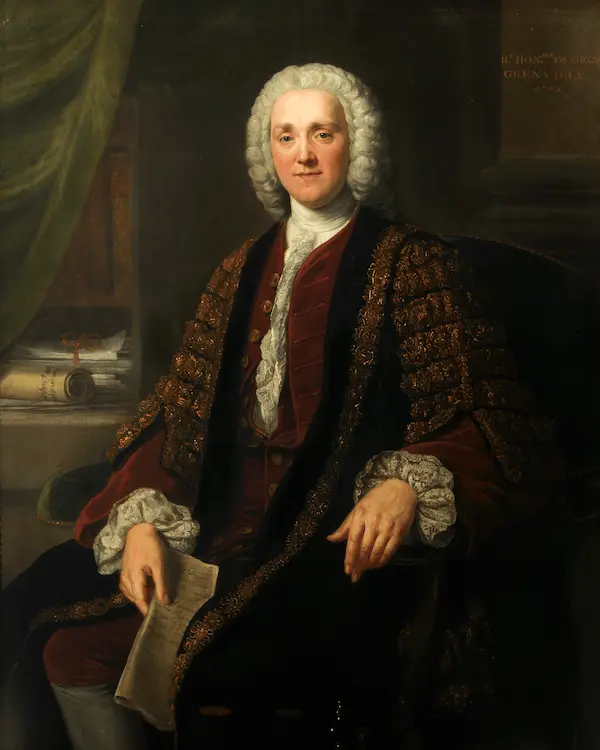
George Grenville
Fast Facts
- Believed colonists should help pay for their own defense
- His government passed the Sugar Act and Currency Act (1764)
- Also passed the Stamp Act and Quartering Act (1765)
- The older Molasses Act (1733) was passed before his time
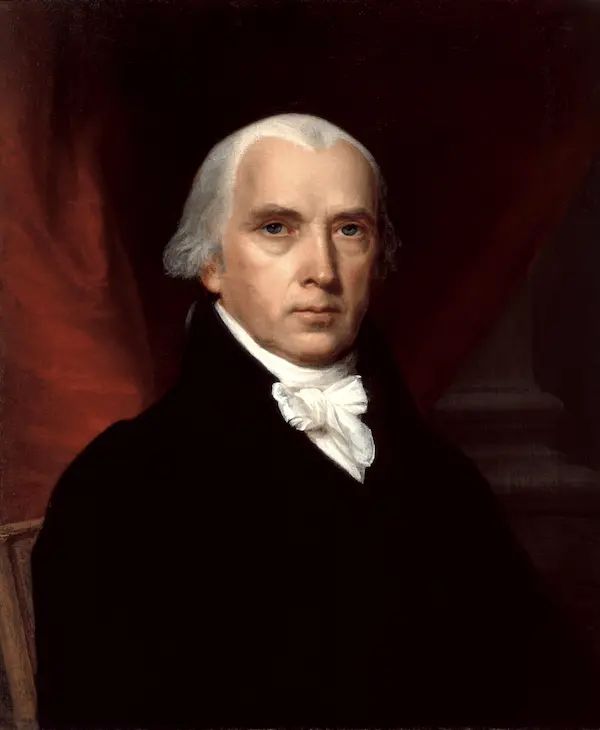
James Madison
Fast Facts
- Served in the Continental Congress near the end of the war
- Called the “Father of the Constitution” (1787)
- Wrote the Bill of Rights
- Fourth President of the United States (1809–1817)
Match the Person to Their Accomplishment
Drag each person to the accomplishment that best describes their role in the American Revolution.
People
Accomplishments
Match the Person to Their Contribution
Drag each person to the contribution that best describes their role in the American Revolution.
People
Contributions
Constructed Response
Possible Answers:
- George Washington led the Continental Army.
- Benjamin Franklin gained French support.
- Abigail Adams supported independence and advocated for women.
- Sybil Ludington warned militia forces.
- Molly Pitcher helped soldiers during battle.
Possible Answer: George Washington provided leadership and strategy for the Continental Army, while Sybil Ludington made a difference by warning militia forces during a nighttime ride, helping troops prepare for attack.
Possible Answer: The Marquis de Lafayette fought alongside the Patriots and helped secure French support, while Baron von Steuben trained soldiers at Valley Forge, improving discipline and effectiveness.
Possible Answers:
- Washington faced shortages of supplies but kept the army together through leadership.
- Franklin struggled to convince France to help but used diplomacy and persistence.
- Women like Molly Pitcher faced danger on the battlefield but continued supporting soldiers.
Possible Answer: Ordinary people carried messages, warned towns, fought in battles, and supported soldiers. Their actions helped the army succeed and kept the Patriot cause alive.
Possible Answer: Answers will vary. Example: Benjamin Franklin’s diplomacy mattered because French support provided money, supplies, and military help that the colonies needed to win the war.
Choose Your Team
Pick three people from the American Revolution who you believe would make the strongest team. Think about their strengths, leadership, bravery, and contributions. Then click each panel to compare your ideas with a sample response.
Sample Response: George Washington would be my first choice because he was a strong leader who kept the Continental Army together during difficult times. His experience and determination would help guide the team.
Sample Response: Benjamin Franklin would be my second choice because he was skilled at diplomacy. His ability to negotiate and build alliances—especially with France—would bring important support to the team.
Sample Response: Sybil Ludington would be my third choice because she showed bravery and quick thinking during her nighttime ride. Her courage and willingness to act in dangerous situations would strengthen the team.
Sample Response: My team would work well together because each person brings a different strength—leadership, diplomacy, and bravery. Together, they would be able to plan, communicate, and take action effectively, just like the real leaders and heroes of the Revolution.
American Revolution Navigation
Explore the Full American Revolution Unit
This complete history unit includes research passages, organizers, writing tasks, quizzes, activities, and website research — all in printable and digital formats. Everything you need to teach the American Revolution with confidence.
View the Full Unit on TPT