The Shot Heard ’Round the World
Fast Facts: Lexington & Concord
Lexington & Concord
- Date: April 19, 1775
- Location: Massachusetts
- British Goal: Seize weapons
- Colonial Forces: Minutemen militia
- Outcome: Start of the Revolution
Events at a Glance
- British troops marched to seize colonial weapons.
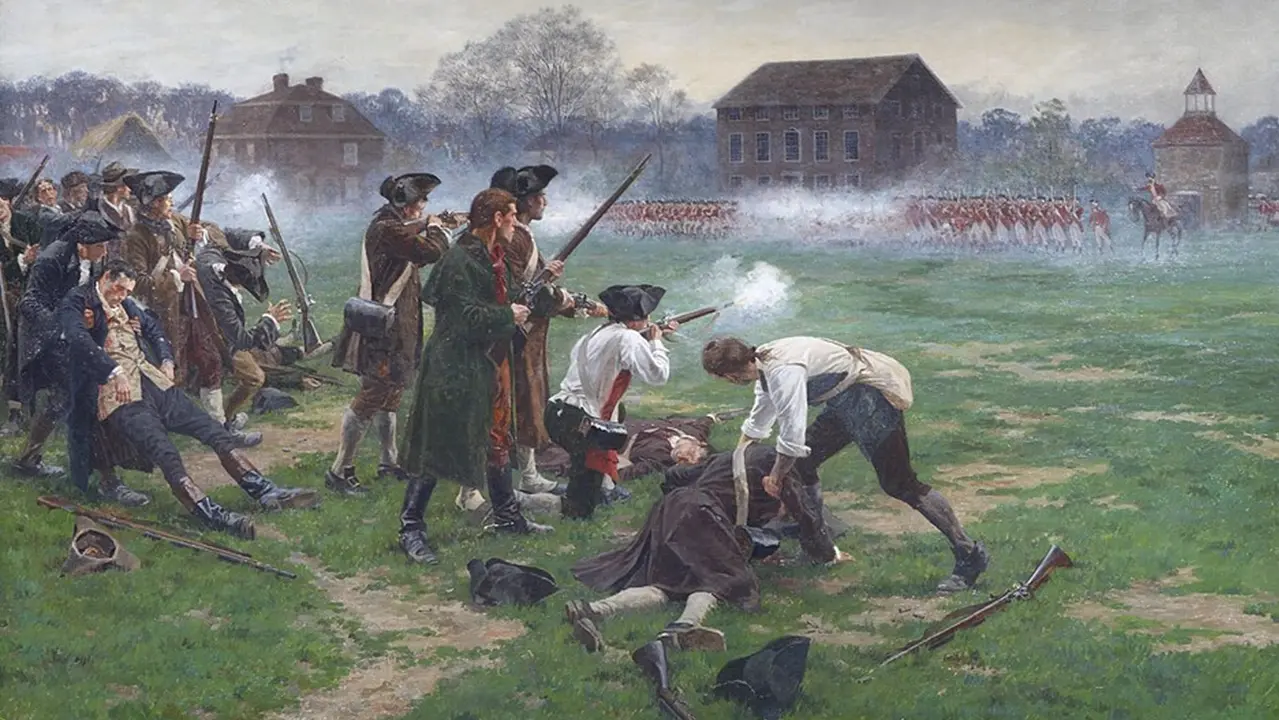
- Minutemen met them on Lexington Green.
- The first shot of the Revolution was fired.
- Colonists forced the British to retreat from Concord.
- The battles marked the beginning of open war.
Tension Turns to Action
By early 1775, the conflict between Britain and the colonies had reached a breaking point. Protests, boycotts, and new laws had created deep mistrust on both sides. In Massachusetts, many colonists trained as minutemen, volunteers who promised to be ready to fight at a moment’s notice. Some practiced marching with wooden guns because they did not have real ones. British leaders believed the colonists were preparing for rebellion.
Some colonists still believed the king had the right to rule the colonies, while others argued that the colonies should govern themselves. In March 1775, Patrick Henry gave a speech in Virginia in which he declared, “Give me liberty, or give me death!” His words showed how strongly many colonists felt about their rights.
The British March to Concord
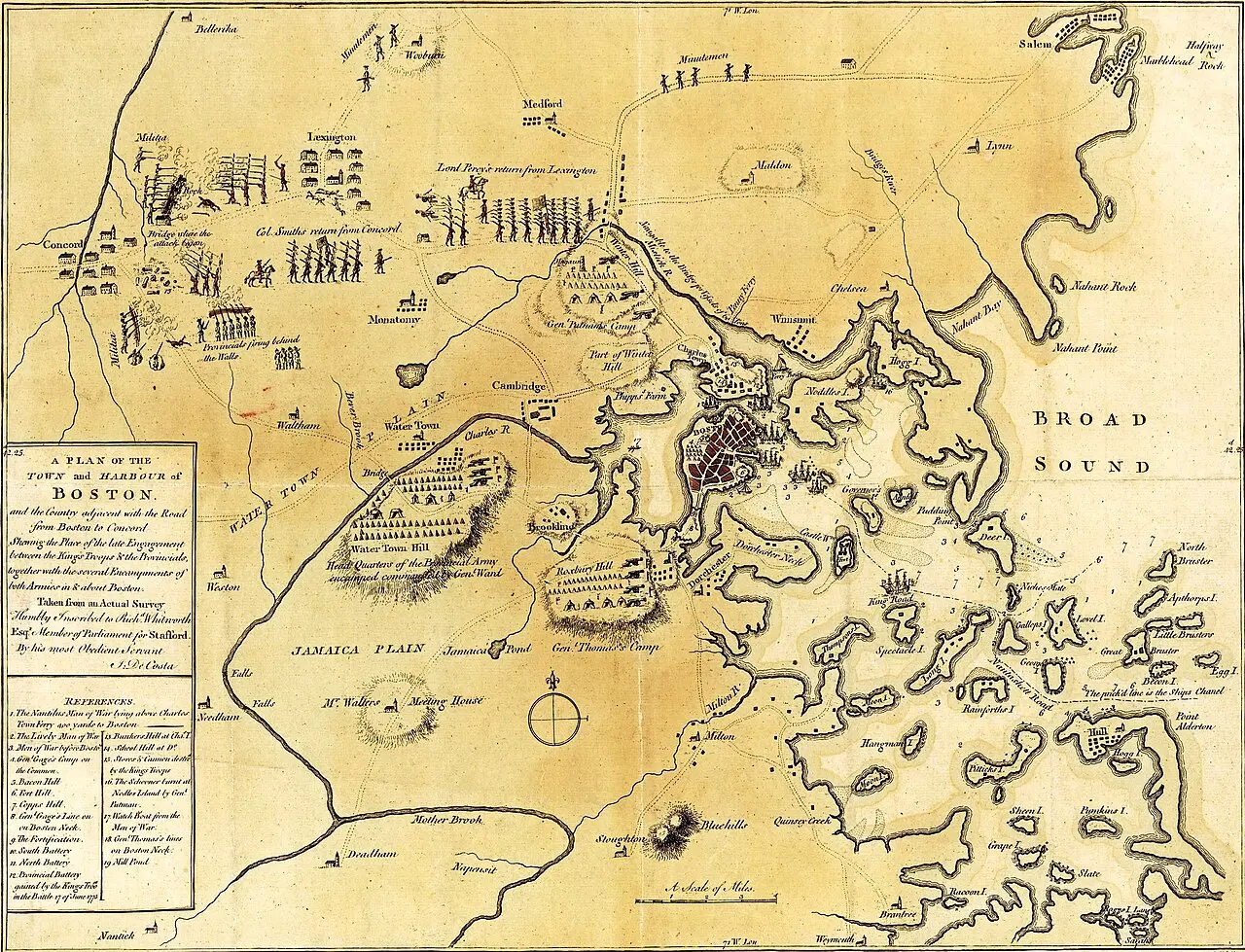
General Thomas Gage, the British commander and governor of Massachusetts, learned that colonists were storing weapons and gunpowder in the town of Concord. He decided to act before the colonists could use them. On the night of April 18, 1775, about 700 British soldiers secretly left Boston. Their orders were to march to Concord and seize or destroy the colonists’ military supplies. Two colonial leaders, Samuel Adams and John Hancock, were staying in the nearby town of Lexington, and colonists feared the soldiers would arrest them, too.
The Midnight Ride
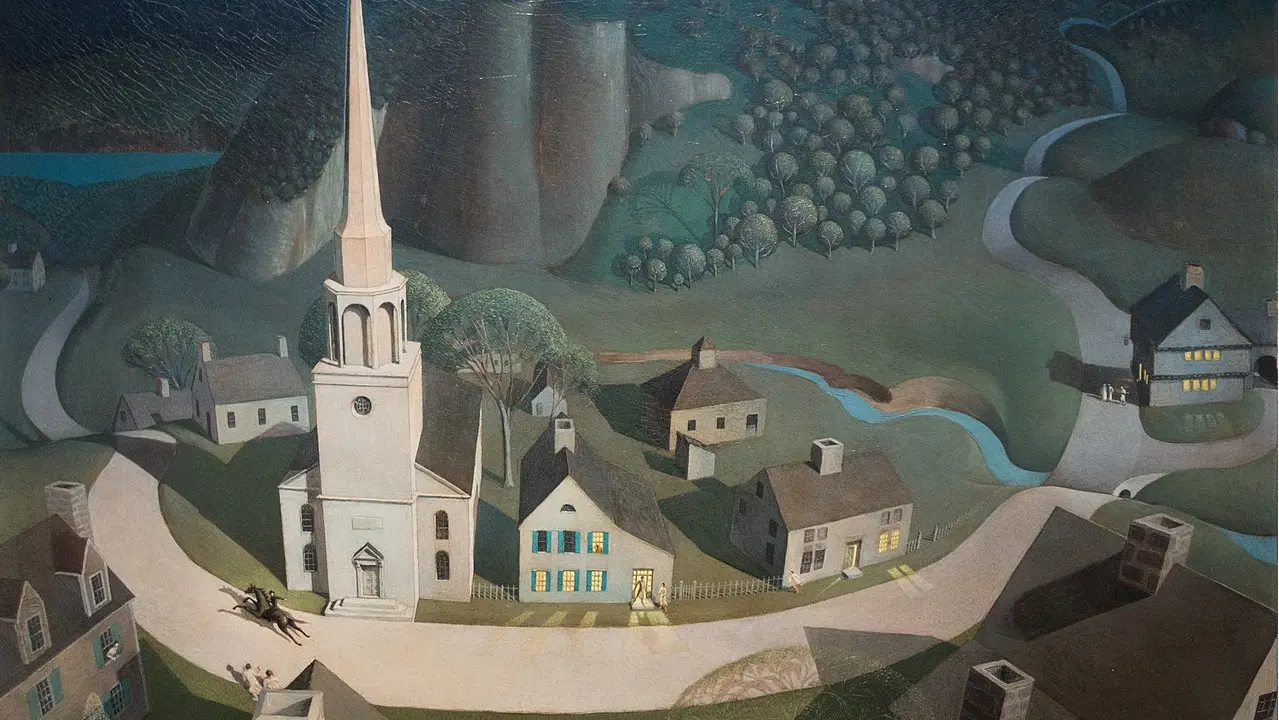
Colonial spies learned about the secret plan. Two lanterns were hung in the steeple of Boston’s Old North Church to signal that the British were crossing the river by boat (“one if by land, two if by sea”). Paul Revere and William Dawes rode out of Boston by different routes to warn the countryside that British soldiers were on the move. They reached Lexington and warned Adams and Hancock. A third rider, Samuel Prescott, joined them. A British patrol stopped the riders. Revere was captured and later released, and Dawes escaped, but Prescott got away and carried the warning to Concord. Other riders, church bells, and warning shots spread the message from town to town, allowing the minutemen to gather and prepare.
Lexington Green
Early the next morning, April 19, British troops reached Lexington. About seventy minutemen led by Captain John Parker stood on the village green, facing hundreds of British soldiers. No one knows who fired the first shot, but once it rang out, the British began firing. Eight colonists were killed, and the minutemen were forced to retreat. Even though the colonists lost, Lexington was important. It was the first exchange of gunfire of the war, and it showed that colonists were willing to stand up to British soldiers.
The Fight at Concord
The British continued their march to Concord. When they arrived, they found few weapons, because the colonists had already moved and hidden most of them. The soldiers burned the supplies they did find. At the North Bridge, about 400 minutemen faced the British soldiers guarding the bridge. This time, the minutemen stood their ground. They fired on the British and forced them to retreat from the bridge.
Years later, in 1837, the poet Ralph Waldo Emerson wrote “Concord Hymn” about the fight at the North Bridge. He called the colonists’ shot “the shot heard round the world.” Today, people use the phrase to describe the start of the American Revolution, a war whose ideas spread around the world.
The British Retreat
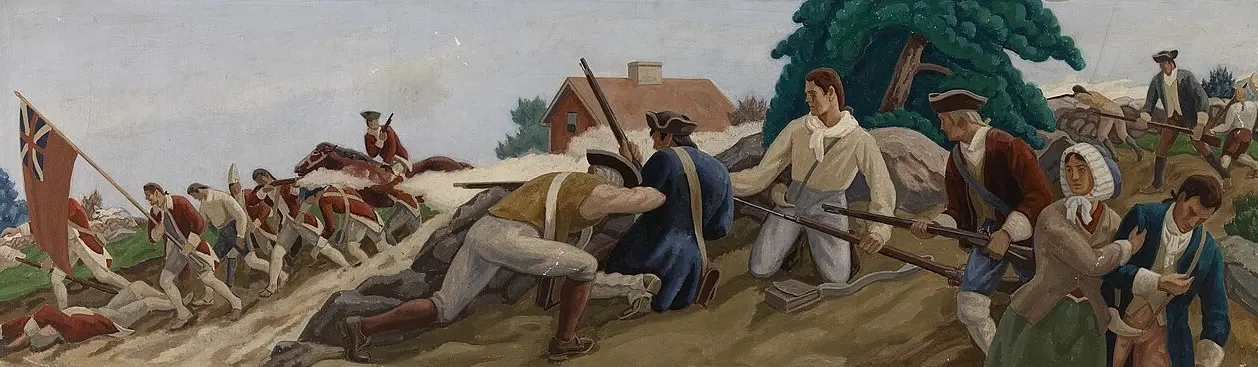
The long march back to Boston, about 18 miles, was difficult for the British troops. Thousands of militiamen from nearby towns gathered along the road. Using the land to their advantage, they fired at the soldiers from behind trees, stone walls, and houses. Extra British soldiers met the tired troops near Lexington and helped them get back to Boston. By the end of the day, 49 colonists and 73 British soldiers had been killed, and many more were wounded. The British realized that the colonists were willing and able to fight.
The Start of the American Revolution
The battles of Lexington and Concord marked the beginning of the American Revolution. What began as a struggle over taxes and laws had become open war. News of the fighting spread quickly, inspiring more colonists to join the fight. Within days, thousands of militiamen surrounded Boston, trapping the British army in the city. The battles showed that the colonists were prepared to defend their rights, even against one of the strongest armies in the world.
Word Match
Drag the vocabulary words to their correct definitions!
Vocabulary Words
Definitions
The Battles of Lexington and Concord Quiz
Activities & Extensions
Students watch the classic Schoolhouse Rock video The Shot Heard ’Round the World to learn about the opening battles of the American Revolution. The song provides a memorable overview of the events at Lexington and Concord.
Watch:
After viewing, students identify the key events shown in the video and compare them to the historical account from the lesson.
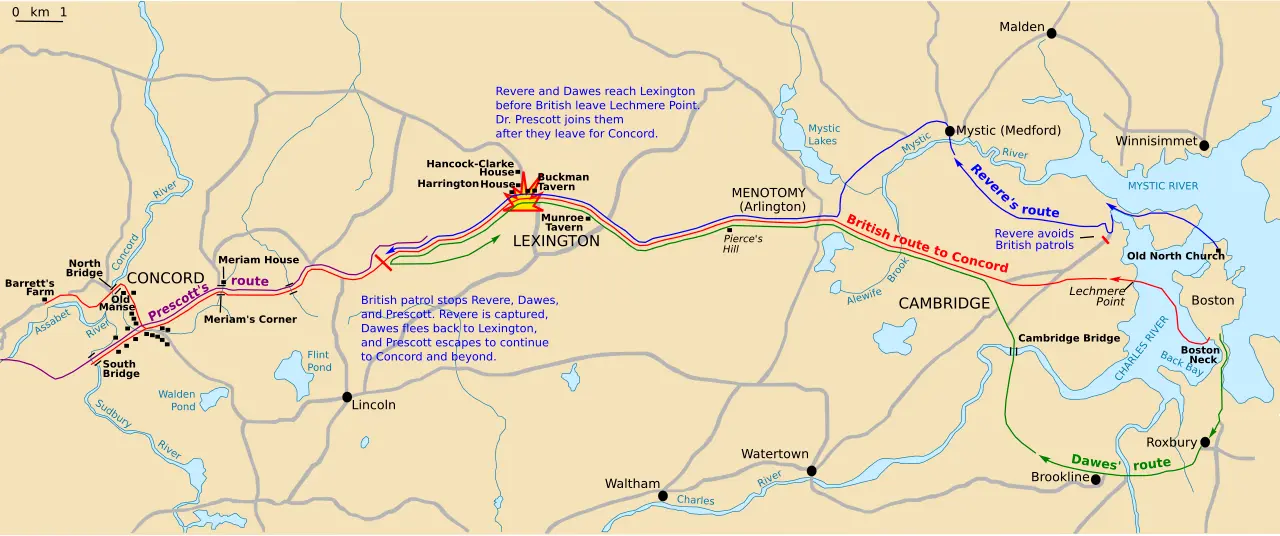
Students trace the routes of Paul Revere, William Dawes, and Samuel Prescott on a simple map of the Boston area. They mark where each rider traveled, where they were stopped, and who ultimately reached Concord.
Download the map:
This activity helps students visualize how the warning system worked and why the militia was prepared for the British arrival. Students may also reenact the lantern signal and create a short “Rider’s Log” describing their journey.
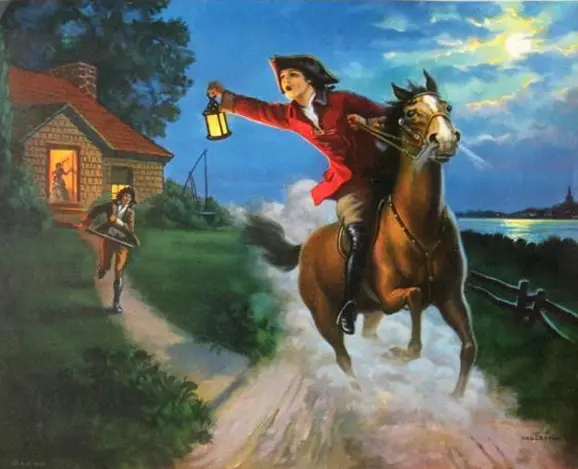
Students listen to a dramatic or musical version of Henry Wadsworth Longfellow’s famous poem Paul Revere’s Ride, beginning with the well‑known line “Listen, my children, and you shall hear…”. The rhythm and tone help students imagine the urgency of the midnight ride.
Listen:
After listening, students compare the poem’s sequence of events to the historical account. A reflection question deepens understanding: How does the poem’s rhythm shape the way we imagine the midnight ride?
American Revolution Navigation
Explore the Full American Revolution Unit
This complete history unit includes research passages, organizers, writing tasks, quizzes, activities, and website research — all in printable and digital formats. Everything you need to teach the American Revolution with confidence.
View the Full Unit on TPT