English Settlements
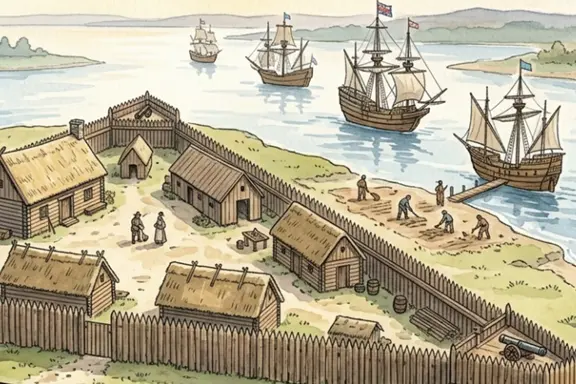
Fast Facts: English Settlements
English Settlements
- Time Period: 1600s
- Main Purpose: Find wealth, create new homes, expand English power
- Key Features: Joint‑stock companies, permanent colonies, self‑government
- Regions: Atlantic Coast, especially Virginia and New England
- Result: England established long‑lasting colonies in North America
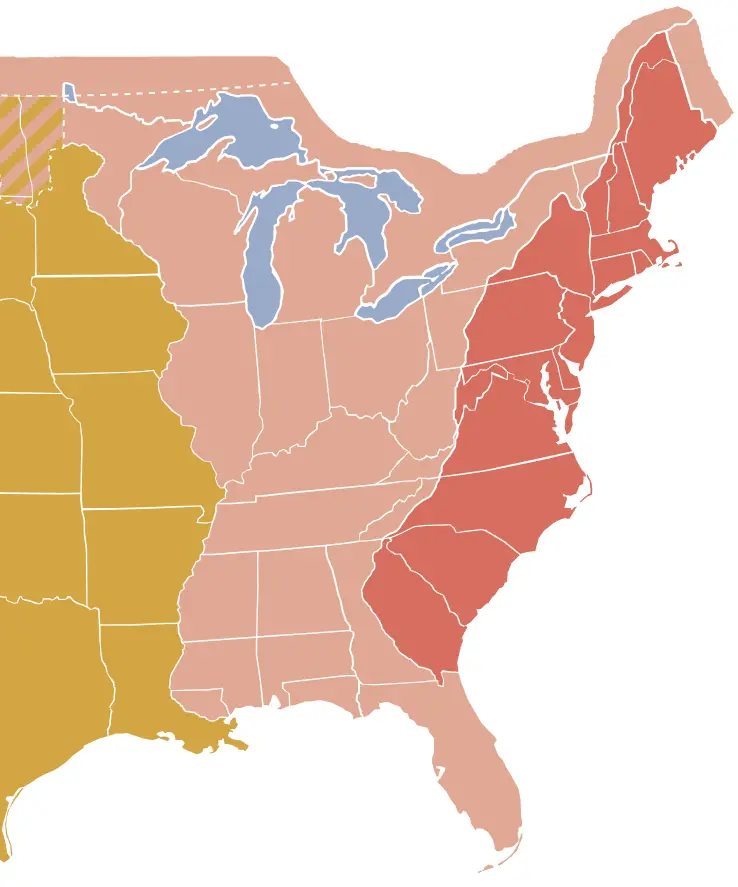
English Settlements at a Glance
- England built permanent colonies, not missions or trading posts.
- Jamestown was the first successful English colony.
- Plymouth was founded by Pilgrims seeking religious freedom.
- Colonists farmed, traded, and built towns.
- English settlements grew quickly and led to the Thirteen Colonies.
English Settlements
England built permanent settlements in North America during the 1600s. English settlers came to own land, find new opportunities, trade, and sometimes to gain religious freedom. Unlike the French or Spanish, the English built towns and farms that grew into long‑lasting colonies.
Jamestown
Jamestown was founded in 1607 in Virginia. It was the first successful English colony in North America. The early years were difficult as colonists faced disease, hunger, and conflict with Native peoples. Under the leadership of Captain John Smith, the colony improved. Later, tobacco farming made Jamestown profitable and helped it grow.
Plymouth
In 1620, the Pilgrims founded Plymouth in present‑day Massachusetts. They came seeking religious freedom. Before leaving their ship, they signed the Mayflower Compact, an agreement that showed self‑government and cooperation. With help from the Wampanoag people, the Pilgrims survived their first winter and built a stable community.
Life in the English Colonies
English settlers built farms, homes, and towns. They grew crops such as corn, wheat, and tobacco. They raised animals, traded goods, and built churches and meetinghouses. Over time, more settlers arrived, and the English colonies expanded along the Atlantic Coast.
Impact of English Settlements
English settlements grew quickly and eventually formed the Thirteen Colonies. Their arrival led to major changes for Native peoples, including loss of land, conflict, and the spread of European diseases. English laws, language, and customs shaped the culture of the region and influenced the future United States.
Word Match
Drag the vocabulary words to their correct definitions!
Vocabulary Words
Definitions
Lesson 10 — English Settlements Quiz
Activities & Extensions
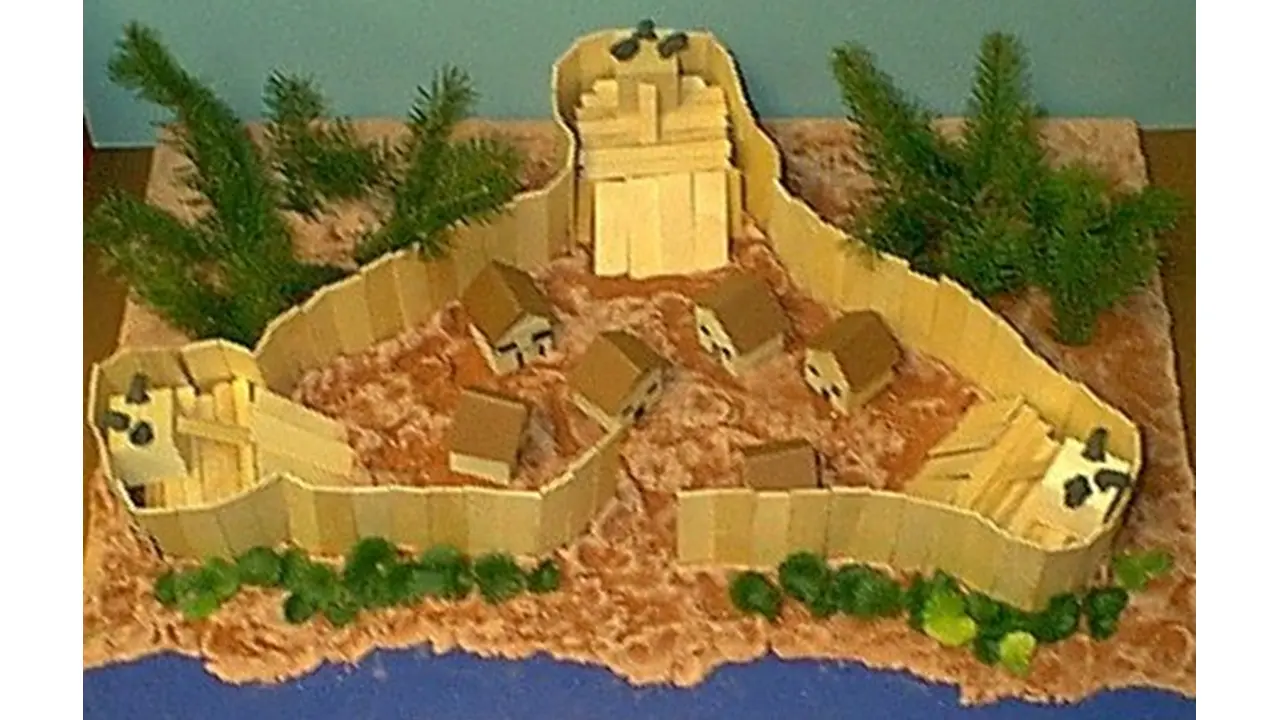
Students create a model of the Jamestown fort using simple craft materials. This hands-on activity helps students visualize how the English protected themselves and organized their settlement.
How to Do It: Students build the triangular fort walls using trimmed tongue depressors. Houses can be made from wooden blocks with construction paper roofs. Cannons may be shaped from small pieces of wood or salt dough. Students add greenery using real plant cuttings or craft moss to complete the scene.
Materials:
- Tongue depressors or craft sticks
- Wooden blocks
- Construction paper
- Salt dough or small wood scraps
- Glue
- Plant cuttings or craft greenery
Optional Extension: Students explain why the settlers built a triangular fort instead of a square one.
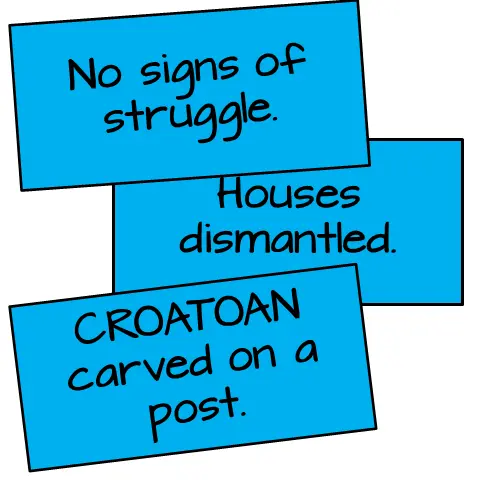
Students explore the mystery of the Lost Colony by reading short clue cards and forming their own theories. This activity encourages critical thinking and historical reasoning.
How to Do It: Create cards with clues such as “CROATOAN carved on a post,” “No signs of struggle,” “Houses dismantled,” and “Friendly relations with the Croatoan tribe.” Students sort clues into categories and propose a theory about what happened to the colonists.
Materials:
- Printed clue cards
- Envelopes or baskets (optional)
Optional Extension: Students write a paragraph defending their theory.

Students learn about the hardships of the Plymouth settlers by completing a survival-themed decision-making activity. This helps students understand the challenges of early colonial life.
How to Do It: Students receive a list of 12 items (corn seeds, blankets, tools, muskets, etc.) and must choose the 6 most important for surviving the first winter. After choosing, they compare their list to what the Pilgrims actually used.
Materials:
- Printed item list or cards
- Pencils
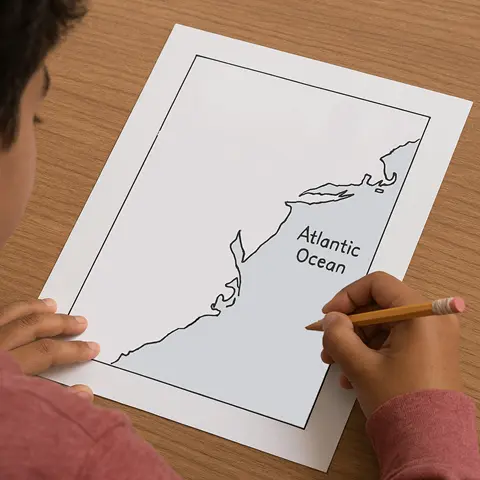
Students map the three major English settlements and label key geographic features. This activity reinforces the importance of location in the success or failure of early colonies.
How to Do It: Students locate and label Roanoke, Jamestown, and Plymouth on a blank map. They also label the Atlantic Ocean, Chesapeake Bay, and Cape Cod. Students may add symbols for each settlement such as a fort, ship, or corn.
Materials:
- Blank map
- Colored pencils
- Ruler
Early European Explorers Navigation
Explore the Full Early European Explorers Unit
This complete history unit includes research passages, organizers, writing tasks, quizzes, activities, and website research — all in printable and digital formats. Everything you need to teach Early European Explorers with confidence.
View the Full Unit on TPT