Before Columbus: Why Europeans Began to Explore
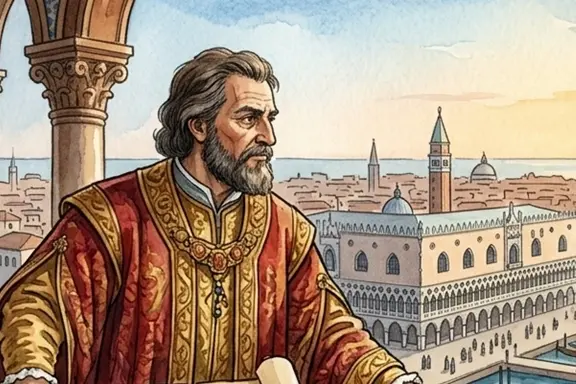
Fast Facts: Before Columbus
Before Columbus
- Time Period: 1100s–1400s
- Main Forces: Crusades, trade, new inventions
- Key Changes: Increased desire for Asian goods
- European Goal: Find a faster route to Asia
- Result: Age of Exploration begins
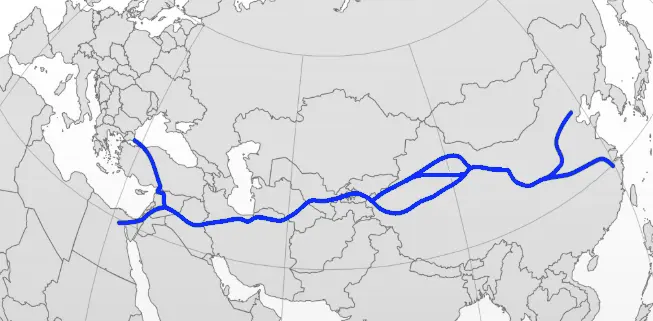
Before Columbus at a Glance
- The Crusades introduced Europeans to valuable goods from Asia.
- Marco Polo’s book increased interest in the riches of the Far East.
- New inventions made long sea voyages safer and more possible.
- Prince Henry encouraged exploration along the coast of Africa.
- European nations began racing to find a sea route to Asia.
Before Columbus
Long before Columbus set sail, Europe was changing. People wanted new goods, new ideas, and new ways to reach faraway places. Trade with Asia brought spices, silk, and precious goods that were difficult and expensive to obtain. European nations hoped to find faster and safer routes to Asia so they could grow wealthier and more powerful.
The Crusades
The Crusades were wars between European Christians and Muslims in the Middle East. When the Crusaders returned home, they brought back spices, silk, sugar, and other goods from Asia. Europeans wanted more of these items, and demand for Asian goods increased. This interest helped spark a desire for exploration and new trade routes.

Marco Polo
Marco Polo traveled to China in the late 1200s and wrote a book describing the riches, inventions, and cultures he saw there. His stories amazed Europeans and made them curious about Asia. Many explorers hoped to follow his path or find an even faster route to the same lands.
New Inventions
By the 1400s, new tools made exploring easier and safer. Sailors now had:
- compass – helped sailors know direction
- astrolabe – helped measure latitude
- better maps – showed coastlines more accurately
- faster ships called caravels – could sail farther and handle rough seas
These inventions allowed sailors to travel longer distances and explore areas that had once been too dangerous or unknown.

Prince Henry the Navigator
Prince Henry of Portugal started a school for sailors where experts taught navigation, mapmaking, and shipbuilding. His explorers traveled down the west coast of Africa looking for a sea route to Asia. Prince Henry’s support helped begin the Age of Exploration and encouraged other nations to join the race for new trade routes.
A Race Begins
European countries wanted to find a faster way to reach Asia. Some explorers tried sailing around Africa. Others believed they could reach Asia by sailing west across the Atlantic Ocean. Nations competed to discover new lands, claim territory, and control valuable trade.
This is where Christopher Columbus enters the story.
Word Match
Drag the vocabulary words to their correct definitions!
Vocabulary Words
Definitions
Lesson 1 — Before Columbus Quiz
Activities & Extensions

Students create a textured artwork using real spices to explore why Europeans valued goods from Asia. This hands-on project connects directly to the Crusades and the growing desire for spices such as cinnamon, cloves, pepper, and nutmeg.
How to Do It: Students sketch a simple design on paper, spread glue on one section at a time, and sprinkle a spice over the glue. After shaking off the excess, they repeat the process with different spices until the entire picture is filled with color and texture.
Materials:
- Paper
- Pencil
- White glue
- Assorted spices (cinnamon, paprika, turmeric, cloves, etc.)
Optional Extension: Students write a short paragraph explaining why spices were so valuable to Europeans and how the desire for these goods encouraged exploration.

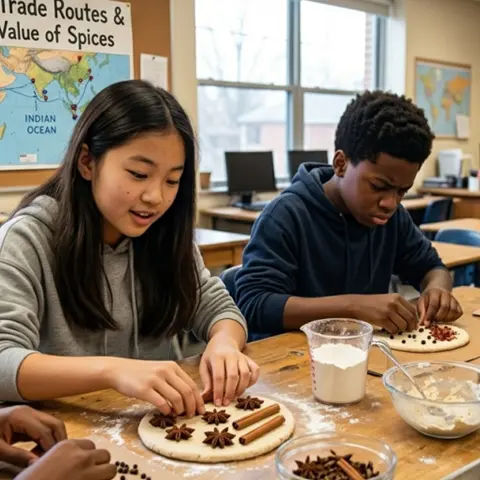
Students make small charms using salt dough and spices to simulate the types of goods traded along early trade routes. This activity reinforces the idea that spices were precious, portable, and highly desired.
How to Do It: Mix 2 cups flour, 1 cup salt, and ¾ cup warm water to form a dough. Students shape a small ball, flatten it into a coin shape, and press spices into the surface to create patterns. Let the charms air-dry overnight or bake at 350°F for 10–15 minutes to speed up the process.
Materials:
- Flour, salt, warm water
- Assorted spices
- Baking sheet (optional)
Optional Extension: Students label their charm with the spice used and research where that spice originally came from.
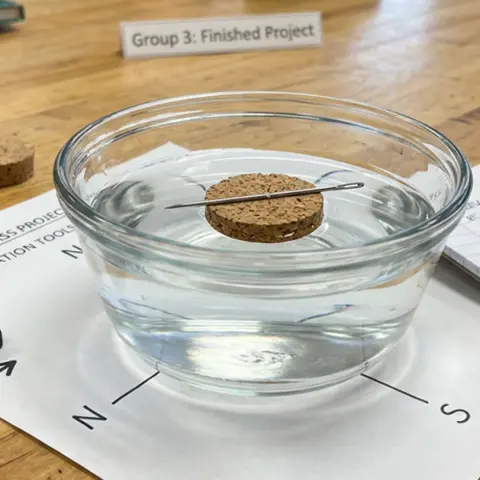
Students explore early navigation by creating a simple compass. This activity helps them understand why tools like the compass were essential for long sea voyages.
How to Do It: Magnetize a sewing needle by sliding a magnet along it in the same direction 20 times. Float the needle on a small piece of cork or foam in a bowl of water. The needle will slowly rotate until it points north–south.
Materials:
- Magnet
- Sewing needle
- Cork or foam
- Bowl of water
Optional Extension: Students test the compass in different locations around the classroom and record whether the needle always points the same direction.
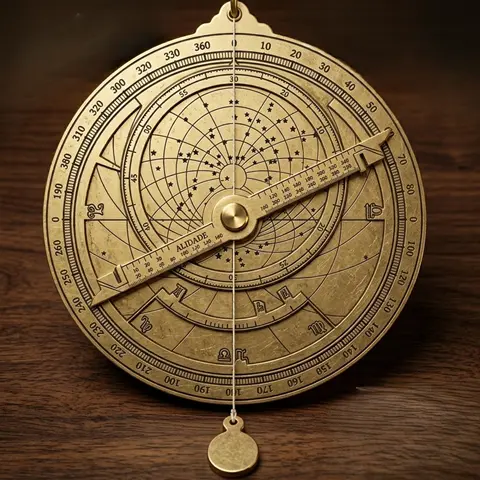
Students build a paper astrolabe to understand how sailors used the stars to navigate before modern tools. This activity introduces early navigation skills in a hands-on way.
How to Do It: Students cut out a circular astrolabe template, attach a rotating pointer with a brass fastener, and use a string with a small weight to measure angles. They practice “taking a reading” by measuring the angle of a classroom object placed high on a wall.
Materials:
- printed astrolabe template
- Brass fastener
- String and small weight (paperclip, bead, etc.)
- Scissors
Optional Extension: Students compare the astrolabe to modern navigation tools and write a short explanation of how navigation has changed over time.
Early European Explorers Navigation
Explore the Full Early European Explorers Unit
This complete history unit includes research passages, organizers, writing tasks, quizzes, activities, and website research — all in printable and digital formats. Everything you need to teach Early European Explorers with confidence.
View the Full Unit on TPT