
Every year, April 1st rolls around with plenty of giggles and good-natured trickery. But did you know that April Fools’ Day has a long (and mysterious!) history of hoaxes that fooled entire nations? This April, bring that silliness into your classroom with a reading and writing project that’s equal parts history, humor, and creativity!
Your students will love reading about famous April Fools’ Day pranks, and then writing about one of their own!
A Quick Look at April Fools’ Day History
People have been pulling pranks on April 1 for centuries. No one knows exactly when April Fools’ Day began, but historians have a few theories. Many historians think April Fools’ Day dates back to 1582, when France switched from the Julian calendar to the Gregorian calendar. Some folks missed the memo and kept celebrating New Year’s Day around April 1, becoming the “April fools.”
Others believe it began much earlier with the Ancient Romans, who loved springtime festivals full of laughter and tricks. No matter where it began, one thing’s for sure, people have been finding ways to laugh at each other’s expense (in good fun!) for a very long time.
Lesson Handout
The handout for this blog post is available in the Spring Vault. It includes printables and instructions for all activities listed in this post.
To access this handout and other spring-themed resources, click the button below. Sign up using your email, and we’ll send you the username and password immediately.
Famous April Fools’ Day Hoaxes
These examples are not just funny, they’re fantastic tools for teaching media literacy, persuasive writing, and critical thinking.
🦁 The Washing of the Lions (1698)
A leaflet advertised that the lions at the Tower of London would be given their annual bath on April 1. Crowds assembled expecting to witness the spectacle only to find no event.
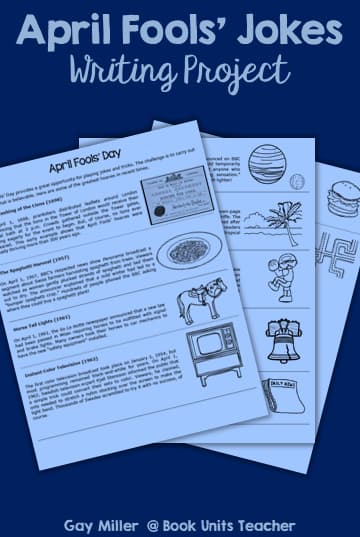
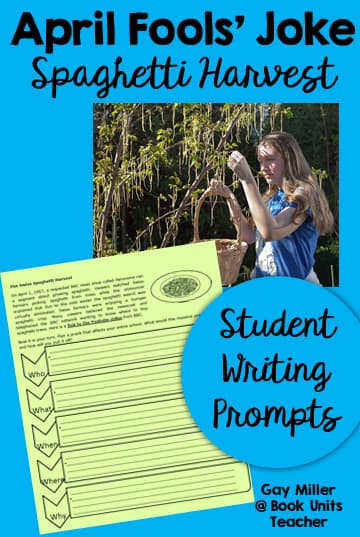
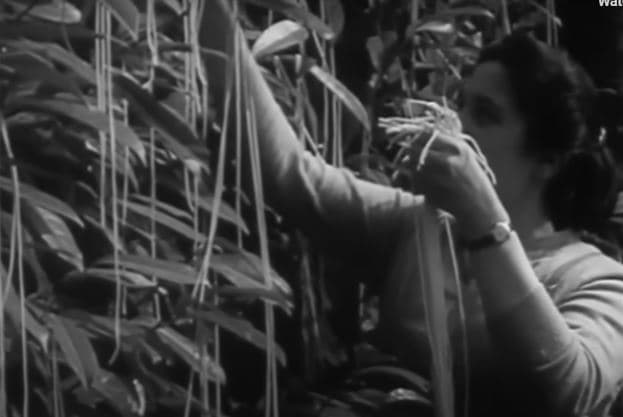
🍝 The Spaghetti Harvest (1957)
BBC’s Panorama aired a segment showing Swiss farmers harvesting spaghetti from trees. Viewers called the station asking where they could buy a spaghetti plant!
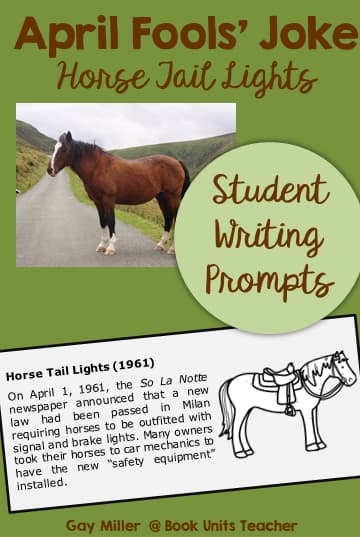
🐴 Horse Tail Lights (1961)
A Milan newspaper announced that horses now had to be equipped with turn signals and brake lights. People actually took their horses to mechanics!
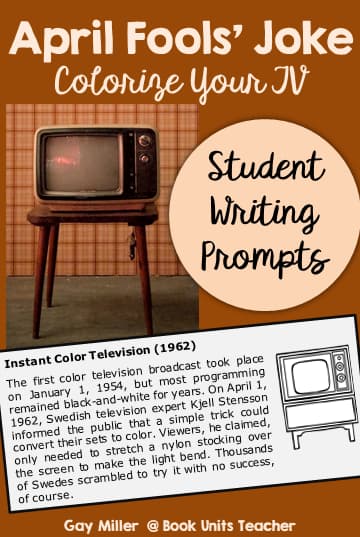
📺 Colorize Your TV (1962)
A Swedish television expert told viewers that placing a nylon stocking over their TV screen would make black-and-white broadcasts appear in color. Thousands of people tried it!
🪐 The Jovian-Plutonian Effect (1976)
A radio astronomer claimed on a broadcast that due to an alignment of Pluto and Jupiter, Earth’s gravity would temporarily lessen, causing people to float at a specific time. Many listeners believed it.
🏝️ The Islands of San Serriffe (1977)
A British newspaper published a travel feature about the fictional “Islands of San Serriffe,” with playful names for their locations (like Upper Caisse and Lower Caisse). Many readers believed it.
Teaching Idea: Spot the Fake!
Show students 2–3 short “articles” or video clips, including one real and one fake. You can use snippets from these historical hoaxes.
Have students:
- Identify clues that something is off (tone, missing evidence, exaggerated details).
- Discuss how the hoax spread and why people believed it.
- Then, challenge them to create a short script or article for their own fictional broadcast hoax, including invented quotes and fake “scientific” explanations.
- This is a great media-literacy and creative-writing crossover!
Advertising & Marketing Hoaxes
When big brands get in on the fun, even serious customers fall for it!
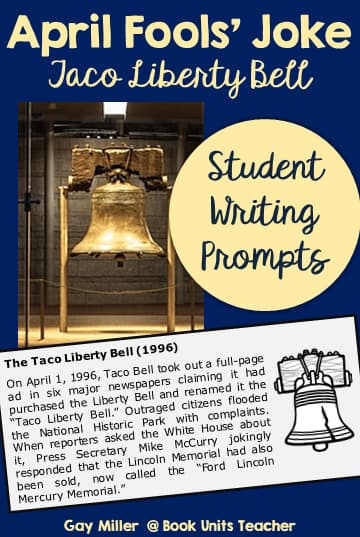
🔔 Taco Liberty Bell (1996)
Taco Bell announced they had purchased the Liberty Bell and renamed it the Taco Liberty Bell. Outraged citizens called the National Park Service, and even the White House got involved before everyone realized it was a joke.
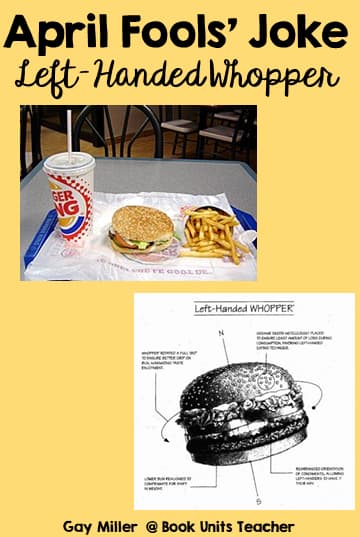
🍔 Left-Handed Whopper (1998)
Burger King advertised a Whopper made just for lefties with the condiments rotated 180 degrees. Thousands believed it before the company confessed it was a prank.
💡 Teaching Idea: Advertising Tricks and Tall Tales
Have students design their own fake ad campaign for a silly product or rebranding idea.
Steps:
- Brainstorm the product (e.g., “Homework-Proof Pencils,” “Invisible Socks”).
- Create an ad poster or digital slide that uses persuasive language, slogans, and mock testimonials.
- Write a short press release “announcing” the product.
- Wrap up by discussing what makes advertising convincing and how real ads sometimes stretch the truth.
Print & Pop Culture Hoaxes
From comic strips to sports stories, these hoaxes blurred the line between art and reality.
⚾ The Curious Case of Sidd Finch (1985)
The magazine Sports Illustrated published an article about a rookie pitcher who could throw at 168 mph and had trained in Tibet. It was revealed to be an April Fools’ joke.
🎨 Comic Book Switcheroo (1997)
Forty-six comic strip artists swapped comics for the day! Garfield appeared in Blondie, and Snoopy popped up in Family Circus, and chaos ensued.
😃Google Maps Pac‑Man Hoax (2015)
The tech company Google announced that users could play the classic arcade game Pac-Man on real city streets within Google Maps. It was a playful April Fools’ announcement.
💡 Teaching Idea: Creative Crossovers
Challenge students to swap worlds or characters just like the comic artists did!
Options:
- Write a short story where two book characters trade places.
- Create a “news feature” about a made-up superstar in a favorite hobby or sport.
- Illustrate a one-panel comic where two mismatched characters meet (e.g., Percy Jackson visits Hogwarts).
- This category builds narrative creativity, parody skills, and an appreciation of tone.
April Fools’ Day gives students the perfect excuse to be silly while practicing writing, critical thinking, and creativity. By studying real historical hoaxes, they’ll learn how believable writing and a good sense of humo can go hand in hand.
You can grab the April Fools’ Day Hoax Handout and Writing Organizer by clicking the button below. Your students will be laughing, learning, and writing all at once!
