Algonquian and Great Lakes Nations
Algonquian (al-GON-kee-un) is not one tribe. It is a language family, a group of related languages, like Spanish, French, and Italian. Dozens of nations speak Algonquian languages, from the Atlantic coast to the Great Lakes and far into Canada. Some of them, like the Powhatan and the Wampanoag, were among the first Native nations to meet English colonists.
Algonquian Nations at a Glance
Algonquian and Great Lakes Nations
- Region: Eastern Woodlands (Northeast and Great Lakes); the Cree also live in the Subarctic
- Some nations: Wampanoag, Powhatan, Lenape (Delaware), Massachusett, Ojibwe, Odawa, Potawatomi, Sauk, Shawnee, Cree
- Homes: Wigwams
- Food: Corn, beans, and squash; deer; fish and shellfish; wild rice; maple sugar
- Language: Algonquian language family

Key Facts
- Algonquian is a family of languages, not one tribe.
- The Powhatan met the English at Jamestown in 1607.
- The Wampanoag met the Pilgrims at Plymouth in 1620.
- Ojibwe families harvest wild rice from canoes.
- English words like moose, skunk, raccoon, and moccasin come from Algonquian languages.
Tap or hover over the card to flip it. Students can copy this information into their lapbook organizers before reading.
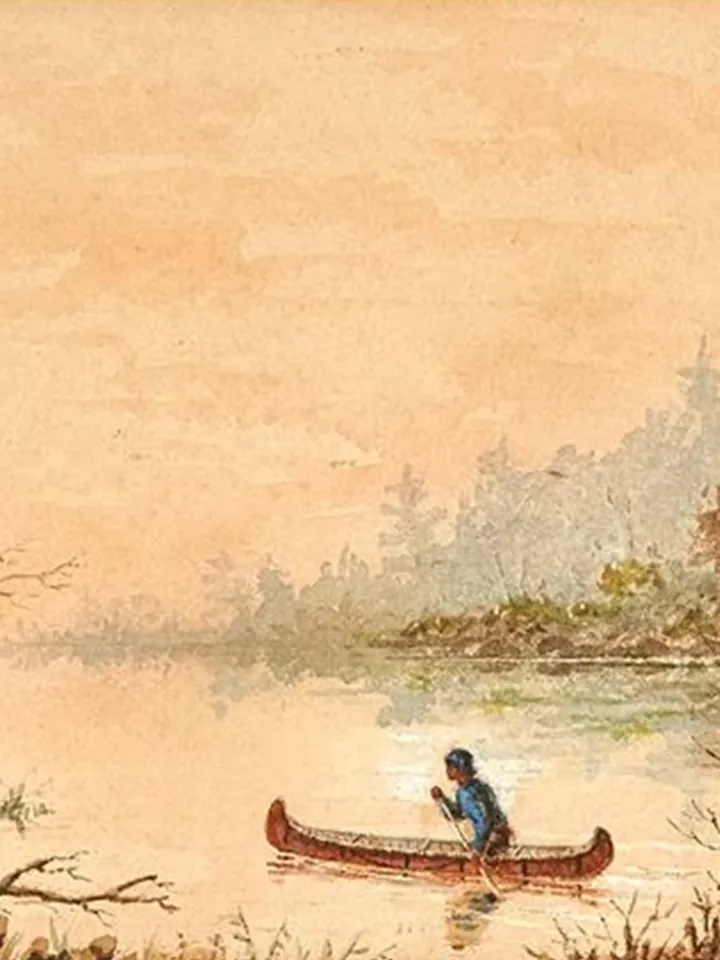
Look Closely: This painting by Edward Scrope Shrapnel, an English-born artist who worked in Canada in the late 1800s, shows a birchbark canoe on a misty lake. Notice how small the canoe and paddler are. Many artists of that time painted Native people as tiny figures in big, empty landscapes, as if they were fading into the past. What do you think this painter wanted you to notice: the person or the land? Native people were still building and paddling canoes when this was painted, and they still do today. Does the painting show that?
Where They Lived Map
Algonquian-speaking nations lived across a huge area. Along the Atlantic coast, from Canada to North Carolina, lived nations such as the Mi'kmaq, Wampanoag, Massachusett, Lenape (Delaware), and Powhatan. Around the Great Lakes lived the Ojibwe (also called Chippewa), Odawa (Ottawa), Potawatomi, Menominee, Sauk, and Meskwaki (Fox). The Shawnee lived in the Ohio River Valley. The Cree lived far to the north, in the forests of Canada.
Coastal nations lived near beaches, marshes, and bays. Inland nations lived among thick forests, lakes, and rivers. Winters were cold and snowy, especially around the Great Lakes.
Homes Homes
Most Algonquian families lived in wigwams (the Wampanoag word is wetu). To build one, people bent young trees (saplings) into a dome-shaped frame and tied them together. They covered the frame with sheets of birch or elm bark or with mats woven from cattails and reeds. A fire burned in the center, and smoke went out through a hole in the roof. Mats and furs covered the sleeping platforms.
Some nations, like the Lenape, also built larger bark longhouses for several families. Many villages were surrounded by a fence of tall posts called a palisade. Families often moved with the seasons: to the coast or a lake in summer to fish and farm, and inland in winter to hunt.
Clothing Clothing
Clothing was made mostly from deer and elk hides. Men wore breechcloths and leggings, and women wore wraparound skirts or dresses. Everyone wore moccasins. In winter, people wore robes made of fur, and some coastal nations made warm mantles from turkey feathers.
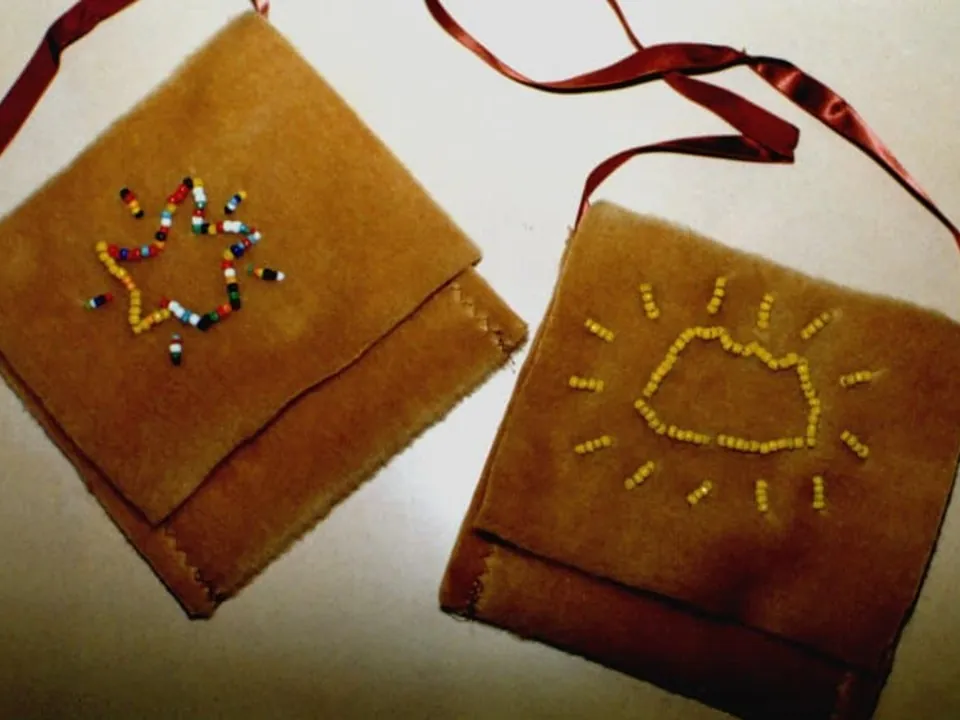
Clothing was decorated with shell beads, paint, and dyed porcupine quills. After European traders brought glass beads, Great Lakes artists became famous for floral beadwork: flowers, leaves, and vines stitched onto bags, moccasins, and clothing.
Food Foods
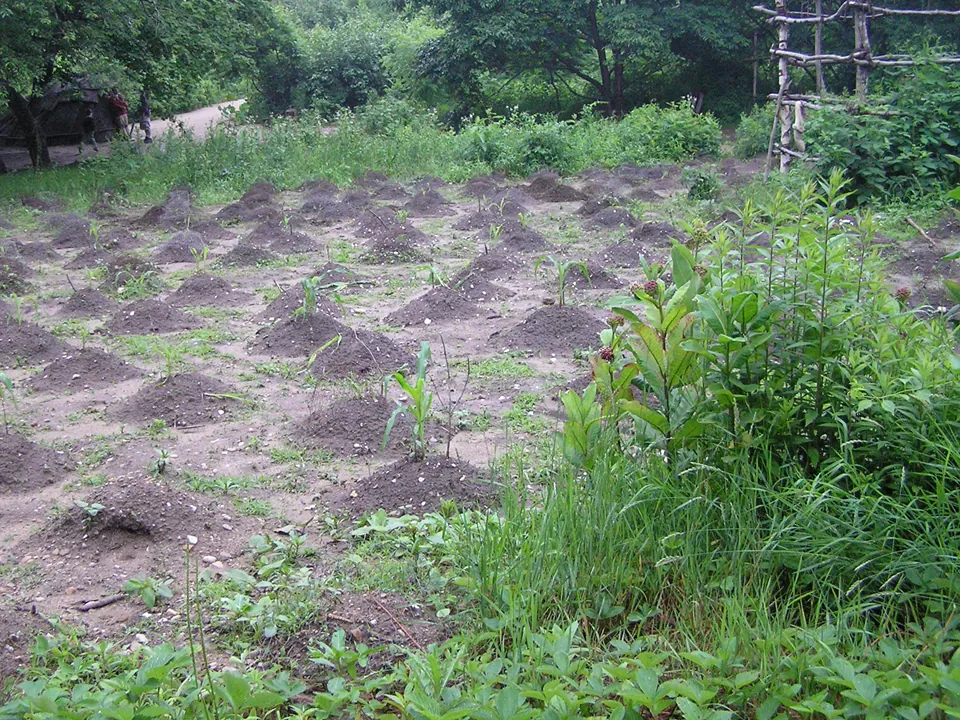
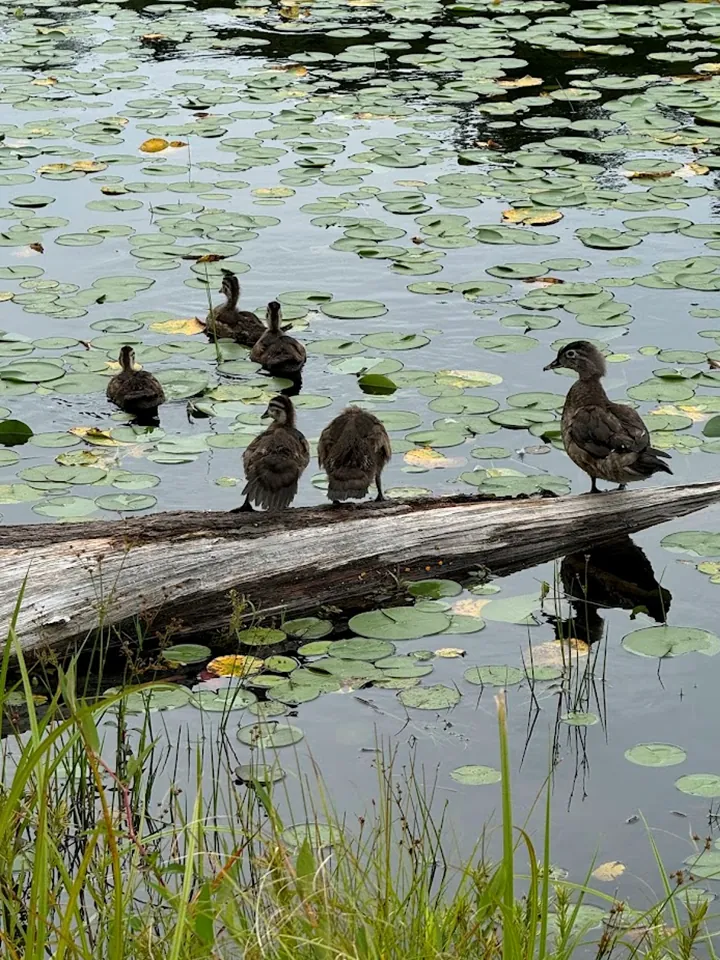
Most Algonquian nations were both farmers and hunters. Women planted corn, beans, and squash together in small hills. The Wampanoag and Powhatan grew large fields of corn. Men hunted deer, moose, bear, beaver, and ducks, and they fished with spears, nets, and traps.
Coastal nations gathered clams, oysters, mussels, and lobsters. In early spring, Great Lakes families tapped maple trees and boiled the sap into maple sugar. In late summer, Ojibwe and Menominee families paddled canoes into lake marshes to harvest wild rice. One person pushed the canoe with a pole while another bent the stalks over the canoe and tapped them with sticks so the grains fell in. The Ojibwe call wild rice manoomin, and they still harvest it the same way.
Customs and Beliefs Villages Book
Algonquian nations held gatherings with feasts, dancing, singing, games, and trading. The English word powwow comes from an Algonquian word. Today a powwow is a gathering where Native people from many nations dance, sing, and celebrate, and many powwows welcome visitors.
Algonquian nations have many traditional games. In snowsnake, a game also played by the Haudenosaunee, players slide a long, polished stick down a packed track of snow to see whose goes farthest. The Lenape played a game of chance with painted bones or beans tossed in a bowl.
Dreamcatchers come from the Ojibwe. In Ojibwe tradition, a dreamcatcher hung over a baby's cradleboard to catch bad dreams. Today millions of dreamcatchers are made in factories. Many Ojibwe people ask buyers to choose ones made by Native artists.
Tools and Travel
In the north, people built birchbark canoes. Builders sewed sheets of birch bark over a cedar frame with spruce roots and sealed the seams with pitch from spruce or pine trees. A birchbark canoe was strong but light enough for one person to carry between lakes. Farther south, where big birch trees were scarce, coastal nations like the Powhatan and Wampanoag made dugout canoes by burning and scraping out a large log.
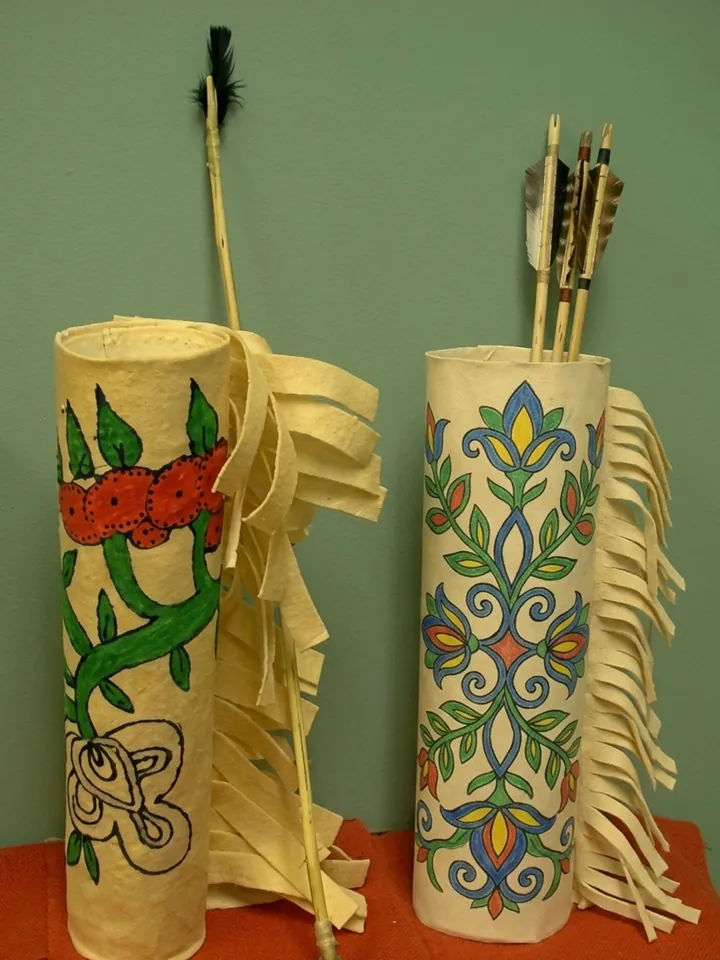
Men made bows, arrows, and quivers, fish spears, and traps. Women wove fishnets, mats, and bags and made containers of bark. In winter, people traveled on snowshoes and pulled loads on toboggans.

Art Art
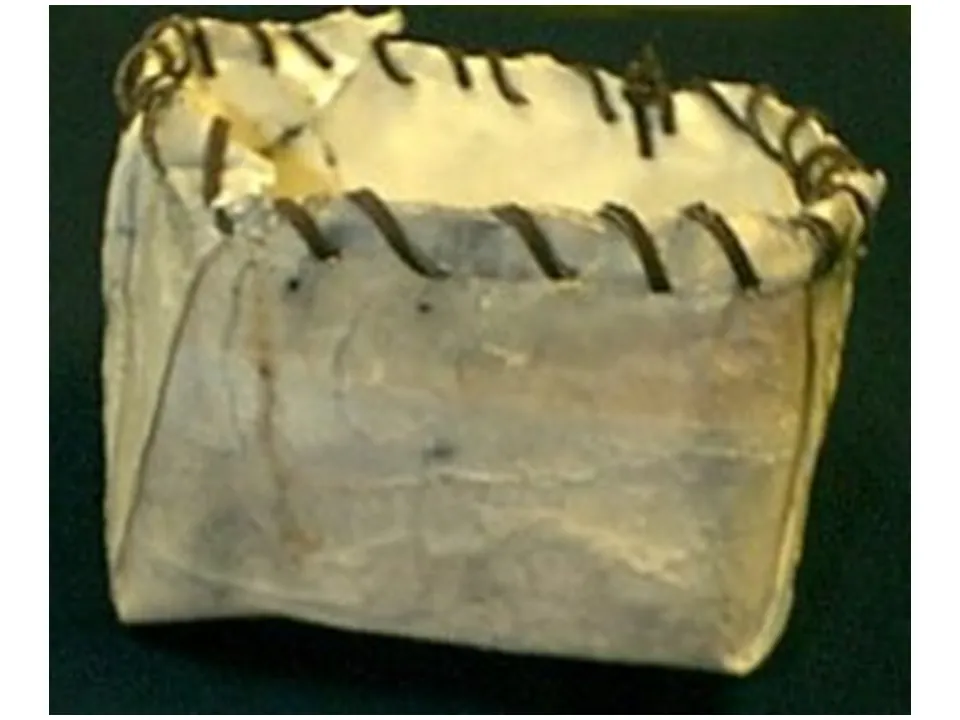
Birch bark was used to make containers of every size for gathering berries, storing food, carrying water, and even cooking. Bark pieces were sewn together with spruce roots or strips of basswood bark. Some Ojibwe artists make birchbark bitings: they fold a thin sheet of bark and bite designs into it with their teeth, creating a pattern that appears when the sheet is unfolded.
Coastal nations made wampum, small purple and white beads cut from quahog clam and whelk shells. Wampum was woven into belts that recorded important agreements and was traded far inland. Later, colonists used wampum as money.
Meeting the Colonists
Algonquian nations were often the first to meet European settlers. In 1607, the English built Jamestown inside the lands of the Powhatan, led by Chief Powhatan, the father of Pocahontas. In 1620, the Pilgrims settled at Plymouth, the site of the Patuxet village where Tisquantum (Squanto) had grown up. The Wampanoag leader Ousamequin (Massasoit) made an alliance with the Pilgrims.
Diseases brought by Europeans, such as smallpox, killed huge numbers of Native people, and colonists kept taking more land. Later, Algonquian leaders such as Pontiac (Odawa), Tecumseh (Shawnee), and Black Hawk (Sauk) fought to protect their homelands.
Algonquian Nations Today
Algonquian nations live across the United States and Canada. The Ojibwe (Anishinaabe) are one of the largest Native nations in North America. The Mashpee Wampanoag and Wampanoag of Gay Head (Aquinnah) live in Massachusetts, the Pamunkey and other Powhatan nations live in Virginia, and the Delaware Tribe and Delaware Nation are in Oklahoma.
Many nations are bringing their languages back. The Wampanoag language had no fluent speakers for more than 100 years, until the Wôpanâak Language Reclamation Project began teaching it again in the 1990s.
Activities
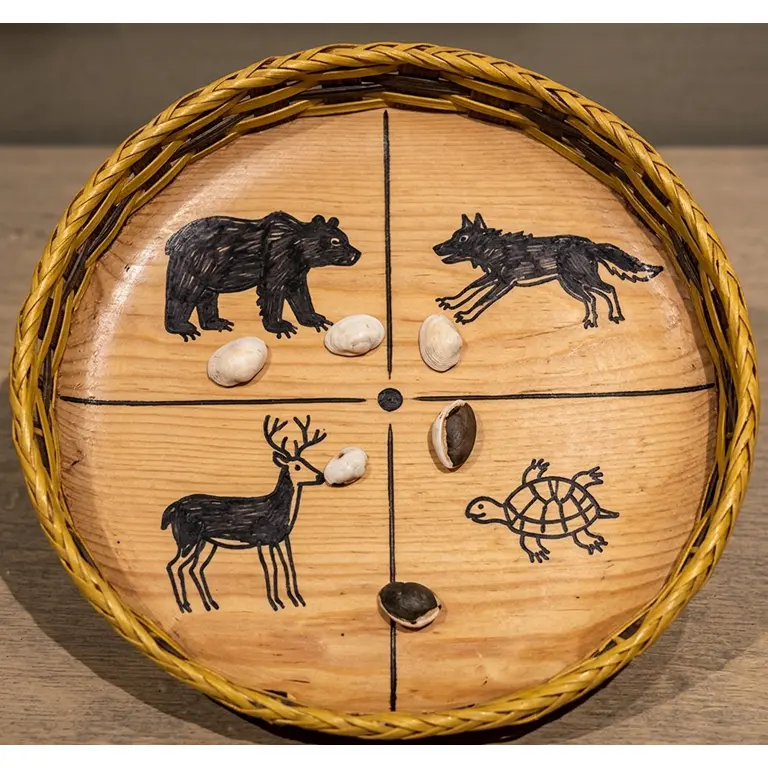
The Lenape Deer Button Game
Toss seven painted beans, trade corn, and keep a tally chart. Then discover the probability behind this traditional game.
For teachers: Online version plus directions for making a classroom set from beans and a bowl. Math connection: tally charts and probability. Works for partners or small groups.
Start the ActivityFamous People Connected to This Page
Word Match
Drag each word to its definition, or tap a word and then tap its definition.