Pocahontas and the Powhatan

Focus: The Powhatan People
Students can copy this information into their Colonial America organizer before beginning the lesson.
Pocahontas and Her People
Pocahontas was a member of the Powhatan people, one of many Algonquian-speaking tribes living in the Chesapeake Bay region. Her father, Chief Powhatan, led more than 30 tribes in the area long before the English arrived.
John Smith’s Capture
When Captain John Smith was captured by Powhatan’s warriors, he was brought to the chief’s village, where a feast was held. According to Smith’s later writings, warriors then prepared to kill him with stone clubs. Pocahontas stepped forward and asked her father to spare Smith’s life. In her culture, a woman could ask for a prisoner to be given to her. Afterward, Powhatan said Smith would be like a son to him and gave him the name Nantaquoud. Whether this was a true rescue or part of a Powhatan ceremony, the event helped create peace between the English and the Powhatan.
Helping the Settlers
For a time, Pocahontas visited Jamestown often. She brought food to the starving settlers and helped them survive their early years. In return, the English traded copper, beads, and other goods, though Powhatan wanted muskets (guns) instead. In 1608, the English even crowned Powhatan in a ceremony and gave him gifts, including a copper crown. Still, tension grew as both sides struggled to trust one another.
Warning of Danger
According to Smith, Pocahontas later warned him that her father planned an attack. Soon after, Smith returned to England after being injured in a gunpowder accident. Without him, Jamestown suffered through the terrible “Starving Time.” That winter, Powhatan’s warriors surrounded the fort, and the settlers could not leave to find food. Only about 60 settlers survived.
Kidnapping and Captivity
In 1613, Pocahontas was staying with another tribe along the Potomac River. Captain Samuel Argall, an English ship captain, gave a copper kettle to a local leader who helped trick her onto his ship. The English hoped Powhatan would return prisoners and stolen weapons in exchange for her. Although he sent food and some captives, he refused to give up the guns, and Pocahontas remained with the English.
Marriage and Peace
During her captivity, Pocahontas learned English customs and met John Rolfe, a tobacco farmer. The two married in April 1614, bringing eight years of peace between the Powhatan and the settlers.
Journey to England
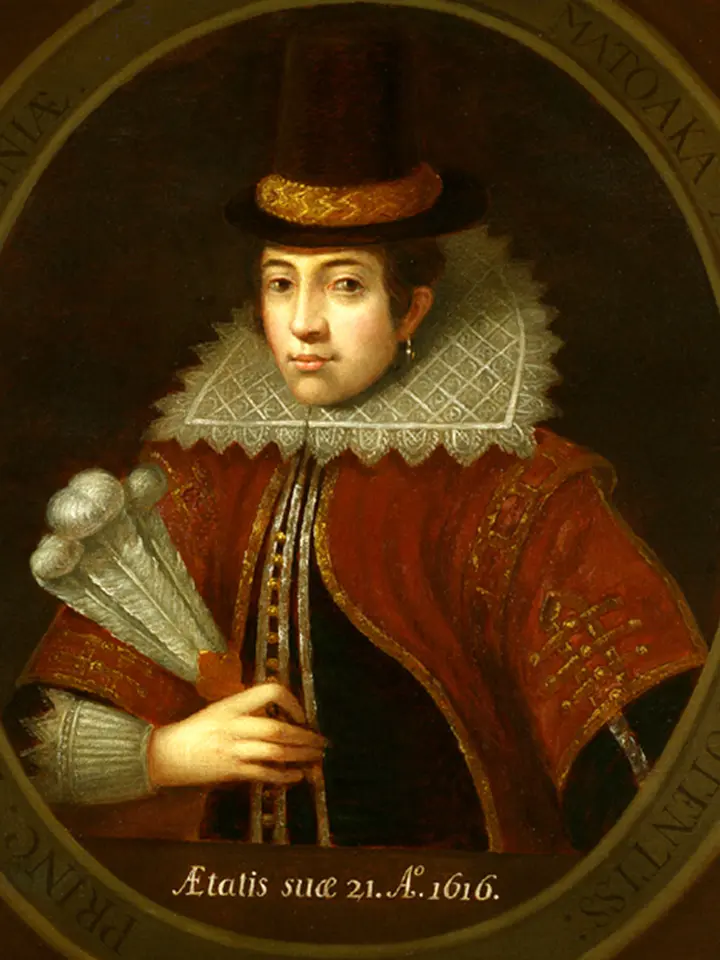
In 1616, Pocahontas, John Rolfe, and their young son, Thomas, sailed to England, where the Virginia Company introduced her to English society. She even met King James. In 1617, as her ship started home, she became very ill and died at Gravesend, England, at about age 22. John Rolfe returned to Virginia. Thomas stayed in England and later came to Virginia as a young man. Her story remains one of the most well-known in early American history, showing both cooperation and conflict between Native peoples and English settlers.
Word Match
Drag each word to its definition, or tap a word and then tap its definition.
Vocabulary Words
Definitions
Pocahontas and the Powhatan Quiz
Activities & Extensions
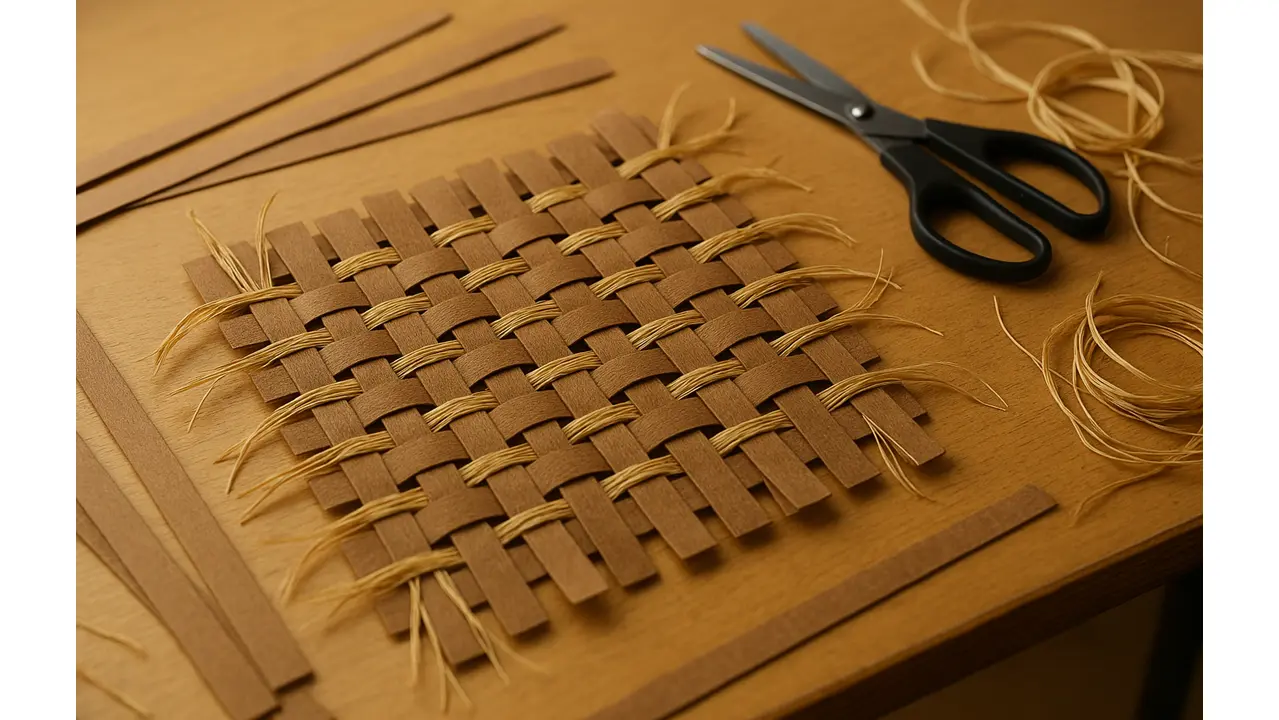
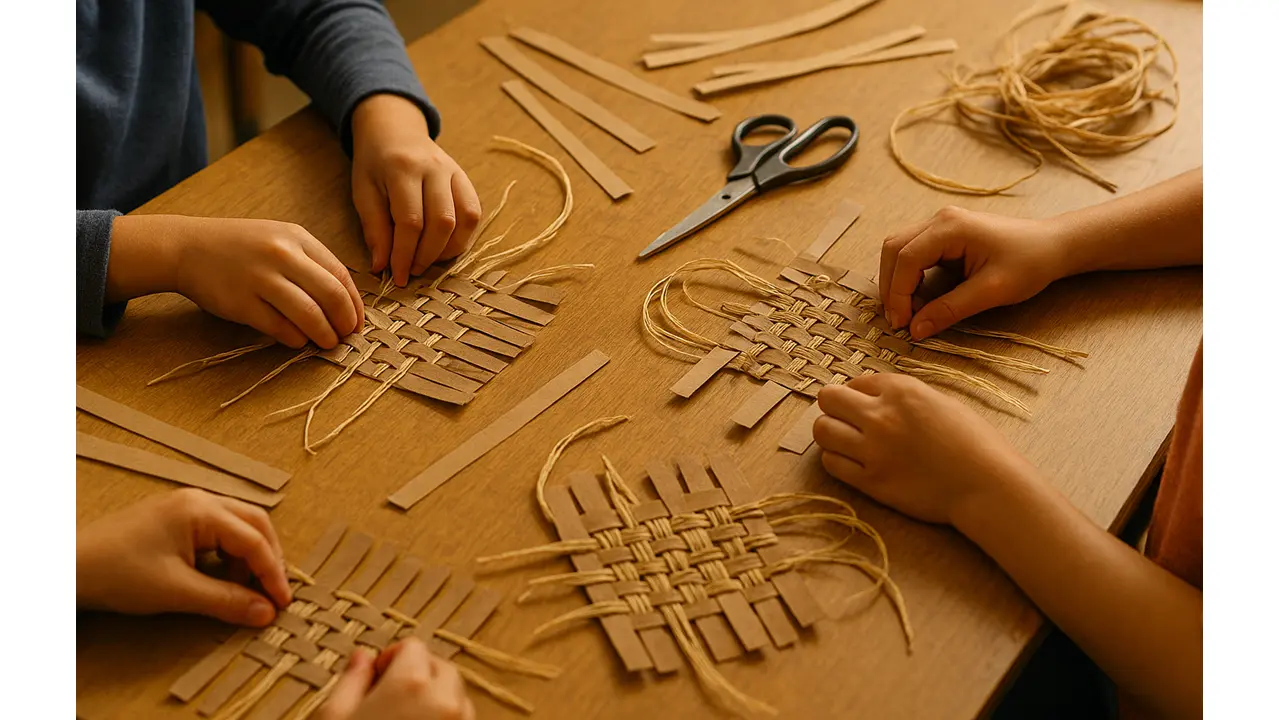
Students create a small woven mat inspired by Powhatan weaving traditions. These mats were used for bedding, wall coverings, and everyday household needs.
Materials:
- Brown construction paper cut into strips
- Raffia or yarn
- Scissors
- Tape or glue (optional)
Directions:
- Cut a rectangle of brown paper and fold it in half.
- Cut slits across the folded paper, stopping before the edge.
- Weave paper strips over and under through the slits.
- Add raffia or yarn to mimic natural fibers used by the Powhatan.
- Trim edges or secure loose ends as needed.
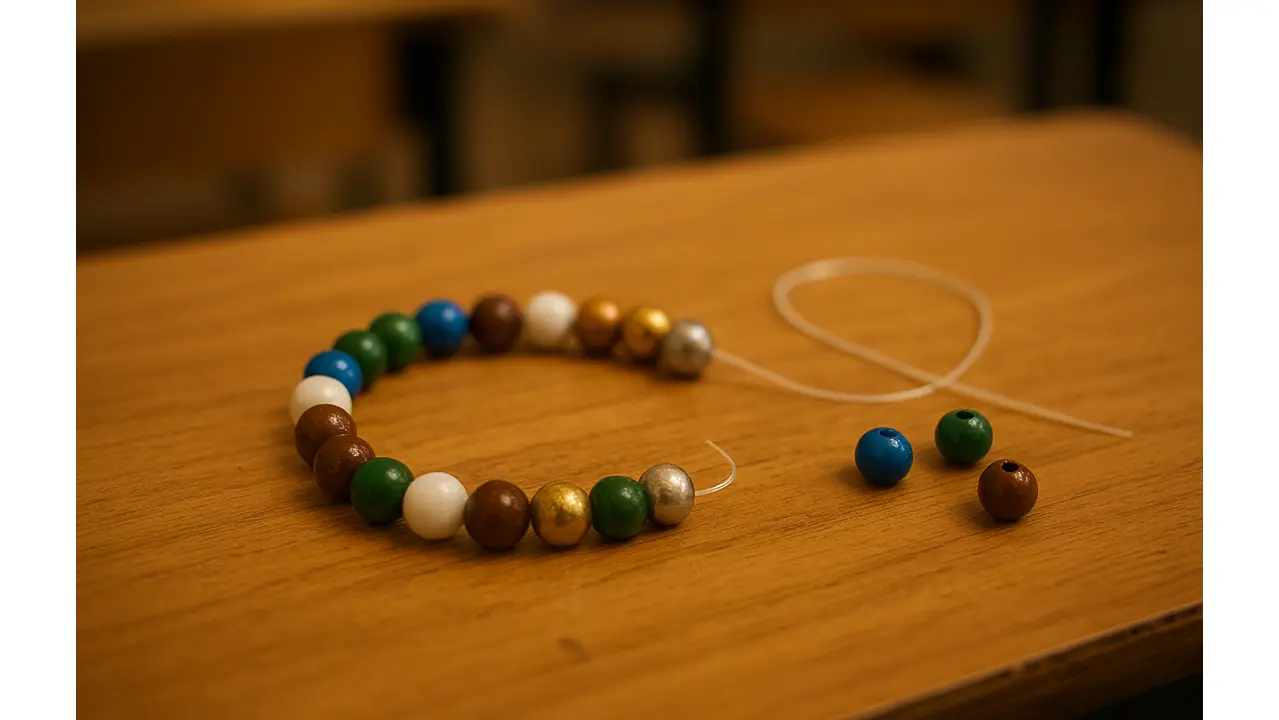
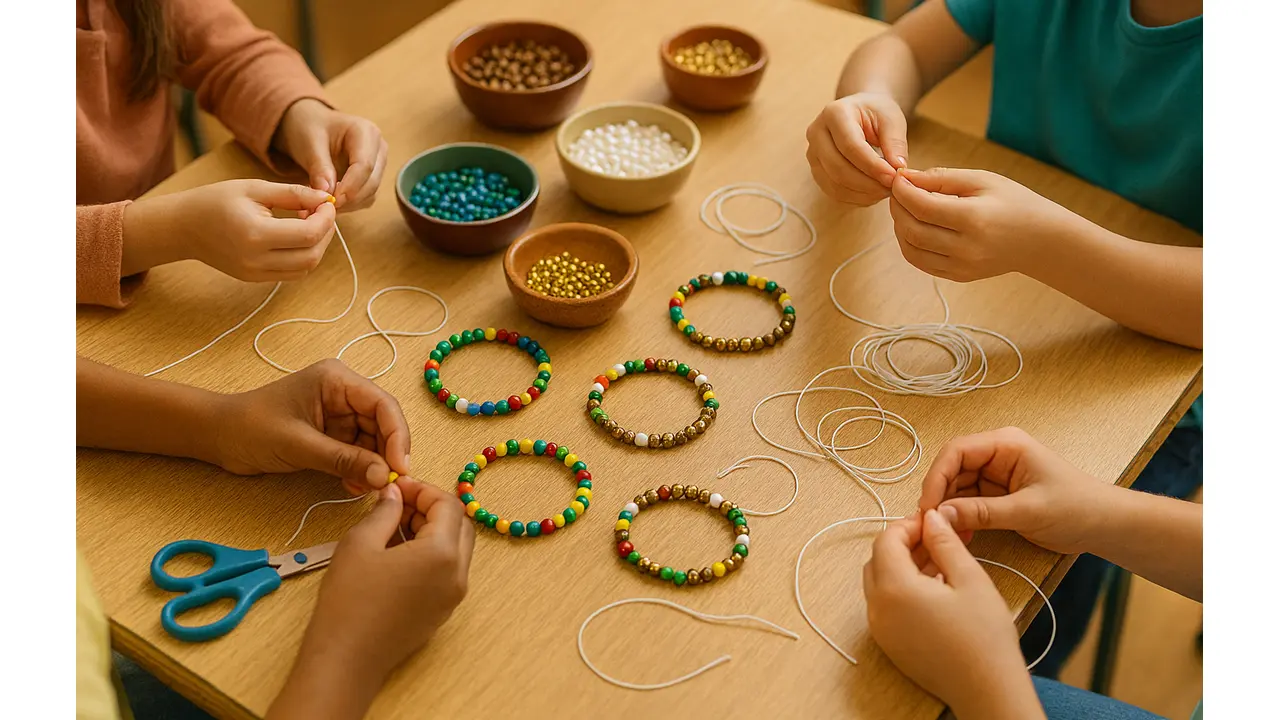
Students create a beaded bracelet where each bead color represents an important event in Pocahontas’s life. This activity reinforces sequencing and comprehension while giving students a meaningful keepsake.
Materials:
- Elastic cord
- Colored beads: green, blue, white, brown, gold, silver
- Scissors
Bead Meanings:
- Green – Powhatan homeland
- Blue – John Smith captured
- White – Pocahontas brings peace
- Brown – The Starving Time
- Gold – Marriage to John Rolfe
- Silver – Journey to England
Directions:
- Cut a piece of elastic cord long enough to fit around the wrist.
- String the beads in order, following the story sequence.
- Tie the ends securely and trim excess cord.
- Have students retell the story using their bracelets.
Colonial America Navigation
Native Americans Unit
Explore the Full 13 Colonies Unit

This complete history unit includes research passages, organizers, writing tasks, quizzes, activities, and website research — all in printable and digital formats. Everything you need to teach the 13 Colonies with confidence.
View the Full Unit on TPT