Colonial America Why Did the English Come to America?
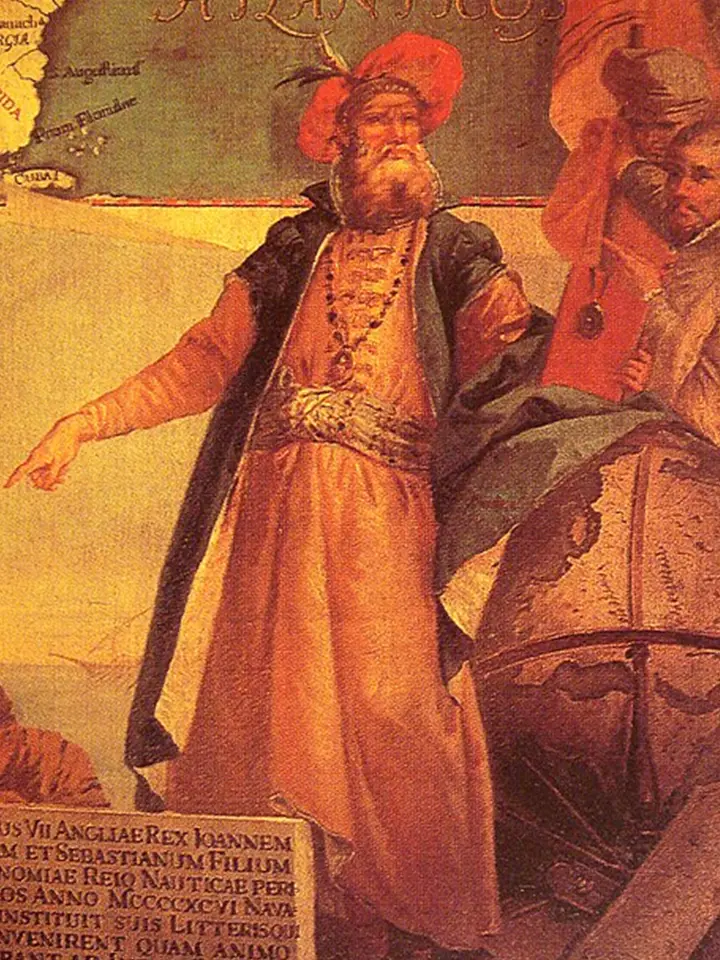
In 1497, John Cabot became the first explorer sailing for England to reach North America. He was searching for a faster way to reach the Indies by sailing west. England later used his voyage to claim land along the East Coast.
Many of the first English sailors who came to the New World were traders. However, Spain did not want other countries trading in the Americas. Spain wanted to control all trade in the New World.
Sir Francis Drake, an English sea captain, traded with Spanish colonies. When the Spanish attacked and sank his ship, Drake returned to England, gathered a new crew, and began raiding Spanish treasure ships and settlements.
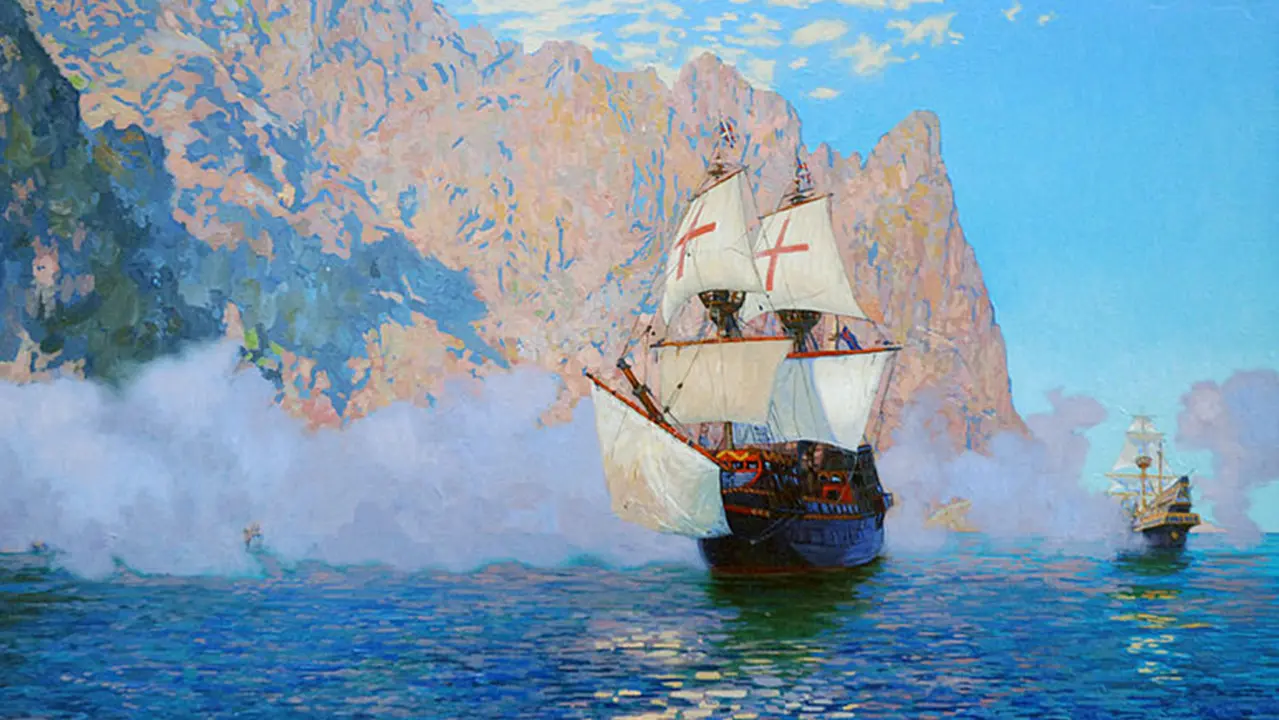
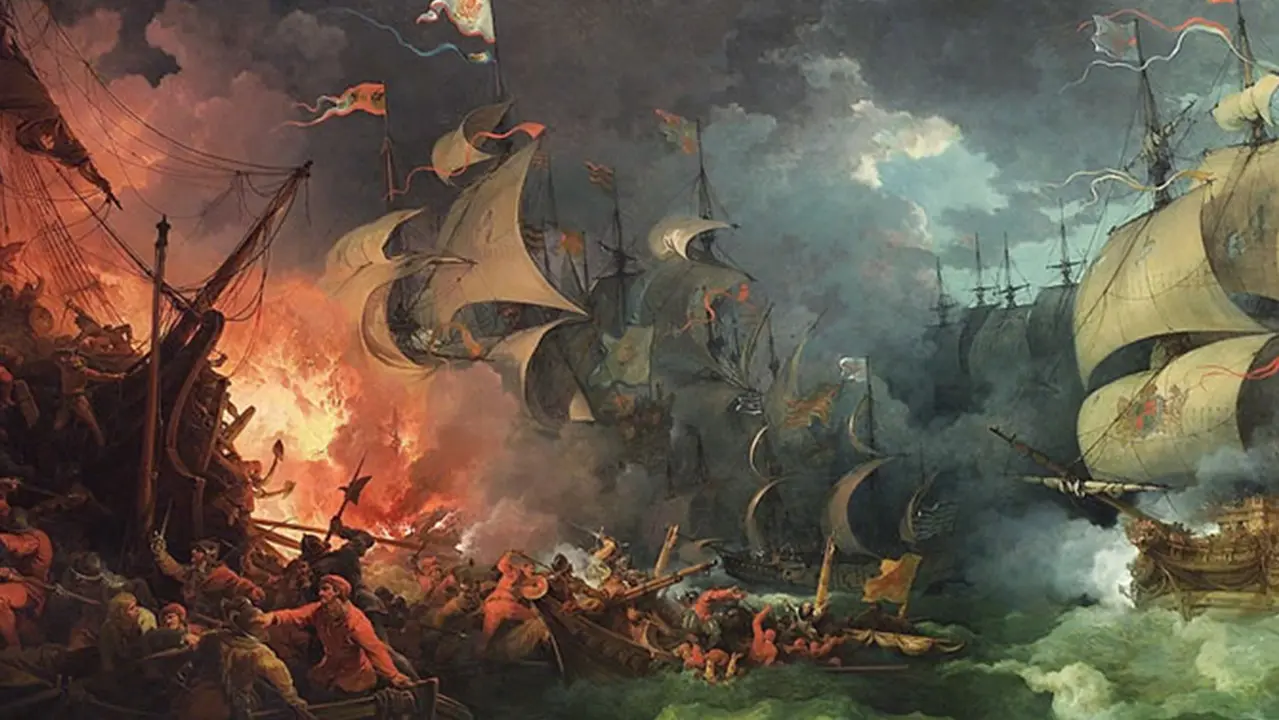
Other English sailors joined Drake. The English government did not stop them because they believed Spain had become too powerful in the Americas. Spain grew angry and built a huge fleet of ships called the Spanish Armada to stop the English.
In 1588, the Spanish Armada sailed to attack England, but English ships and powerful storms wrecked many of its ships. The English victory made it safer for England to start colonies in America.
While the French explored and the Spanish searched for treasure, the English came to America for several different reasons.
Why the English Came to America
Click each reason to learn more. Use the information to summarize the main ideas in your organizer.
Lesson 1 Vocabulary
Hover over or tap each card to reveal the definition.
explorer
a person who travels to new places to learn about them - John Cabot was an explorer who sailed for England.
colony
a settlement ruled by another country - The English colonies were ruled by England.
missionary
a person who travels to teach others about their religion - Some English settlers came to spread Christianity.
merchant
a person who buys and sells goods - English merchants traded for tobacco, furs, and other products.
armada
a large fleet of ships - Spain sent the Spanish Armada to attack England, but it was defeated.
trade
buying and selling goods - Many English settlers came to the New World to trade for valuable items.
religious freedom
the right to choose and practice your own religion - Many English settlers came for this reason.
settlement
a small community started in a new place - Early English settlements grew into the colonies.
Colonial America Navigation
Explore the Full 13 Colonies Unit

This complete history unit includes research passages, organizers, writing tasks, quizzes, activities, and website research — all in printable and digital formats. Everything you need to teach the 13 Colonies with confidence.
View the Full Unit on TPT