The Pilgrims and Plymouth Colony

Focus Colony: Plymouth, Massachusetts
Plymouth Colony
- Colony: Massachusetts
- Settlement: Plymouth
- Leader: John Carver, then William Bradford
- Date: 1620
- Reason: Religious freedom
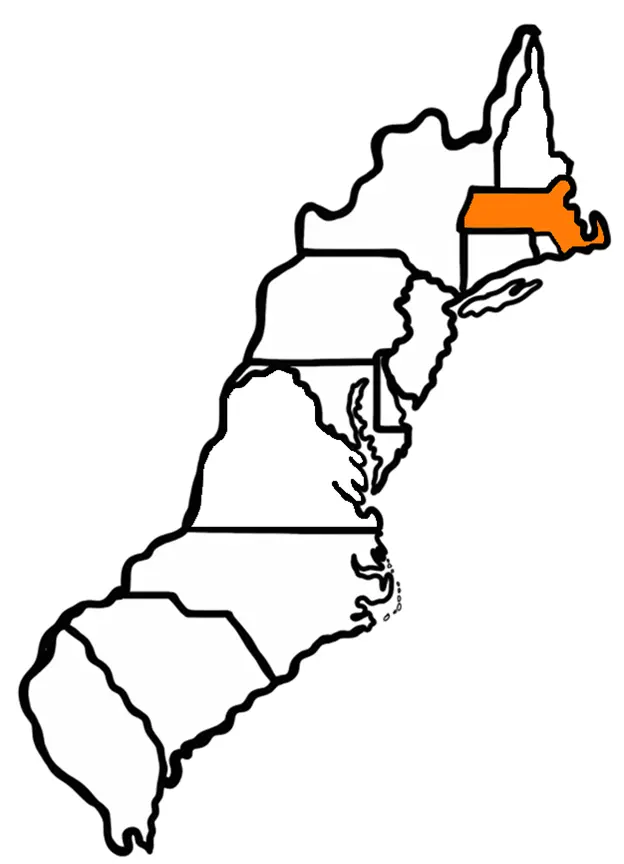
Plymouth at a Glance
- The Pilgrims left England seeking religious freedom.
- They traveled first to Holland, then sailed on the Mayflower.
- The Mayflower Compact created self‑government for the colony.
- The first winter was extremely difficult and many died.
- Squanto and the Wampanoag helped the Pilgrims survive.
Students can copy this information into their Colonial America organizer before beginning the lesson.
Why the Pilgrims Left England
The Pilgrims wanted to break away from the Church of England. Because they started their own church, many were jailed or fined. Fearing for their safety, a group moved to Holland in 1608 and lived there for twelve years. Although they had religious freedom, they struggled with jobs, language, and raising their children in a foreign culture.
The Journey to the New World
Hoping for a better life, the Pilgrims decided to sail to the New World. They bought a small, old ship called the Speedwell to carry them from Holland. Because so many people wanted to go, a second ship was needed. English businessmen provided the Mayflower along with food and supplies. In return, the Pilgrims agreed to send furs and lumber back to England for seven years. The Speedwell leaked so badly that it had to return to England, and its passengers crowded onto the Mayflower.
The Mayflower Compact
After 66 days at sea, the Mayflower landed at Cape Cod on November 11, 1620—far north of Virginia, where their charter allowed them to settle. Because they were outside the approved area, the men created a new agreement called the Mayflower Compact. It stated that the settlers would make laws together and obey them. Of the more than 100 passengers, 41 men signed it. This became an important step toward self‑government.
Life in Plymouth
The Pilgrims began building their settlement, which they called Plymouth Plantation. They named it after Plymouth, the English port where the Mayflower set sail. Their first governor, John Carver, led the colony through its first difficult winter. Shelter was limited, food was scarce, and sickness spread quickly. Half of the settlers died within the first few months, including most of the women. Only four women lived. When Carver died in the spring of 1621, William Bradford became governor.
Squanto and the Wampanoag
Squanto, a member of the Patuxet tribe, had been captured in 1614 by an English sea captain named Thomas Hunt and taken to Spain. He escaped, learned English, and returned home in 1619, only to discover that his entire tribe had died from disease. He went to live with Chief Massasoit’s Wampanoag people. English settlers later built Plymouth where Squanto’s village once stood.
In March 1621, a Native American named Samoset walked into Plymouth alone and greeted the settlers in English. A few days later, he returned with Squanto and Chief Massasoit. Governor John Carver and Massasoit agreed to live in peace. Squanto spoke English and served as a translator. He chose to stay and help the Pilgrims. He taught them how to plant crops, hunt, and fish. With his help, the Pilgrims survived their first year. In the fall, they held a harvest feast, now often called the first Thanksgiving, and the Wampanoag joined them.
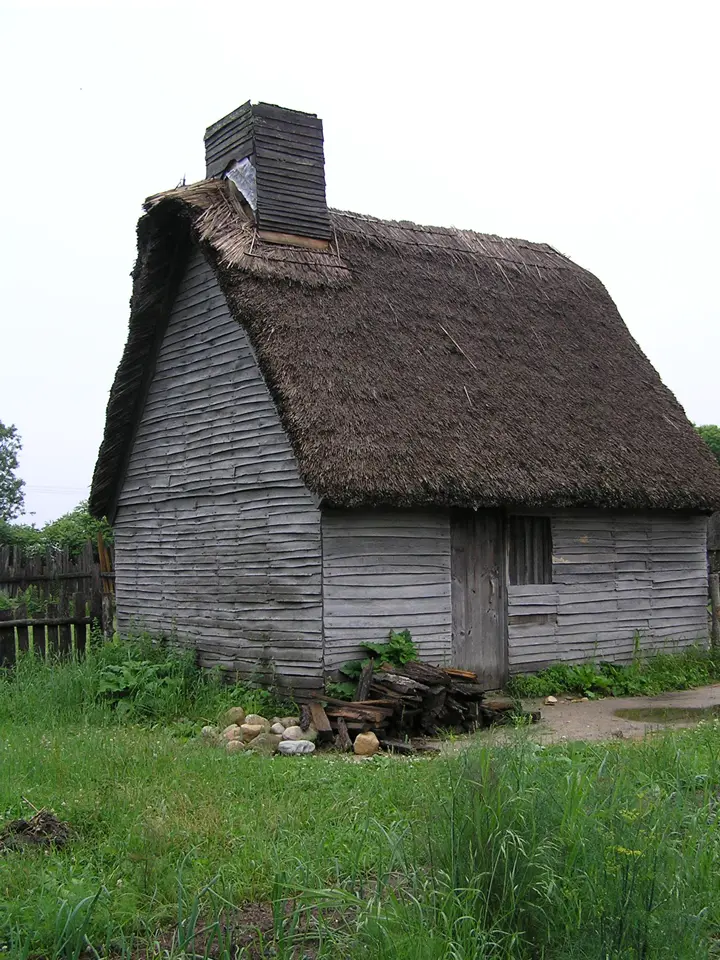
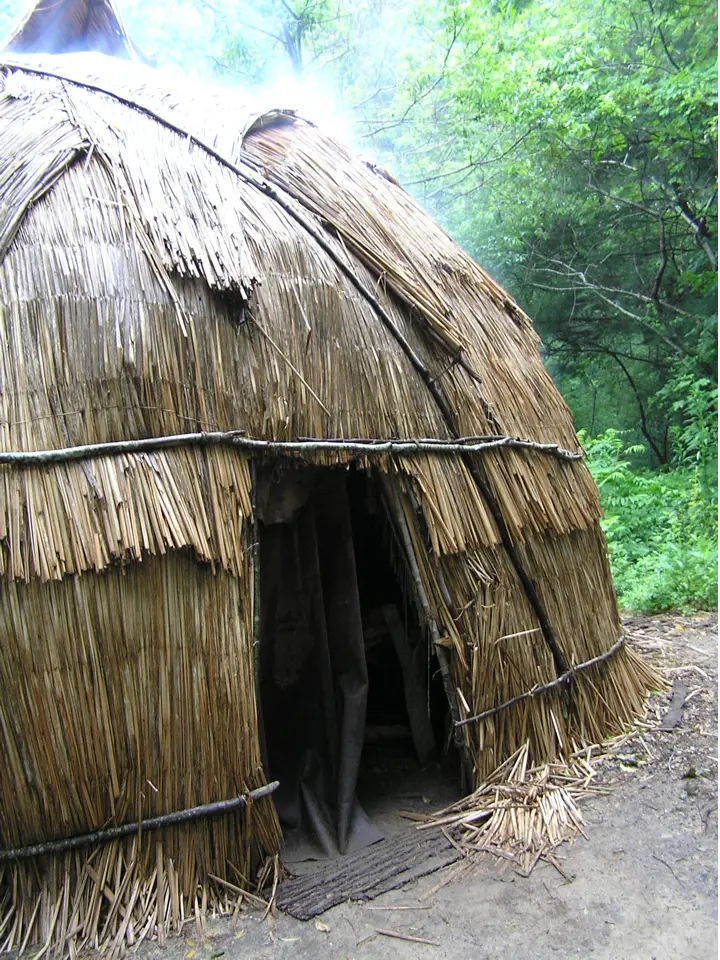
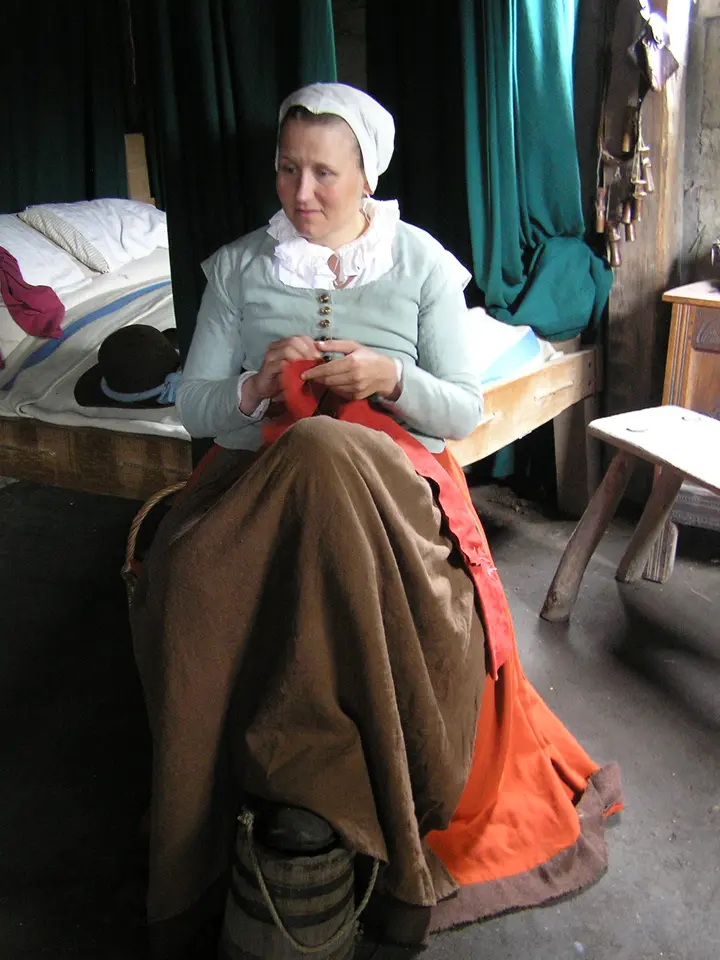
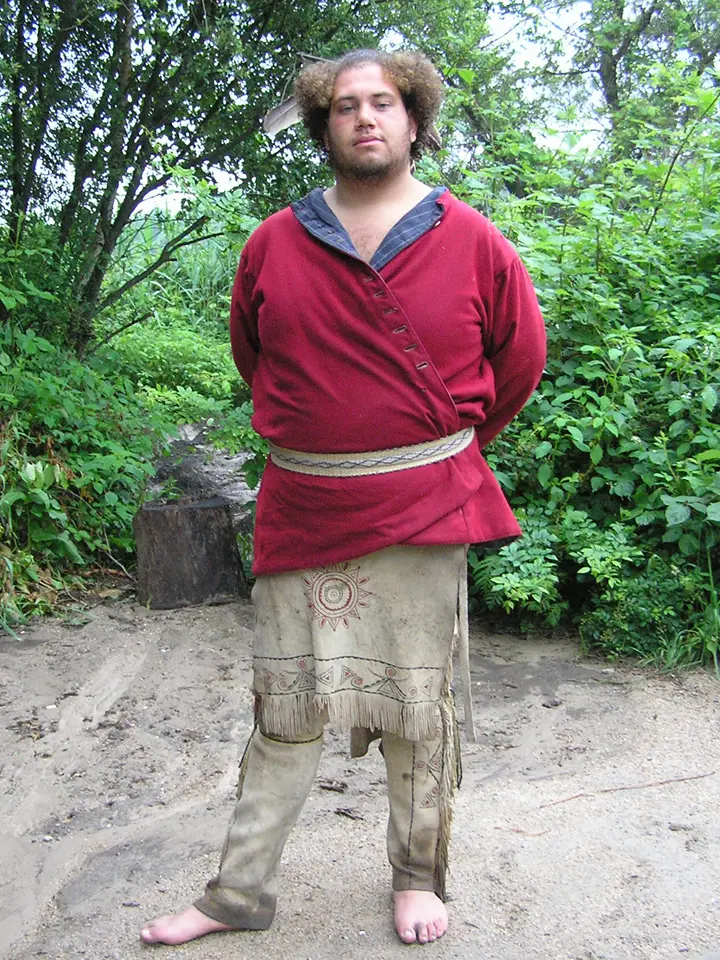
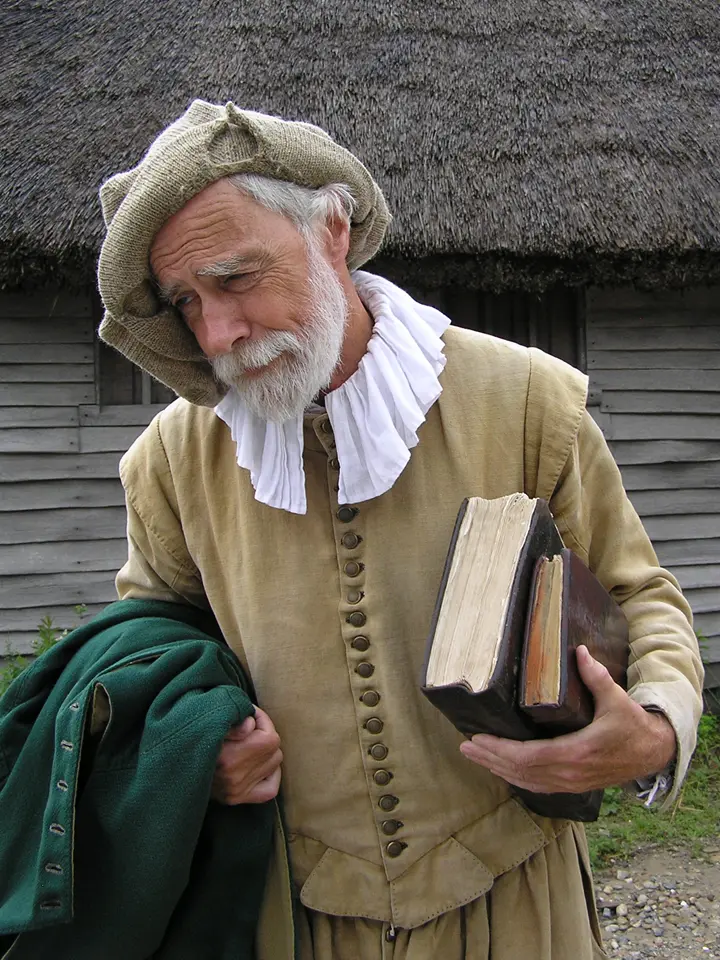
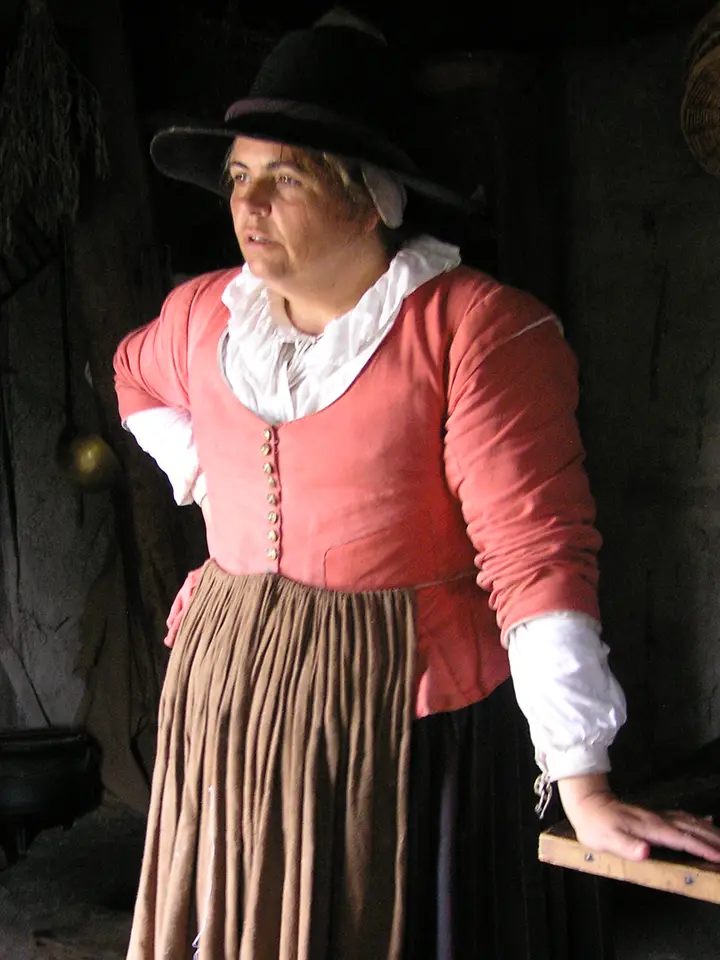
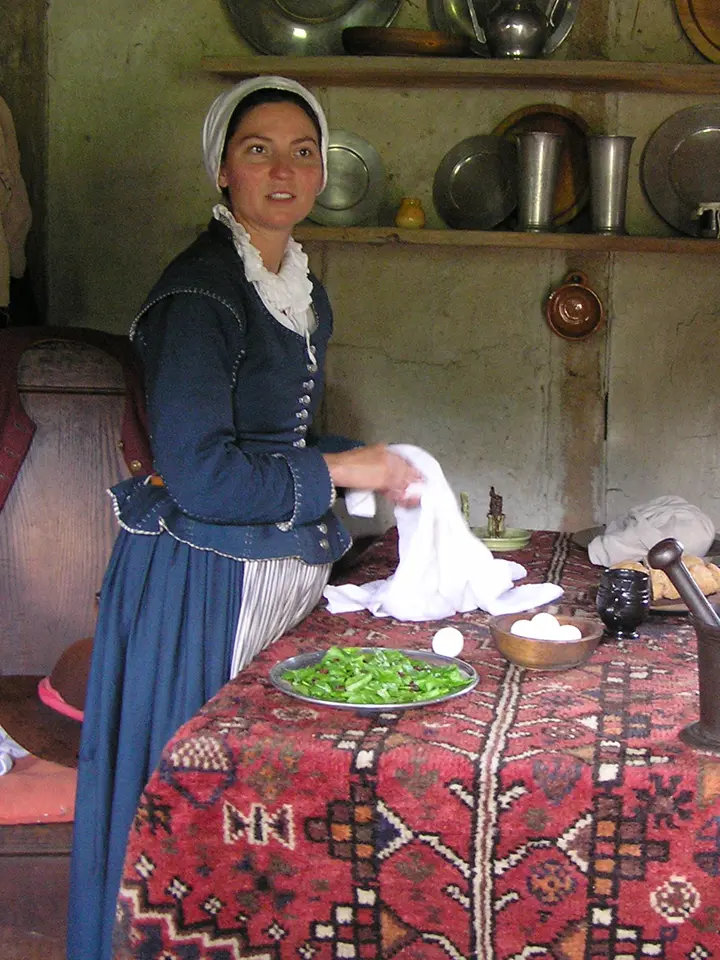
Plymouth Colony Photo Gallery
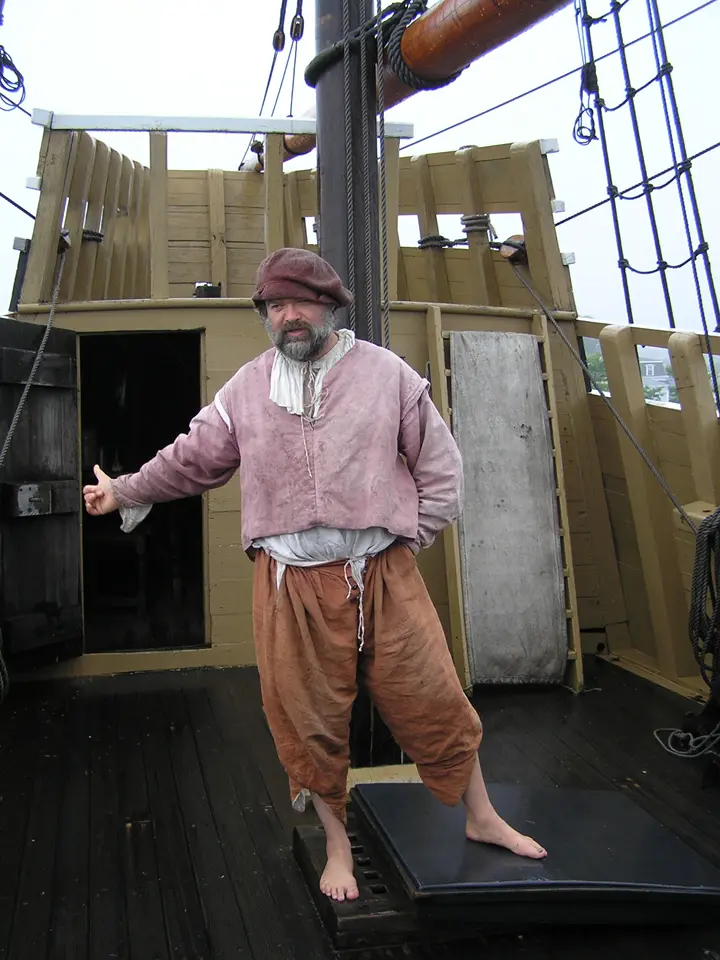
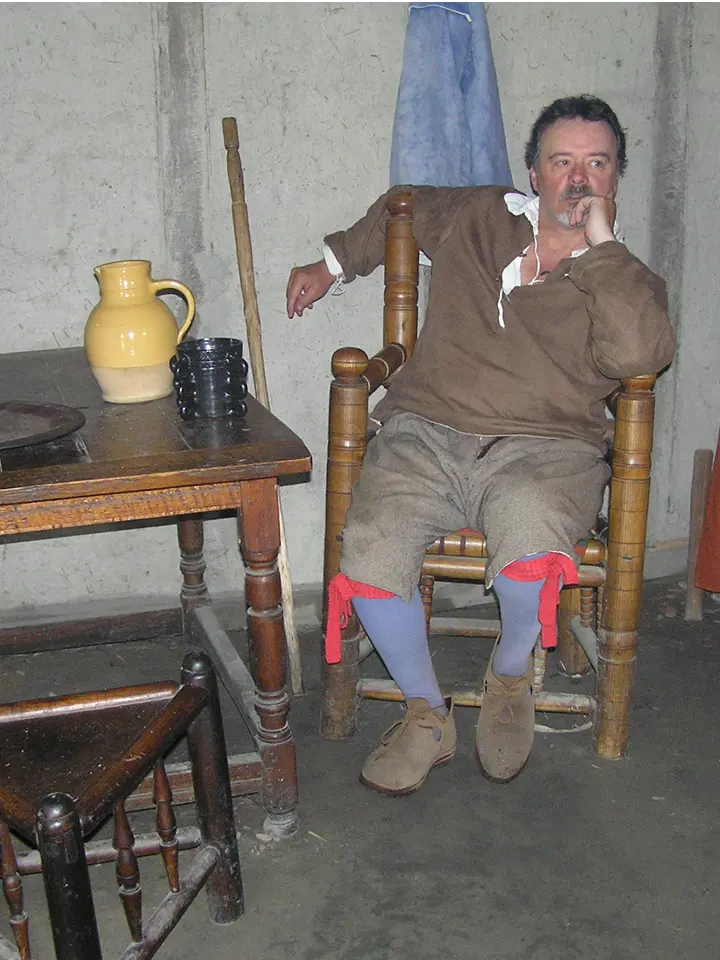
Word Match
Drag each word to its definition, or tap a word and then tap its definition.
Vocabulary Words
Definitions
The Pilgrims and Plymouth Colony Quiz
Activities & Extensions
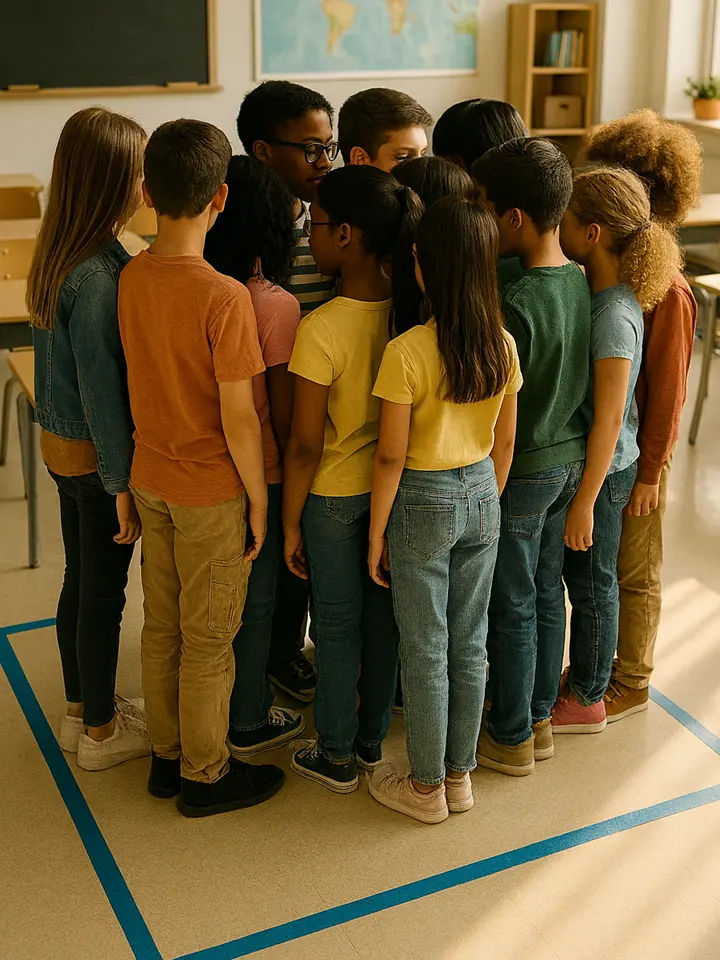
Tape off an area 8 feet by 8 feet on the floor. Have eleven students stand inside the space. Discuss how crowded it feels. This represents the cramped living conditions aboard the Mayflower, where passengers lived in tight quarters for 66 days.
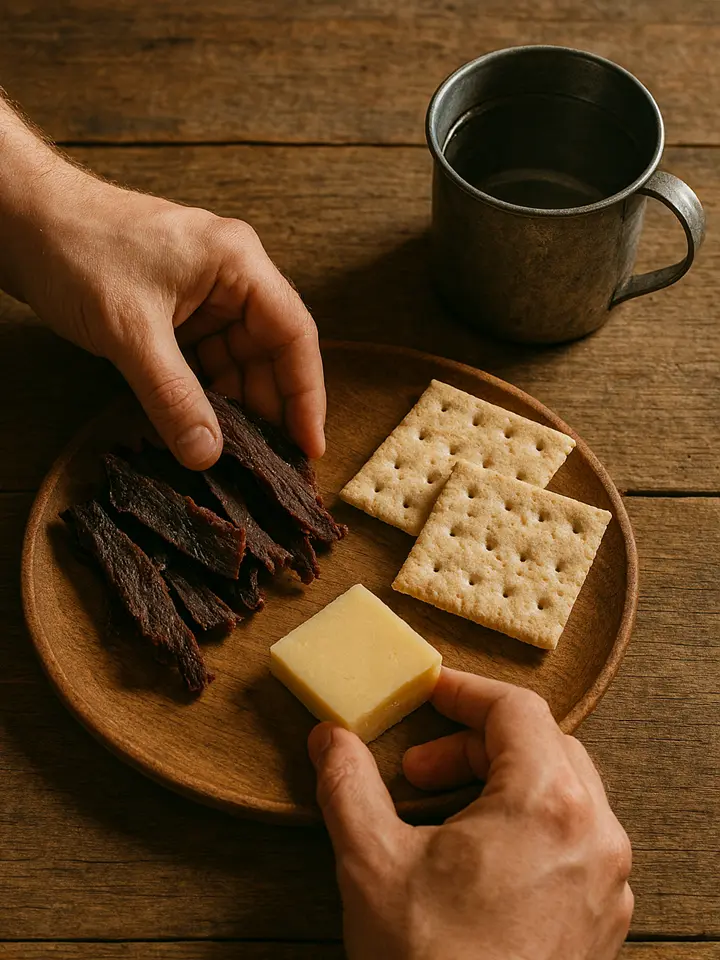
Serve a simple meal similar to what Pilgrims ate on the Mayflower: beef jerky, soda crackers, cheese, and water. Discuss how it would feel to eat this three times a day for two months. Students learn how food was preserved through salting and drying in the 1600s.
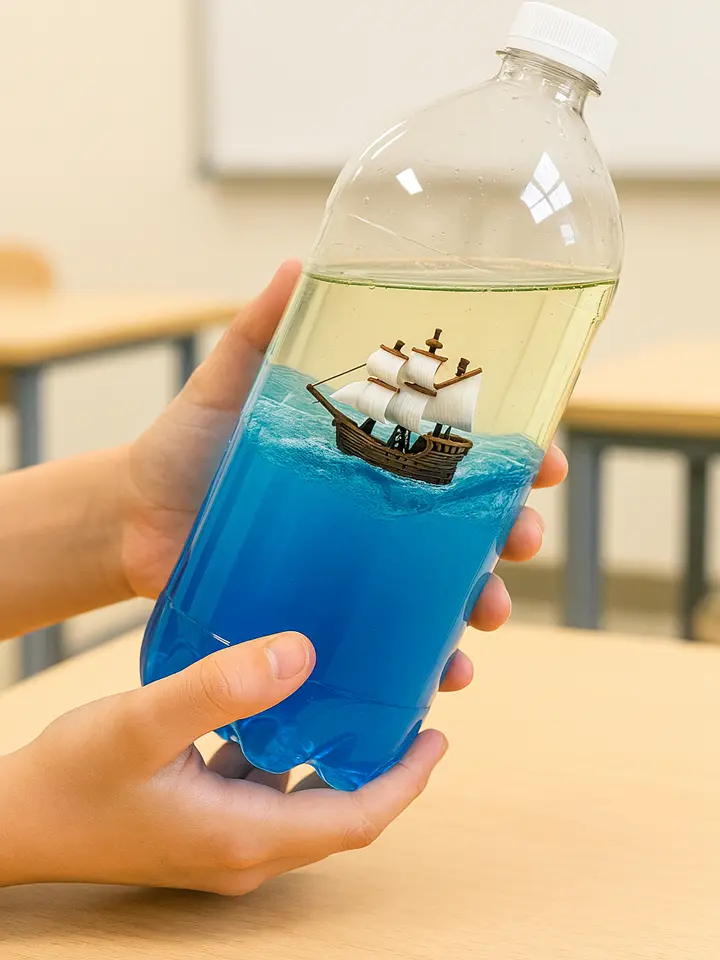
Fill a one‑liter clear plastic bottle halfway with mineral oil. Add a few drops of food coloring, then fill the rest with water. Place a small plastic ship inside to represent the Mayflower. Seal tightly and tape the lid. Students shake and rock the bottle to see how the ship rides the waves.
Colonial America Navigation
Explore the Full 13 Colonies Unit

This complete history unit includes research passages, organizers, writing tasks, quizzes, activities, and website research — all in printable and digital formats. Everything you need to teach the 13 Colonies with confidence.
View the Full Unit on TPT