The Puritans in New England

Focus Colonies: The New England Settlements
Students can copy this information into their Colonial America organizer before beginning the lesson.
Massachusetts Bay Colony
- Colony: Massachusetts
- Settlement: Boston
- Leader: John Winthrop
- Date: 1630
- Reason: Religious freedom
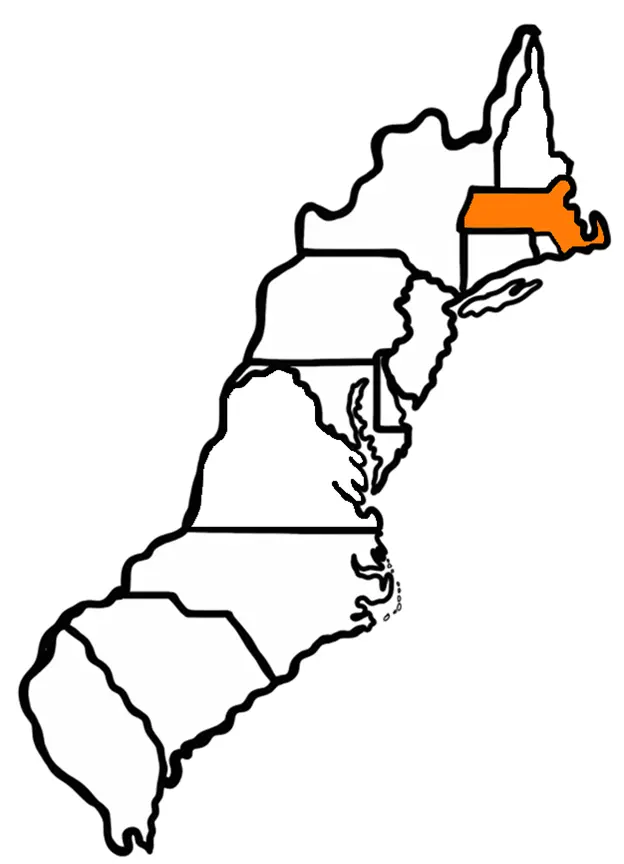
Massachusetts Bay at a Glance
- The Puritans wanted to purify the Church of England.
- John Winthrop led them to Boston in 1630.
- He served as governor for many years.
- Towns were built around a meetinghouse.
Rhode Island Colony
- Colony: Rhode Island
- Founder: Roger Williams
- Date: 1636
- Reason: Religious freedom
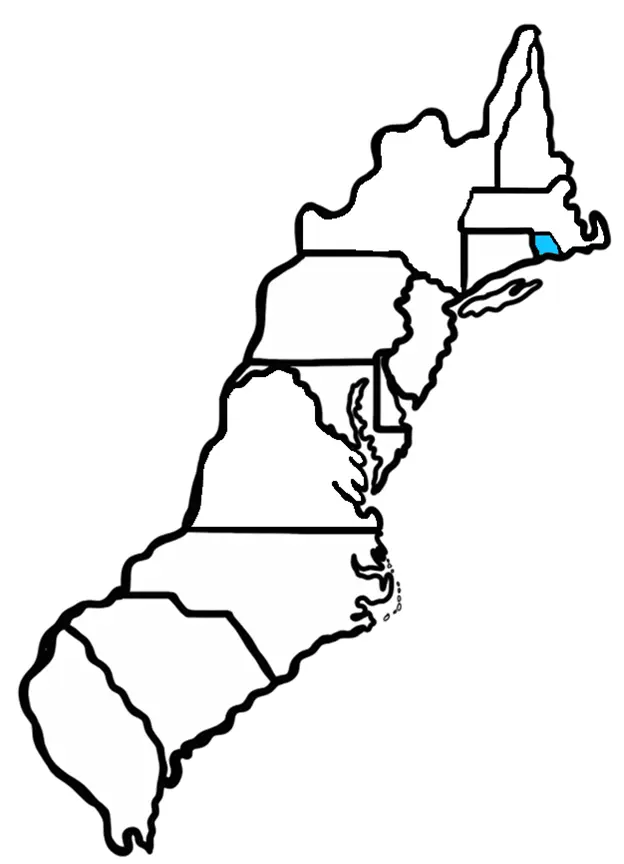
Rhode Island at a Glance
- Roger Williams believed church and government should be separate.
- He believed Native Americans should be paid for their land.
- He was banished and founded Rhode Island.
- People could practice any religion in this colony.
Connecticut Colony
- Colony: Connecticut
- Founder: Thomas Hooker
- Date: 1636
- Reason: More political freedom
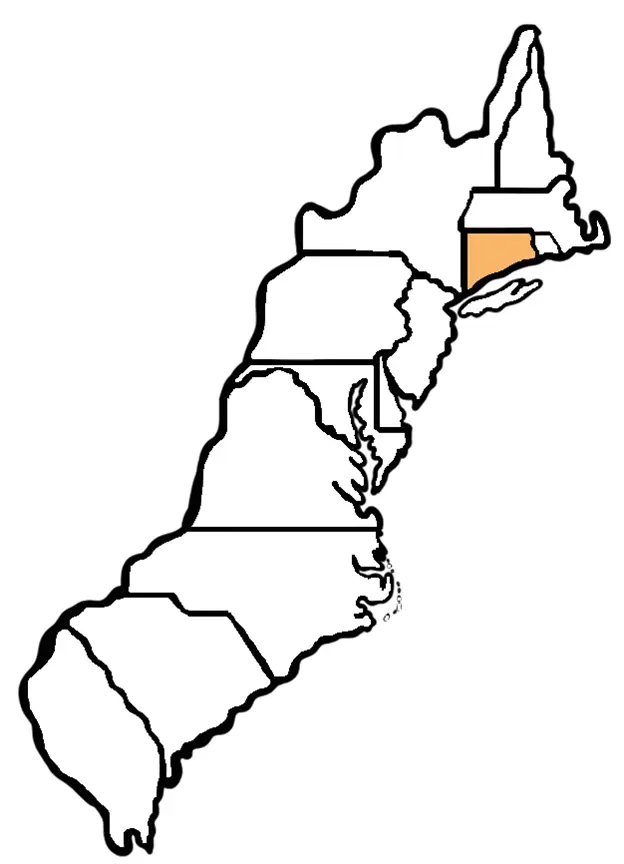
Connecticut at a Glance
- Thomas Hooker led 35 families from Massachusetts.
- They settled in what is now Hartford.
- They wrote the first written constitution in the New World.
New Hampshire Colony
- Colony: New Hampshire
- Founder: John Mason (land grant)
- Date: 1623
- Reason: Fishing, trade & better farmland
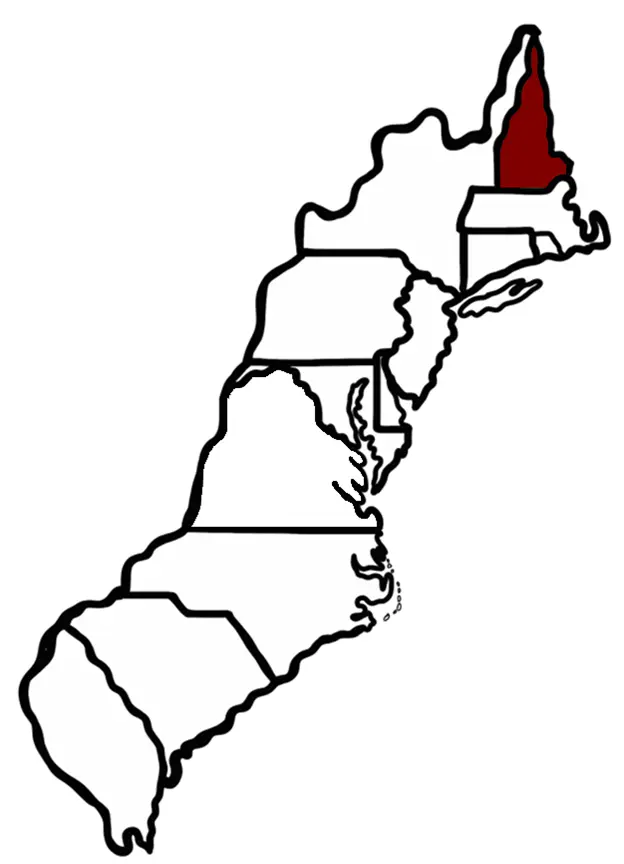
New Hampshire at a Glance
- John Mason received a land grant from the king.
- He named it after Hampshire, his home county in England.
- Settlers fished and traded near Portsmouth.
- Later, families from Massachusetts moved north too.
Roger Williams and Rhode Island
Roger Williams was a Puritan minister who believed that church leaders should not also be the colony’s leaders. He also argued that Native Americans should be paid for the land the colonists were taking. Because of these beliefs, the Puritan leaders wanted to send Williams back to England. Williams escaped in 1636 and founded the Rhode Island Colony. He bought the land from the Native Americans, and everyone living there was allowed to practice their own religion.
The Puritans in Massachusetts Bay
The Puritans wanted to “purify” the Church of England. Unlike the Pilgrims, they did not want to separate from the church — they wanted to change some of its practices. The Puritans were treated badly in England because of their beliefs, so they came to the Massachusetts Bay Colony in 1630 and settled in Boston. Their leader, John Winthrop, served as governor and hoped Boston would be a model Christian community, like “a city upon a hill.” Over time, some people felt the Puritan leaders were acting unfairly, so they chose to leave the colony.
Thomas Hooker and Connecticut
Thomas Hooker, a Puritan minister, left the Massachusetts Bay Colony in 1636 with 35 families. They traveled for two weeks before reaching the area that is now Hartford. There, the settlers wrote a plan for their government — the first written constitution in the New World. This became the foundation of the Connecticut Colony.
John Mason and New Hampshire
John Mason was an English businessman who received a grant of land from the king. He named it New Hampshire after his home county in England. In 1623, settlers working for Mason’s company began fishing and trading near the coast, in a place now called Portsmouth. Mason never came to America himself. Later, families from Massachusetts moved north too. The rocky soil made farming hard, so some wanted better farmland, and some wanted more freedom to worship in their own way. Over time, these settlements grew into the New Hampshire Colony.
Daily Life and Work in New England
New England had long, cold winters and a short growing season, and the rocky soil made large farms impossible. Families built sturdy homes, stored food for winter, and grew just enough for themselves. Many people earned a living from the sea and the forests instead. They fished, built ships from the region’s tall trees, cut lumber, and traded goods from busy harbors. Towns grew up around a meetinghouse, which was used for both worship and town meetings. Puritans believed everyone should be able to read the Bible, so they started schools and taught their children to read.
Word Match
Drag each word to its definition, or tap a word and then tap its definition.
Vocabulary Words
Definitions
Puritans Quiz
Activities & Extensions
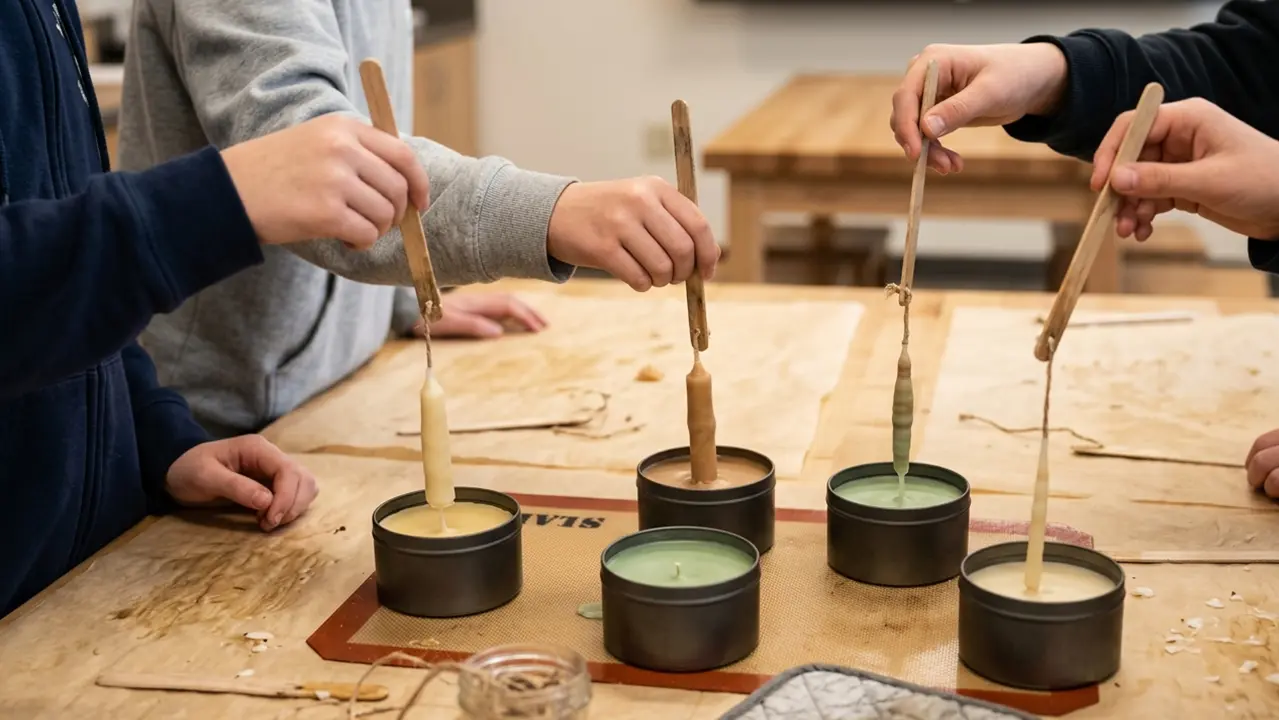
Students make their own hand-dipped candles just as colonial families did. Melted wax is placed in a container, and students dip a wick repeatedly, allowing each layer to cool before dipping again. This activity helps students understand how time-consuming everyday tasks were in the 1600s.
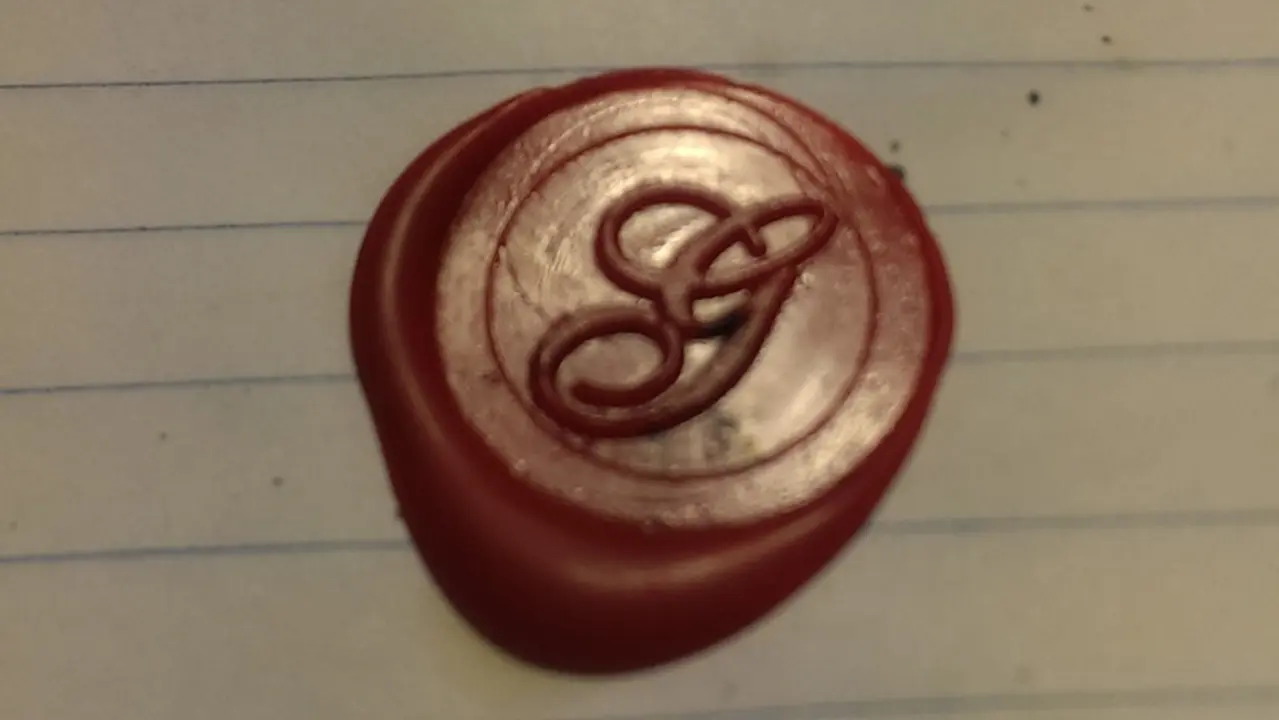
Students learn how colonial Americans sealed letters with wax. After folding a letter, melted wax is dripped onto the seam. A “family seal” — often a ring or small stamp — is pressed into the wax before it hardens. Students can create their own simple seal using clay or a small carved design.

Students create a pomander ball, a fragrant colonial air freshener used to mask unpleasant odors. Using an apple or orange, students prick holes with a toothpick and insert cloves until the fruit is covered. The pomander is rolled in cinnamon, wrapped in cheesecloth, tied with ribbon, and left to dry for several weeks.
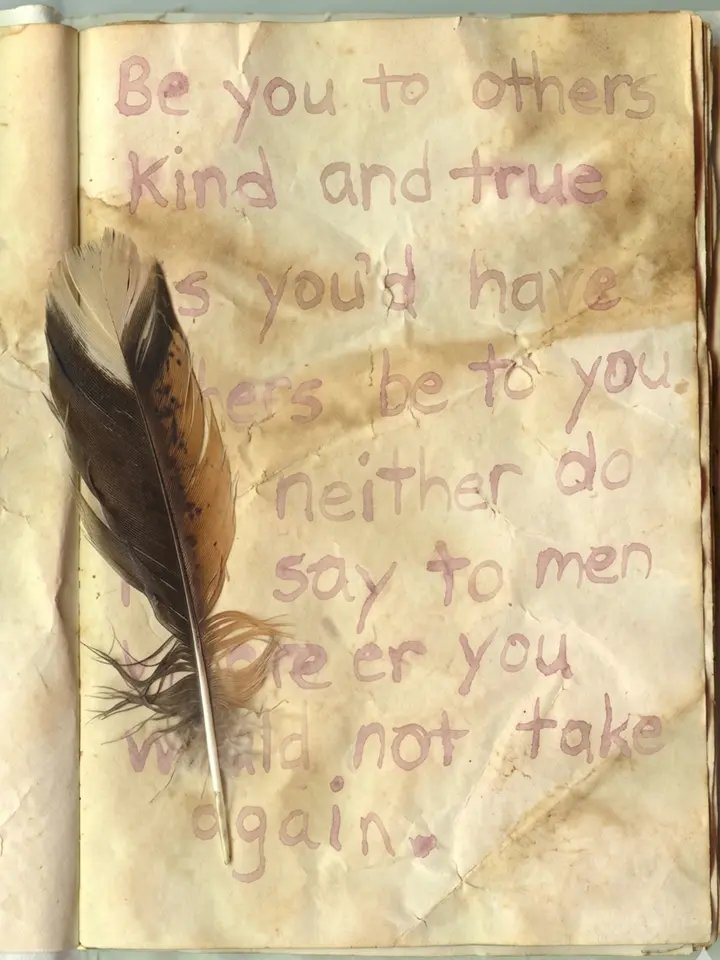
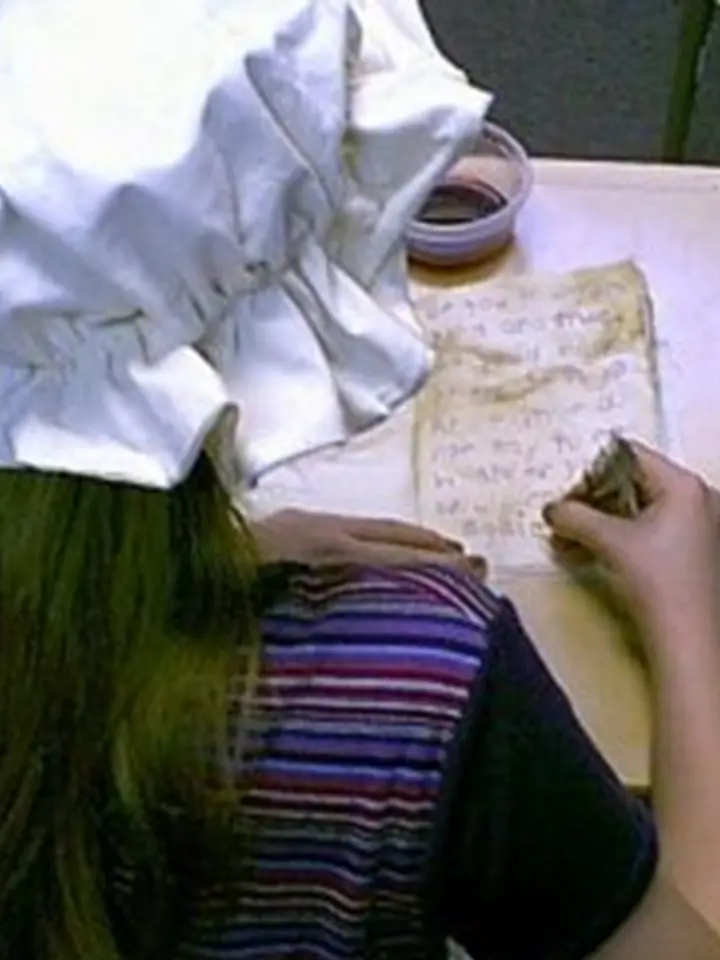
Students create their own page inspired by The New England Primer, the first textbook used in the American colonies. They write a short rhyme or poem for a chosen letter of the alphabet using berry ink and a quill. The final page is written on coffee- or tea-stained paper to give it an authentic colonial appearance.
Colonial America Navigation
Explore the Full 13 Colonies Unit

This complete history unit includes research passages, organizers, writing tasks, quizzes, activities, and website research — all in printable and digital formats. Everything you need to teach the 13 Colonies with confidence.
View the Full Unit on TPT