The Quakers in Pennsylvania

Focus Colony: Pennsylvania
Students can copy this information into their Colonial America organizer before beginning the lesson.
Pennsylvania Colony
- Colony: Pennsylvania
- Founder: William Penn
- Date: 1682
- Reason: Religious freedom for Quakers & others
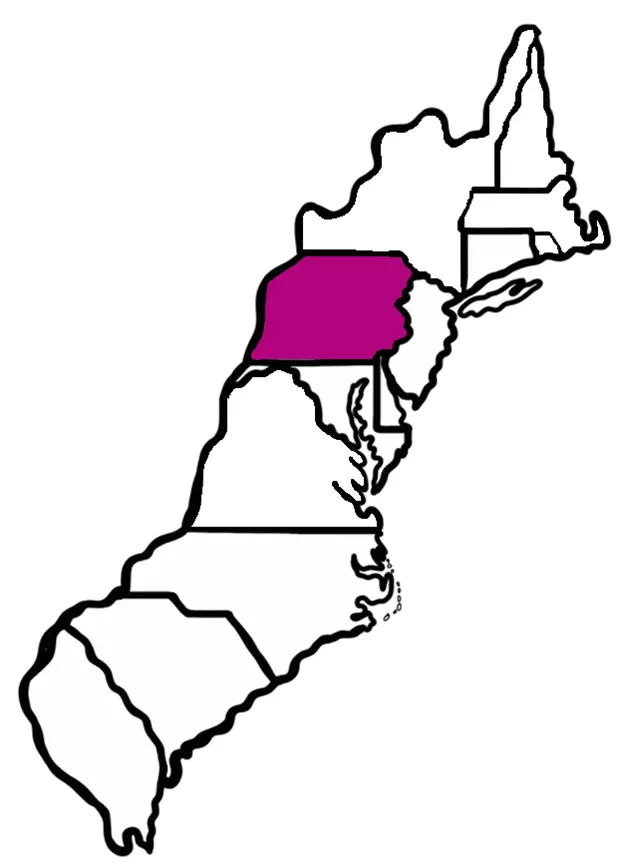
Pennsylvania at a Glance
- Founded by William Penn, a Quaker.
- Created as a safe place for Quakers and other groups.
- Offered religious freedom and fair treatment.
- Attracted settlers from many European countries.
William Penn and the Quakers
William Penn grew up in England at a time when many religious groups disagreed with the Church of England. Penn belonged to a group called the Quakers. Quakers believed that all people were equal and that no one needed a minister to speak to God for them. Instead, they gathered quietly and waited for anyone who felt inspired to share a message. Their simple way of worship made them very different from most people in England.
Persecution in England
Because they refused to follow the rules of the Church of England, Quakers were often punished. Many were arrested for skipping church services or for holding their own meetings. William Penn was jailed several times because he would not give up his beliefs. Even though prison was difficult, Penn stayed committed to the idea that people should be free to worship as they chose.
Founding Pennsylvania
Penn’s family had an important connection to the king. The King of England owed Penn’s father, Admiral William Penn, a large debt. After his father died, William Penn asked the king to pay the debt with land in North America instead of money. Penn wanted to create a place where Quakers and others could live without fear of being arrested for their beliefs. In 1681, the king agreed. He named the colony Pennsylvania, which means “Penn’s woods,” in honor of Penn’s father. In 1682, Penn and a group of Quakers sailed across the Atlantic Ocean to begin their new colony.
Philadelphia and a “Holy Experiment”
Penn planned his capital, Philadelphia, a name that means “City of Brotherly Love.” It had wide streets laid out in a neat grid. Penn called his colony a “holy experiment,” a place where people of different faiths could live together in peace. He made treaties with the Lenape people and paid them for land, and the two groups lived peacefully for many years. Pennsylvania’s fertile farmland helped the colony grow quickly.
Pennsylvania and Delaware
Penn encouraged people from many countries to settle in Pennsylvania, and thousands came from places like Germany, Scotland, Ireland, and England. They were drawn by the promise of religious freedom and fair treatment. A few years later, Penn was also given control of the land that is now Delaware. The English had taken this area from the Dutch, and the Duke of York, who owned it, did not want the responsibility of running such a small colony, so he handed it over to Penn. Delaware also gave Pennsylvania a way to reach the ocean for trade. In 1704, Penn allowed Delaware to form its own separate colony, although it continued to share a governor with Pennsylvania for many years.
Word Match
Drag each word to its definition, or tap a word and then tap its definition.
Vocabulary Words
Definitions
The Quakers Quiz
Activities & Extensions
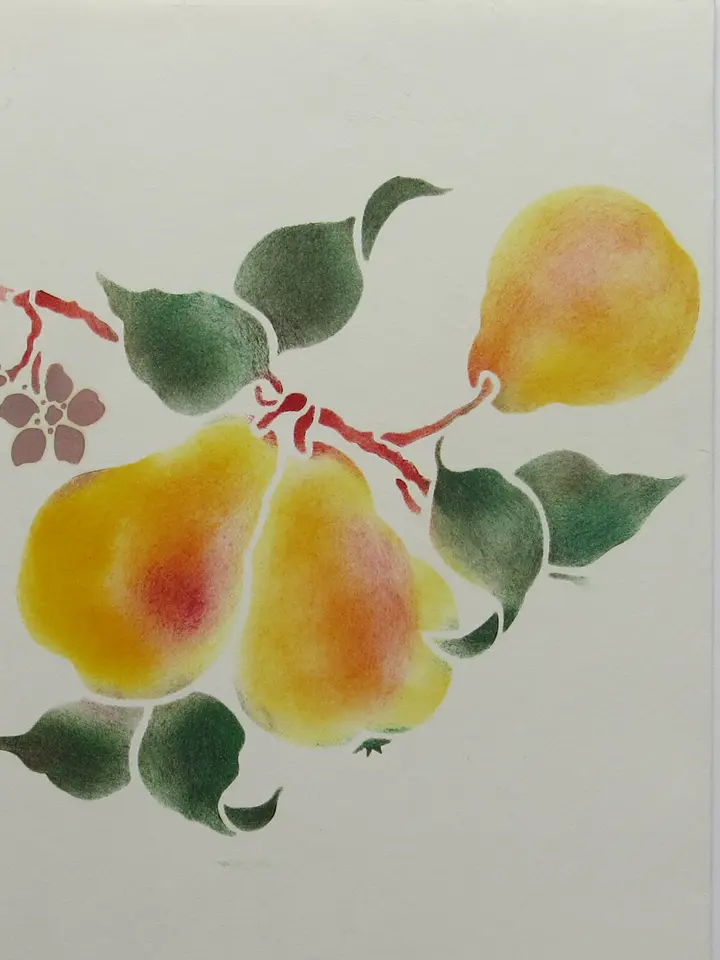
Colonial homes were often decorated with painted stencils along walls, doors, and furniture. Students can create their own stenciled designs inspired by traditional fruit and floral patterns.
Directions:
- Provide students with stencil templates or let them design their own.
- Use sponges or stiff brushes to dab paint gently over the stencil.
- Lift the stencil carefully to reveal the pattern.
- Repeat the design to create a border or decorative panel.
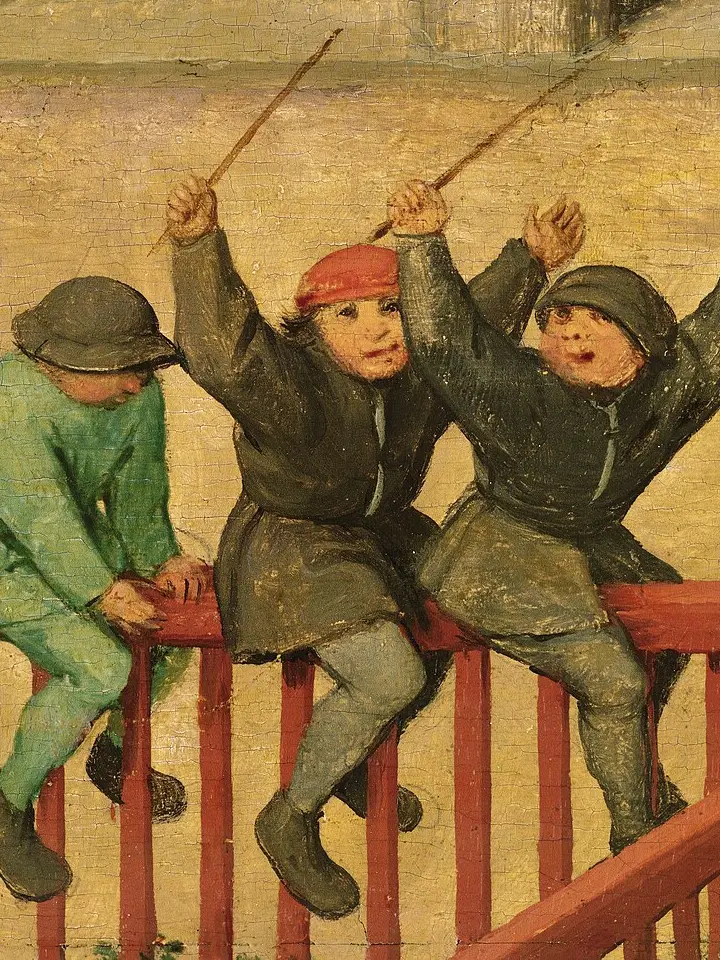
Children in colonial times played many outdoor games that required little more than imagination and simple household items. Students can try several of these traditional games.
Games with Instructions:
- Hopscotch: Draw squares in the dirt with a stick and use rocks as markers.
- Leapfrog: One partner squats while the other leaps over, then they switch roles.
- Squat Tag: Players cannot be tagged while squatting. After five tags, choose a new IT.
- Stone Poison: Place one fewer stone than players. A player with a foot on a stone is safe.
- Hop, Skip, Jump: Players hop, skip, and jump in one sequence; longest distance wins.
Additional Colonial Games:
Yo-Yo, Bubble-Blowing, Tops, Pick-up Sticks, See Saw, Marbles, Rocking Horses, Kite Flying, London Bridge, Jump Rope, Blindman’s Bluff, Hoops
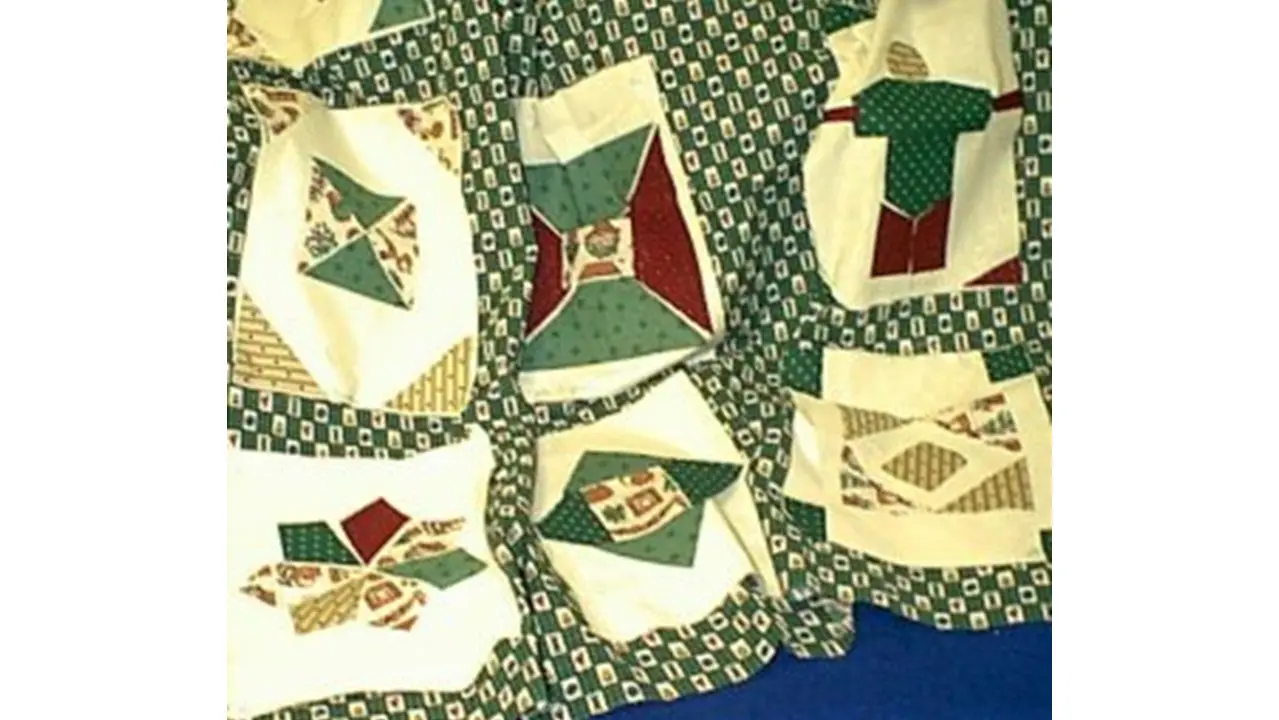
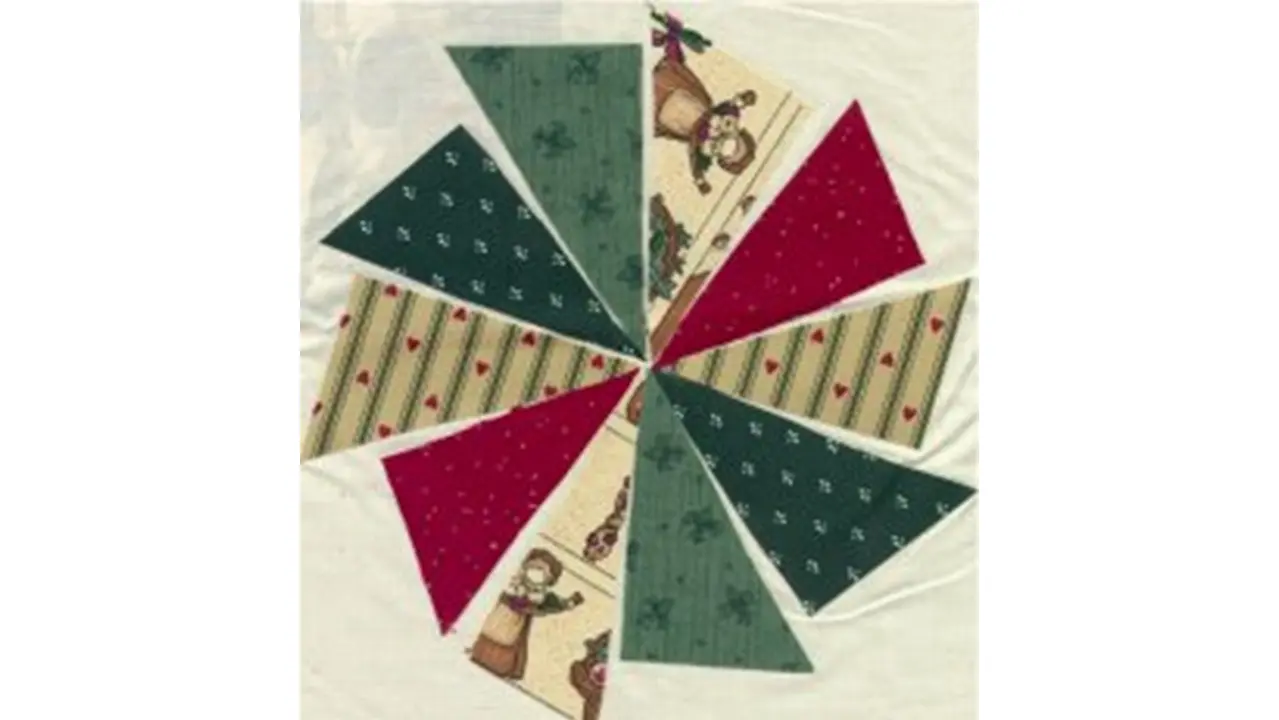
Quilts were essential in colonial homes because houses were drafty and winters were cold. Women often created friendship quilts by stitching together squares made by friends and relatives. Each person embroidered their name or a small design on their block.
Directions:
- Give each student a square of fabric or paper.
- Have students write their name and decorate the square with colored markers or thread.
- Arrange the squares into a quilt pattern.
- Glue or stitch the squares together to create a class friendship quilt.
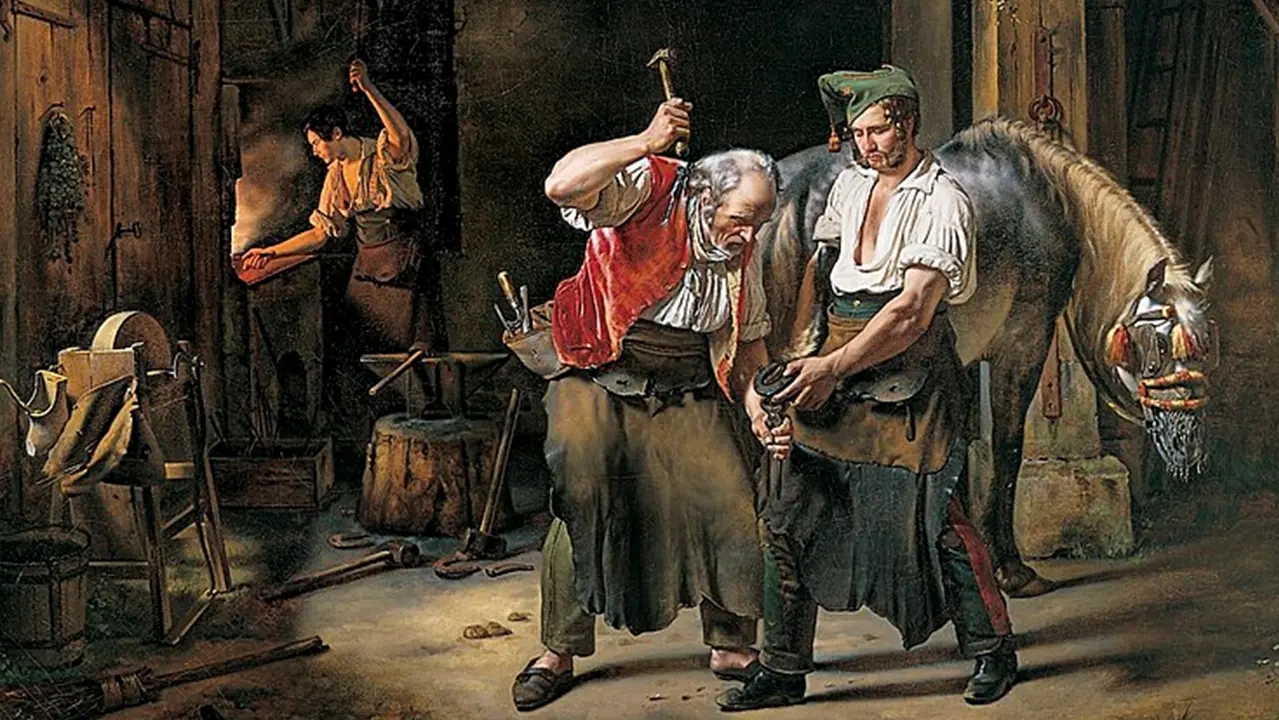
Students explore the many trades and occupations that kept colonial communities running. These jobs required skill, practice, and tools that were often handmade.
Occupations to Research:
- Blacksmith
- Cooper
- Cordwainer
- Glassblower
- Hatter
- Housewright
- Joiner
- Printer
- Shipwright
- Silversmith
- Storekeeper
- Tanner
- Wigmaker
Colonial America Navigation
Explore the Full 13 Colonies Unit

This complete history unit includes research passages, organizers, writing tasks, quizzes, activities, and website research — all in printable and digital formats. Everything you need to teach the 13 Colonies with confidence.
View the Full Unit on TPT