The Middle Colonies

Focus Colonies: The Middle Colonies
Students can copy this information into their Colonial America organizer before beginning the lesson.
New York Colony
- Colony: New York
- Founder: Peter Minuit (New Amsterdam); Duke of York (New York)
- Date: 1626 (Dutch); 1664 (English)
- Reason: Trade
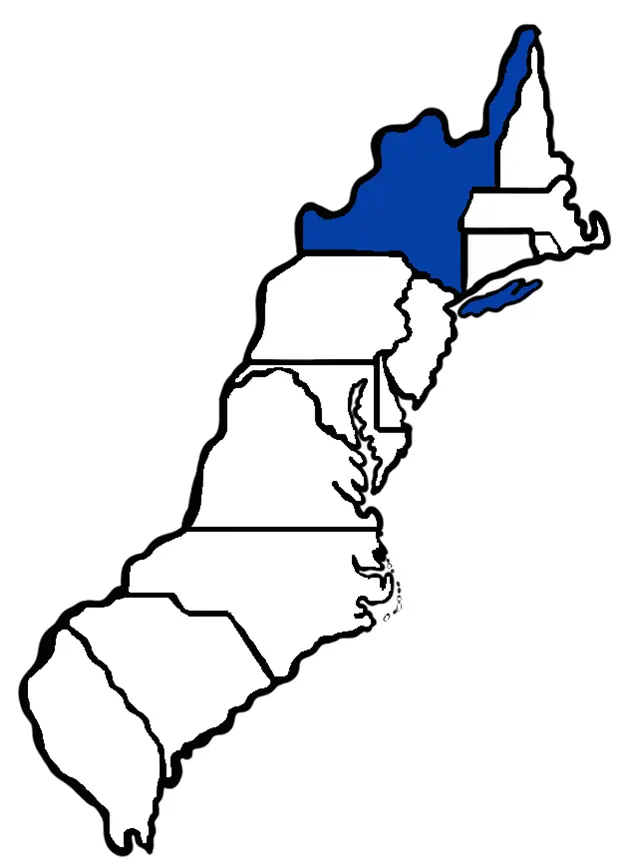
New York at a Glance
- Began as New Amsterdam, part of the Dutch colony of New Netherland.
- English took control without firing a shot.
- Renamed New York in honor of the Duke of York.
- Grew through trade and shipping.
New Jersey Colony
- Colony: New Jersey
- Founder: Sir George Carteret & Lord Berkeley
- Date: 1664
- Reason: Land grants & trade opportunities
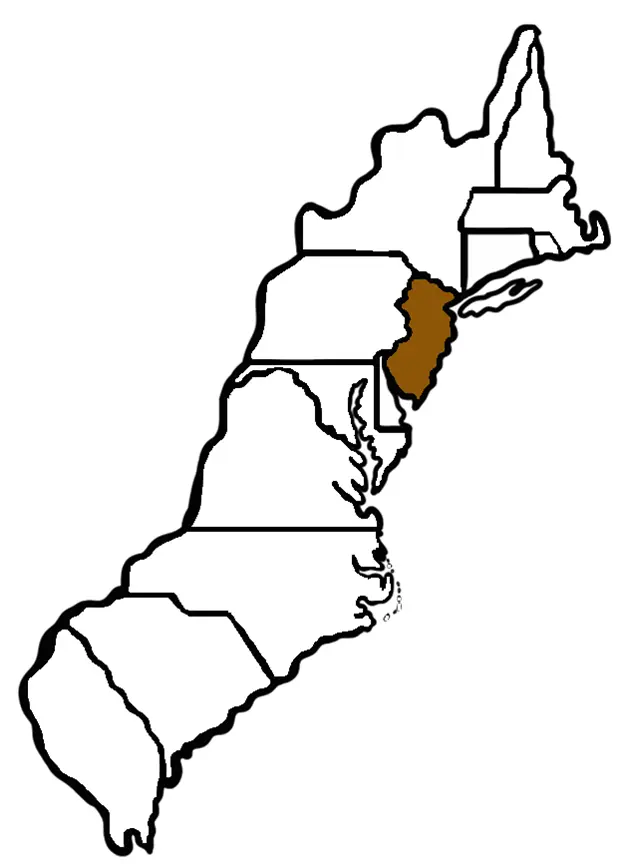
New Jersey at a Glance
- Formed from land across the Hudson River.
- Given to Carteret and Berkeley as a proprietary colony.
- Attracted settlers with promises of land and freedom.
Delaware Colony
- Colony: Delaware
- Founder: Swedish settlers (later taken by Dutch & English)
- Date: 1638
- Reason: Trade with Native Americans & nearby colonies
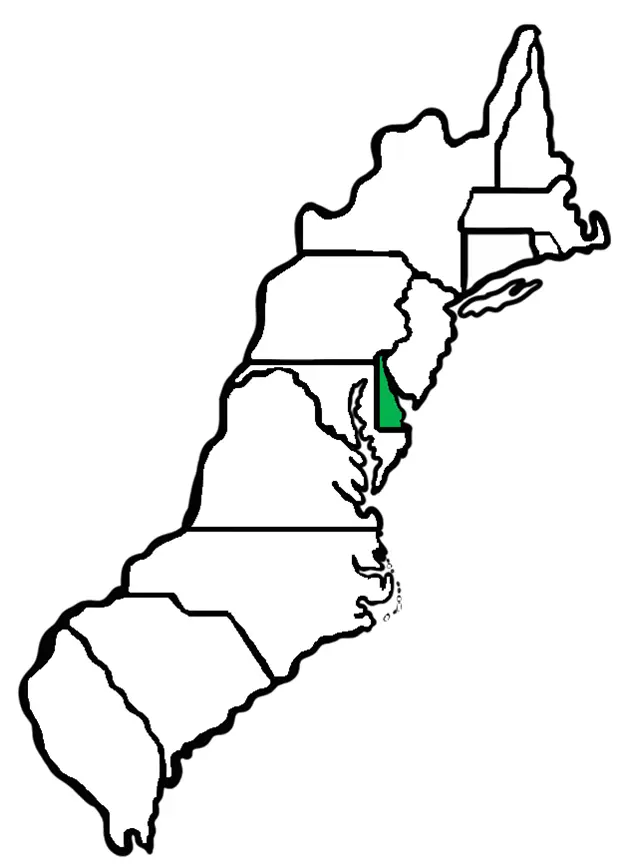
Delaware at a Glance
- First settled by the Swedes in 1638 at Fort Christina, now Wilmington.
- Peter Minuit, who had once led New Netherland, led the Swedes.
- In 1655, Dutch governor Peter Stuyvesant took it over without fighting.
- Became part of English territory after 1664.
Henry Hudson and New Netherland
In 1609, the Dutch hired an English explorer named Henry Hudson to find a westward passage to the Indies. Hudson sailed north up a wide river, hoping it would lead west, but it grew too narrow and shallow near present-day Albany. The river was later named the Hudson River. Hudson reported that the Native Americans along the river were friendly and eager to trade furs. Soon the Dutch built trading posts, and by 1624 families were settling in a colony called New Netherland. In 1626, the colony’s governor, Peter Minuit, bought Manhattan Island from the Lenape people for goods worth 60 guilders (often said to be about $24). The Dutch built the town of New Amsterdam there.
The Dutch and the Middle Colonies
Before the English controlled the Middle Colonies, the region was home to settlers from several European countries. One of the earliest groups was the Dutch, who created a colony called New Netherland. They built their settlements along the Hudson River and became successful through the fur trade. The Dutch welcomed people from many backgrounds, which helped their colony grow quickly. However, England also claimed this land. English leaders argued that an early explorer, John Cabot, had given them the right to the region. In 1664, England sent ships to take over New Netherland. Dutch governor Peter Stuyvesant surrendered without a shot being fired, and the colony was renamed New York in honor of the Duke of York.
New Jersey and Delaware
After taking control of New York, the English created another colony across the Hudson River. This land became New Jersey. It was given to two men, Sir George Carteret and Lord Berkeley, who hoped to attract settlers by offering land and promising fair treatment. The colony was named after the island of Jersey in the English Channel, where Carteret was from. Meanwhile, the area that is now Delaware had been settled earlier by the Swedes in 1638. Their leader was Peter Minuit, the same man who had bought Manhattan for the Dutch. The Swedes built Fort Christina, where the city of Wilmington stands today, and other small communities along the Delaware River. Although the Swedish colony did not last long, it left a lasting influence, including the use of log cabins. In 1655, Dutch governor Peter Stuyvesant took control of the area without a battle, and in 1664 it passed to the English.
Life in the Middle Colonies
The Middle Colonies became known for their diversity. People from many countries lived there, including settlers from England, the Netherlands, Sweden, Germany, Scotland, and Ireland. Because of this mix of cultures, the region developed a variety of traditions, languages, and religions. Quakers, Catholics, Lutherans, Jews, and many other groups lived there. The land was rich and fertile, and the climate was mild, with warm summers and cold winters, making it ideal for farming. Farmers grew wheat, barley, and oats, which earned the region the nickname “the Bread Colonies.” Wide rivers such as the Hudson and the Delaware carried goods to the coast. Trade was also important. Busy ports like New York and Philadelphia helped the colonies grow into centers of business and shipping. The combination of good farmland, active trade, and cultural variety made the Middle Colonies an important part of early America.
Word Match
Drag each word to its definition, or tap a word and then tap its definition.
Vocabulary Words
Definitions
The Middle Colonies Quiz
Activities & Extensions

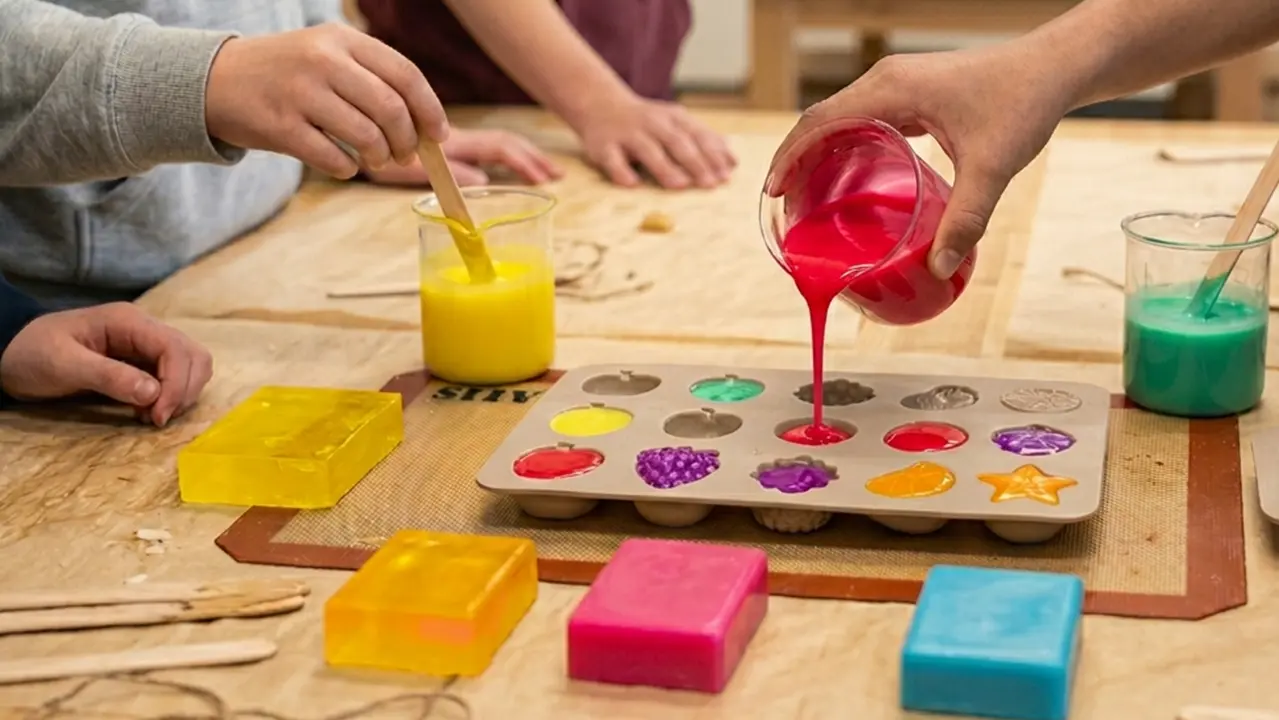
Students create molded soap similar to what colonial families used. This classroom-safe version uses melt-and-pour soap and fruit-shaped molds, connecting to the agricultural life of the Middle Colonies.
Directions:
- Melt a block of melt-and-pour soap base in a microwave-safe container, heating in short intervals and stirring until smooth.
- Add optional ingredients such as a drop of essential oil or natural coloring.
- Carefully pour the melted soap into molds.
- Allow the soap to cool and harden completely (30–60 minutes).
- Remove the soaps from the molds and let them cure overnight.
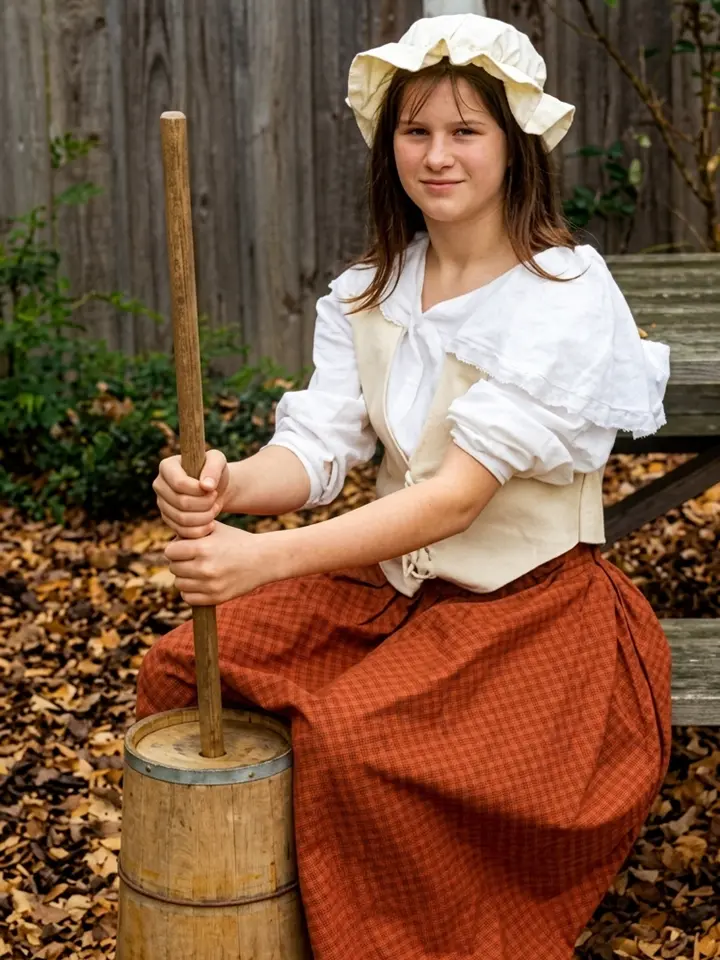
The Middle Colonies were known as the “Bread Colonies” because they produced grains and raised cattle. Students can experience colonial food preparation by making their own butter.
Directions:
- Allow heavy cream to sit at room temperature for about one hour.
- Pour the cream into a clean glass jar with a tight-fitting lid.
- Shake the jar continuously until the butter begins to form (about 20–25 minutes).
- Remove the solid butter and rinse it under cold running water.
- Press out any remaining liquid and pack the butter into a small dish.
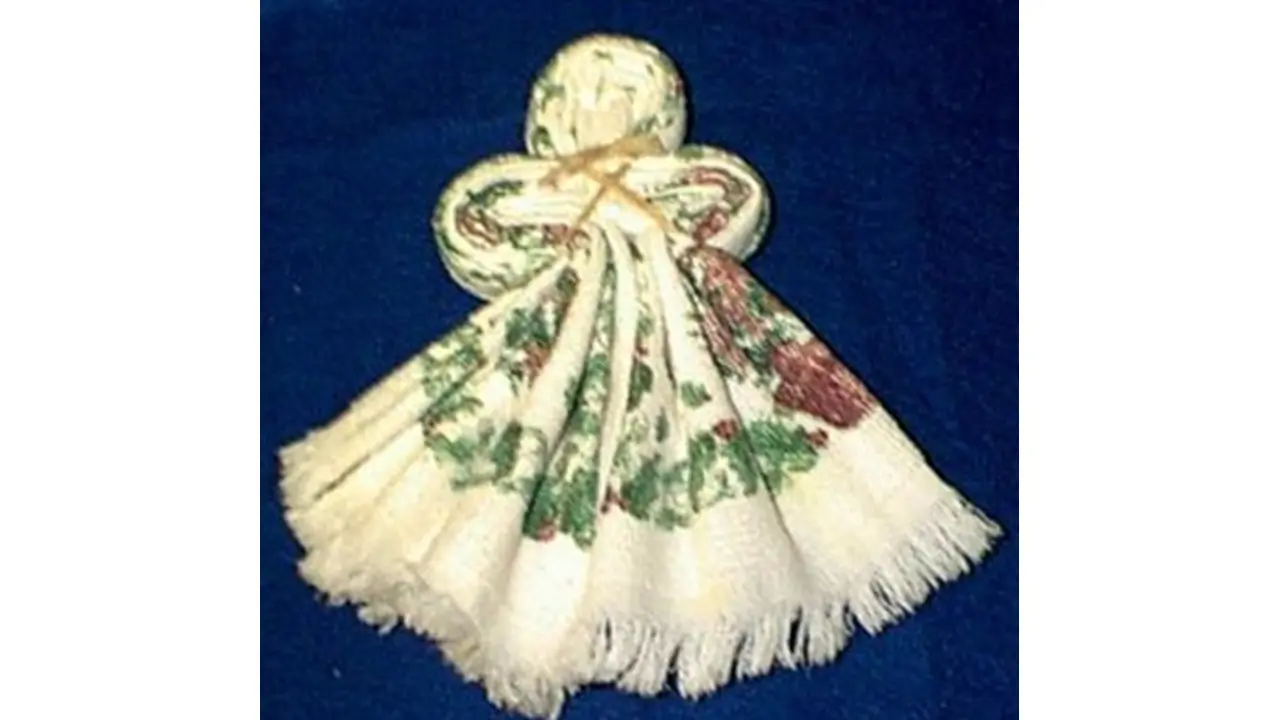
Students make a simple colonial rag doll using a dish towel and yarn. These dolls were common in colonial homes because they required no sewing and used materials families already had.
Directions:
- Lay a dish towel flat and fold it in half lengthwise.
- Tie yarn a few inches from the top to form the head.
- Gather small sections on each side and tie yarn to create the arms.
- Tie another piece of yarn around the middle to form the waist.
- Shape the bottom into a simple skirt or robe.
- Optional: Add a yarn bow, apron, or bonnet for decoration.
Colonial America Navigation
Explore the Full 13 Colonies Unit

This complete history unit includes research passages, organizers, writing tasks, quizzes, activities, and website research — all in printable and digital formats. Everything you need to teach the 13 Colonies with confidence.
View the Full Unit on TPT