The Haudenosaunee (Iroquois)
The people often called the Iroquois call themselves Haudenosaunee (ho-dee-no-SHOW-nee), "People of the Longhouse." Long before Europeans arrived, five nations in what is now New York joined together in a league of peace, one of the oldest governments in North America that is still working today.
The Haudenosaunee at a Glance
Haudenosaunee (Iroquois)
- Region: Eastern Woodlands (Northeast)
- Homeland: What is now New York State and nearby parts of Canada
- Nations: Mohawk, Oneida, Onondaga, Cayuga, Seneca, and later Tuscarora
- Homes: Longhouses
- Food: The Three Sisters: corn, beans, and squash
- Language: Iroquoian family
Key Facts
- Haudenosaunee means "People of the Longhouse."
- Five nations united under the Great Law of Peace.
- The Tuscarora joined in 1722, making Six Nations.
- Clan Mothers choose the chiefs.
- Lacrosse began with the Haudenosaunee.
Tap or hover over the card to flip it. Students can copy this information into their lapbook organizers before reading.
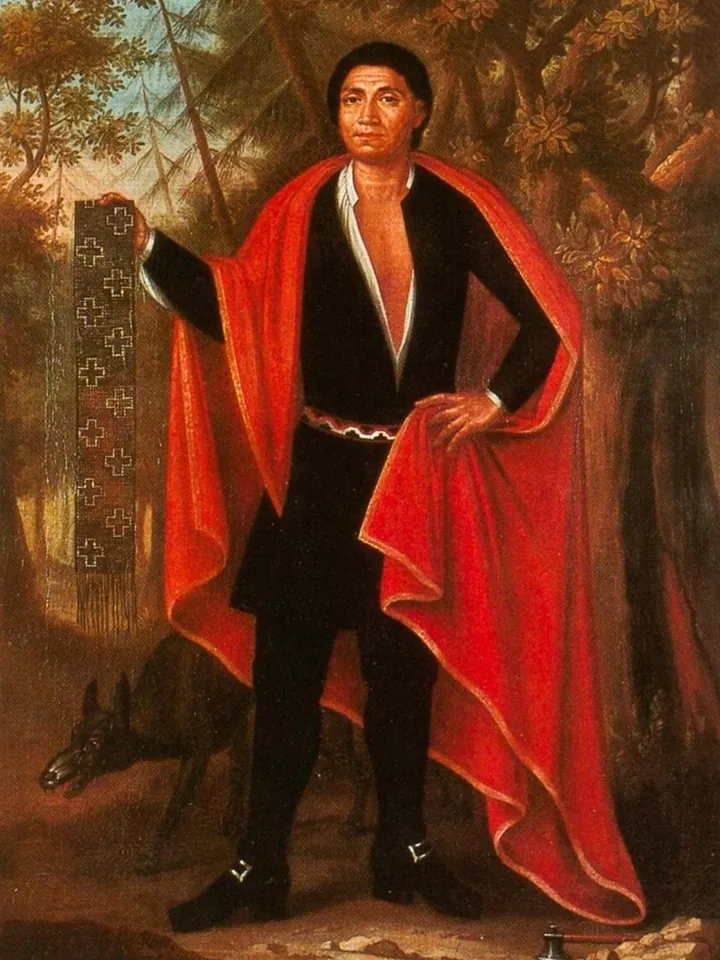
Look Closely: In 1710, three Mohawk leaders and one Mahican leader sailed to London to meet Queen Anne. The English called them the "Four Indian Kings," and the painter John Verelst made a portrait of each. The English called Tee Yee Neen Ho Ga Row "Emperor of the Six Nations." But in 1710 there were only five nations (the Tuscarora joined in 1722), and the Haudenosaunee had no emperor. Their chiefs made decisions together in council. Find the wampum belt in the painting. Why might the English have given him a title that was not true? Who was the title meant to impress?
Where the Haudenosaunee Lived Map
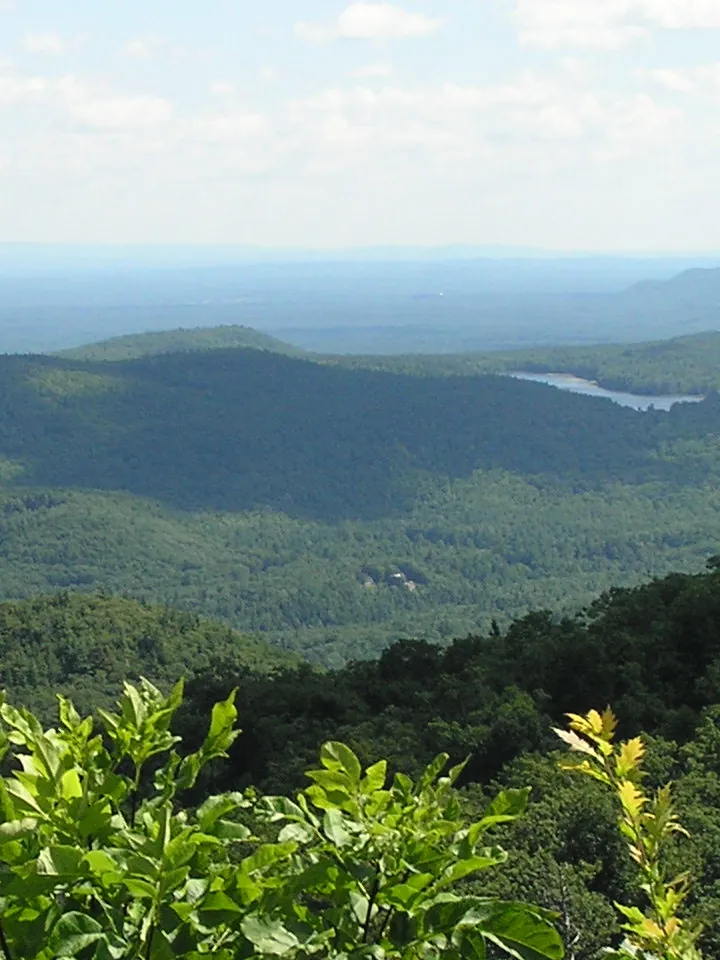
The Haudenosaunee homeland stretches across what is now upstate New York, from the Hudson River west to the Genesee River, and north into Canada. It is a land of forests, rolling hills, rivers, and long, narrow lakes called the Finger Lakes.
The Haudenosaunee picture their Confederacy as one great longhouse stretching across their land. The Mohawk are the Keepers of the Eastern Door, the Seneca are the Keepers of the Western Door, and the Onondaga, in the middle, are the Firekeepers who host the Grand Council. The Oneida and Cayuga live between them.
Homes Homes
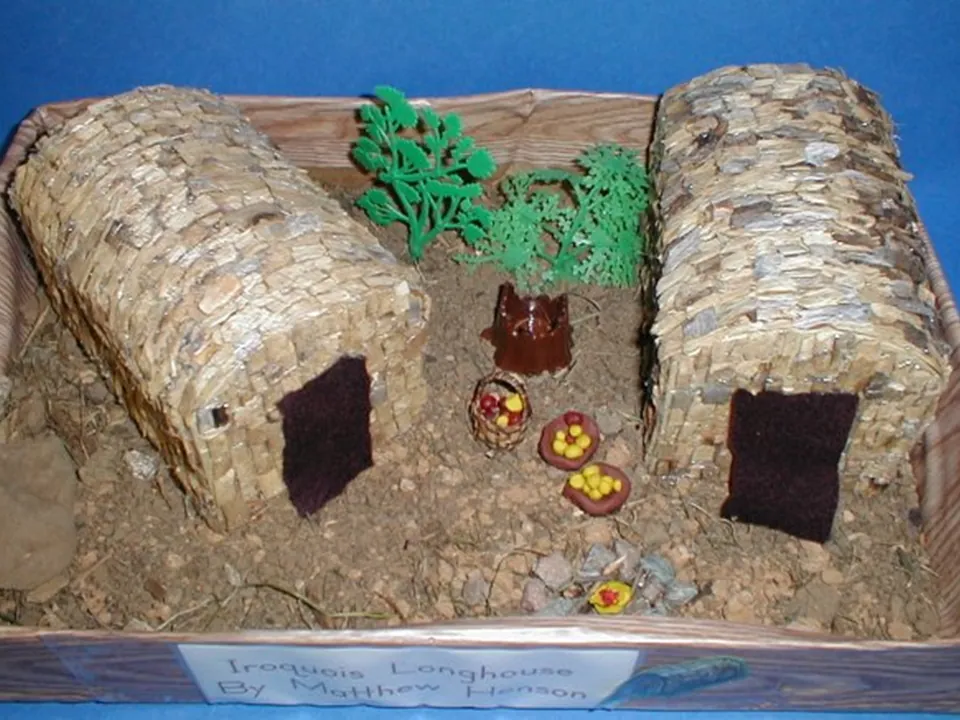
The Haudenosaunee lived in longhouses. Builders set two rows of poles in the ground, bent them together at the top to make an arched roof, and covered the frame with large slabs of elm bark. Most longhouses were 60 to 200 feet long and about 20 feet wide, with a door at each end.
A wide aisle ran down the middle. Every 20 feet or so, a fire burned in the aisle, shared by two families who lived across from each other. Smoke rose through holes in the roof. Each family had a raised platform for sleeping, with storage shelves above. Everyone in a longhouse belonged to the same clan, and the oldest woman of the clan was the head of the house.
Villages had several longhouses and were often surrounded by a palisade. Every 10 to 20 years, when the soil and firewood nearby were used up, the village moved to a new place.
Clothing Clothing
Clothing was made mostly from deerskin. Men wore breechcloths, leggings, and in cold weather a tunic and robe. Women wore skirts, leggings, and overdresses. Moccasins were decorated with dyed porcupine quills, and later with glass beads.
Haudenosaunee men wear a feathered cap called a gustoweh (gus-TOH-weh). The way the eagle feathers are placed shows which nation a man belongs to. A Mohawk gustoweh has three feathers standing straight up, and a Seneca gustoweh has one.
Food Foods
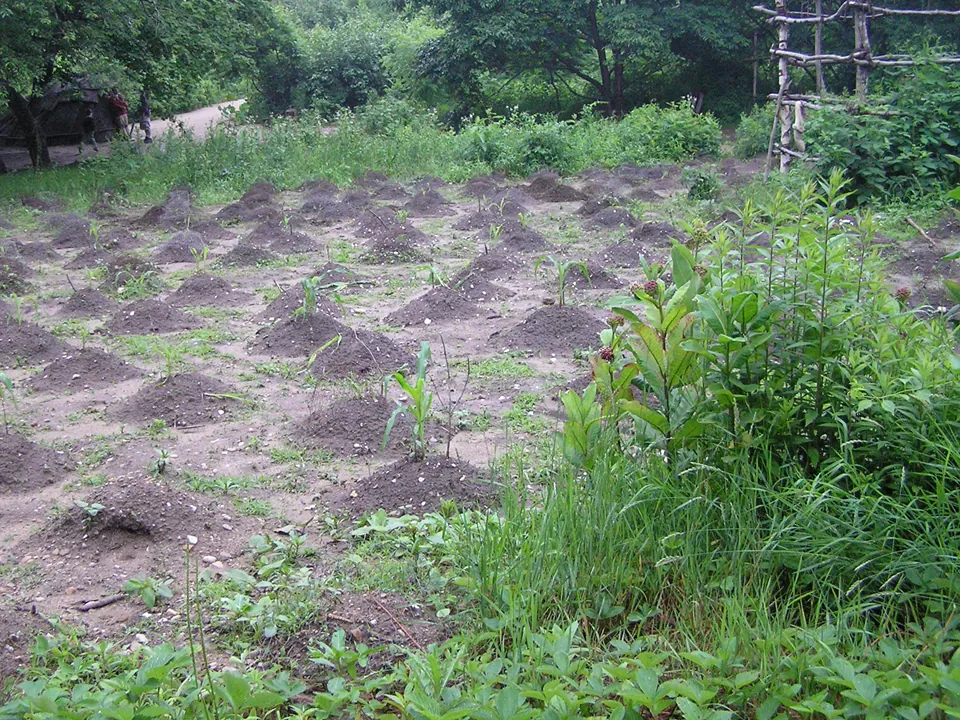
Haudenosaunee women planted the Three Sisters: corn, beans, and squash, grown together in the same mound. The corn stalk gives the beans a pole to climb. The beans add nutrients that help the soil. The big squash leaves shade the ground, keeping it moist and blocking weeds. Eaten together, the three foods make a healthy diet.
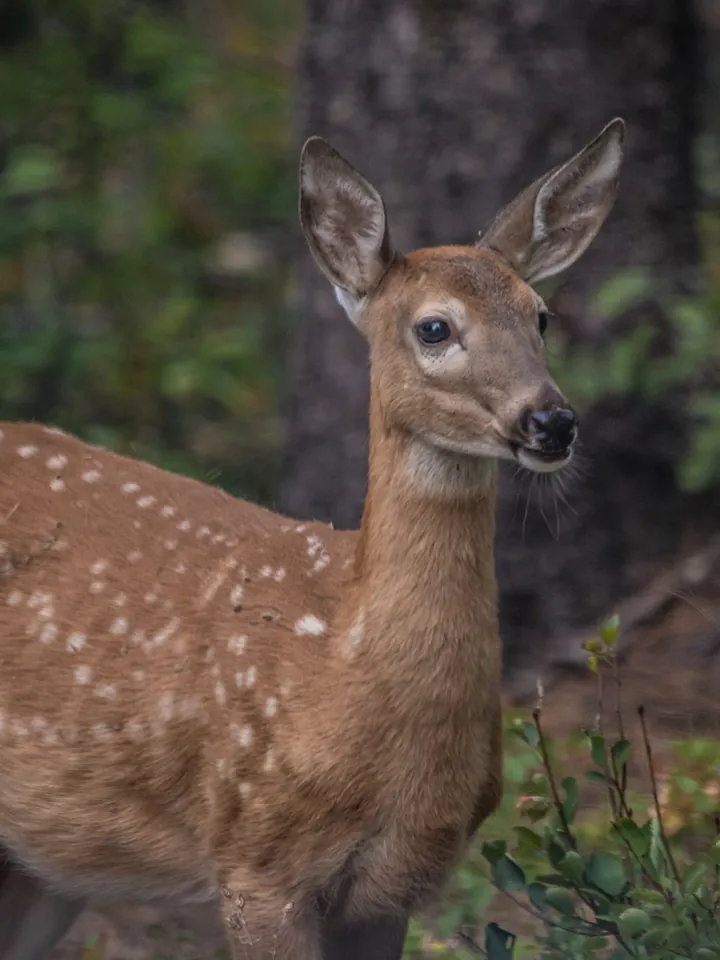
Women owned the fields and the harvest. Men cleared land, hunted deer, bear, and turkeys, and fished in the lakes and rivers. Families also gathered strawberries, nuts, and maple sap. Corn was made into soup, bread, and mush.
Customs and Beliefs Recreation/Games
The Great Law of Peace
Haudenosaunee tradition tells that the five nations were once at war with one another. A messenger called the Peacemaker, with the help of a man named Hiawatha, persuaded them to stop fighting and live by the Great Law of Peace. The leaders buried their weapons beneath a great white pine, the Tree of Peace. The Confederacy's Grand Council still meets at Onondaga.
Clan Mothers
Every Haudenosaunee person belongs to a clan, such as Turtle, Bear, Wolf, Deer, or Heron, through their mother. The Clan Mother of each clan chooses its chief. If a chief does not serve the people well, the Clan Mother can remove him.
Giving Thanks
Gatherings begin with the Thanksgiving Address, which gives thanks to the people, the earth, the waters, the plants, the animals, the winds, the sun, the moon, and the stars. Ceremonies throughout the year celebrate the maple sap, planting, strawberries, green corn, and the harvest. The Midwinter Ceremony begins the new year. During Midwinter, the two halves of the community play the Bowl Game, using six peach stones, burned black on one side, shaken in a wooden bowl.
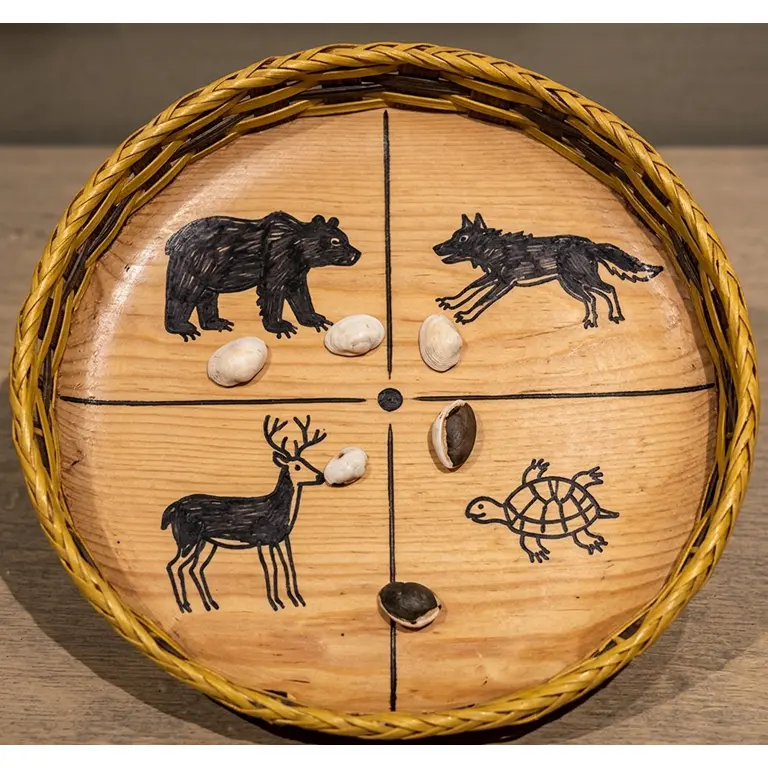
Lacrosse, the Creator's Game
Lacrosse began with the Haudenosaunee, who call it the Creator's Game. It is played for fun, for healing, and to honor the Creator. Today the Haudenosaunee Nationals compete in world lacrosse championships as their own nation.
Showing Respect: Some Haudenosaunee masks and ceremonies are sacred. The Haudenosaunee have asked that their medicine masks not be displayed, sold, or copied, and many museums have returned them. That is why this page does not show them.
Tools and Travel
Haudenosaunee men made bows, arrows, wooden ball-headed clubs, and canoes covered with elm bark. In winter, snowshoes let hunters travel over deep snow. Women made pottery, baskets, and wooden mortars and pestles for pounding corn into flour. Footpaths connected the villages from one end of the Confederacy to the other.
Art Art
Wampum beads are made from white and purple shells found along the Atlantic coast. The Haudenosaunee, who lived inland, got the shells through trade. Wampum belts are records: their patterns stand for agreements and events. The Hiawatha Belt shows the five original nations joined together. The Two Row Wampum shows an agreement with Dutch traders in the 1600s: two peoples traveling side by side, each in its own boat, never steering into the other's path.
Haudenosaunee artists also weave baskets from black ash splints and sweetgrass, make dolls from corn husks, and create raised beadwork, in which beads are stacked so the design stands up from the cloth.

The Haudenosaunee Today
The Haudenosaunee nations live in New York, Ontario, Quebec, Wisconsin, and Oklahoma. Six Nations of the Grand River in Ontario has the largest population of any First Nation in Canada. The Onondaga Nation, near Syracuse, New York, still hosts the Grand Council under the Great Law of Peace.
Some historians believe the Haudenosaunee Confederacy influenced the men who wrote the U.S. Constitution. In 1988, Congress passed a resolution recognizing that influence.
Activities
The Hunting Trip
Listen to a draw-along story set in a Haudenosaunee village, watch the picture grow, and guess what Little Dove found.
For teachers: Animated story with narration, discussion questions, and a "write your own draw-along story" extension. Good for younger students and listening skills.
Start the Activity
Three Sisters Garden
Plan a Three Sisters mound and see how corn, beans, and squash help one another grow.
For teachers: Classroom version below. Science connection: plant needs and how plants help each other. Planting takes one class period; the garden grows for 3–4 weeks.
Classroom Directions
Materials
- 3 clear plastic cups per group (or one large pot)
- potting soil
- seeds: field corn, pole beans, and squash or pumpkin
- craft sticks and markers for labels
Directions
- Fill a large pot (or three cups) with soil and make a small hill in the middle.
- Plant 3–4 corn seeds near the top of the hill. Water every few days.
- When the corn is about 6 inches tall, plant 4 bean seeds around each corn plant.
- A week later, plant 2 squash seeds near the edge of the pot.
- Draw and label your garden each week. Record which plant climbs, which shades the soil, and which stands tallest.
- Write: How does each sister help the other two?
Word Match
Drag each word to its definition, or tap a word and then tap its definition.