The Seminole
The Seminole nation formed in the 1700s, when Creek people and others from Georgia and Alabama moved south into Florida, which then belonged to Spain. Later, the United States fought three wars to remove the Seminole from Florida. A few hundred Seminole refused to leave and hid deep in the Everglades. Their descendants call themselves the Unconquered People.
The Seminole at a Glance
The Seminole
- Region: Eastern Woodlands (Southeast)
- Homeland: Florida; earlier, Georgia and Alabama with the Creek
- Homes: Chickees (open-sided houses with thatched roofs)
- Food: Corn, pumpkins, sweet potatoes, coontie flour, fish, deer
- Languages: Muscogee (Creek) and Mikasuki
- Today: Seminole Tribe of Florida, Miccosukee Tribe, Seminole Nation of Oklahoma
Key Facts
- The Seminole formed from Creek and other peoples who moved to Florida.
- People who escaped slavery joined them; they are known as Black Seminoles.
- The U.S. fought three Seminole Wars between 1817 and 1858.
- The Seminole never signed a treaty of surrender.
- Seminole patchwork began in the early 1900s.
Tap or hover over the card to flip it. Students can copy this information into their lapbook organizers before reading.
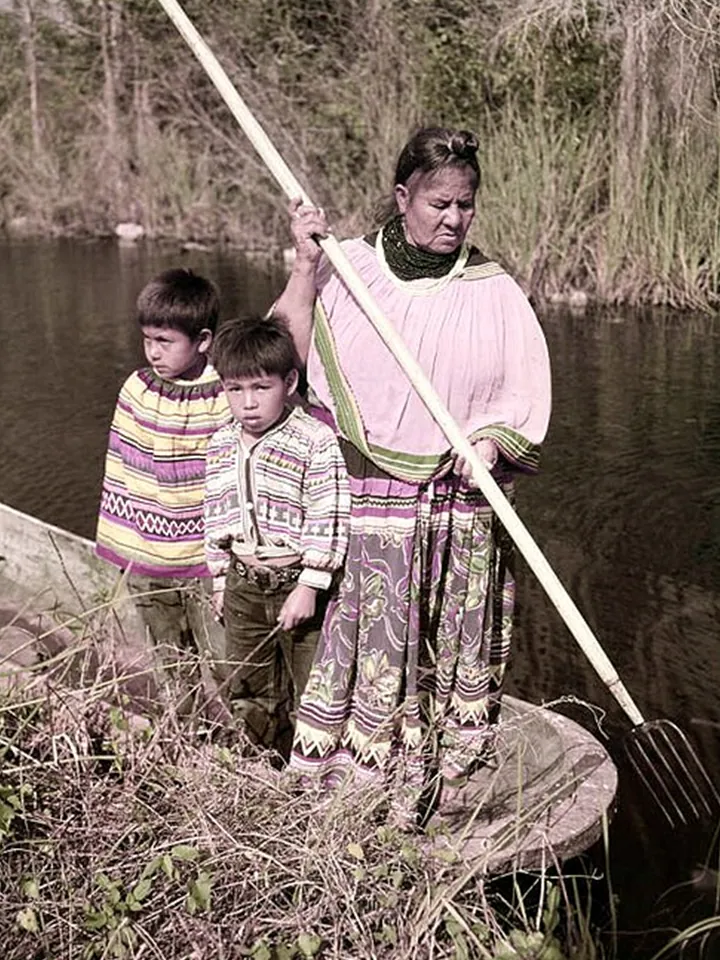
Look Closely: Look at the photograph in the Clothing section of a Seminole woman and two boys in a dugout canoe. All three wear clothing with bands of patchwork. Seminole women began making patchwork in the early 1900s, after they got hand-cranked sewing machines. Without a date on the photo, what does the patchwork tell you about the earliest year it could have been taken? What else in the picture gives you clues: the canoe, the pole, the land?
Where the Seminole Lived Map
The Seminole came from the Creek (Muscogee) towns of Georgia and Alabama. In the 1700s, groups of Creek and Mikasuki-speaking people moved south into Spanish Florida, where there was land for farming and cattle. The name Seminole may come from the Spanish word cimarrón, meaning "wild" or "runaway."
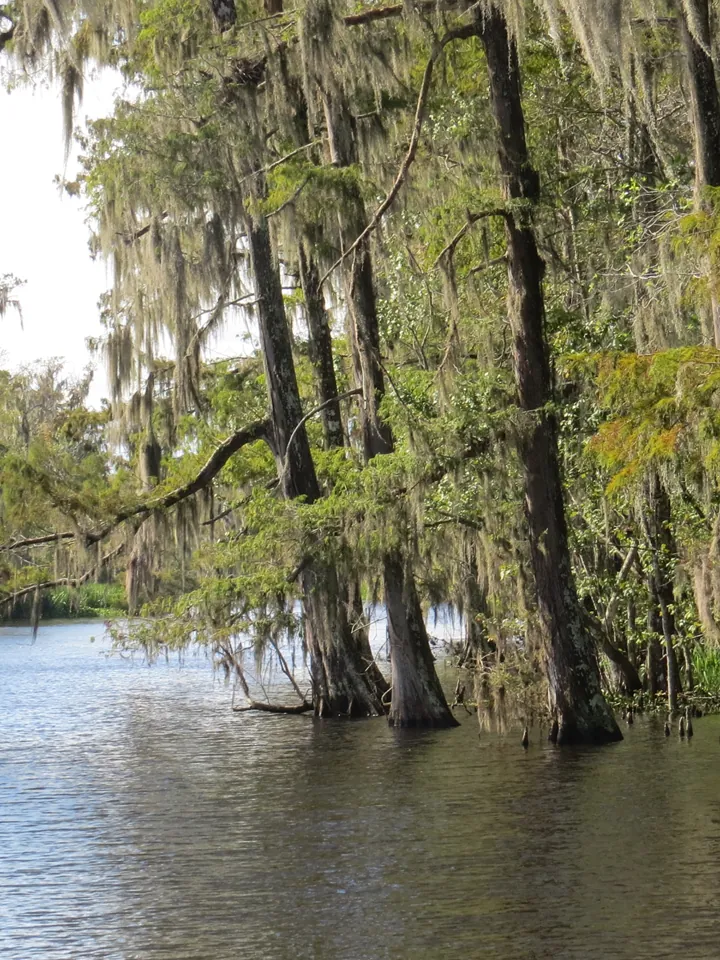
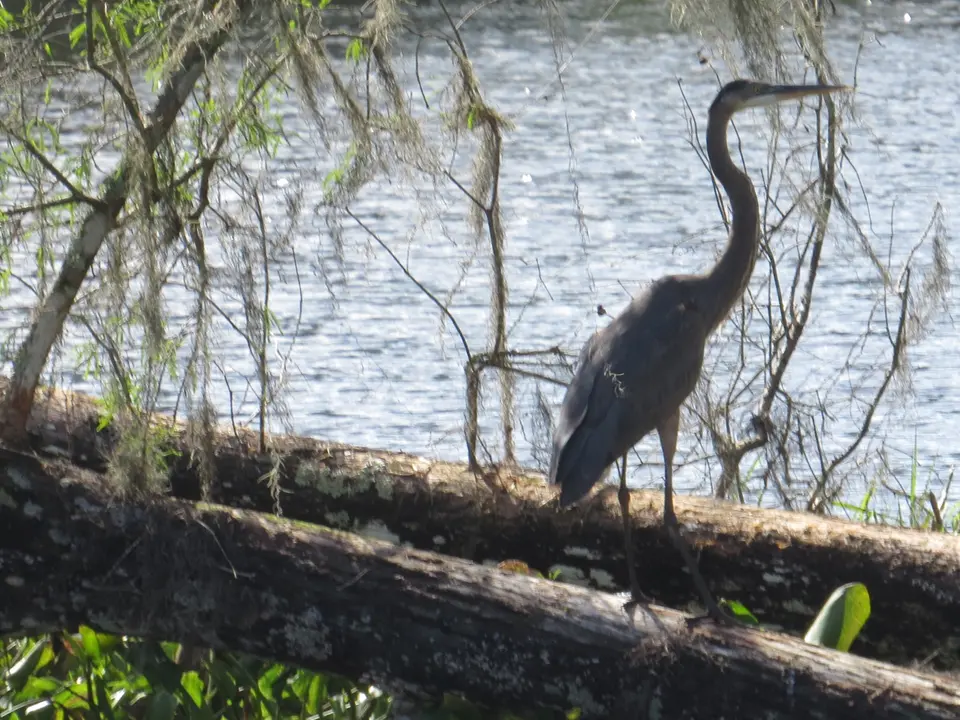
Florida is warm and wet, with pine forests, grassy prairies, and huge swamps. As the U.S. Army pushed them south, the Seminole moved into the Everglades and the Big Cypress Swamp, where soldiers had a hard time following.
Homes Homes
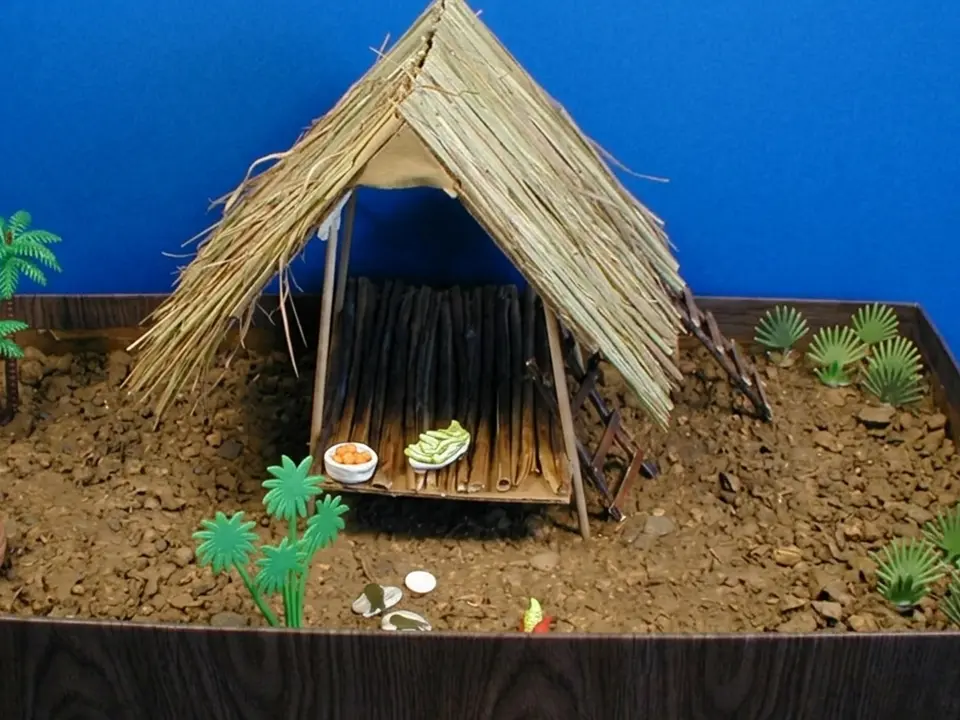
Before the wars, Seminole families lived in log houses in farming towns, much like the Creek. During the Second Seminole War (1835–1842), families had to move quickly and build new homes in the swamps. They began building chickees.
A chickee has posts made of cypress logs, a wooden floor raised about three feet off the ground, and a roof thatched with palmetto leaves. It has no walls, so cool breezes blow through. The raised floor keeps people dry when the ground floods and away from snakes and insects. A family camp had several chickees: one for sleeping, one for eating, and one for cooking, where a fire burned on the ground.
Seminole builders still make chickees today, for homes, parks, and restaurants.
Clothing Clothing
Early Seminole clothing was made of deerskin and cloth from traders. By the 1800s, men wore long shirts with belts, and women wore long skirts and short capes. Women wore many strands of glass beads around their necks, bought at trading posts.
In the early 1900s, Seminole women got hand-cranked sewing machines and invented patchwork. They cut brightly colored cloth into strips and small pieces, then sewed them back together into bands of designs. Each band can take hours to make. Patchwork skirts, shirts, and jackets are still worn today, especially for special events.
Food Foods
Like the Creek, Seminole families were farmers. They grew corn, beans, pumpkins, squash, and sweet potatoes, and later melons, sugarcane, and citrus. A favorite food was sofkee, a thin corn soup kept warm in a pot for anyone who was hungry.
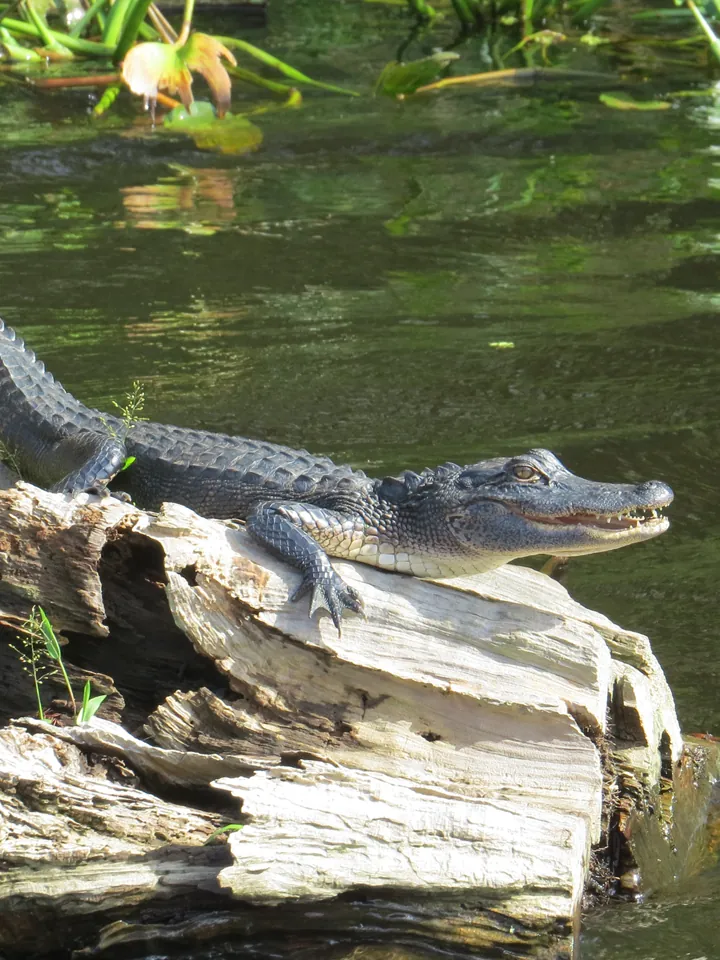
Seminole women dug up the root of the coontie plant, pounded it, and washed it to make flour for bread. Men hunted deer, turkeys, turtles, and alligators and fished in the rivers and lakes. Families also ate the tender heart of the cabbage palm, often called swamp cabbage.
Customs and Beliefs Villages Book
Every Seminole belongs to a clan, such as Panther, Bird, Bear, Snake, Deer, Wind, or Otter, through their mother. The clan is like a large extended family.
The most important ceremony is the Green Corn Dance, held each year when the corn ripens. It is a time for renewal, forgiveness, naming, and settling disputes, with dancing, games, and feasting. The Green Corn Dance is private, held only for Seminole people.
Seminole people also play stickball, a ball game like the one played by the Cherokee and Creek.
The Seminole Wars
Many people who had escaped slavery in Georgia and the Carolinas fled to Florida. Some lived in their own towns near the Seminole and fought beside them. They are known as Black Seminoles. Slaveholders wanted them returned, and settlers wanted Seminole land, so the United States fought three Seminole Wars (1817–1818, 1835–1842, and 1855–1858).
The Second Seminole War was the longest and most expensive war the United States fought against a Native nation. The Seminole leader Osceola became famous for refusing to leave. About 3,000 Seminole were forced to move to Indian Territory (now Oklahoma), but a few hundred stayed hidden in the Everglades. The wars ended without a treaty of surrender.
Tools and Travel
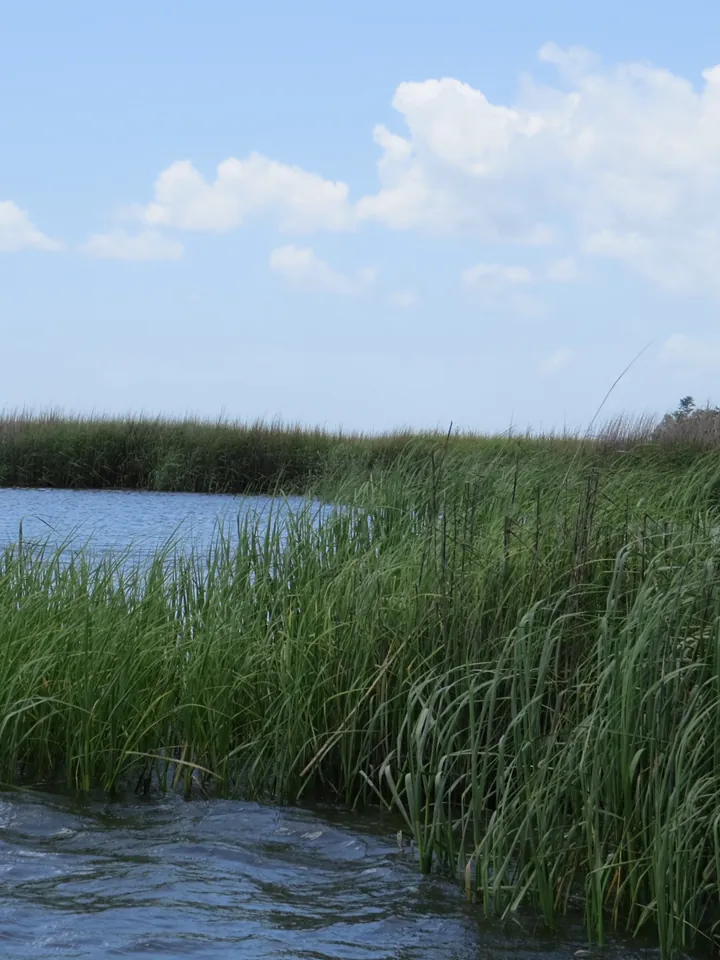
The Seminole traveled the swamps in dugout canoes carved from cypress logs. Instead of paddling, they often stood and pushed the canoe with a long pole through shallow water and sawgrass. Hunters used bows and arrows, later rifles, and long-handled gigs for spearing frogs and fish.
Art Art
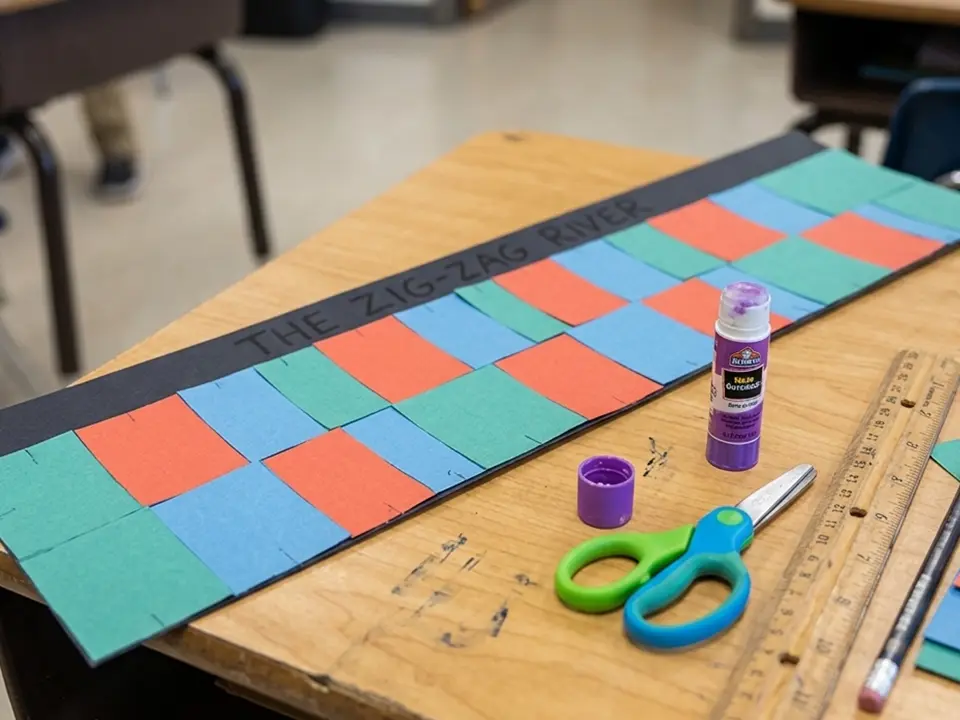
Seminole artists are famous for patchwork. They also make baskets of sweetgrass coiled and sewn with thread, and dolls made from the fiber of the palmetto plant, dressed in tiny patchwork clothes. Seminole patchwork is a living art made and sold by Seminole artists, so making your own paper patchwork design is a respectful way to learn about it.
The Seminole Today
There are three Seminole nations today. The Seminole Tribe of Florida has reservations at Big Cypress, Brighton, Hollywood, and other places. It owns Hard Rock International and runs the Ah-Tah-Thi-Ki Museum in the Big Cypress Swamp. The Miccosukee Tribe of Indians of Florida lives along the Tamiami Trail in the Everglades. The Seminole Nation of Oklahoma is made up of descendants of the people removed in the 1800s.
Activities
Seminole Patchwork Designer
Sew strips, cut pieces, and use reflections and translations to design colorful patchwork bands you can print.
For teachers: Online designer plus paper patchwork directions. Geometry connection: reflection and translation. Seminole patchwork is a living art sold by Seminole artists, so this is a respectful craft to make.
Start the ActivityFamous People Connected to This Page
Word Match
Drag each word to its definition, or tap a word and then tap its definition.