Native American Art and Trade
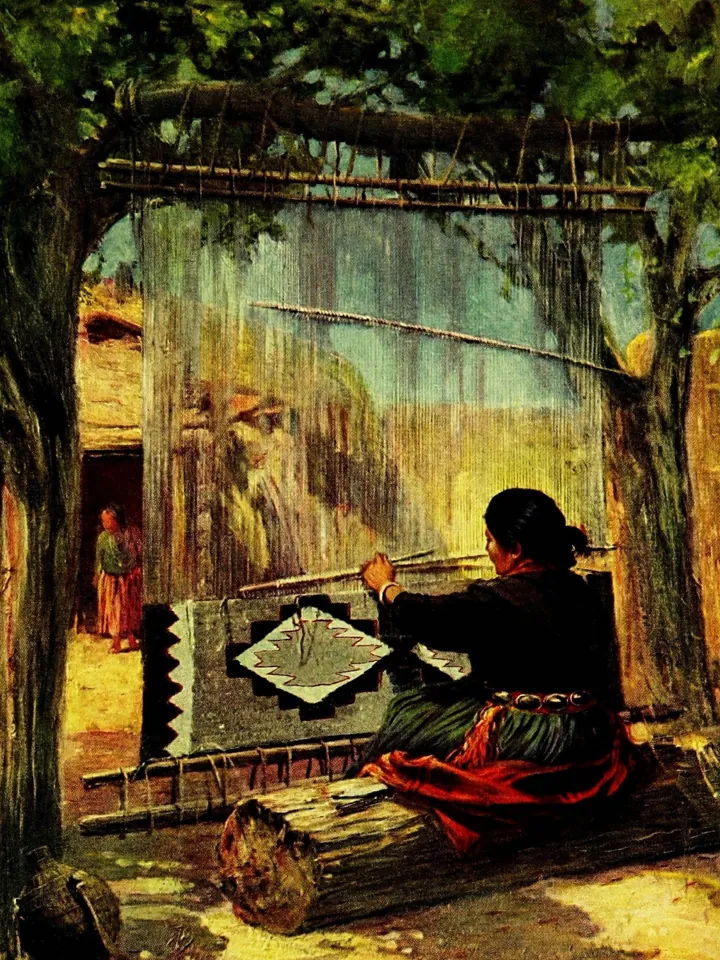
Native nations across North America made beautiful things by hand: pottery, baskets, beadwork, carvings, and weavings. Artists used materials they found nearby, and they traded with other nations for things they could not find at home. Turquoise from the Southwest, shells from the coasts, and glass beads from European traders all traveled hundreds of miles.
As you read, ask two questions about each art form: What is it made of? and Did the materials come from nearby, or were they traded? Today, Native artists keep these art forms alive and create new ones.
Myth or Fact?
Myth!
The Seminole Tribe of Florida says this story came from a poem written by a non-Native woman. Seminole women bought glass beads at trading posts whenever they had extra money. A woman’s beads could weigh about 12 pounds!
Lesson: check what a nation says about itself before believing a popular story.
Eastern Woodlands
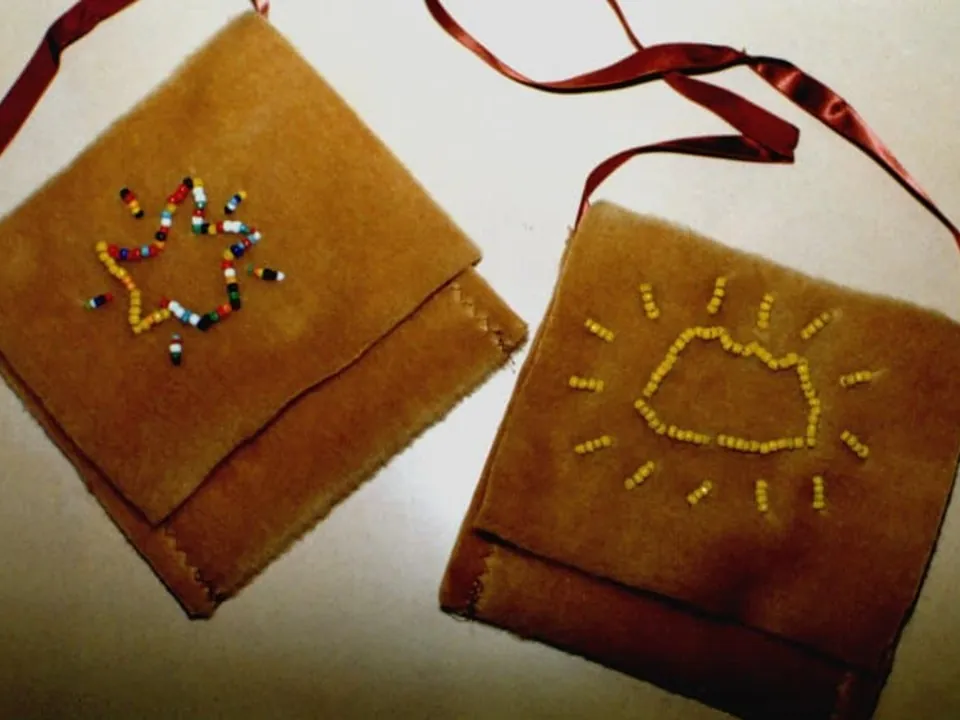
Great LakesOjibwe and Ho-Chunk Floral Beadwork
Artists of the Great Lakes used flowers, leaves, and vines as models for their designs. Ojibwe (also called Chippewa) beadworkers are known for flowing floral designs on bags, moccasins, and clothing. Ho-Chunk (Winnebago) artists often made floral designs that are balanced on both sides. Before glass beads arrived with European traders, artists decorated with dyed porcupine quills.
Northeast
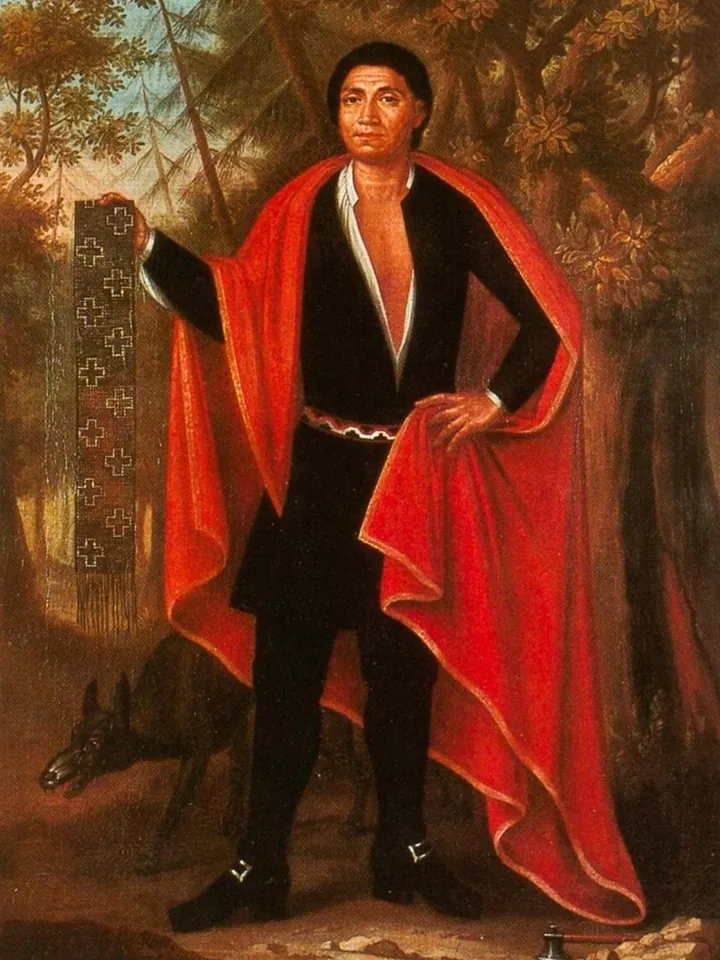
Haudenosaunee Wampum and Raised Beadwork
Wampum beads are made from white and purple shells found along the Atlantic coast. Nations living inland, like the Haudenosaunee (Iroquois), got the shells through trade. European colonists later used wampum as money, but for the Haudenosaunee, wampum belts are records. Their patterns stand for agreements between nations and important events, such as the founding of the Haudenosaunee Confederacy.
In the 1800s, Haudenosaunee beadworkers became famous for raised beadwork, in which beads are stacked so the design stands up from the cloth.
Southeast
Cherokee Rivercane Baskets
Cherokee basket makers weave baskets from rivercane, a tall native grass. They dye the strips dark with walnut and red with bloodroot. The most skilled weavers make double-weave baskets: a basket inside a basket, woven as one piece. Cherokee potters also pressed carved wooden paddles into wet clay to stamp designs on their pots.

Southeast
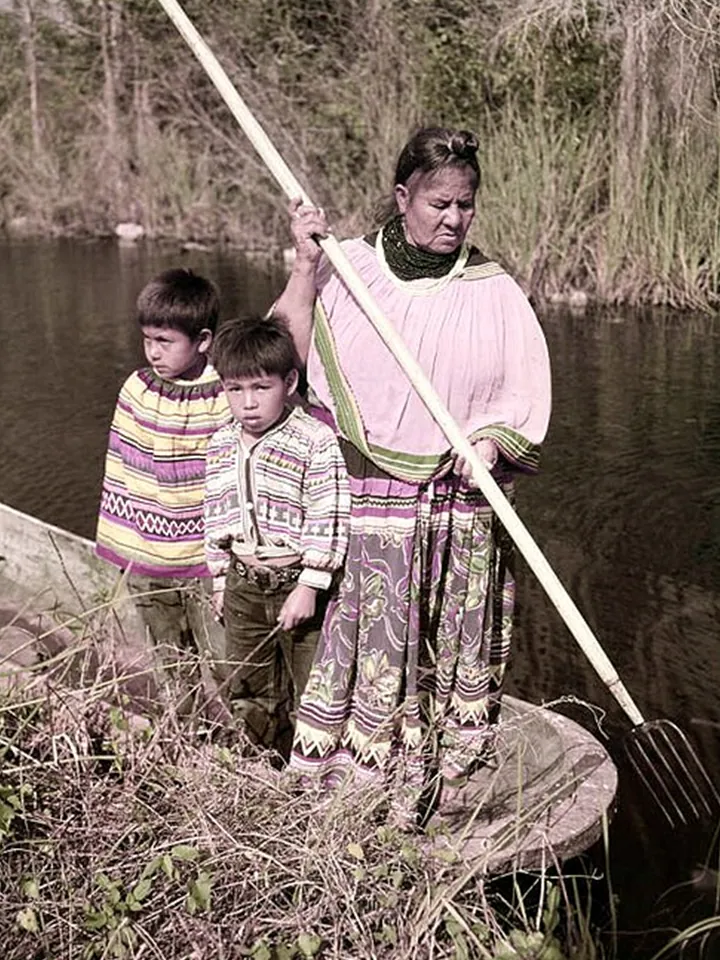
Seminole Patchwork
In the early 1900s, Seminole women began using hand-cranked sewing machines to create patchwork. They cut brightly colored cloth into strips and small pieces, then sewed them back together into rows of designs. One row can take hours to make. Seminole women also wore many strands of glass beads bought from trading posts.
Southwest
Pueblo NationsPueblo Pottery and Turquoise
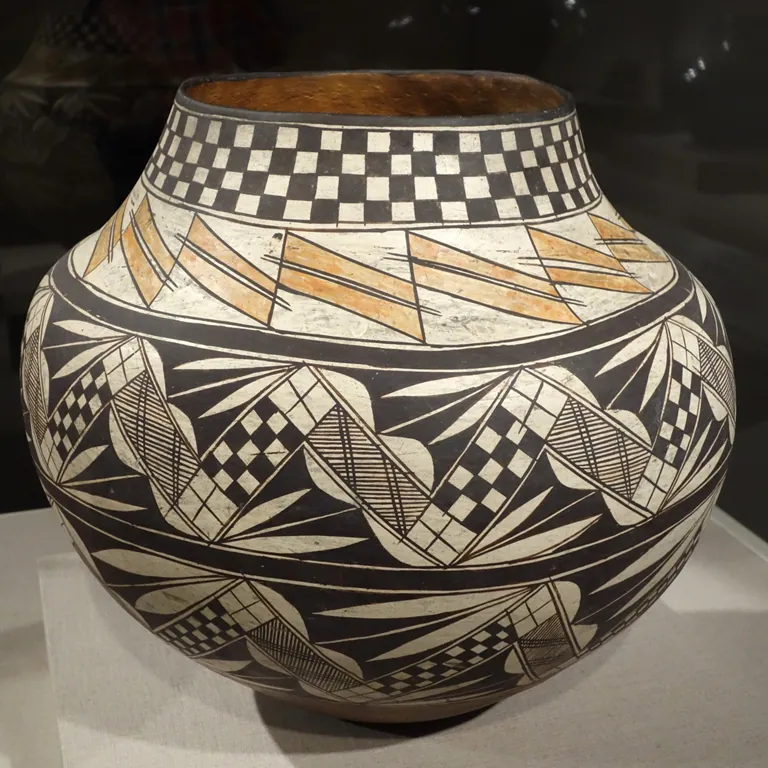
Pueblo potters build pots by hand. They coil ropes of clay, smooth them, and paint them with colors made from plants and minerals. Each Pueblo has its own style. Acoma potters are known for thin walls and fine black-and-white lines. At San Ildefonso Pueblo, Maria Martinez and her husband Julian became world famous in the 1900s for shiny black-on-black pottery.
Pueblo people and their ancestors have worked with turquoise for more than 1,000 years, drilling tiny beads and carving small figures. Chaco Canyon, an ancestral Pueblo center, sat at the heart of trade routes that reached to the Pacific coast and Mexico. Traders brought back seashells, copper bells, and bright red macaw feathers.
Navajo (Diné)
Navajo Weaving and Silverwork
Navajo weavers create rugs and blankets on upright looms, often using wool from their own sheep. Historians believe the Diné learned to weave from Pueblo neighbors in the 1600s. Navajo tradition teaches that Spider Woman taught the Diné to weave.
In the mid-1800s, Navajo artists learned silversmithing from Mexican silversmiths. By the 1880s, they were setting turquoise in silver, creating the jewelry many people picture today.

Plains
Quillwork, Beadwork, and Painted Hides
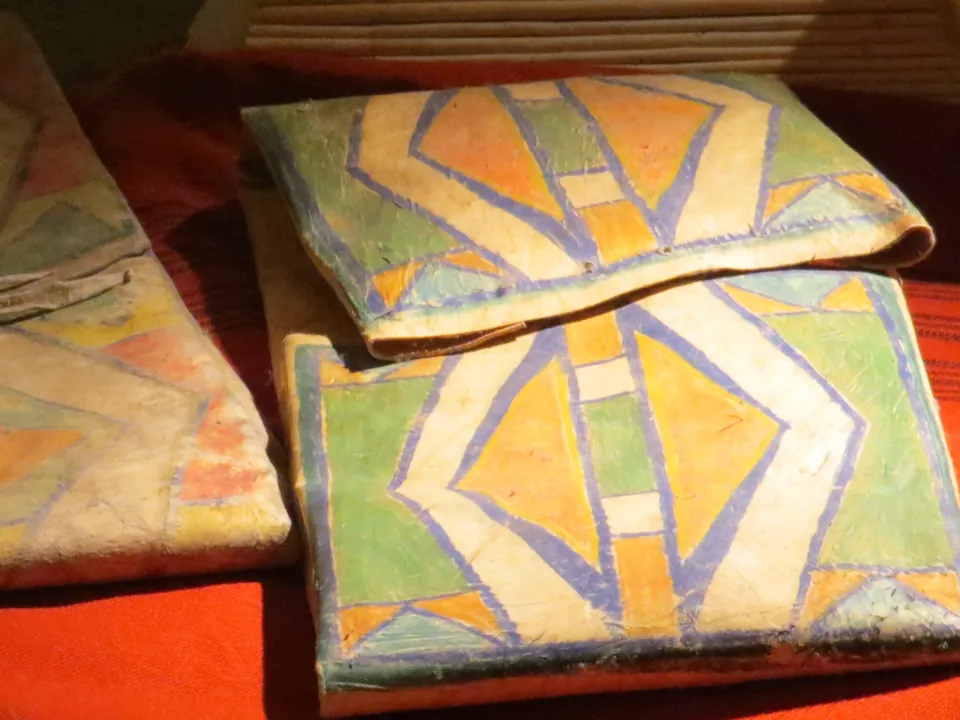
Plains artists decorated clothing and bags with dyed porcupine quills long before glass beads arrived. When traders brought beads in the 1800s, many artists switched to beadwork. They used bold geometric designs: triangles, diamonds, crosses, and stripes. Women painted geometric designs on parfleches.
Men painted pictures of important events on bison hides. When hides became scarce, artists drew on paper from account books called ledgers. This ledger art is still made today. Lakota winter counts used one picture to remember each year.
Northwest Coast
Formline Design and Chilkat Weaving
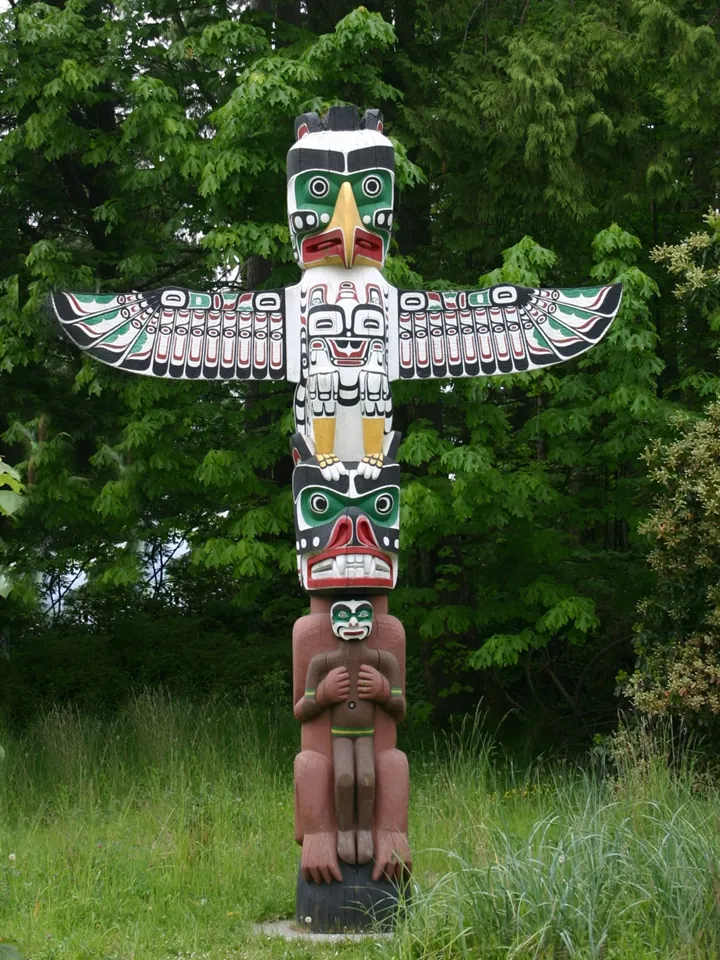
Northwest Coast artists carve and paint cedar to make houses, canoes, boxes, and poles. Their designs use a style called formline: flowing lines that swell and narrow, with ovoids (rounded rectangles) and U-shapes. Animals such as Raven, Eagle, Bear, and Killer Whale often appear as crests that belong to families and clans.
Tlingit weavers make Chilkat robes from mountain goat wool and cedar bark. A single robe can take a year or more to weave.
Arctic
Inuit Carving and Printmaking
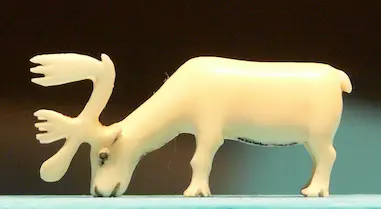
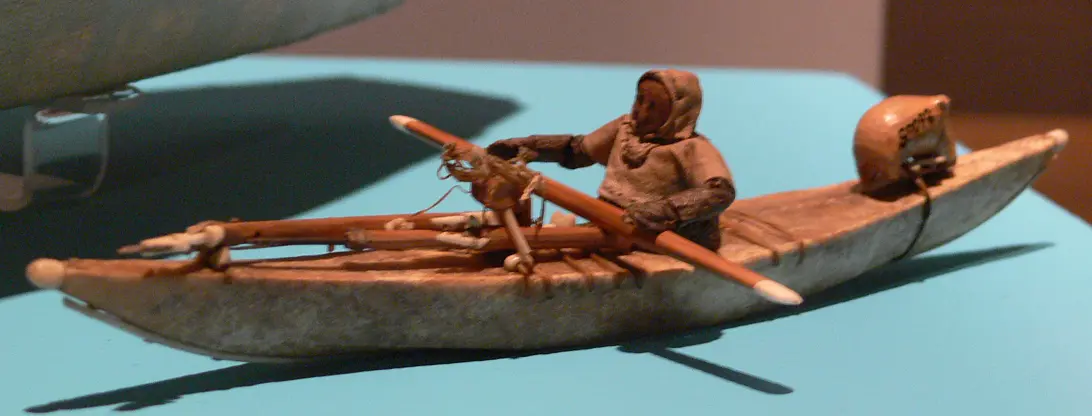
Inuit artists carve animals and people from ivory, bone, antler, and soapstone. Long ago, small carvings were made as toys, game pieces, and parts of tools. Inuit women also sew beautiful designs onto parkas.
In 1959, artists in Kinngait (Cape Dorset), Canada, released their first collection of prints. Kenojuak Ashevak’s print The Enchanted Owl became so famous it appeared on a Canadian postage stamp.
California
Pomo Baskets and Clamshell Beads
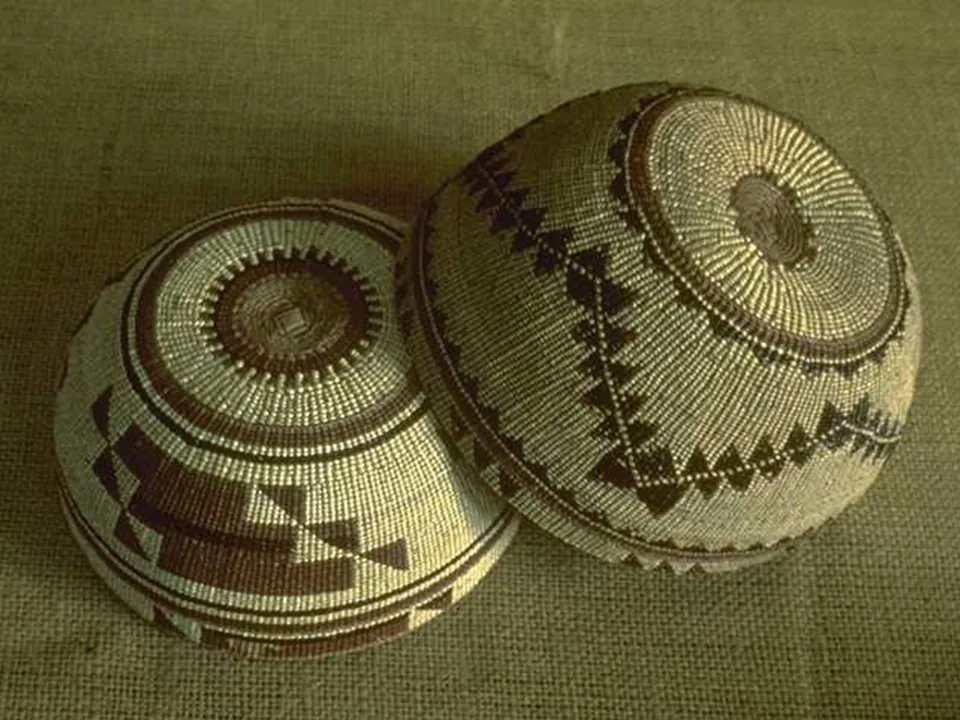
Pomo weavers are famous for some of the finest baskets in the world. Some are woven so tightly they hold water, and some are smaller than a fingertip. Baskets covered with bright bird feathers were made as treasured gifts.
The Pomo also made beads from clamshells, which were used like money in trade with other California nations. Pomo weaver Mabel McKay (1907–1993) became known around the world, and her baskets are in the Smithsonian.
Trade Across North America
Long before Europeans arrived, Native nations traded across the continent on foot, by canoe, and later on horseback. Trade brought materials, ideas, and art styles from one nation to another.
- Turquoise from the Southwest traveled hundreds of miles in trade.
- Macaw feathers, copper bells, and even chocolate from Mexico reached Chaco Canyon in present-day New Mexico.
- Dentalium shells from the Pacific coast were traded far inland, where they decorated dresses and jewelry.
- Shells from the Atlantic coast became wampum for the Haudenosaunee and other inland nations.
- After the 1600s, European traders brought glass beads, metal tools, and cloth. These new materials changed the art of many nations, but artists used them in their own ways.
Compare: What People Wore
Use this chart to compare how different nations decorated themselves. Then answer the questions below.
| Nation | Decoration | Materials | Nearby or traded? |
|---|---|---|---|
| Seminole | many strands of beads | glass | traded, bought at trading posts |
| Pueblo nations | turquoise and shell beads | turquoise, shell | turquoise mined nearby; shells traded from the coast |
| Navajo (Diné) | silver and turquoise jewelry | silver, turquoise | turquoise from the Southwest; silverwork learned in the 1800s |
| Plains nations | quillwork, later beadwork | porcupine quills, glass beads | quills nearby; beads traded |
| Haudenosaunee | wampum belts | whelk and quahog shells | traded from the Atlantic coast |
| Tlingit | Chilkat robes | mountain goat wool, cedar bark | nearby |
| Inuit | carved ornaments, decorated parkas | ivory, bone, skins, later glass beads | mostly nearby; beads traded |
| Pomo | clamshell beads | clamshell | nearby, and traded to other nations |
Think About It
- Which nations used materials that came from far away? How do you think those materials traveled?
- Choose two nations from the chart. How are their decorations alike? How are they different?
- How did the arrival of glass beads change art for some nations?
Word Match
Drag each word to its definition, or tap a word and then tap its definition.