Colonial Biographies
These short biographies highlight important figures from Colonial America. Each report follows the same five part structure used in my universal biography outline: early life, important events, contributions, challenges, and legacy. Teachers can use these examples to model biography writing or to support research during a Colonial America unit.
Hover or tap each card to explore fast facts about important figures from Colonial America.
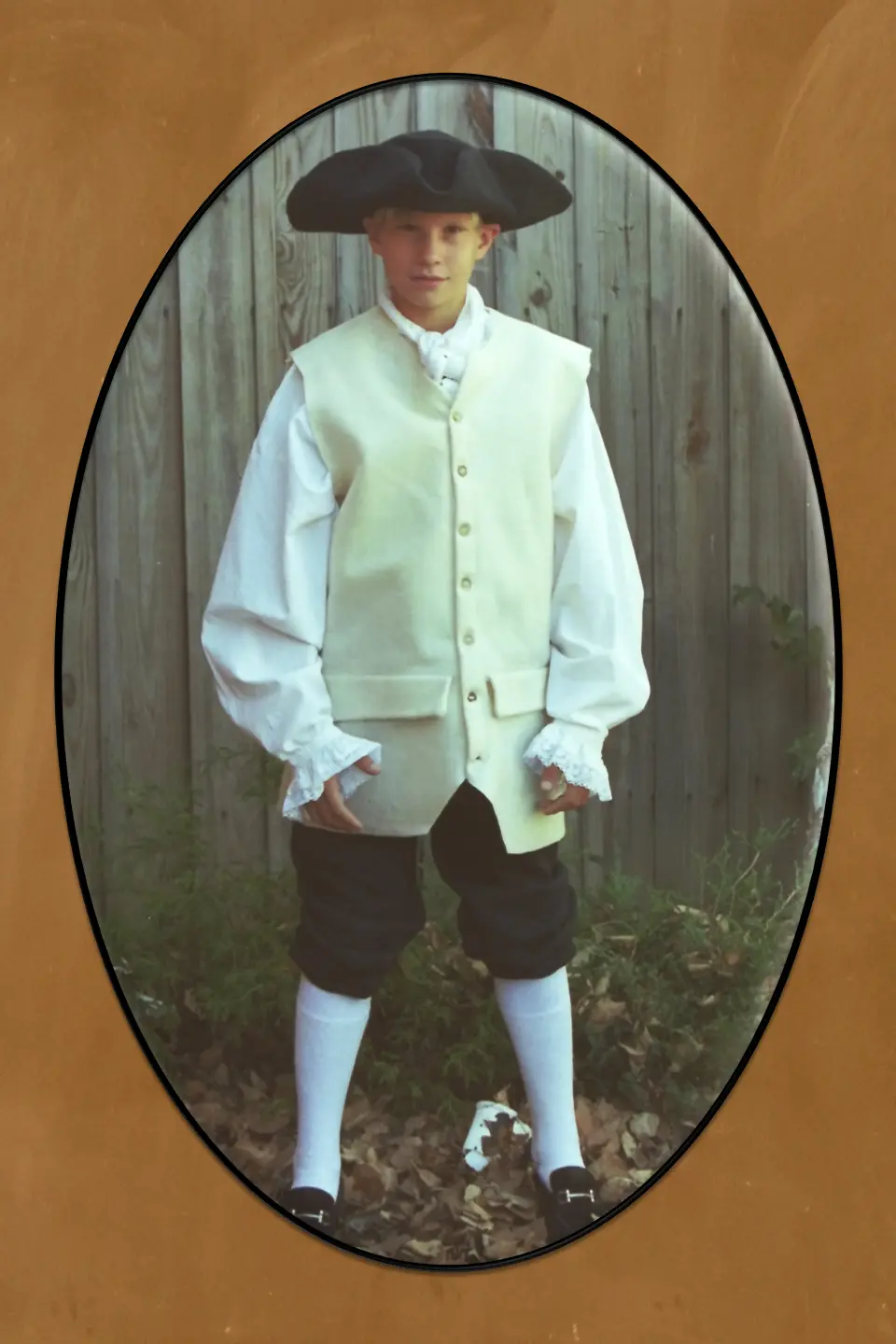
George Washington
Fast Facts
- First President of the United States
- Commander of the Continental Army
- Led America to victory in the Revolution
- Known for honesty and leadership
- Lived at Mount Vernon
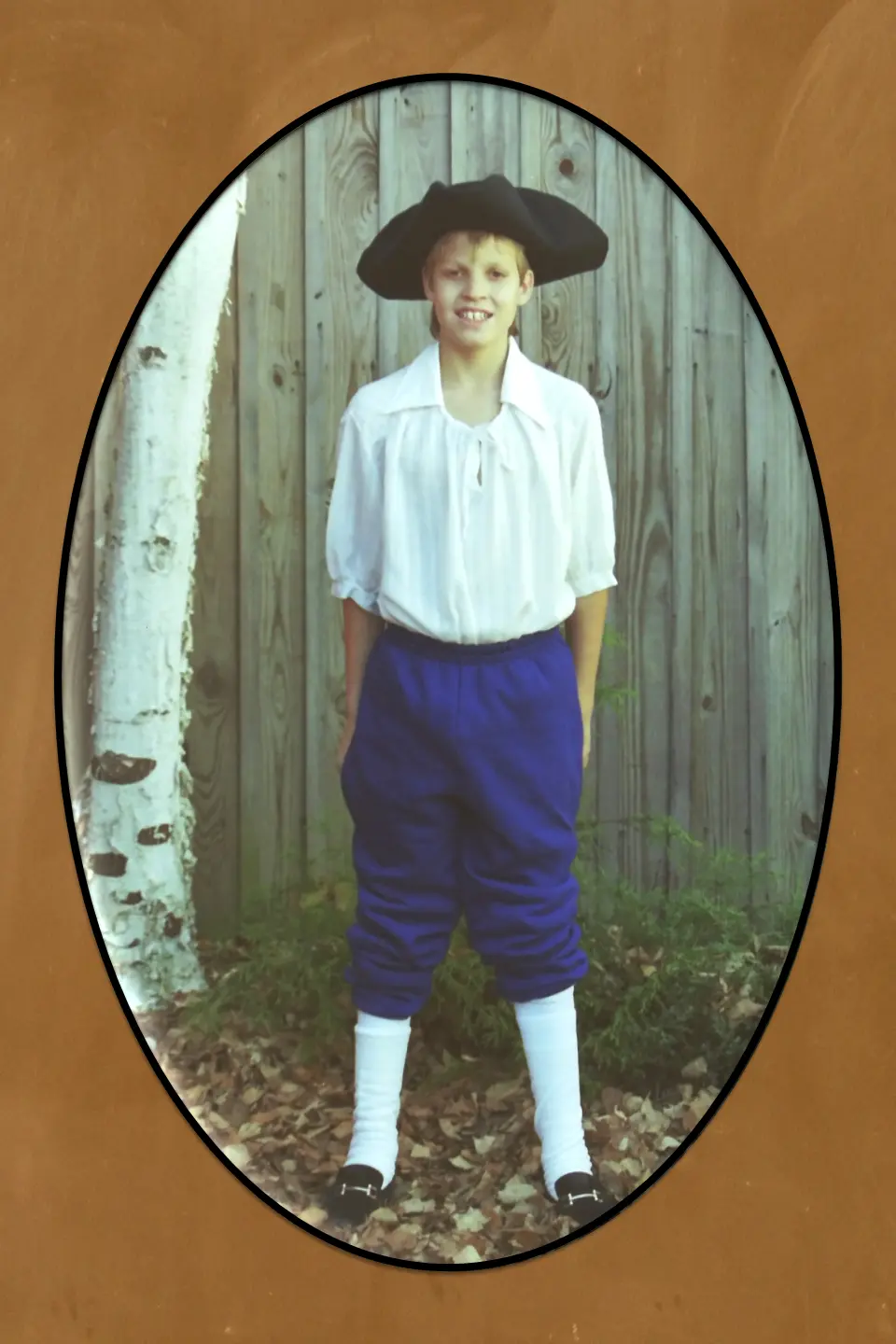
Paul Revere
Fast Facts
- Skilled silversmith and engraver
- Member of the Sons of Liberty
- Took part in the Boston Tea Party
- Made the famous midnight ride
- Warned colonists of British troops
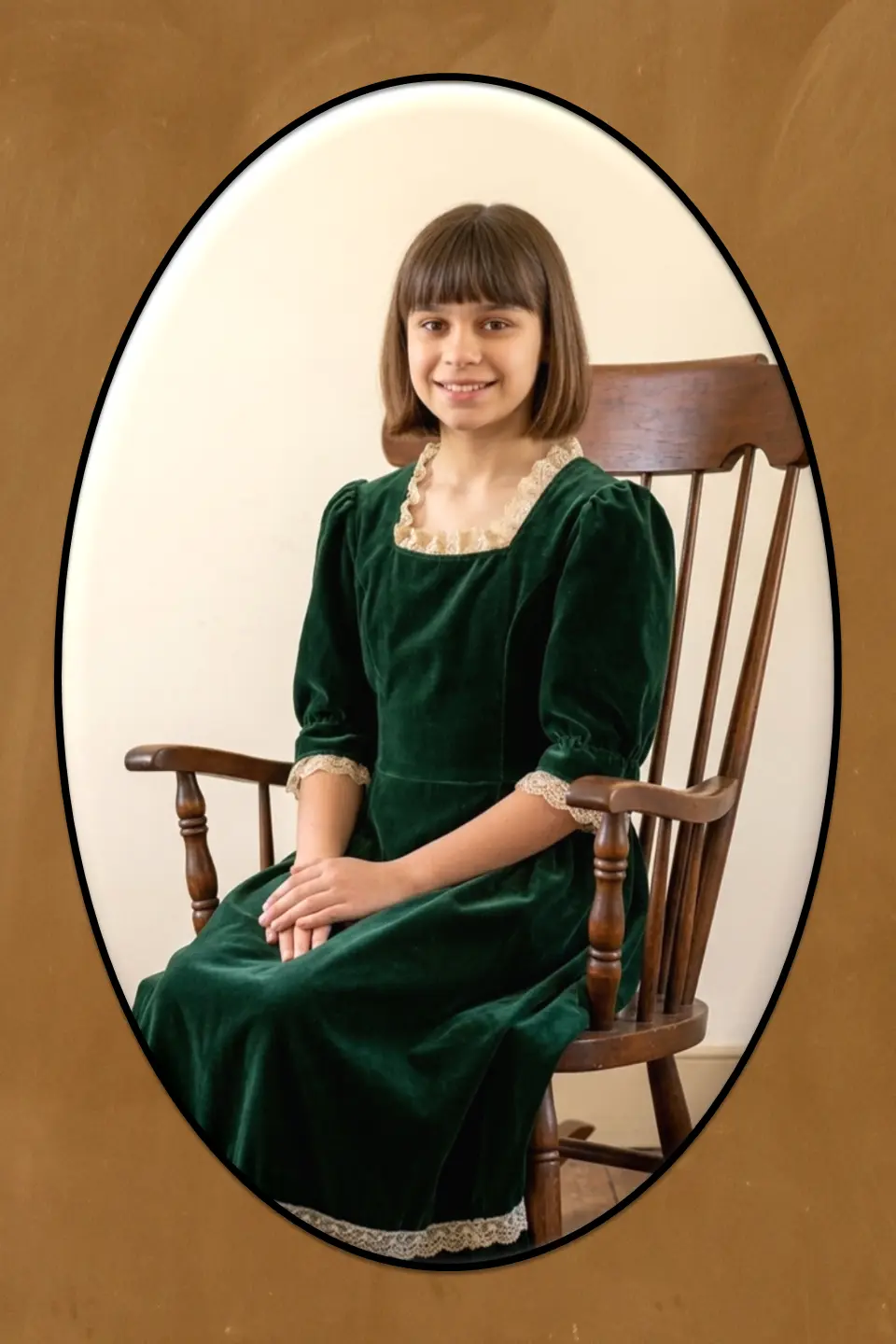
Betsy Ross
Fast Facts
- Skilled upholsterer and seamstress
- Sewed one of the earliest U.S. flags
- Suggested the five‑pointed star
- Worked in Philadelphia
- Raised several daughters
Benjamin Franklin
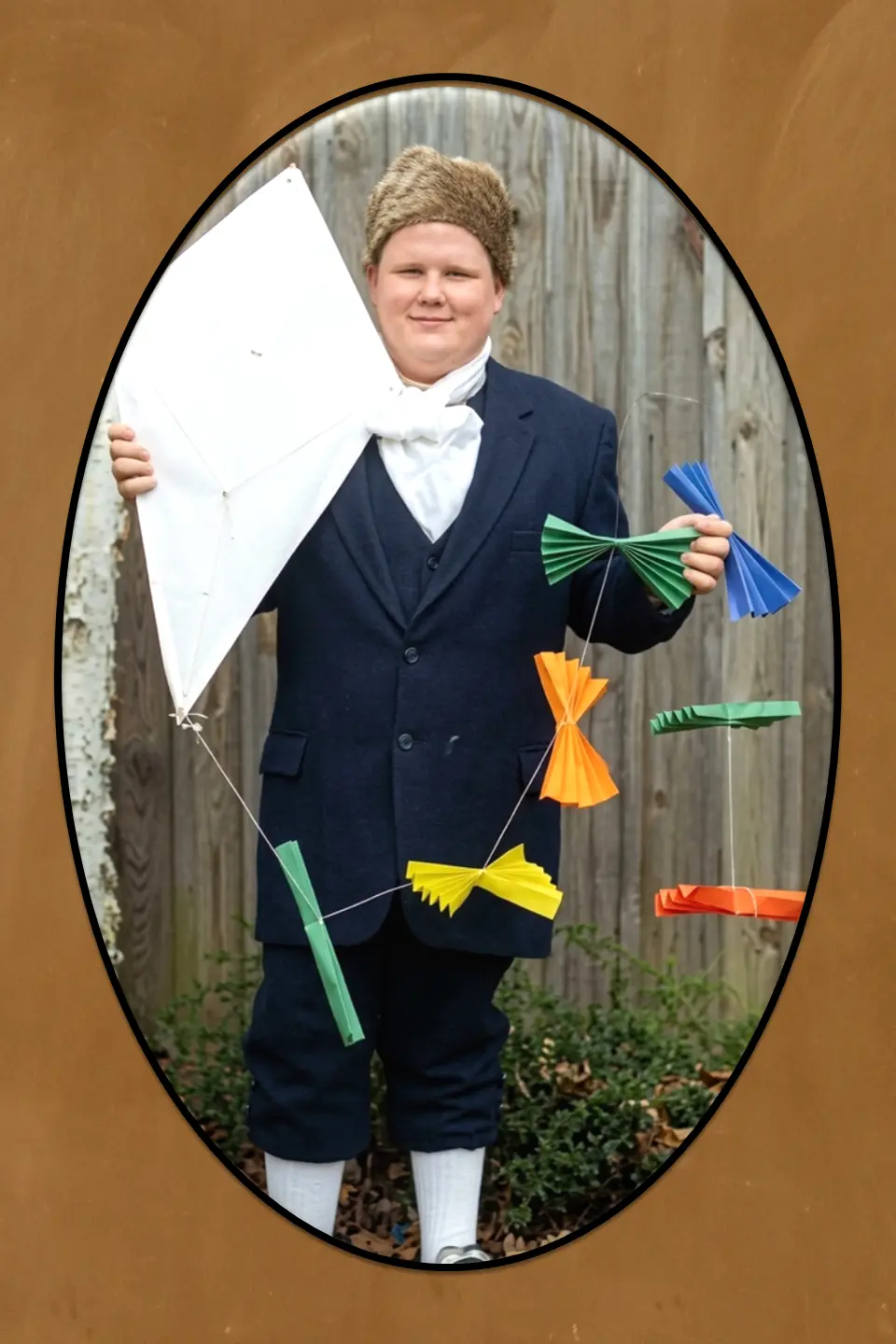
Fast Facts
- Printer, writer, and inventor
- Published *Poor Richard’s Almanack*
- Invented the lightning rod
- Helped write the Constitution
- Diplomat in France
Thomas Jefferson
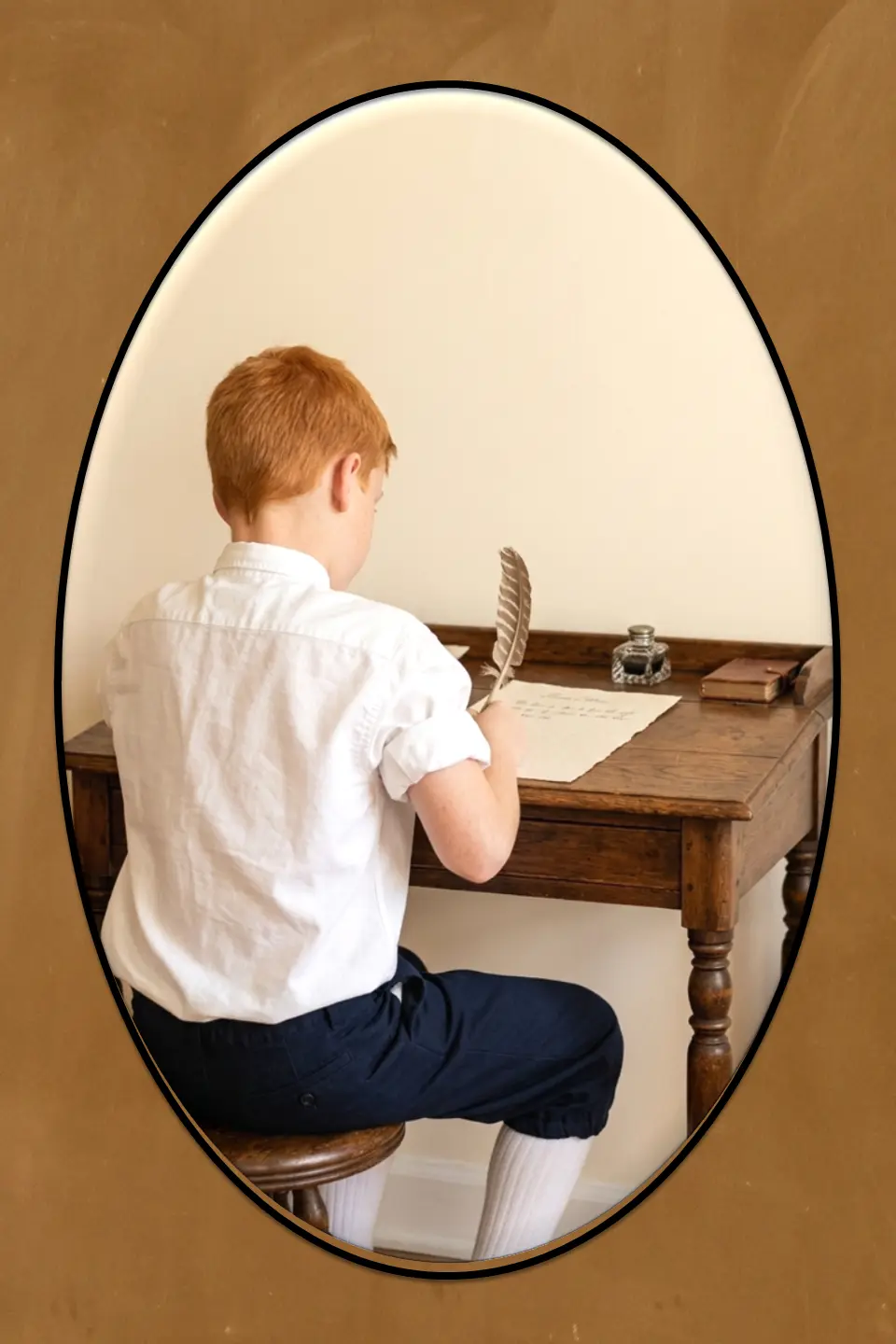
Fast Facts
- Author of the Declaration
- Lawyer and Virginia legislator
- Third U.S. President
- Founded the University of Virginia
- Built Monticello
Full Biographies
George Washington was born on February 22, 1732, at Bridges Creek Plantation in Virginia. He grew up in a large family with two older half‑brothers and several younger siblings. Washington enjoyed outdoor activities and became an excellent rider and marksman. After his father died when George was eleven, his half‑brother Lawrence became an important mentor and taught him skills such as hunting and shooting.
Washington attended a small school near his home, where a minister taught him reading, writing, and arithmetic. Although he struggled with spelling, he worked hard and developed strong practical skills.
At age twenty, Washington joined the Virginia militia as a major and quickly proved himself as a capable leader. He later married Martha Custis and settled at Mount Vernon, where he helped raise her two children and managed the plantation.
As tensions grew between the colonies and Great Britain, Washington became a key figure in the fight for independence. He was chosen to lead the Continental Army and guided the colonies to victory in the Revolutionary War. After the war, some people wanted him to become king, but Washington refused and returned to Mount Vernon.
When the new Constitution was written, Washington was unanimously elected the first President of the United States. He served two terms and became known for his fairness, wisdom, and steady leadership.
Washington spent his final years at Mount Vernon, the place he loved most. The famous story about him chopping down a cherry tree is a legend created later to show his honesty, but there is no evidence it actually happened.
Paul Revere was born in Boston in December 1734. As a young man, he learned the trade of gold and silversmithing from his father. Revere became well‑known for crafting fine spoons, cups, and tea sets, and he also worked as an engraver when business was slow.
In 1756, Revere volunteered to fight in the French and Indian War. A year later, he married Rachel Walker, and together they had eight children.
Revere joined the Sons of Liberty, a group that protested British taxes. He took part in the Boston Tea Party, where colonists dumped tea into Boston Harbor to show their anger over unfair taxes.
On April 18, 1775, Revere made his famous midnight ride to warn Samuel Adams and John Hancock that British troops were coming to arrest them. His warning helped the colonists prepare for the battles of Lexington and Concord.
Paul Revere lived a long life and died on May 10, 1818, at the age of 83.
Betsy Ross was born on January 1, 1752. Her great‑grandfather, Andrew Griscom, was a Quaker carpenter who came to America from England. Betsy learned upholstery skills from her father and became skilled at sewing furniture coverings.
She fell in love with another apprentice, John Ross, and the two eloped in 1773. Because John was not a Quaker, Betsy was no longer allowed to attend the Quaker church. Sadly, John died after being injured in an explosion during the Revolutionary War.
Betsy remarried in 1777 to Joseph Ashburn, a sea captain. They had two daughters, but Joseph was captured by the British and died in prison in 1782. In 1783, Betsy married John Claypoole, with whom she had five daughters. He passed away in 1817, and Betsy never remarried.
Betsy Ross is best known for making one of the earliest American flags. According to tradition, George Washington and two other members of a secret committee asked her to sew the flag. She suggested using a five‑pointed star instead of a six‑pointed one because it could be cut with a single snip of the scissors. She created thirteen stars to represent the thirteen colonies.
Benjamin Franklin was born in Boston on January 17, 1706. As a boy, he learned printing from his older brother James. At age seventeen, Franklin ran away to Philadelphia and later traveled to London to improve his printing skills. He eventually returned to Philadelphia and opened his own printing shop and newspaper.
In 1730, Franklin married Deborah Read. They had two children together, though their young son died at age four.
Franklin helped improve life in the colonies by opening one of the first libraries, starting a fire department, organizing a police force, and helping found the Academy of Philadelphia. He also published Poor Richard’s Almanack, filled with sayings and advice.
Franklin was a scientist and inventor. His experiments with electricity led to the invention of the lightning rod. He also invented the Franklin stove, which produced more heat with less smoke.
Franklin spent many years in England and France representing the colonies. He returned to Philadelphia in 1785 and later helped write the U.S. Constitution. He died on April 17, 1790, at the age of 84.
Thomas Jefferson grew up on a plantation in Virginia. When he was fourteen, his father died, and Jefferson spent much of his time studying at a small schoolhouse. He enjoyed learning Latin, Greek, and French. At seventeen, he attended the College of William and Mary in Williamsburg. After two years, he began studying law and later started his own law practice.
In 1770, Jefferson met Martha Wayles Skelton, a young widow. They married in 1772, and their first child, Martha, was born later that year.
Jefferson became a respected lawyer and was elected to the Virginia General Assembly. In 1776, he attended the Second Continental Congress in Philadelphia. Because he was known as an excellent writer, he was chosen to write the Declaration of Independence. It took him seventeen days to complete the draft. After some revisions, Congress approved it on July 4, 1776.
Jefferson later built his home, Monticello, on land he inherited from his father. The name means “little mountain” in Italian.
Colonial America Navigation
Explore the Full 13 Colonies Unit

This complete history unit includes research passages, organizers, writing tasks, quizzes, activities, and website research — all in printable and digital formats. Everything you need to teach the 13 Colonies with confidence.
View the Full Unit on TPT