Tag: Informative Writing
Informative writing teaches students how to explain ideas clearly, support claims with evidence, and organize information logically. This tag brings together lessons on thesis statements, summarizing, hooks, formal vs. informal language, firsthand and secondhand accounts, audience awareness, and other essential skills for writing strong explanatory essays. Use these resources to help students move from basic paragraph writing to polished, well‑structured informational pieces aligned to CCSS W.4–6.2.
For some students, knowing when to use formal or informal language comes naturally. For others, it is a skill that must be taught in steps. This post offers six teaching ideas from recognizing what is formal and informal to creating formal and informal texts. Start by getting the handout Formal vs Informal Language using the …
Continue reading
Permanent link to this article: https://bookunitsteacher.com/wp/?p=3960
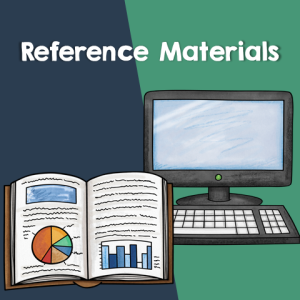
Introducing students to reference materials is crucial for developing their research and information literacy skills. This blog post includes a Reference Materials Mini Lesson with fun activities that help students understand the different types of reference materials and their purposes. Grade Level4th–6th Skill Focus Reference Materials Activities3 FormatPrintable & Boom Learning Decks Jump to What …
Continue reading
Permanent link to this article: https://bookunitsteacher.com/wp/?p=3943
Teaching upper elementary students to spell tricky words is right up there with untangling headphone cords and getting glitter off your desk: not impossible, but definitely a challenge. That’s where mnemonic devices come in to save the day (and your sanity). Mnemonics are those clever little tricks that help students remember the spelling of tough …
Continue reading
Permanent link to this article: https://bookunitsteacher.com/wp/?p=3101

