Last updated: December 3, 2025
 Mentor Sentences
One way to turn classic literature into a powerful teaching tool is to pull mentor sentences straight from the text. Instead of random worksheets, students get to see grammar, punctuation, and style in action—inside a story they’re already reading.
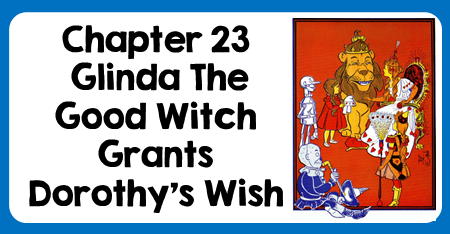
📌 Before they went to see Glinda, however, they were taken to a room of the Castle, where Dorothy washed her face and combed her hair, and the Lion shook the dust out of his mane, and the Scarecrow patted himself into his best shape, and the Woodman polished his tin and oiled his joints.
Focus: Stringy Sentence with Purpose
- How would the sentence feel different if it were broken into shorter parts or used commas instead?
- What effect does the repeated “and” have on the tone of the sentence?
- Which character’s action stands out most to you, and why?
📌 But she hugged the soft, stuffed body of the Scarecrow in her arms instead of kissing his painted face, and found she was crying herself at this sorrowful parting from her loving comrades.
Focus: Alliteration
- Which letter is alliterated in this sentence?
- How does the use of the repeated s sound soften the mood?
Teacher Note: This type of alliteration:
- softens the tone
- adds a sense of comfort and affection
- makes the sentence more memorable and lyrical
- Practice: Have students create a description using alliteration.
📌 “Good gracious!” she cried.
Focus: Interjection
Mini Lesson
1. Interjections show emotion, not grammar.
They’re not grammatically connected to the sentence. They stand alone to express surprise, fear, joy, frustration, or excitement.
2. The same phrase can shift tone.
- Mild: “Good gracious, I forgot my pen.” (slightly surprised or amused)
- Strong: “Good gracious! The barn is on fire!” (urgent, shocked)
3. Punctuation matters.
- A comma after the interjection signals mild emotion: Oh my goodness, I didn’t expect that.
- An exclamation point signals strong emotion: Oh my goodness! That was terrifying!
4. Context is everything.
The situation, speaker’s tone, and surrounding action determine how the interjection lands. A quiet “oh my goodness” in a library feels different from one shouted during a storm.
5. Interjections add voice.
They make dialogue feel real and help readers hear the character’s personality. “Good gracious!” might sound old-fashioned or polite, while “Whoa!” or “Yikes!” feels more casual or modern.
Focus Skills
Each chapter in The Wonderful Wizard of Oz Novel Study includes a constructed response question and a skill-based graphic organizer. These two pieces are part of the full-paid unit, which includes comprehension questions, skill lessons, assessments, answer keys, and Google Slides versions.
The free handout linked below includes the activities from the blog post for this chapter. If you’d like the complete set of constructed responses and skill organizers for all 24 chapters, you’ll find them inside the full unit once it is released.
Constructed Response – Plot Development
Students create a roller coaster plot diagram featuring a mini-book, allowing details to be added.
Standards Alignment: RL.5.2, RL.6.2, RL.7.2 – Analyze plot structure and summarize key
Optional Comparison Activity – Venn Diagrams
- Dorothy vs Peter Pan
- Dorothy vs Alice
Standard: RL.5.9 – Compare and contrast stories in the same genre
 Previous:
  Next:
Next: