Three beloved novels. Three free classroom activities to try before you buy. Each book comes with a complete novel study unit in my TPT shop — but start here with a free activity tied to the story and your students' chocolate curiosity.
Chocolate is one of those rare topics that makes students lean in. Whether you're reading about a boy who gets everything he wishes for, a kid whose touch turns the world to chocolate, or a boy who eats so much he breaks out in brown spots — these stories spark discussion, creative writing, and a genuine love of reading. Each book below includes a free activity you can use right away, plus a link to the full novel study unit if you want more.
Book 1
Charlie and the Chocolate Factory
by Roald Dahl · Grades 4–6
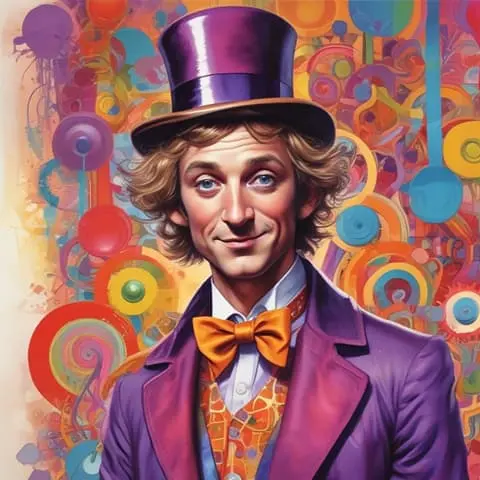
Charlie Bucket lives in poverty, barely getting enough to eat. His luck changes when he discovers a golden ticket inside a Wonka chocolate bar — granting him access to Willy Wonka's mysterious factory. Inside, he witnesses magical confections beyond imagination: a chocolate river, Everlasting Gobstoppers, and the mischievous Oompa Loompas.
As the tour progresses, the other children succumb to their own flaws — greed, gluttony, selfishness — one by one. Charlie's honesty and humility win over Wonka, leading to a life-changing surprise: he is chosen as the factory's heir.
Themes: Honesty, humility, poverty and wealth, the consequences of greed, the value of family.
🎟️ The Golden Ticket Challenge: Design Your Own Chocolate Factory
Charlie gets to see inside the most magical factory in the world. Now it's your students' turn to dream one up. This activity connects naturally to the Chocolate Bar Invention prompt on the Concentration page and the innovation themes in the 1800s timeline.
Writing Prompt
You have just found a golden ticket — but instead of visiting Wonka's factory, you are going to design your own. Use the questions below to plan your response, then write a full descriptive paragraph or short essay:
What is the name of your chocolate factory? What makes it unique?
Describe one room in your factory in vivid sensory detail — what does it look, smell, sound, and taste like?
What is your factory's most spectacular invention? Give it a name and explain how it works.
Would your factory be open to visitors? What rules would guests need to follow — and what happens if they break them?
Challenge extension: Draw a floor plan of your factory and label at least five rooms.
Book 2
The Chocolate Touch
by Patrick Skene Catling · Grades 3–5
John Midas loves chocolate more than anything. After finding a magical coin and spending it at a mysterious candy store, he discovers that everything his lips touch turns to chocolate. At first, it seems like a dream come true — until his pencil turns to chocolate during a math test, his trumpet goes next, and then, devastatingly, his mother.
When John proves to the storekeeper that he would give up the chocolate touch to save his mother, everything returns to normal. A modern retelling of the King Midas myth — with a sweeter twist.
Themes: Greed versus generosity, consequences of wishes, selfishness, family love, mythology connections.
This quick discussion and writing activity puts students inside John's dilemma. It pairs perfectly with the sensory descriptive writing on the Hangman page — students who've written a chocolate description will have plenty of language ready to draw on.
Now write your response — answer all four questions:
What is the first thing you would turn to chocolate, and why?
What would you be most afraid of accidentally turning to chocolate?
How would your day (or week) change from morning to night with this touch?
At the end of your time, would you want to keep the touch or give it up? Explain your reasoning.
Challenge extension:Compare your experience to John Midas's. How are your choices similar or different from his? What does this tell you about the theme of the book?
Sentence Starters to Get Going
If I had the Chocolate Touch for ___, the very first thing I would do is ___. I would feel ___ about having this power because ___. The thing I would worry most about is ___, because ___. By the end, I would / would not want to keep the Chocolate Touch because ___.
Book 3
Chocolate Fever
by Robert Kimmel Smith · Grades 3–5
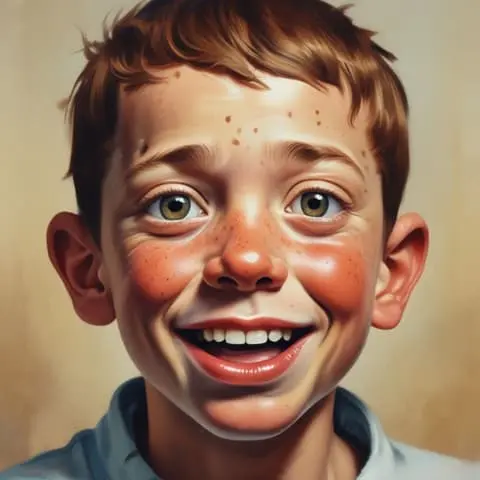
Henry loves chocolate and eats it at every meal. One day in class, he breaks out in strange brown spots — and it turns out he has come down with the world's first case of Chocolate Fever. Sent to the hospital, Henry panics and runs away, sparking a wild chain of events: a highway encounter with a kind truck driver named Mac, a kidnapping by bumbling criminals Louie and Lefty, and a dramatic rescue by a pack of dogs drawn to the scent of chocolate.
The adventure ends with a visit to Sugar Cane, who provides the only cure: vanilla pills. Henry learns that even the things you love most can have consequences when taken too far.
Themes: Cause and effect, moderation, friendship, adventure, humorous storytelling.
🩺 Dr. Fargo's Diagnosis Chart: Cause & Effect in Chocolate Fever
Henry's love of chocolate sets off a chain reaction of events — each cause producing an effect that leads straight to the next scene. This activity builds cause-and-effect thinking while keeping the story fun. It connects to the same historical cause-and-effect arc students explored in the chocolate timeline pages, where one invention led to the next.
Directions: Use the chart below as a model. After reading, have students complete their own version by adding at least two more rows from the story.
⚡ Cause (What Henry does or what happens)
→
💥 Effect (What happens as a result)
Henry eats chocolate at every meal, every day.
→
He develops strange brown spots and is sent to the nurse.
Dr. Fargo treats Henry like a medical specimen instead of a patient.
→
Henry panics and runs away from the hospital.
Mac's truck is carrying a shipment of chocolate.
→
A pack of dogs follows the scent, rescuing Mac and Henry from the criminals.
Your turn: add a cause from the story…
→
…and its effect.
Your turn: add another cause…
→
…and its effect.
Discussion Question
Henry's story is really one long chain reaction — one event causes the next, which causes the next. Can you trace the chain all the way from the first piece of chocolate Henry eats to the vanilla pill at the end? How many links are in the chain? What does this structure tell you about how the author built the plot?
What Teachers Are Saying
★★★★★
"Students love to do different activities other than the traditional school work. Novel studies build so much vocabulary, and there is a lot of skill practice as well."
— Amy L., Chocolate Fever unit
★★★★★
"I read this book every year to my class and am constantly on the lookout for new resources. This was a great resource for review and comprehension!"
— Lindsey S., Chocolate Fever unit
★★★★★
"This novel study was really easy to implement and use with my students. I love that it was all set up for me, and was really cute. Lots of options for differentiation too!"
— Teaching Struggling Learners
Stay Updated and Discover More
Sign up to get free resources and fresh teaching ideas delivered to your inbox.