California and Great Basin Peoples
Older books call these peoples the "California and Intermountain Seed Gatherers," because seeds, nuts, and acorns were their most important foods. Before Europeans arrived, California had more Native people, and more Native languages, than almost anywhere else in North America. To the east, in the dry Great Basin, the Paiute, Shoshone, Ute, and Washoe knew how to find food in a desert where few others could.
California and Great Basin at a Glance
California and Great Basin Peoples
- Region: California and Great Basin
- Some California nations: Pomo, Miwok, Ohlone, Yurok, Karuk, Hupa, Chumash, Tongva, and many more
- Some Great Basin nations: Paiute, Shoshone, Ute, Washoe
- Homes: Bark and tule-reed houses, plank houses in the north, wickiups in the Great Basin
- Food: Acorns, pine nuts, seeds, salmon, rabbits
Key Facts
- Acorns were the main food for many California nations.
- California nations spoke about 100 different languages.
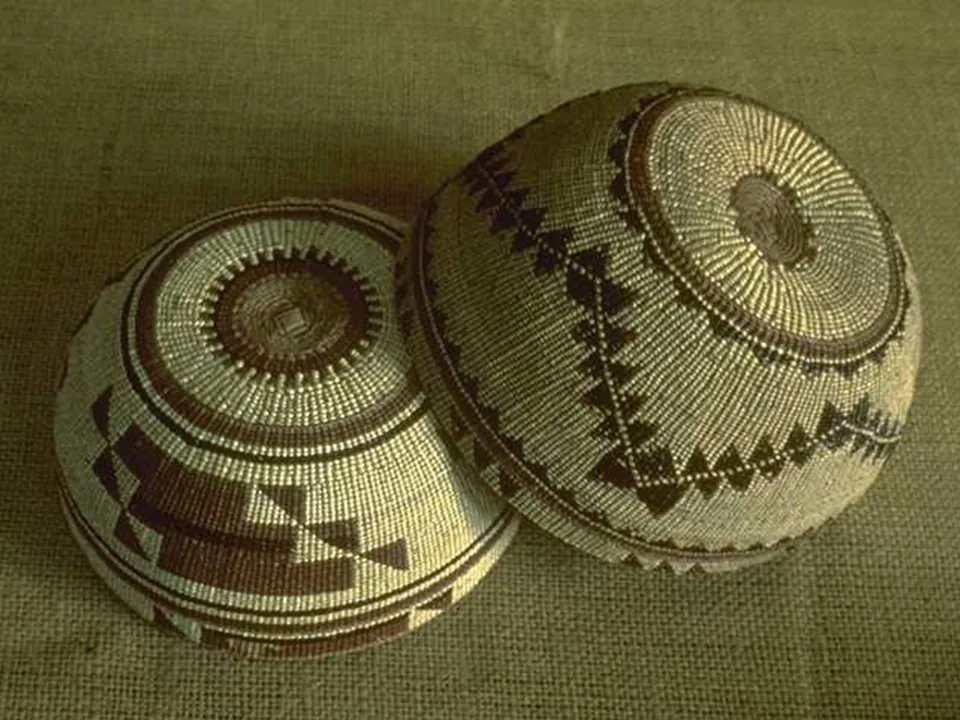
- Pomo weavers made some of the finest baskets in the world.
- In the Great Basin, pine nuts were a key fall harvest.
- California has more than 100 federally recognized tribes today.
Tap or hover over the card to flip it. Students can copy this information into their lapbook organizers before reading.
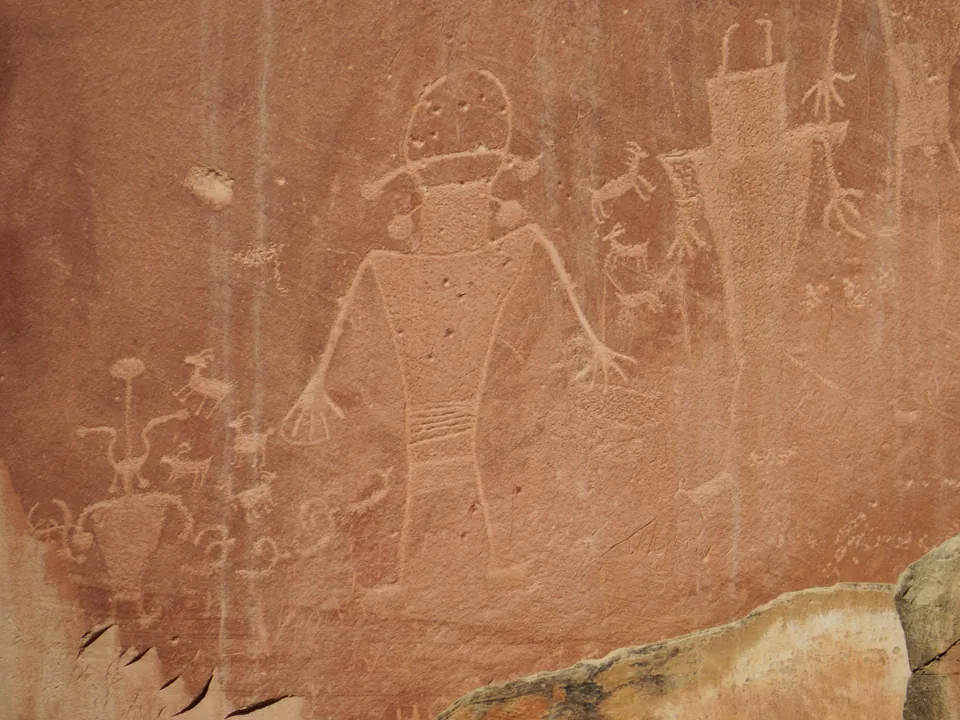
Look Closely: These figures were pecked into a rock wall by people of the Fremont culture, who lived in what is now Utah from about 1,700 to 700 years ago. Pictures pecked or carved into rock are called petroglyphs. What shapes do you see? Some figures look like people with wide shoulders and decorations. What do you think the artists wanted to record or say? We do not know for sure. Some Native nations today consider rock art sacred. Why is it important to look but never touch?
Where They Lived Map
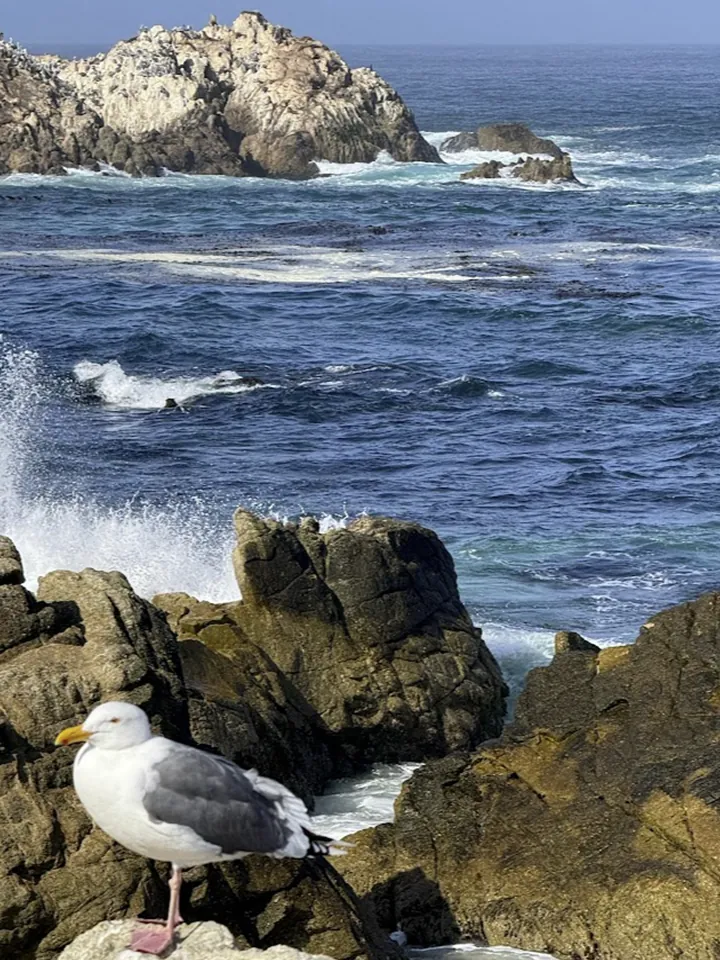
California has ocean beaches, redwood forests, oak-covered hills, wide valleys, high mountains, and deserts. The mild climate and plentiful food supported hundreds of villages. Before the Spanish arrived in 1769, about 300,000 Native people may have lived in what is now California.
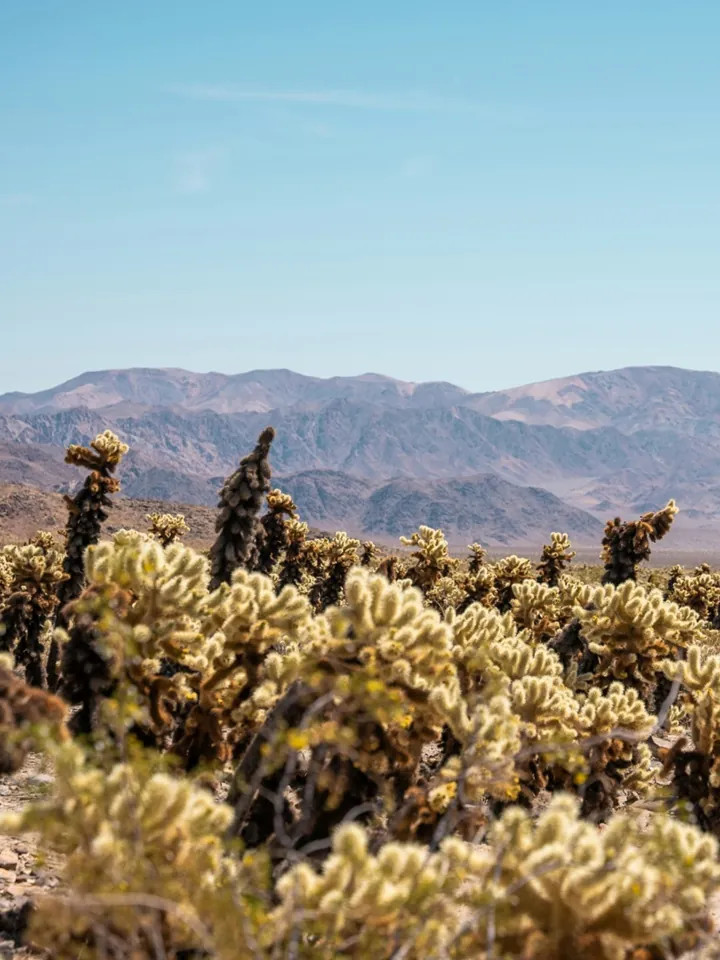
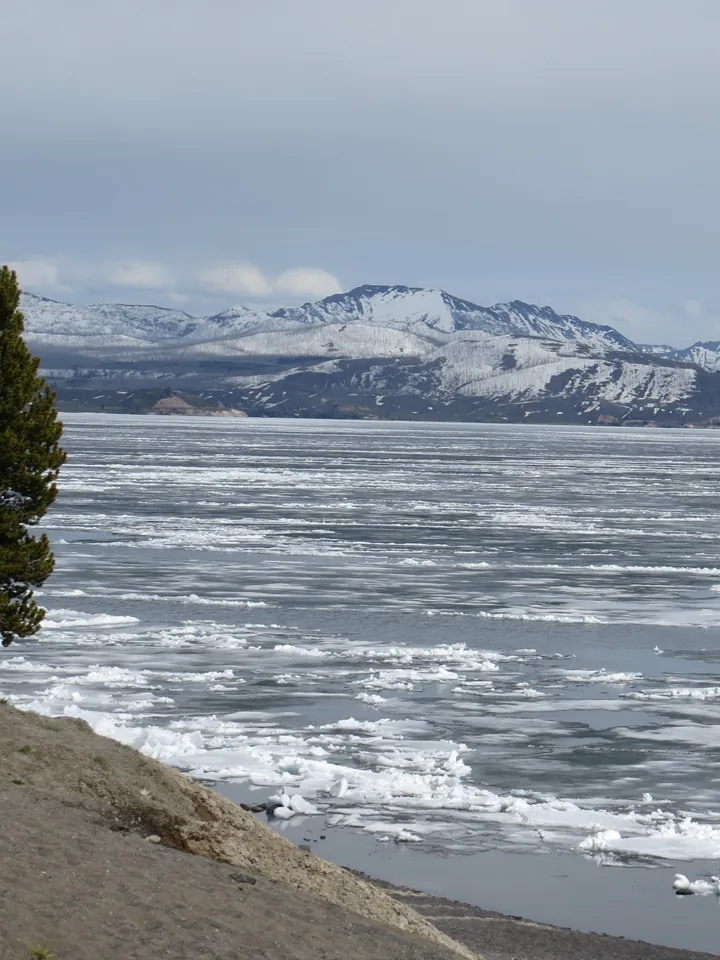
The Great Basin lies between the Sierra Nevada and the Rocky Mountains, mostly in Nevada and Utah. It is a desert where rivers do not reach the sea; they end in lakes and marshes. Summers are hot, winters are cold, and food and water are scarce, so families lived in small groups and moved often.
Homes Homes
Homes depended on what grew nearby. In northern California, the Yurok and Hupa built rectangular houses of split redwood or cedar planks. In central California, the Miwok made cone-shaped houses of cedar bark. The Chumash and Pomo built domed houses of willow poles covered with tule, a tall reed that grows in marshes. Many villages also had a sweat house and a large roundhouse for dances and ceremonies.
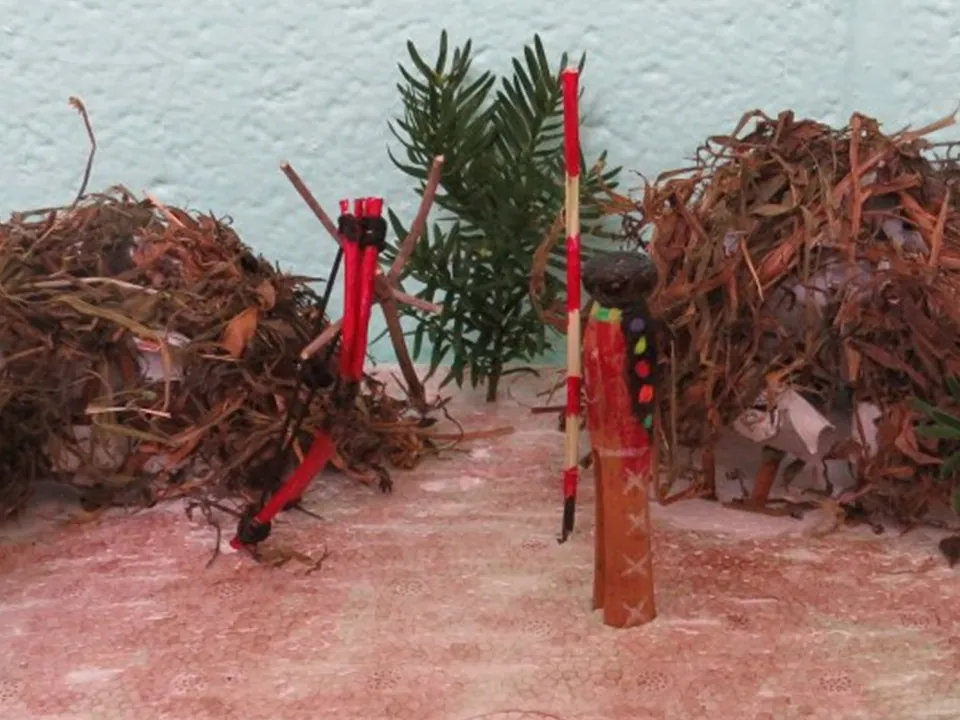
Great Basin families, who moved often, built quick shelters called wickiups, frames of willow poles covered with brush, grass, or tule mats. In summer, a simple shade of branches was often enough.
Clothing Clothing
In the warm climate, people wore little clothing. Women wore two-piece aprons or skirts made of shredded bark, tule, grass, or deerskin. Men often wore a deerskin breechcloth or nothing at all. In cold weather, people wrapped up in capes and blankets of deer or sea otter fur.
Great Basin families wove rabbit-skin blankets from long strips of rabbit fur twisted into ropes. One blanket could take the skins of about 100 rabbits. In northern California, women wore woven basket caps, and some had tattoos on their chins, a tradition some women have brought back today.
Food Foods
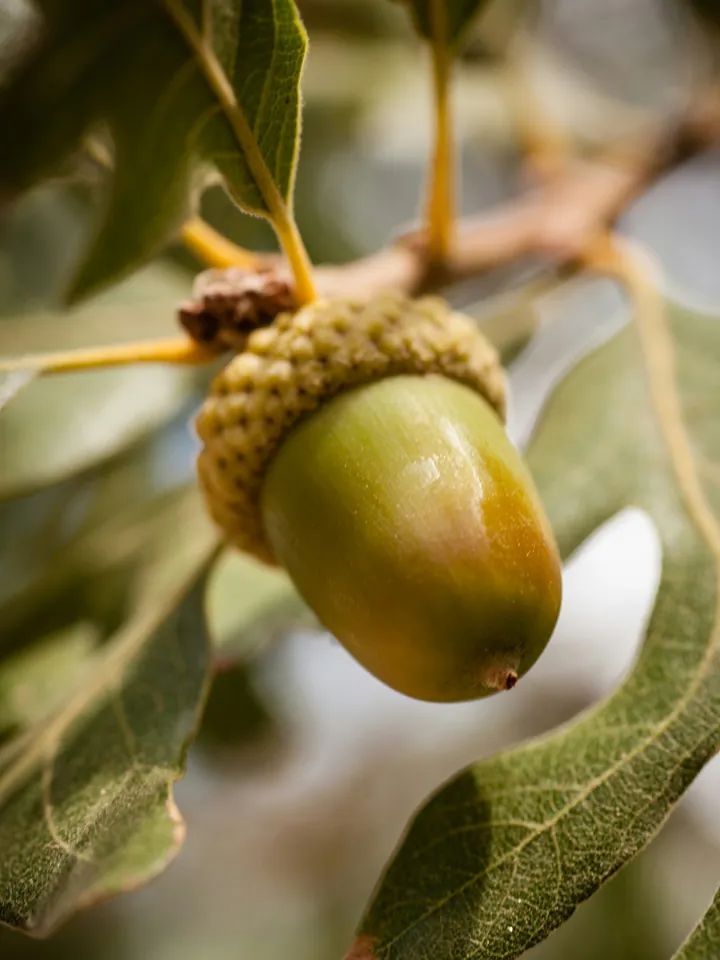
For many California nations, acorns were the most important food. In fall, families gathered thousands of acorns and stored them. To eat them, women cracked and dried the acorns, then ground them into flour in a mortar, often a hole worn into a flat bedrock boulder. Raw acorns are bitter, so the flour was leached: rinsed again and again with water until the bitterness washed away. Then the flour was cooked into mush by dropping hot stones into a watertight basket.
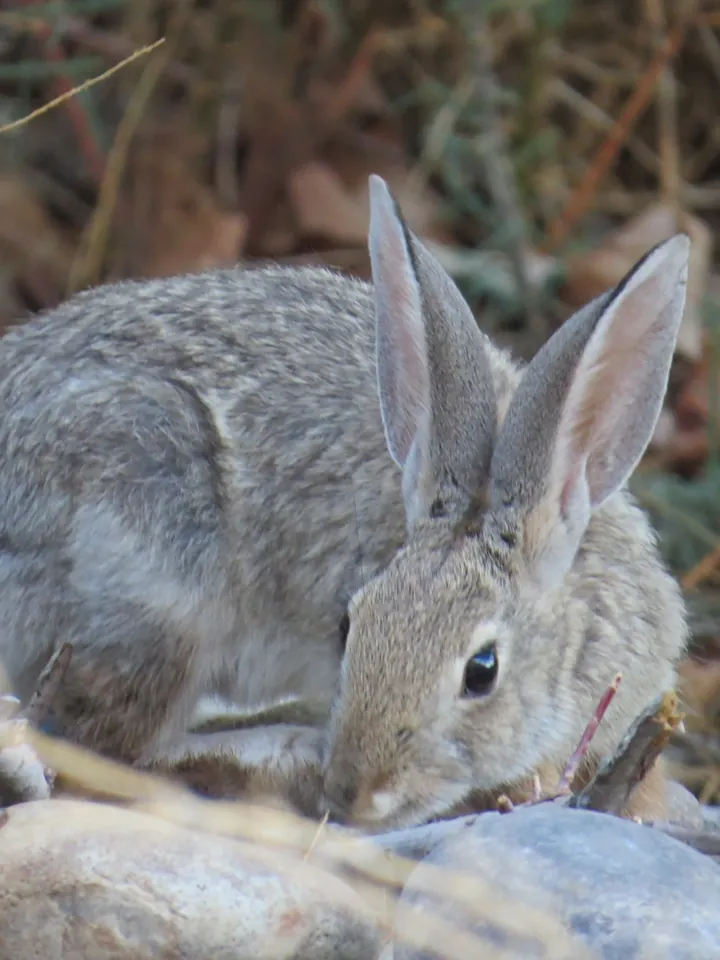
California nations also caught salmon in the northern rivers, gathered shellfish and seaweed on the coast, hunted deer and rabbits, and gathered seeds, berries, roots, and greens. In the Great Basin, the fall pine nut harvest was a time for families to gather. People also gathered seeds and roots and worked together in rabbit drives, chasing rabbits into long nets. Insects such as grasshoppers and caterpillars were an important source of protein, as they still are in many parts of the world.
Customs and Beliefs Villages Book
In northwestern California, the Hupa, Yurok, and Karuk hold World Renewal ceremonies, such as the Jump Dance and White Deerskin Dance, to keep the world in balance and prevent disaster. The Ute hold a Bear Dance each spring. Many Great Basin peoples held Round Dances at the pine nut harvest.
California nations used strings of shell beads as money. In the north, people traded tusk-shaped dentalium shells. The Pomo and others made round beads from clamshells.
Hard Times
Beginning in 1769, Spain built 21 missions along the California coast and forced many Native people to live and work at them. Thousands died from disease and hard treatment.
After gold was discovered in 1848, miners poured into California. The state government paid volunteer soldiers to attack Native villages, and many Native people died from violence, disease, and hunger. In 1851 and 1852, California leaders signed 18 treaties with the United States, promising land in exchange for peace, but the U.S. Senate never approved them and kept them secret until 1905. By 1900, only about 16,000 Native people were left in California.
Tools and Travel
California peoples used baskets for nearly everything: gathering, carrying, storing, cooking, serving food, cradling babies, and trapping fish. The Chumash built the tomol, a plank canoe sealed with natural tar, to travel to the Channel Islands. In marshes and lakes, people made boats from bundles of tule reeds. Great Basin hunters made duck decoys from tule; some found in a Nevada cave are about 2,000 years old.
Art Art
California is famous for its baskets. Weavers gathered willow, sedge root, bulrush, spruce root, and bear grass at the right time of year and prepared them for months before weaving. Pomo weavers made baskets so tightly woven that they could hold water, and they decorated special gift baskets with feathers and shell beads. Some Pomo baskets are smaller than a fingertip.
California and Great Basin Nations Today
California has more than 100 federally recognized tribes, more than any state except Alaska. Many nations are teaching their languages again, holding acorn gatherings, and passing basket weaving to young people. The Great Basin is home to Paiute, Shoshone, Ute, and Washoe reservations and communities in Nevada, Utah, Idaho, California, Oregon, and Colorado.
Sarah Winnemucca, a Northern Paiute woman, wrote Life Among the Piutes in 1883. It is believed to be the first book written by a Native American woman.
Activities
From Acorn to Food
Put the steps of making acorn mush in order, then build a year of gathering for California and the Great Basin.
For teachers: Sequencing, two seasonal-round sorts, and coiled basket directions. Skills: sequencing and how-to writing. About 25 minutes.
Start the ActivityFamous People Connected to This Page
Word Match
Drag each word to its definition, or tap a word and then tap its definition.