From Acorn to Food
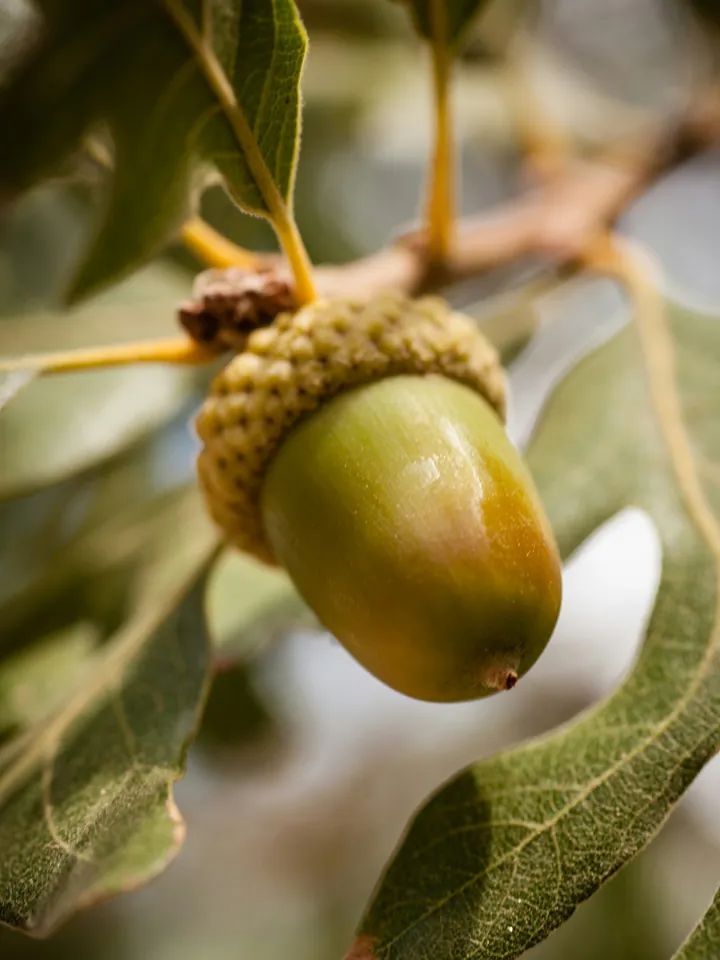
Oak trees covered the hills and valleys of California. For many California nations, such as the Pomo, Miwok, and Ohlone, acorns were the most important food. A family might gather more than a thousand pounds in one fall and store them for the whole year. But raw acorns are bitter and can upset your stomach. Turning them into food took skill, patience, and a lot of water.
Following the Seasons
Native nations of California and the Great Basin did not plant fields. Instead, they knew exactly when and where each plant would ripen and each animal would be plentiful. Families moved through a seasonal round, a calendar of gathering, fishing, and hunting that they followed year after year.
Make Acorn Mush
Put the steps in order. Tap the step that comes first, then the next step, and so on.
A Year of Gathering
Choose a homeland. Then tap a food and tap the season when families gathered or hunted it, or ate it from storage.
Spring
Summer
Fall
Winter
Each nation had its own seasonal round, and the timing changed from place to place. These are simplified examples.
Think About It
- Why did acorn flour have to be leached before it could be eaten?
- How could people boil water in a basket without burning it?
- Compare the two seasonal rounds. Which season was the busiest in each homeland? Why do you think so?
- Why was storing food in the fall so important for winter? What might happen if the pine nut or acorn harvest was poor?
Make a Coiled Basket
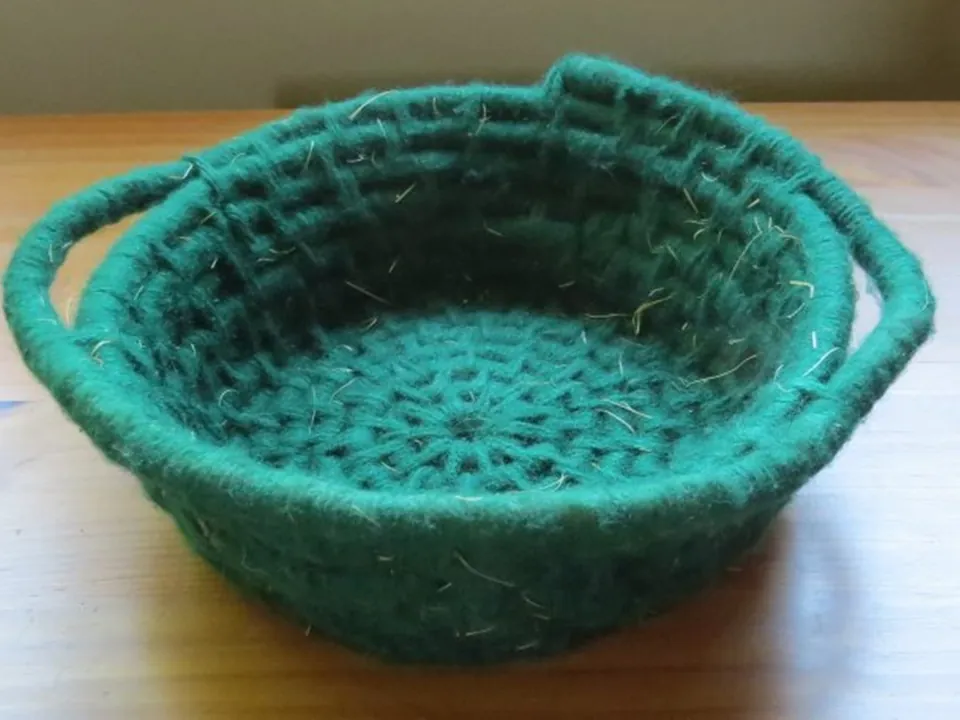
California weavers made baskets so tightly woven that they held water. A watertight cooking basket is an everyday object, so it is a respectful craft to make.
Materials
- long strips of paper, or thick yarn or cotton clothesline
- yarn in a second color and a plastic needle (for clothesline)
- glue
Directions
- Twist a long strip of paper into a rope, or use clothesline.
- Coil it into a flat spiral for the base, gluing or stitching as you go.
- Keep coiling, setting each new row on top of the edge of the last row so the walls rise.
- Wrap or glue on a band of a second color to make a design of your own.