The Civil Rights Movement
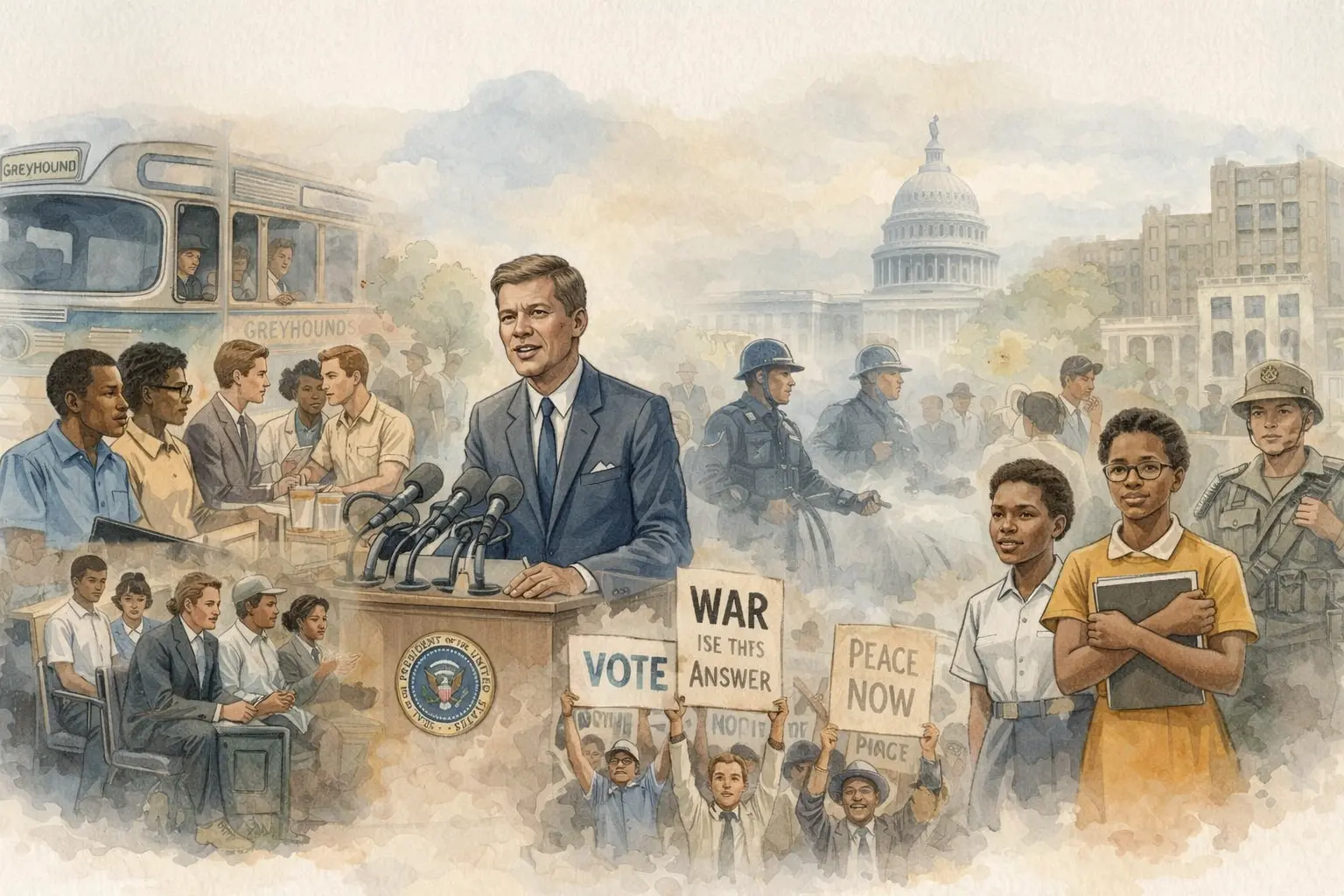
The Civil Rights Movement was a decades-long struggle to end segregation and secure equal rights for African Americans. Beginning in the early 1900s and gaining strength after World War II, ordinary citizens, students, ministers, and community leaders worked together to challenge unfair laws and discriminatory practices across the United States.
Through court cases, peaceful protests, boycotts, sit-ins, marches, and powerful speeches, activists pushed the nation to confront injustice. Leaders such as Martin Luther King Jr., Rosa Parks, and Thurgood Marshall inspired millions, while brave students and community members took action in their own towns and cities.
The movement led to major changes, including the end of legal segregation, protection of voting rights, and greater opportunities for African Americans. Its impact continues today, reminding us that courage, unity, and peaceful action can create lasting change.
Civil Rights Lessons
These lessons guide students through the major events, people, and ideas of the Civil Rights Movement. From early struggles for equality to landmark court cases, peaceful protests, and inspiring leaders, this unit provides clear, engaging resources for grades 3–6.
Early Struggles for Equality
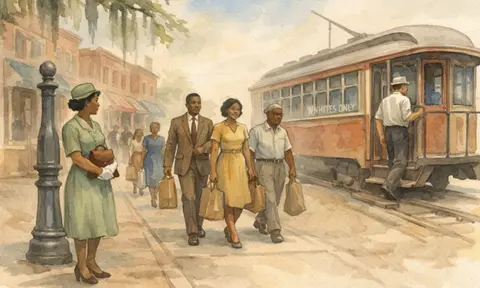
Explore early challenges such as the Dred Scott Decision, Plessy v. Ferguson, Jim Crow laws, and the founding of the NAACP.
View Lesson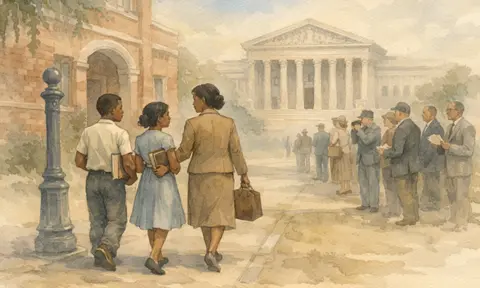
Brown v. Board & The Little Rock Nine
Learn how the Supreme Court ended school segregation and how the Little Rock Nine bravely integrated Central High School.
View Lesson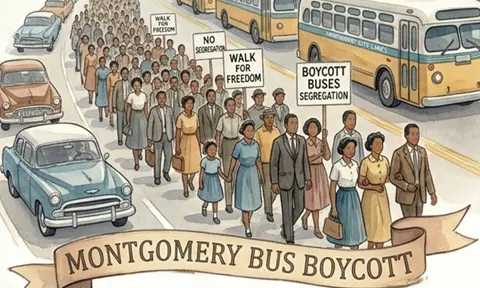
The Montgomery Bus Boycott
Discover how Rosa Parks’ arrest sparked a year-long boycott and launched Martin Luther King Jr. as a national leader.
View Lesson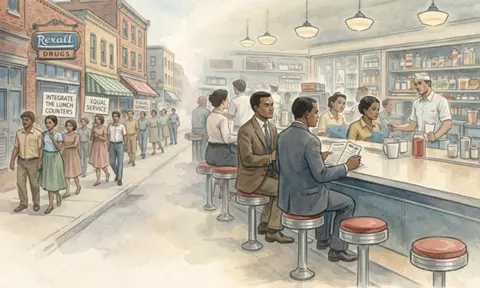
Sit-Ins and Nonviolent Protest
Follow the Greensboro Four and the spread of peaceful sit-ins across more than 100 cities, challenging segregation at lunch counters.
View Lesson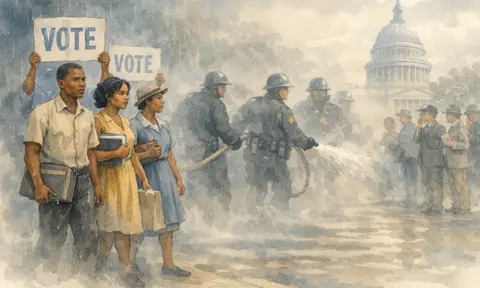
Working for Equal Rights
Learn about the Freedom Riders, violence in Birmingham, the March on Washington, and the laws that transformed the nation.
View Lesson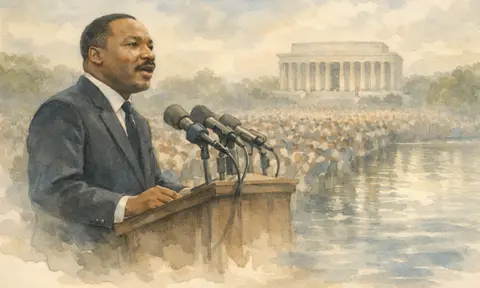
Martin Luther King Jr.
Explore the life, leadership, and legacy of Martin Luther King Jr., including his belief in nonviolence and his “I Have a Dream” speech.
View Lesson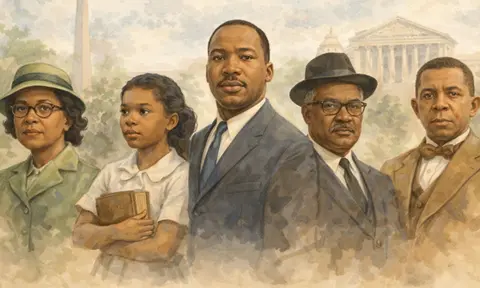
Civil Rights Activists
Meet six influential leaders who shaped the Civil Rights Movement — Rosa Parks, Ruby Bridges, Martin Luther King Jr., Thurgood Marshall, Marcus Garvey, and Booker T. Washington. Interactive flipcards, matching activities, and teaching ideas make this lesson engaging and student-friendly.
View LessonFun Facts About the Civil Rights Movement
The Greensboro Four Were Teenagers
The famous sit-in at Woolworth’s in 1960 was started by four college freshmen — just 17 and 18 years old. Their peaceful protest inspired sit-ins across the South.
Kids Led the Birmingham March
In 1963, thousands of students — some as young as 12 — marched for equal rights. Their bravery helped convince national leaders to support new civil rights laws.
Songs That Inspired Change
Music played a powerful role in the movement. Songs like “We Shall Overcome” were sung in churches, marches, and even in jail, giving people hope and strength.
A Teen Took a Stand Before Rosa Parks
In 1955, 15-year-old Claudette Colvin refused to give up her bus seat in Montgomery. Her courage helped lay the groundwork for the bus boycott that followed.
Explore the Full 1960s Unit
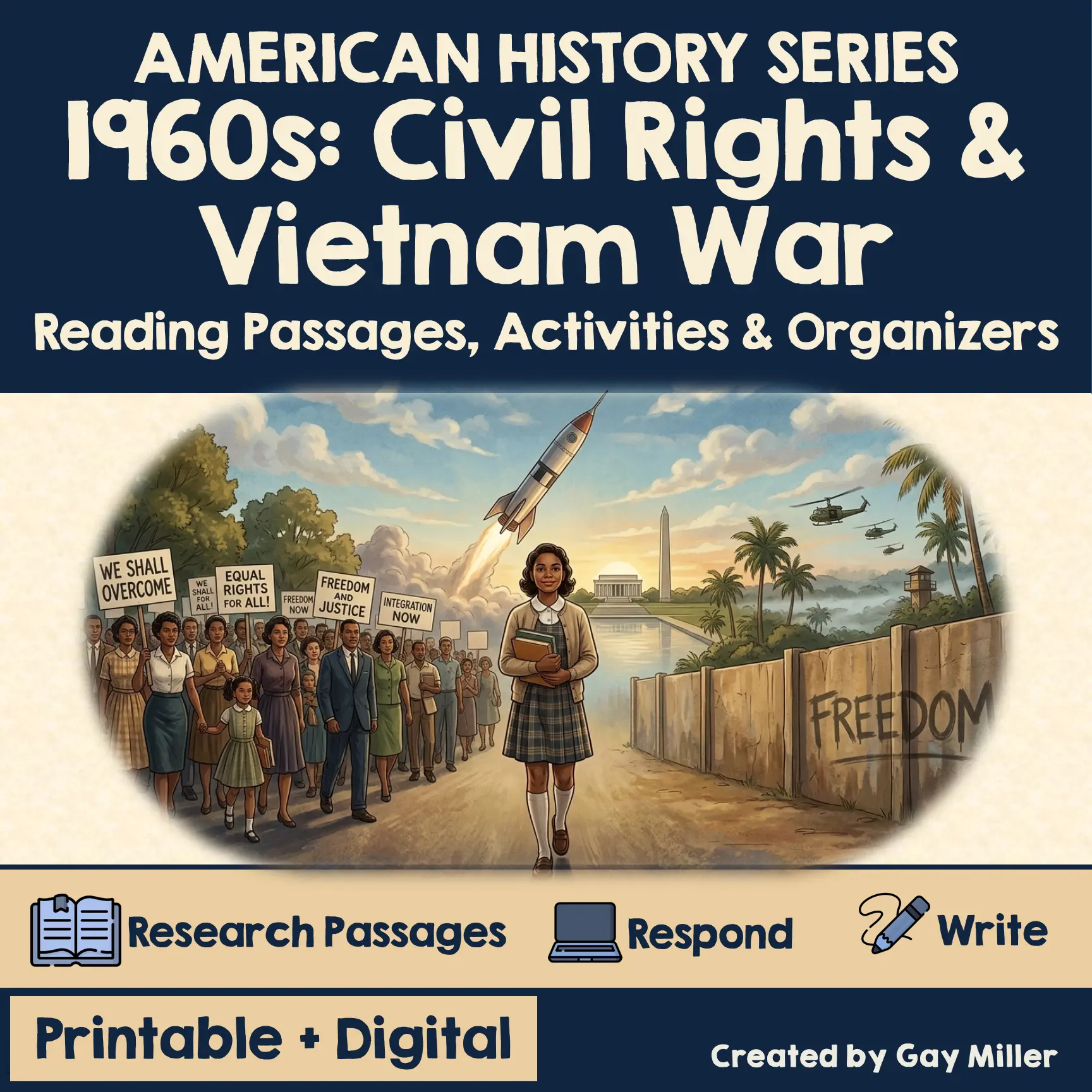
This complete history unit includes research passages, organizers, writing tasks, quizzes, activities, and website research — all in printable and digital formats. Everything you need to teach Vietnam War with confidence.
View the Full Unit on TPT