Civil Rights Activists
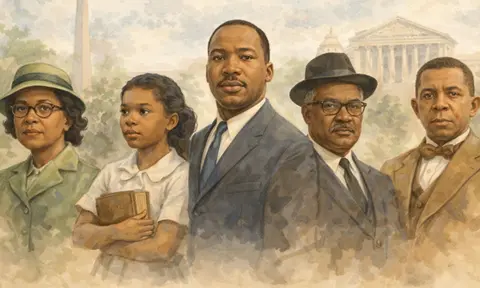
During the Civil Rights Movement, countless individuals risked their safety, reputations, and in many cases their lives to challenge injustice. These activists came from different backgrounds and used different strategies—legal action, peaceful protest, community leadership, and courageous acts of resistance. This page highlights key Civil Rights activists through interactive flipcards designed to help students explore their contributions in a meaningful, engaging way.
Each flipcard includes a photo on the front and a short biography on the back. Teachers will also find classroom tips and activity ideas in the next section to support deeper learning and discussion.
Meet the Activists
Rosa Parks
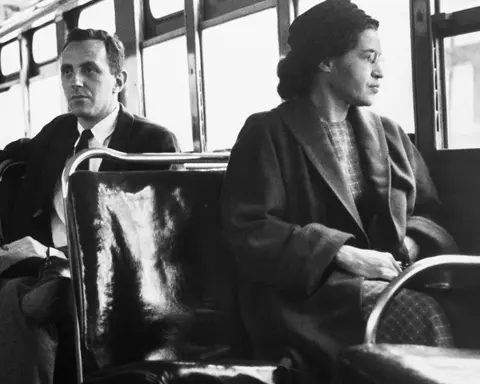
Rosa Parks
Known as the “Mother of the Civil Rights Movement,” Rosa Parks sparked the Montgomery Bus Boycott in 1955 when she refused to give up her seat to a white passenger. Her quiet act of defiance became a powerful symbol of resistance and helped launch nationwide efforts to end segregation.
Ruby Bridges
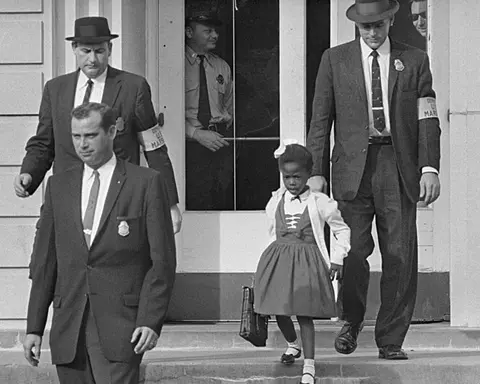
Ruby Bridges
At just six years old, Ruby Bridges became the first Black child to integrate an all‑white elementary school in the South. Escorted by federal marshals, she faced crowds of protestors daily. Her bravery helped pave the way for school desegregation across the United States.
Martin Luther King Jr.
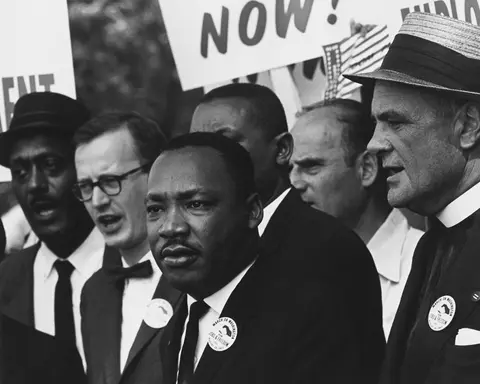
Martin Luther King Jr.
A Baptist minister and one of the most influential leaders of the Civil Rights Movement, Martin Luther King Jr. advocated for equality through nonviolent protest. He led the Montgomery Bus Boycott, organized the March on Washington, and delivered the iconic “I Have a Dream” speech.
Thurgood Marshall
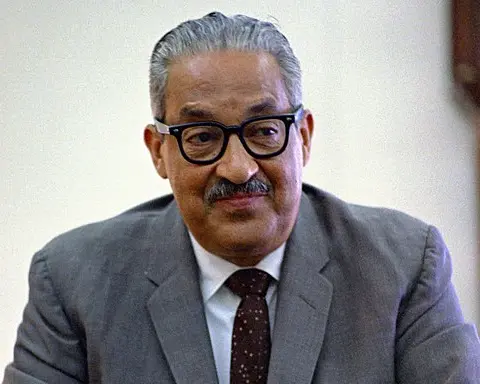
Thurgood Marshall
As a lawyer for the NAACP, Thurgood Marshall successfully argued Brown v. Board of Education, the landmark case that ended segregation in public schools. He later became the first African American justice on the U.S. Supreme Court, shaping civil rights law for decades.
Marcus Garvey
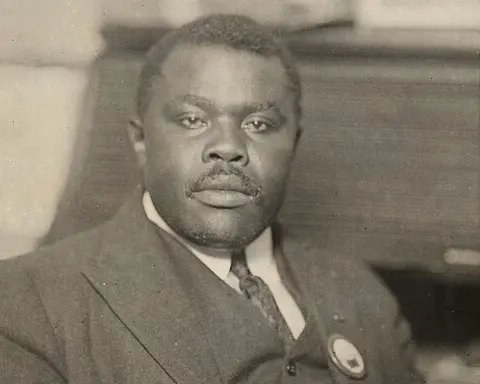
Marcus Garvey
Marcus Garvey founded the Universal Negro Improvement Association (UNIA) and promoted Black pride, economic independence, and unity. His newspaper, Negro World, reached millions and inspired future civil rights leaders with its message of empowerment.
Booker T. Washington
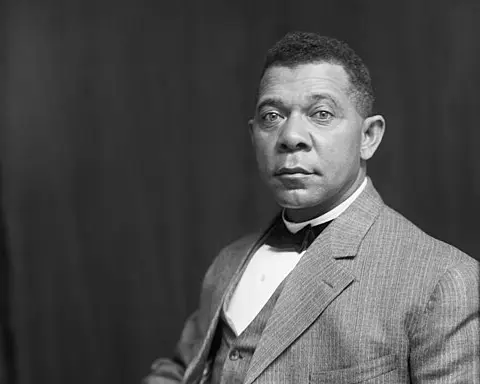
Booker T. Washington
Born into slavery, Booker T. Washington became a leading educator and founder of the Tuskegee Institute. He encouraged vocational training and economic advancement as pathways to progress for African Americans in the post‑Civil War era.
Match the Activist to Their Contribution
Drag each activist’s name to the correct description.
Civil Rights Activists
Descriptions
Civil Rights Activists Quiz
Teaching Ideas for Using This Page
Compare & Contrast Activists
Have students choose two activists and compare their strategies, challenges, and accomplishments. This works beautifully as a Venn diagram, paragraph response, or partner discussion.
Primary Source Connections
Pair each activist with a primary source — MLK’s speeches, Ruby Bridges’ photographs, or Thurgood Marshall’s Supreme Court decisions. Students analyze how the source connects to the activist’s impact.
Mini Research Projects
Assign each student (or pair) one activist. They create a short presentation, poster, or digital slide summarizing the person’s life, contributions, and lasting influence.
Writing Prompts
Use the flipcards as writing inspiration. Prompts include: “Which activist inspires you most and why?” or “How did courage shape the actions of these leaders?”
Timeline Activity
Students place each activist on a timeline to see how their lives and actions overlap. This helps them understand the broader Civil Rights Movement as a sequence of connected events.
Discussion Starters
Use the flipcards to spark meaningful conversations: “What risks did these activists take?” “How did their actions change the United States?” “What qualities do all six activists share?”
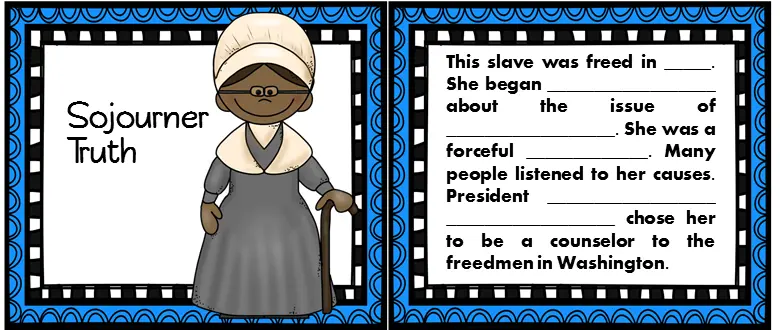
Black History Month Scoot Activity
Looking for a fun way to get students moving while learning about important historical figures? This free Scoot activity includes 30 task cards featuring short descriptions of famous African Americans. Students rotate around the room, read each card, and match the description to the correct person. It’s engaging, fast‑paced, and perfect for Black History Month or any time of year.
Download the Free Scoot ActivityCivil Rights Navigation
Explore the Full Civil Rights Unit
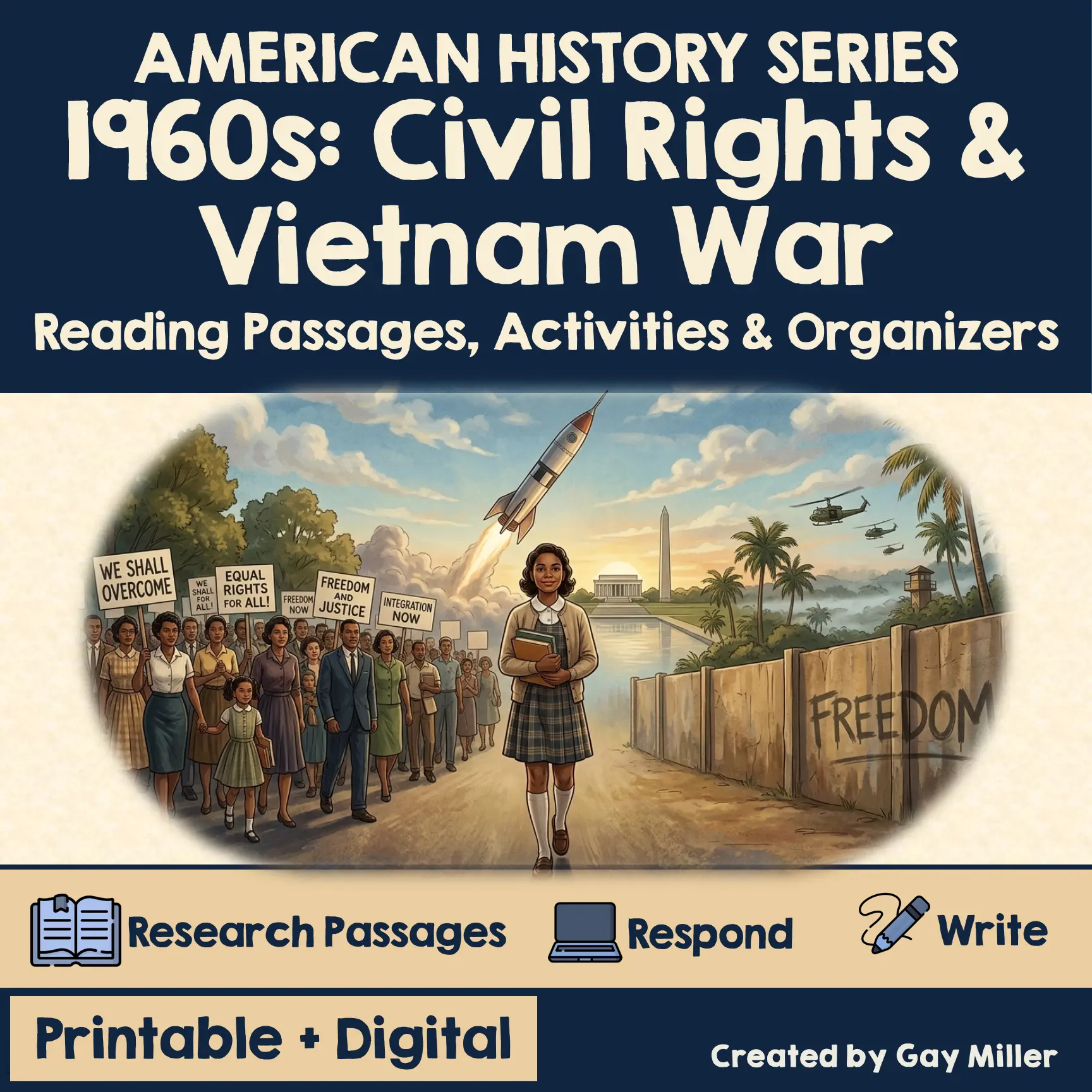
This complete history unit includes research passages, organizers, writing tasks, quizzes, activities, and website research — all in printable and digital formats. Everything you need to teach the Civil Rights with confidence.
View the Full Unit on TPT