Volcano Pop-Up Notebook Organizer
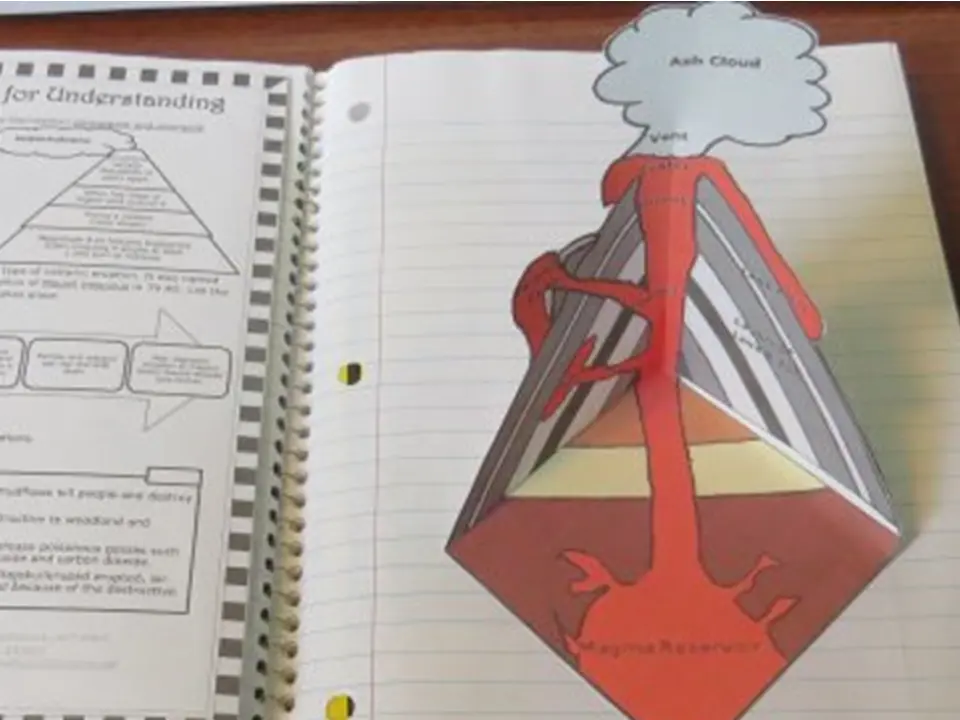
A pop-up volcano cross-section folds flat into the notebook and springs up to 3D when the page is opened, giving students a tactile model of magma traveling from the chamber to the ash cloud above.
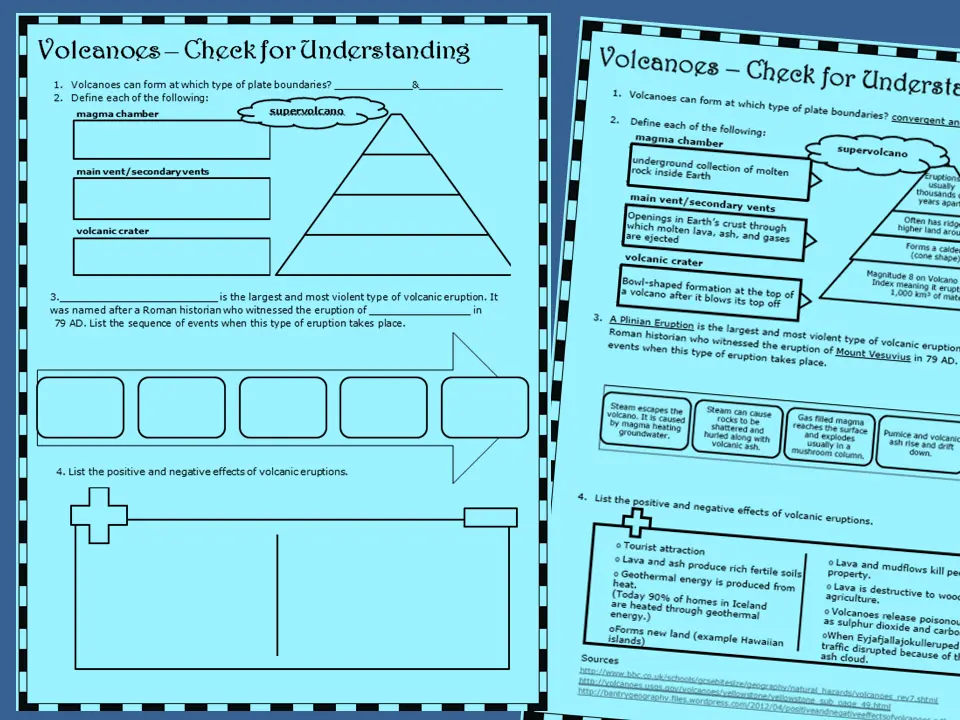
MS-ESS2-2 • How geoscience processes have changed Earth's surface
Volcanoes and mountains are both built by the same forces that drive plate tectonics — but in very different ways. This page covers the anatomy of a volcano, the major volcano types, and the five distinct ways mountains form, with diagrams and hands-on notebook organizers for each.
A volcano is essentially a vent connecting an underground pool of molten rock to the surface. Understanding the path magma travels helps students predict what happens during an eruption.
A pop-up volcano cross-section folds flat into the notebook and springs up to 3D when the page is opened, giving students a tactile model of magma traveling from the chamber to the ash cloud above.
Not all volcanoes look alike — their shape depends on the type of lava they erupt and how that lava behaves as it cools. A matching card activity helps students sort the main types by shape and cause.
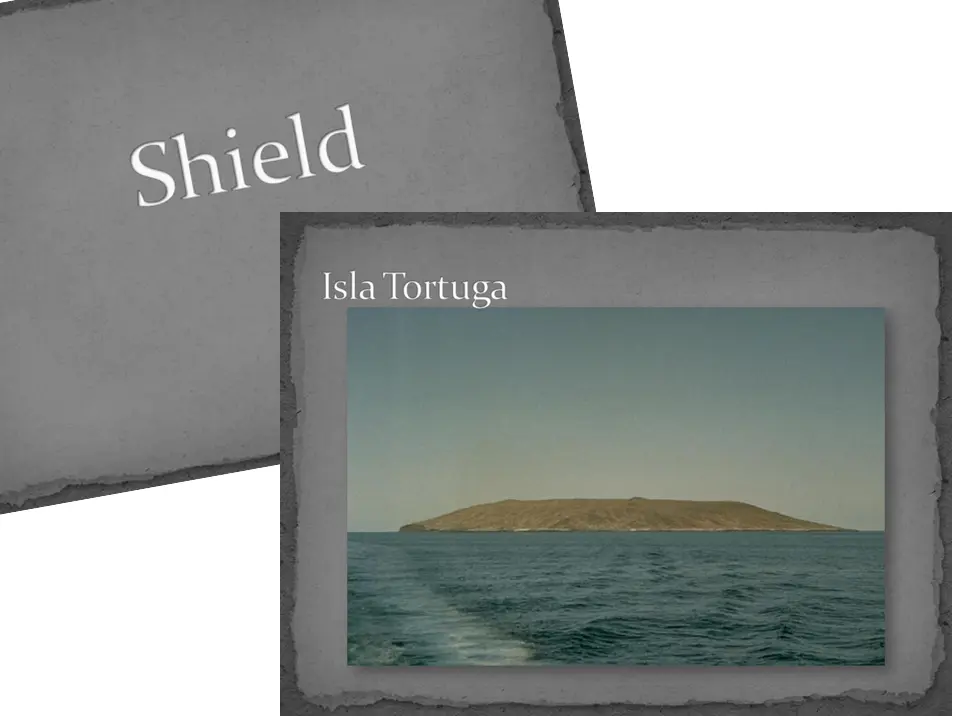
Wide and gently sloped, built from thin, runny lava that spreads far before cooling. Hawaii's volcanoes are classic examples.
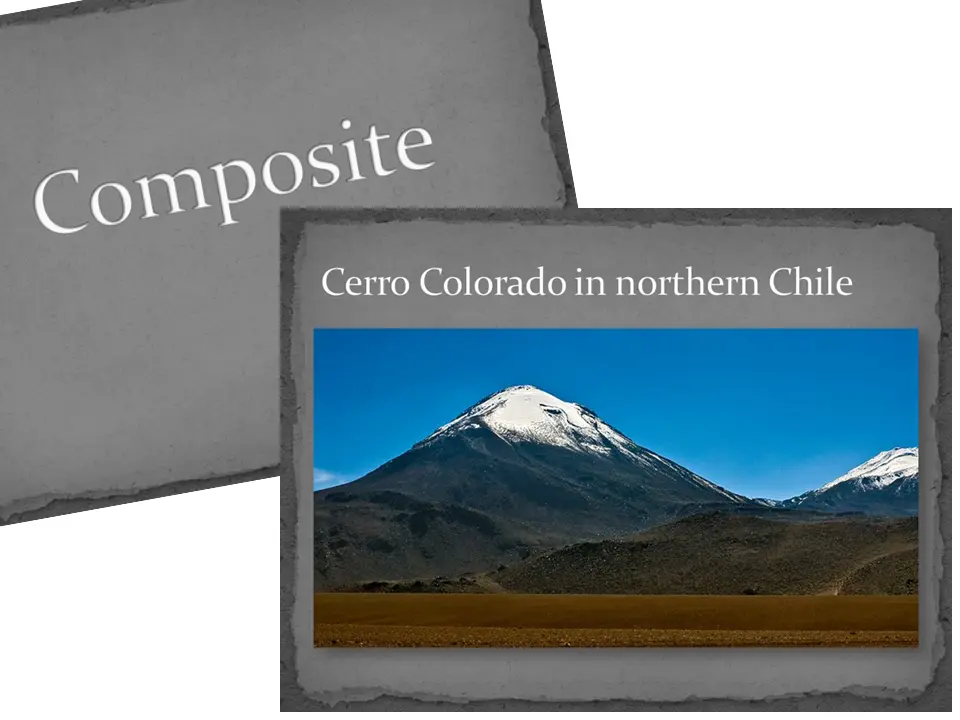
Tall and steep-sided, built from alternating layers of lava and ash. Often the most explosive volcano type.
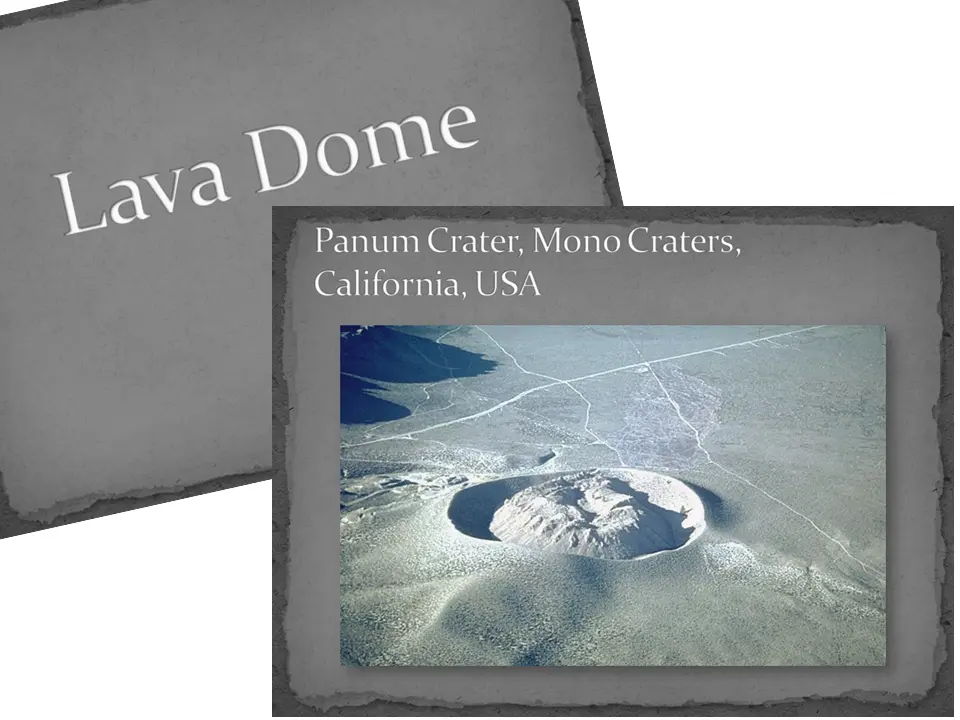
Steep and rounded, formed by thick lava that piles up near the vent because it's too sticky to flow far.
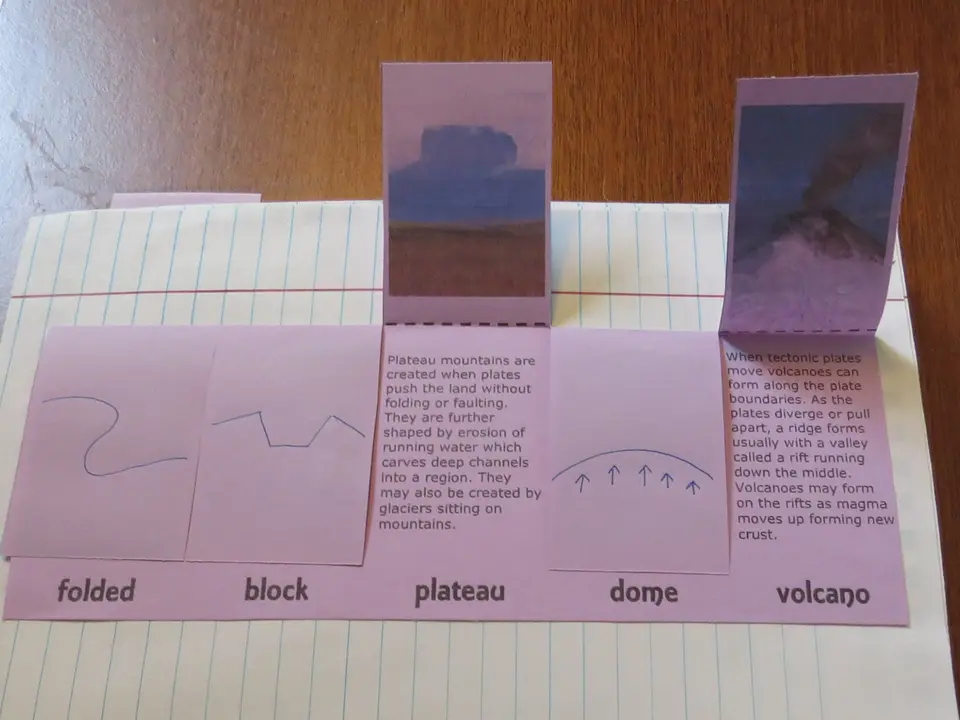
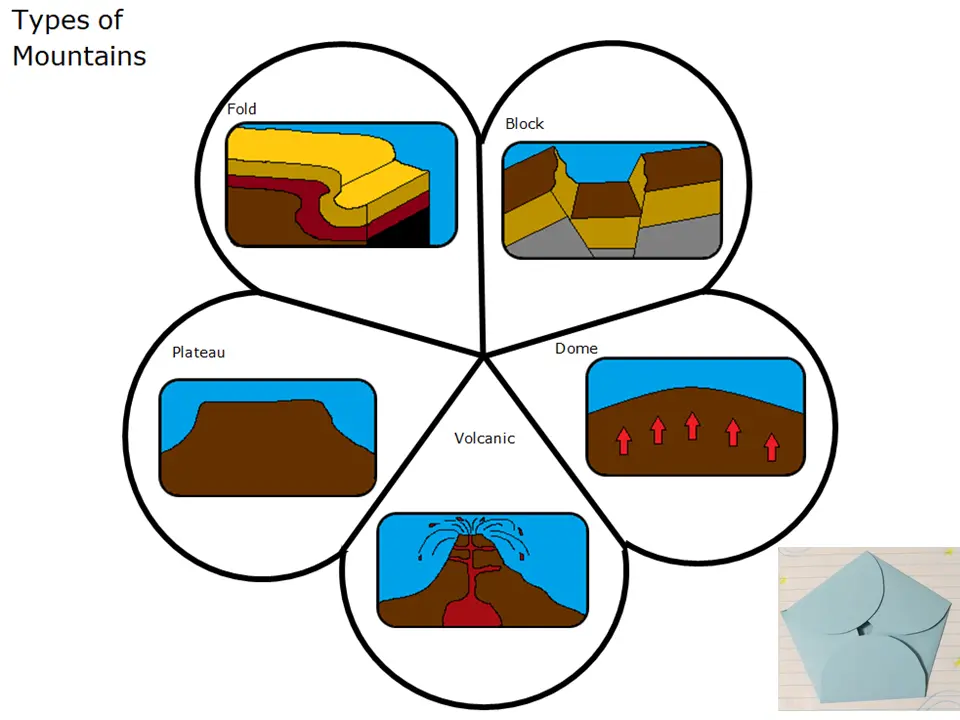
A mountain's shape is a clue to how it formed. The same tectonic forces that move plates can fold rock, lift solid blocks, push up domes, raise entire plateaus, or build volcanic peaks from erupted material.
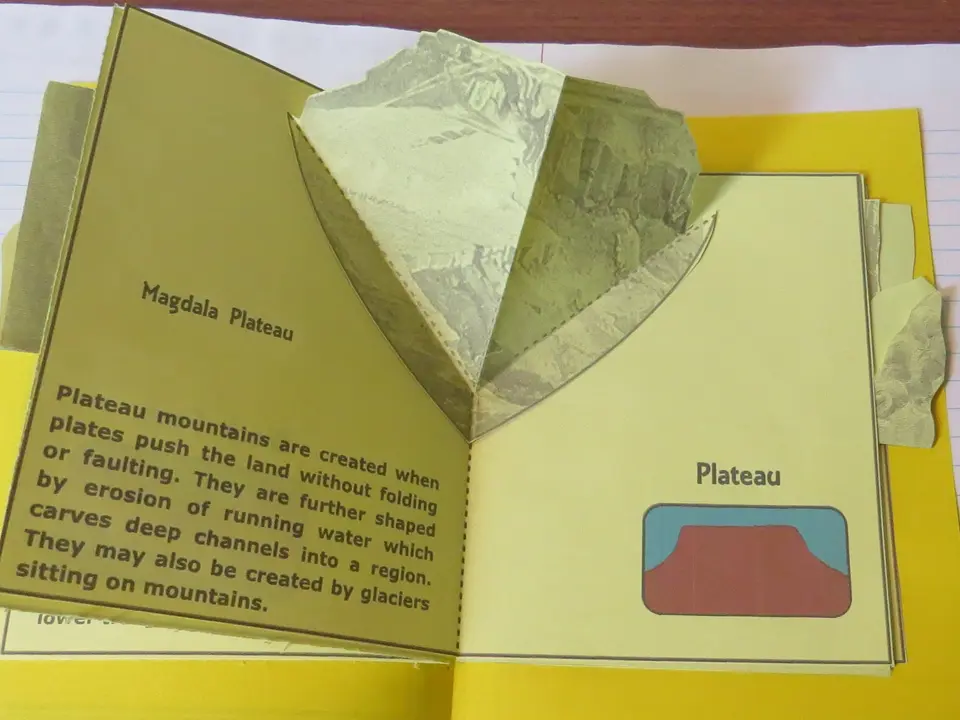
Three different hands-on organizers reinforce the same five mountain types — a flip-fold strip, a pentagon-shaped fold-out, and a pop-up book version — so you can pick the format that fits your classroom's time and materials.
This page covers just one piece of a full NGSS-aligned Earth's Systems: Geology unit — over 370 pages of interactive notebook activities, mini posters, organizers, mini research projects, and Check for Understanding pages covering the rock cycle, plate tectonics, volcanoes, earthquakes, weathering, erosion, and the evidence for plate tectonics.
View the Full Unit on TPT