MS-ESS2-2 • How geoscience processes have changed Earth's surface
Earth isn't a solid ball of rock — it's built from distinct layers, and the outermost layer is broken into moving plates that float on the layer beneath them. This page covers what's inside Earth, how the plates move, and a hands-on puzzle activity that shows students physical evidence for plate tectonics.
Earth is made of four main layers, each with a different state of matter, temperature, and composition. The crust we stand on is actually the thinnest layer by far.
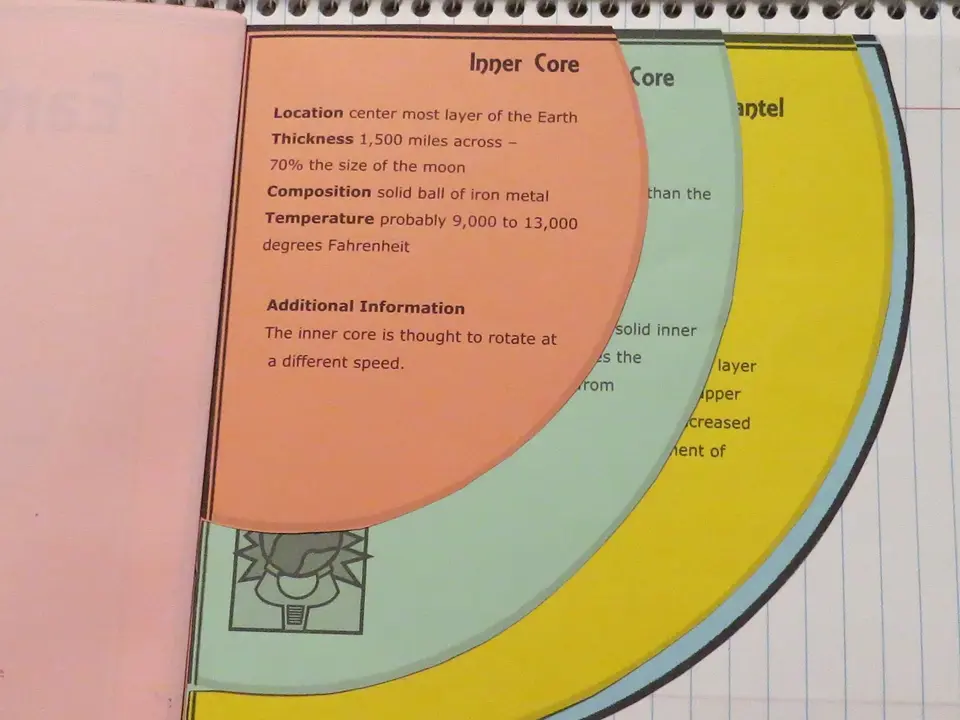
A nested, layered organizer that mirrors Earth's actual structure — students build outward from the inner core, recording location, thickness, composition, and temperature for each layer as they go.
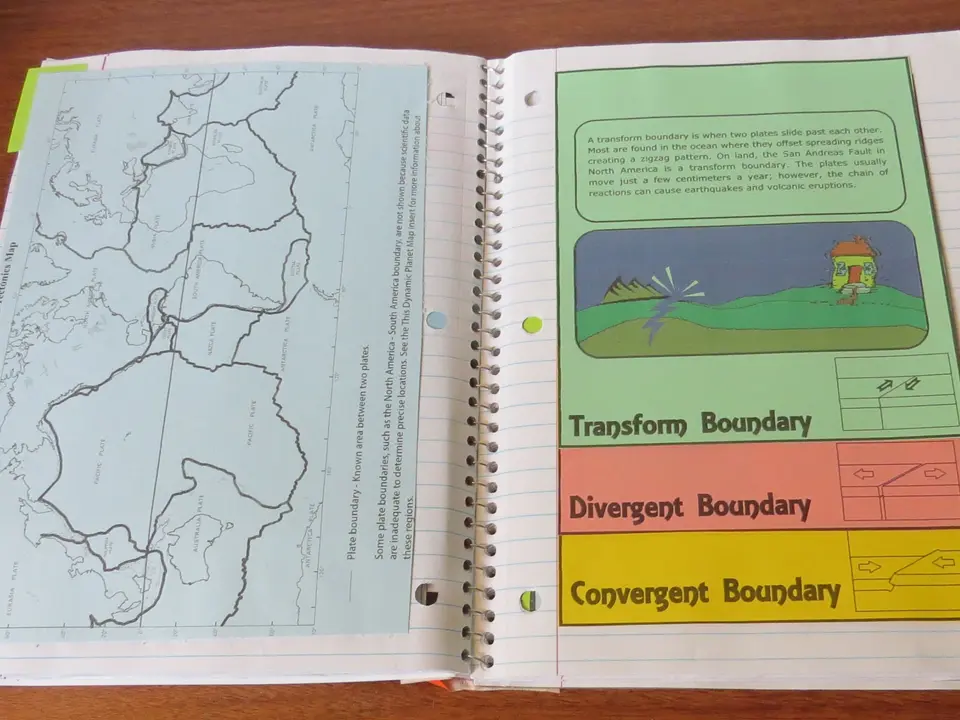
Tectonic plates interact in three distinct ways, and each produces different surface features — from towering mountain ranges to ocean trenches to the fault lines that cause earthquakes.
A flip-style foldable lets students lift each flap to compare the three boundary types side-by-side, writing what they observe under each one in their own words.

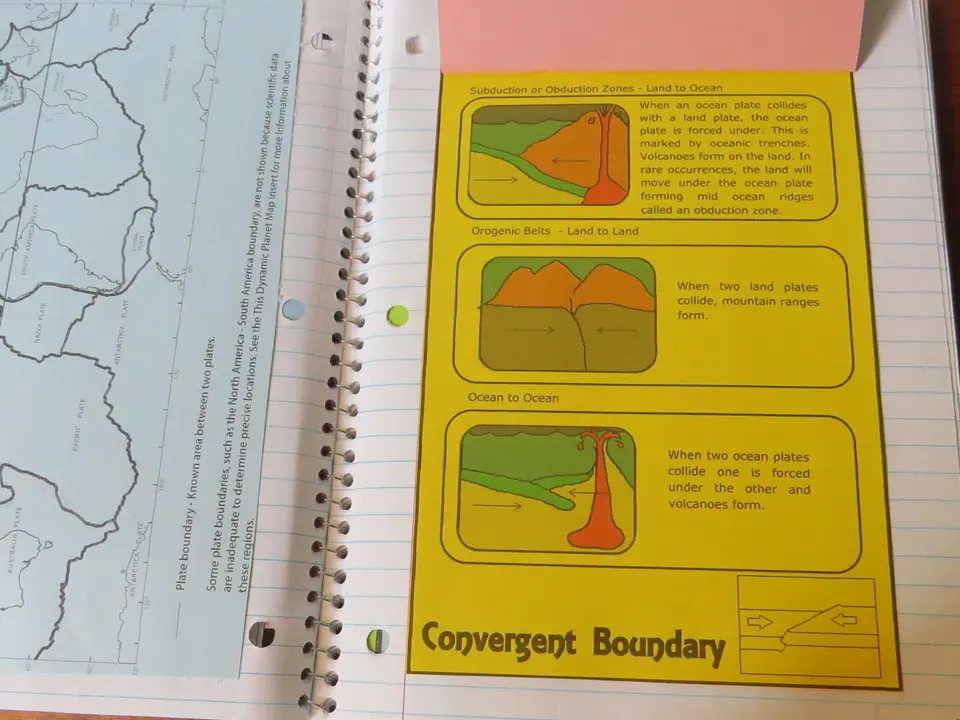
Two plates move toward each other, often forming mountain ranges or deep ocean trenches where one plate sinks beneath another.

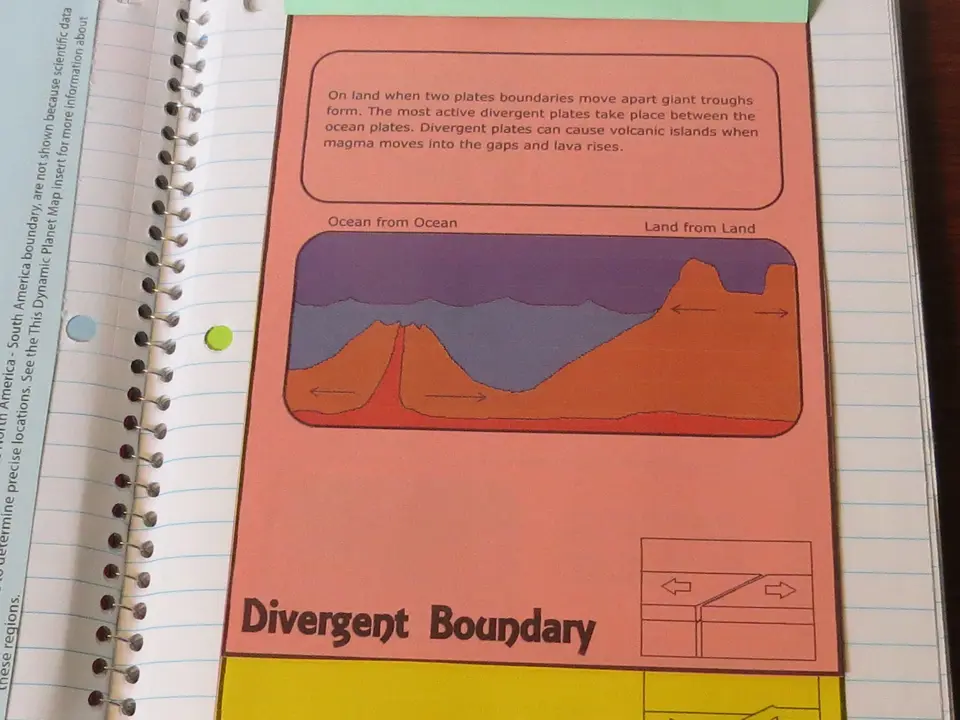
Two plates move apart, allowing magma to rise and form new crust — the process responsible for mid-ocean ridges.

Two plates slide past each other horizontally, building up stress that releases suddenly as an earthquake.
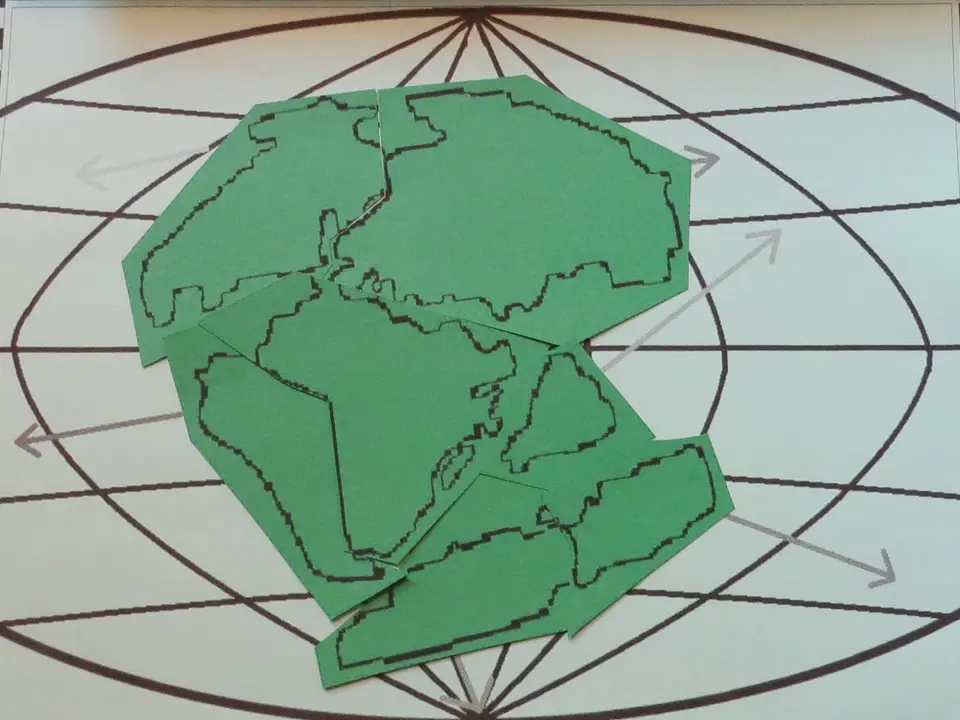
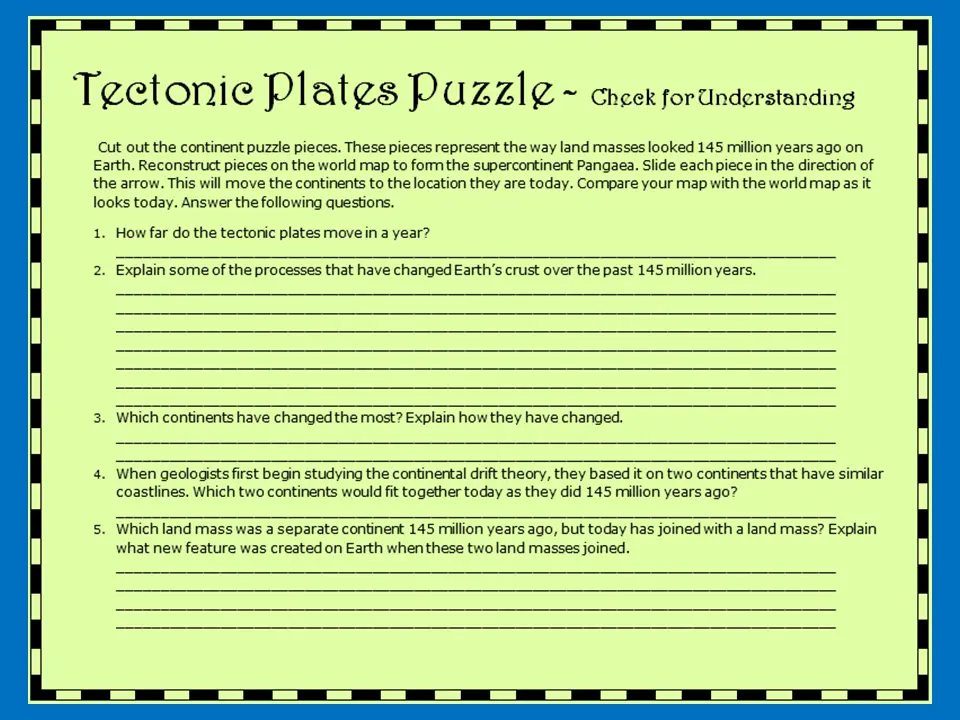
Students cut apart continent puzzle pieces and reassemble them into Pangaea, then compare that arrangement to today's map. The activity makes continental drift tangible and pairs with written questions about how geologists know the continents were once joined.
This page covers just one piece of a full NGSS-aligned Earth's Systems: Geology unit — over 370 pages of interactive notebook activities, mini posters, organizers, mini research projects, and Check for Understanding pages covering the rock cycle, plate tectonics, volcanoes, earthquakes, weathering, erosion, and the evidence for plate tectonics.
View the Full Unit on TPT