MS-ESS2-2 & MS-ESS2-3 • Constructing explanations from evidence
Beyond hands-on organizers, this unit includes three projects that ask students to think and write like scientists — building an evidence-based argument, imagining what Earth was like at any point in its history, and reasoning through the evidence for meteor impacts.
Project 1
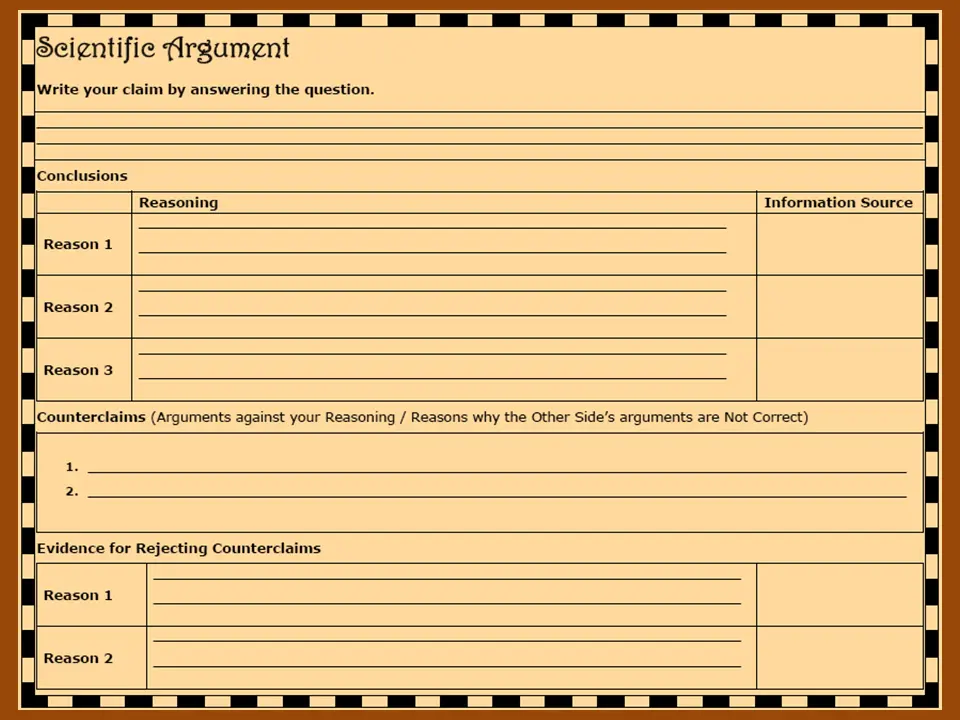
Students take a position on an earthquake-related question and build a written argument using claims, evidence, and reasoning — the same structure scientists use to support their conclusions. This activity connects directly to the grade 6-8 literacy writing standards for science and technical subjects.
Project 2
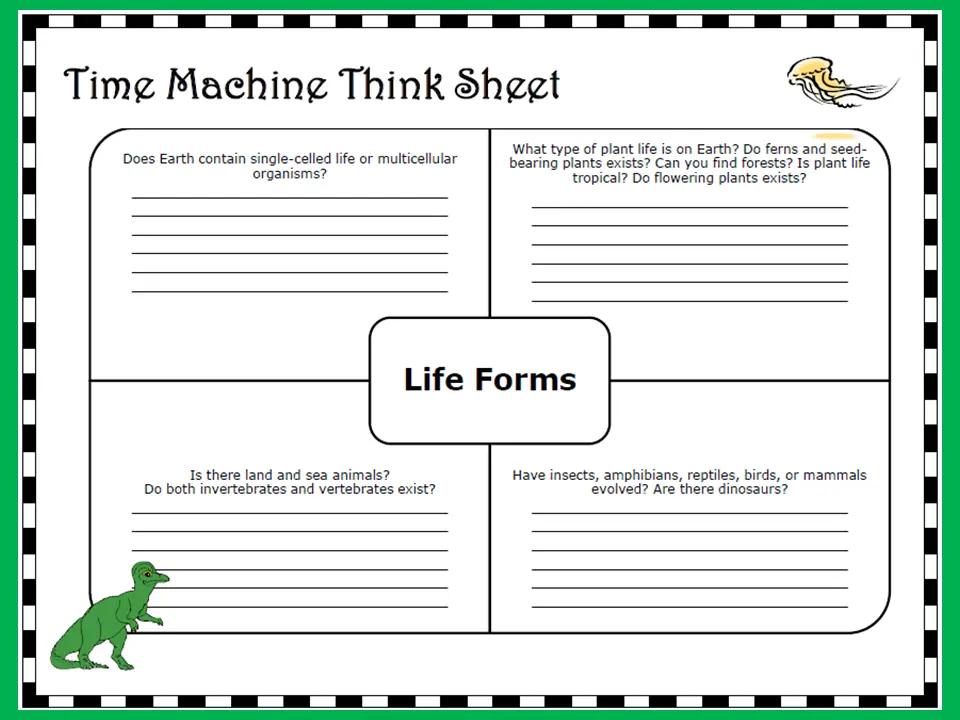
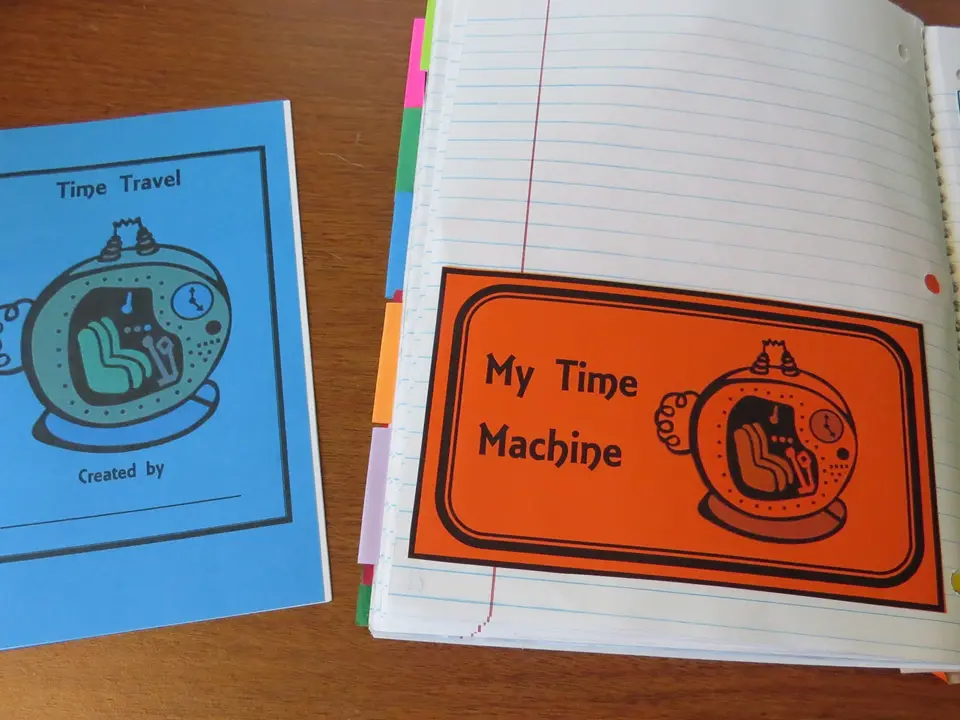
Students imagine traveling back to any point in Earth's history and must research what conditions they would actually encounter — from the atmosphere they'd breathe to the equipment they'd need to survive. The project blends creative framing with real geologic research.
Students research land masses, day length, climate, and Earth's magnetic field at their chosen point in time.
Students determine what gear they'd need based on atmospheric gases, temperature, and physical hazards of the era.
Students cite credible sources for their findings, practicing research skills alongside science content.
Project 3
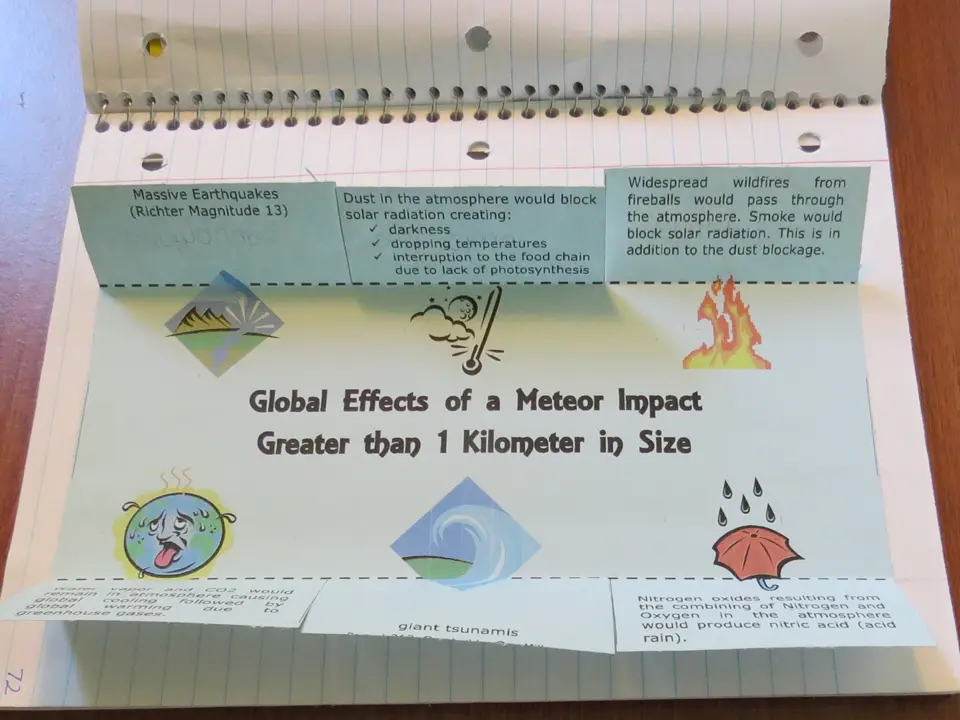
No human has ever witnessed the impact of a large meteorite — but scientists have built a clear picture of these events using scaled experiments and the impact structures preserved on Earth's surface.
Students learn six related vocabulary terms, then use evidence about crater size and impact frequency to write a paragraph explaining how scientists know large meteorites have struck Earth.
This page covers just one piece of a full NGSS-aligned Earth's Systems: Geology unit — over 370 pages of interactive notebook activities, mini posters, organizers, mini research projects, and Check for Understanding pages covering the rock cycle, plate tectonics, volcanoes, earthquakes, weathering, erosion, and the evidence for plate tectonics.
View the Full Unit on TPT