The Shapes of the Continents
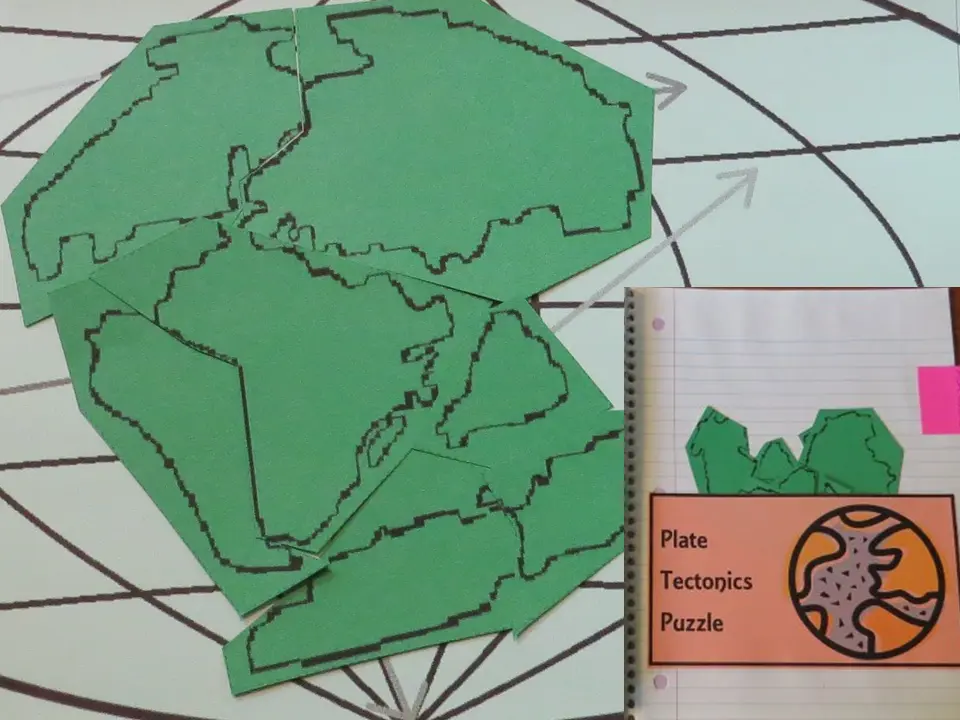
Alfred Wegener first noticed that South America's eastern coastline looked like it could fit into Africa's western coastline. Students compare modern continent outlines to test this same observation for themselves.
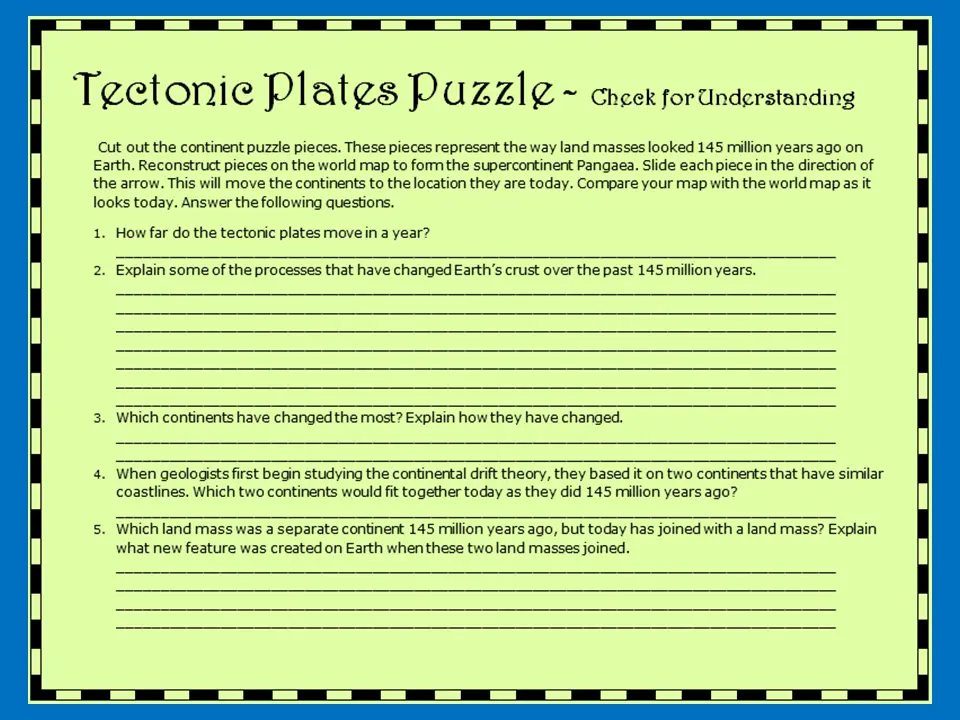
MS-ESS2-3 • Analyze and interpret data on the distribution of fossils and rocks
Plate tectonics wasn't accepted overnight — scientists had to gather independent lines of evidence before the theory became widely accepted. This page covers four major types of evidence: matching continent shapes, shared fossils and rock types across oceans, the global pattern of earthquakes and volcanoes, and modern GPS measurements of plate movement.
No single piece of evidence proved plate tectonics on its own — it was the combination of independent observations, from puzzle-piece coastlines to satellite measurements, that convinced the scientific community the continents really do move.
Alfred Wegener first noticed that South America's eastern coastline looked like it could fit into Africa's western coastline. Students compare modern continent outlines to test this same observation for themselves.
Identical fossils and rock formations have been found on continents now separated by thousands of miles of ocean — strong evidence those continents were once joined together.
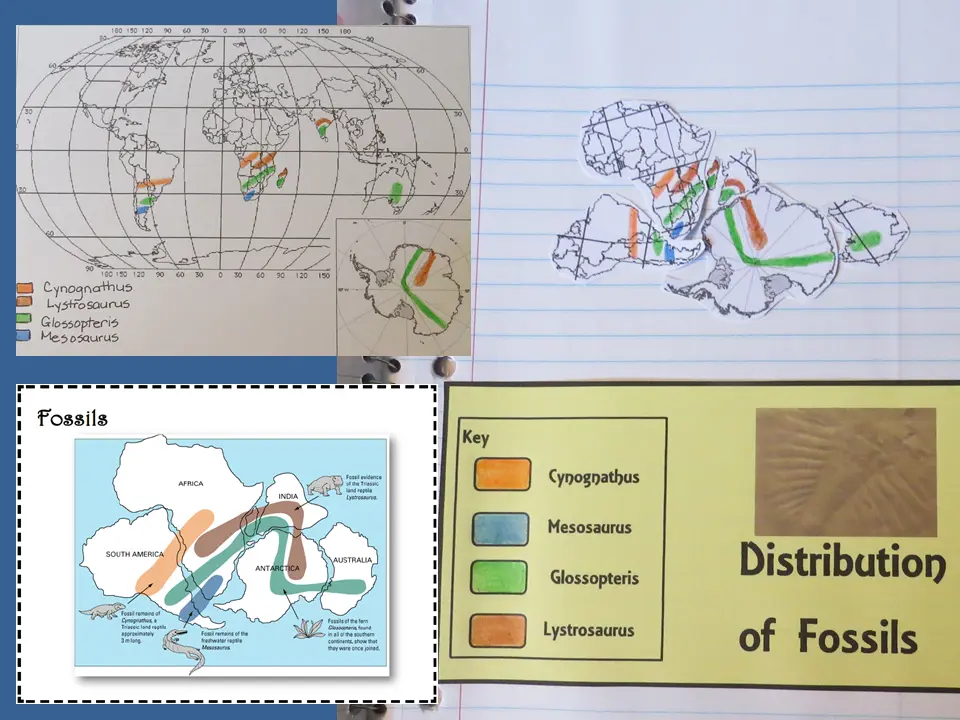
Fossils of the same ancient plants and animals appear on continents that are now far apart, but would have been connected under Pangaea.
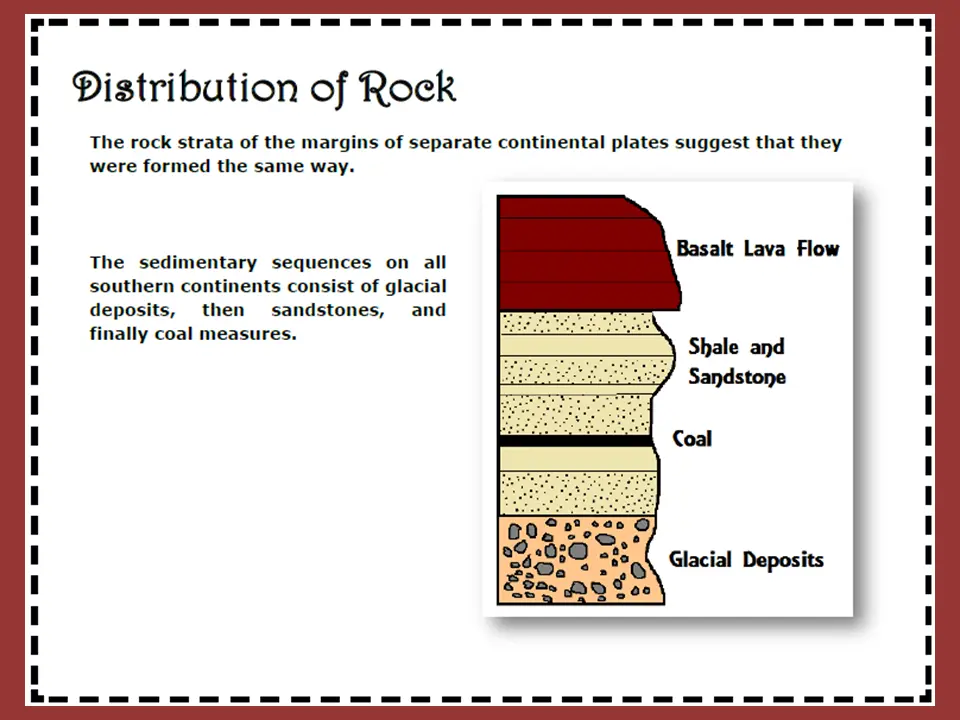
Distinct rock layers and mountain ranges line up across continents when the modern coastlines are pushed back together.
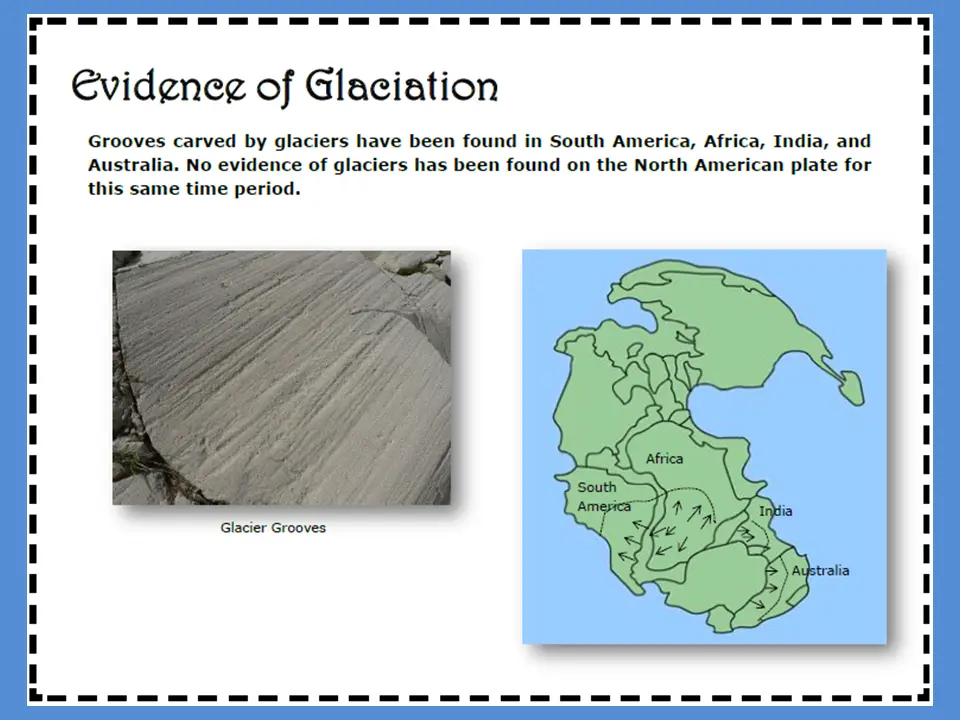
Glacial scratch marks, climate clues from ancient coal deposits, and other physical evidence further support continental drift.
When earthquake epicenters and active volcanoes are plotted on a world map, they don't scatter randomly — they trace narrow bands that mark the edges of tectonic plates, including the famous Pacific "Ring of Fire."
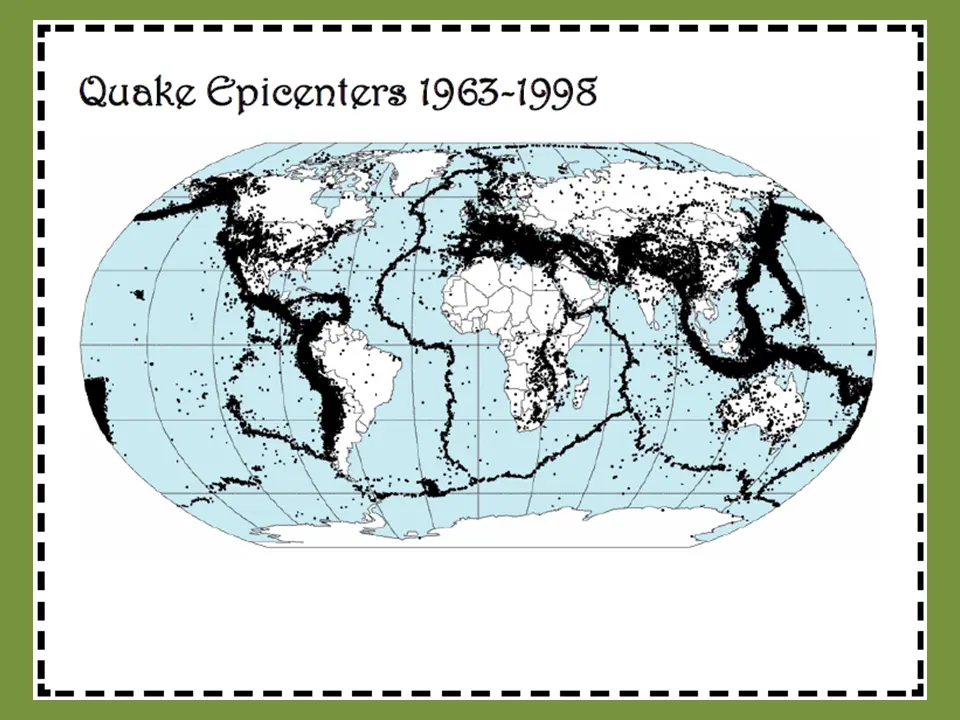
Modern technology gives scientists direct, real-time proof that plates move. A separate case study — the Great American Biotic Interchange — shows how the formation of a land bridge between North and South America allowed entirely new species to migrate between continents.
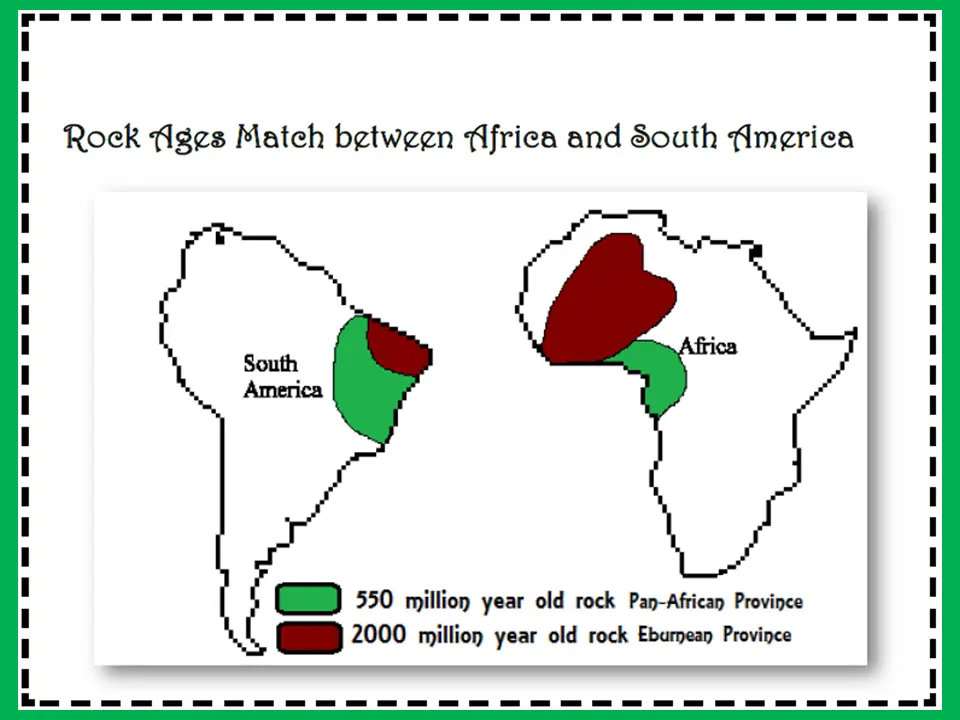 Photo: Rock Ages Between Continents
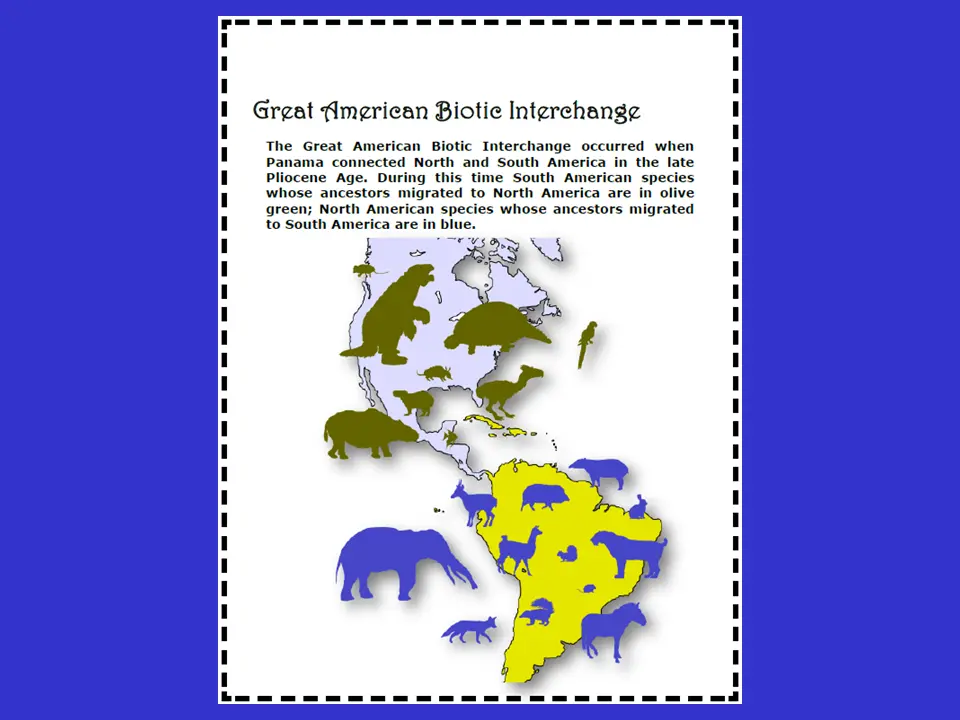 Photo: Great American Biotic Interchange
A culminating organizer brings all four types of evidence together, asking students to summarize and cite the strongest support for plate tectonics in their own words — a natural capstone for the unit.
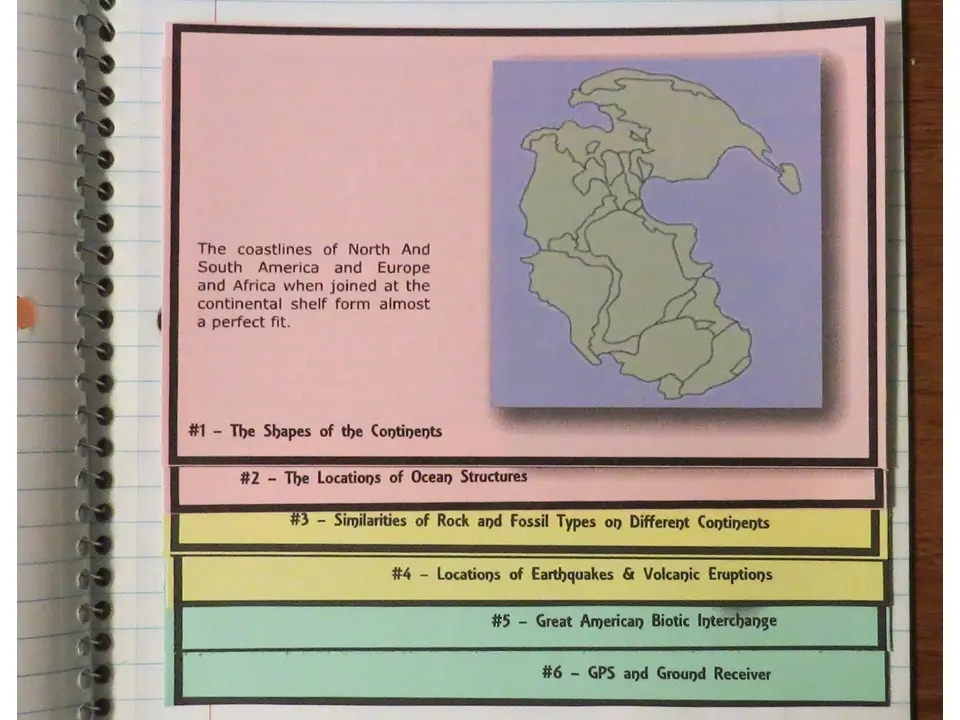 Photo: Results of Plate Tectonics organizer
This page covers just one piece of a full NGSS-aligned Earth's Systems: Geology unit — over 370 pages of interactive notebook activities, mini posters, organizers, mini research projects, and Check for Understanding pages covering the rock cycle, plate tectonics, volcanoes, earthquakes, weathering, erosion, and the evidence for plate tectonics.
View the Full Unit on TPT