Plains Nations
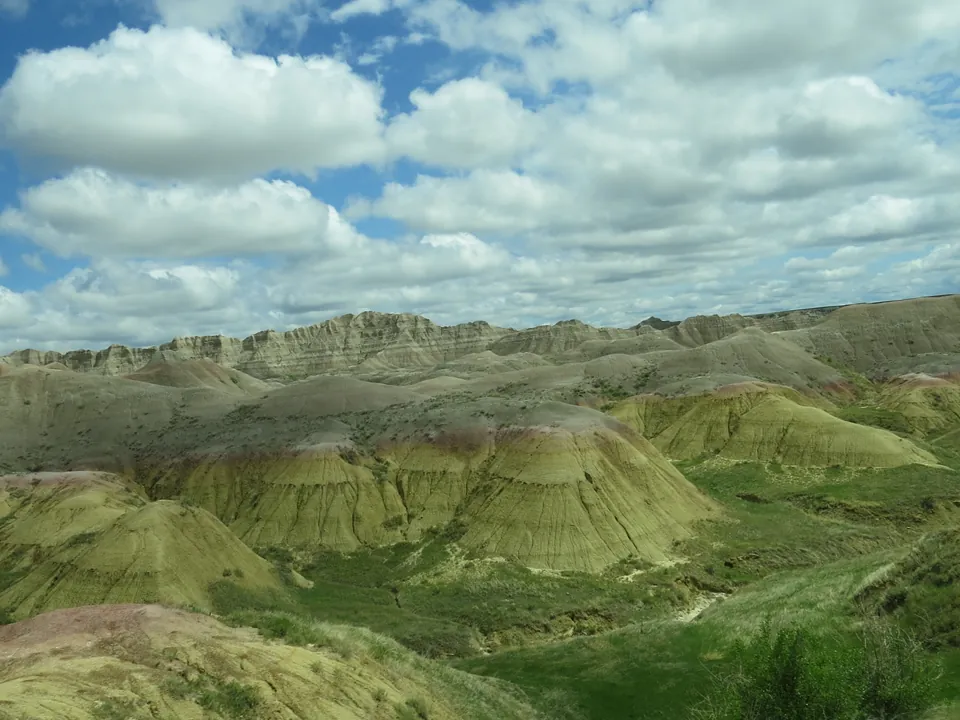
The Great Plains is a sea of grass in the middle of North America. People have lived there for thousands of years. Some Plains nations farmed in villages along the rivers. Others followed the great herds of bison (buffalo) and lived in tipis they could pack up and move. After horses arrived in the 1700s, Plains nations became some of the finest riders in the world.
Plains Nations at a Glance
Plains Nations
- Region: Plains
- Homeland: From the Mississippi River to the Rocky Mountains, and from Canada to Texas
- Some nations: Lakota, Dakota, and Nakota (Sioux), Cheyenne, Arapaho, Crow, Blackfeet, Comanche, Kiowa, Pawnee, Mandan
- Homes: Tipis; earth lodges in farming villages
- Food: Bison, elk, and antelope; corn, beans, and squash in river villages
Key Facts
- Bison gave food, clothing, shelter, and tools.
- Horses spread north from Spanish New Mexico after 1680.
- Women owned the tipi and could put it up in under an hour.
- Plains nations spoke different languages but shared a sign language.
- By 1889, only a few hundred wild bison were left in the U.S.
Tap or hover over the card to flip it. Students can copy this information into their lapbook organizers before reading.
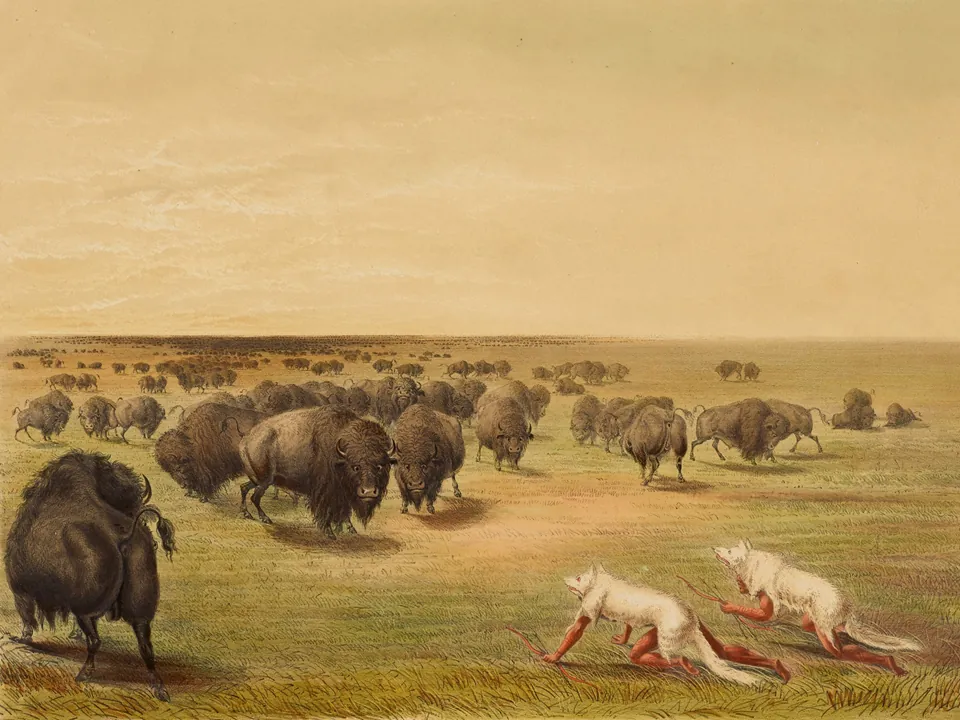
Look Closely: George Catlin painted this scene in the 1830s, when he traveled up the Missouri River. Two hunters crawl toward a bison herd wearing white wolf skins. Bison did not fear a lone wolf, so the hunters could get close enough to shoot. Catlin painted this long after Plains nations had horses. Why might hunters still use this older method? Do you think Catlin watched this hunt himself, or did someone tell him about it? What clues would help you decide?
Where the Plains Nations Lived Map
The Great Plains stretch from the Mississippi River west to the Rocky Mountains, and from Canada south to Texas. The eastern plains have tall grass; the western plains are drier, with short grass. Summers can be hotter than 100°F, and winter blizzards can drop temperatures far below zero. Rivers lined with cottonwood trees cross the grasslands.
There were two main ways of life on the Plains. Nations like the Mandan, Hidatsa, Arikara, and Pawnee lived in farming villages along rivers. Nations like the Lakota, Cheyenne, Crow, Blackfeet, Comanche, and Kiowa followed the bison herds. Some of these nations moved onto the Plains from the woodlands to the east, especially after they got horses.
Homes Homes
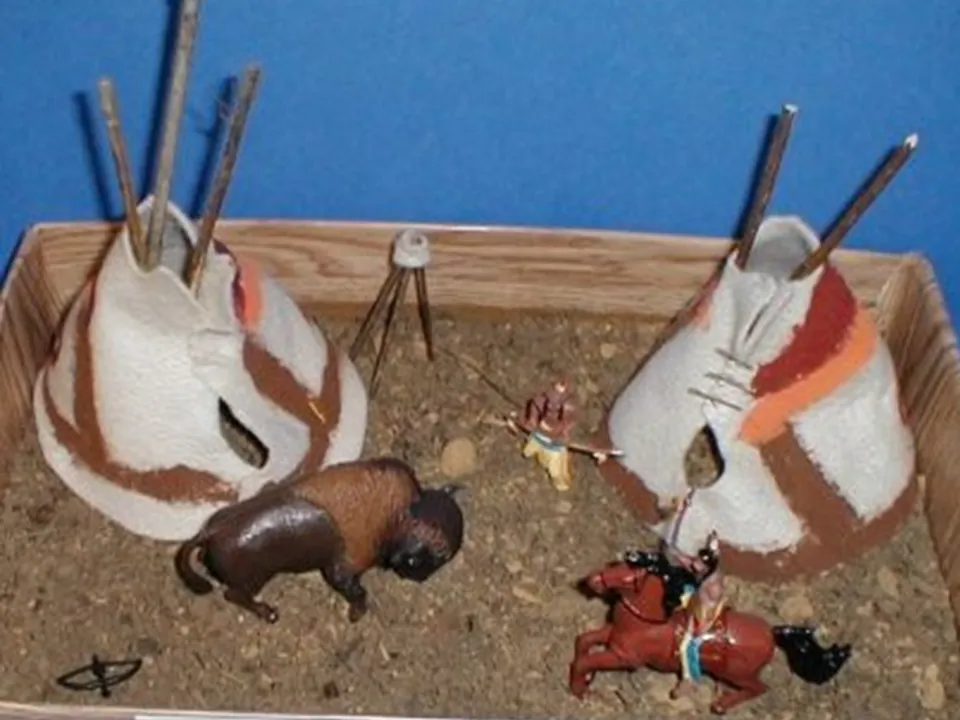
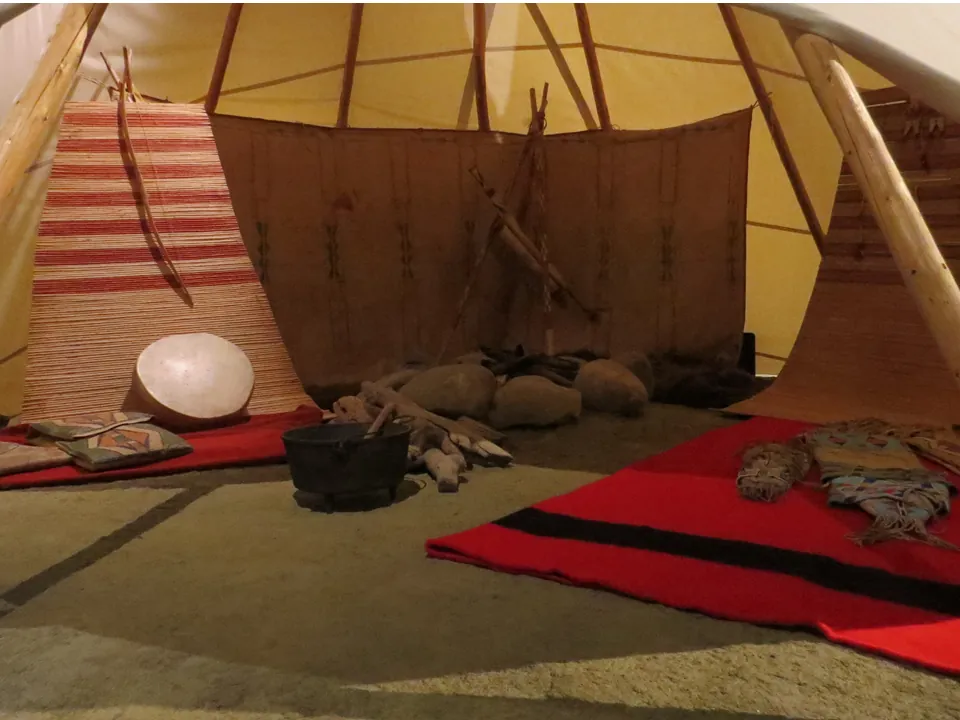
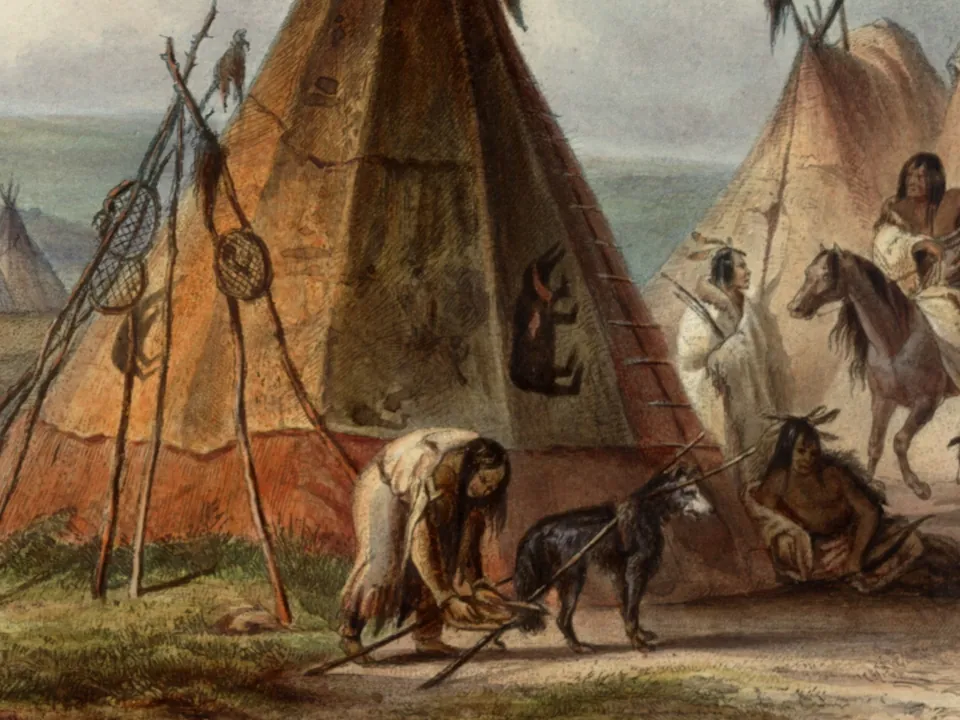
Hunting nations lived in tipis. A tipi has a cone-shaped frame of long wooden poles covered with bison hides sewn together. Two smoke flaps at the top can be moved with poles to let smoke out and keep wind and rain from blowing in. In many nations, the door faced east, toward the rising sun. A lining inside kept out drafts. Women made, owned, and put up the tipi, and they could take it down and pack it in less than an hour.
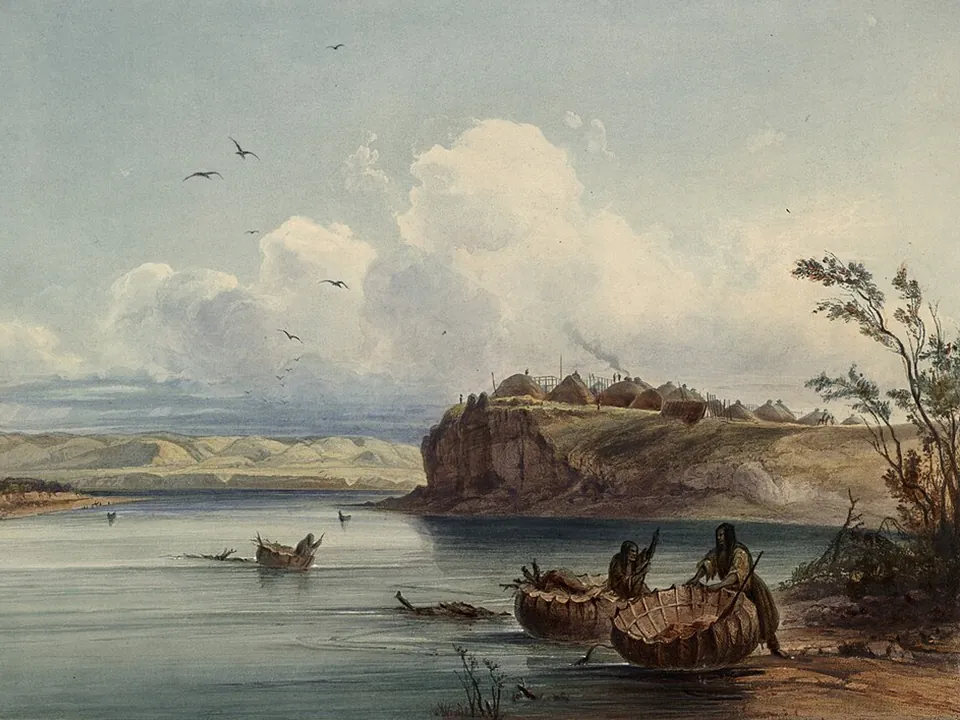
Farming nations lived in earth lodges: large round houses with a log frame covered with willow branches, grass, and a thick layer of earth. An earth lodge could be 40 feet across and held an extended family. These nations used tipis on long hunting trips.
Clothing Clothing
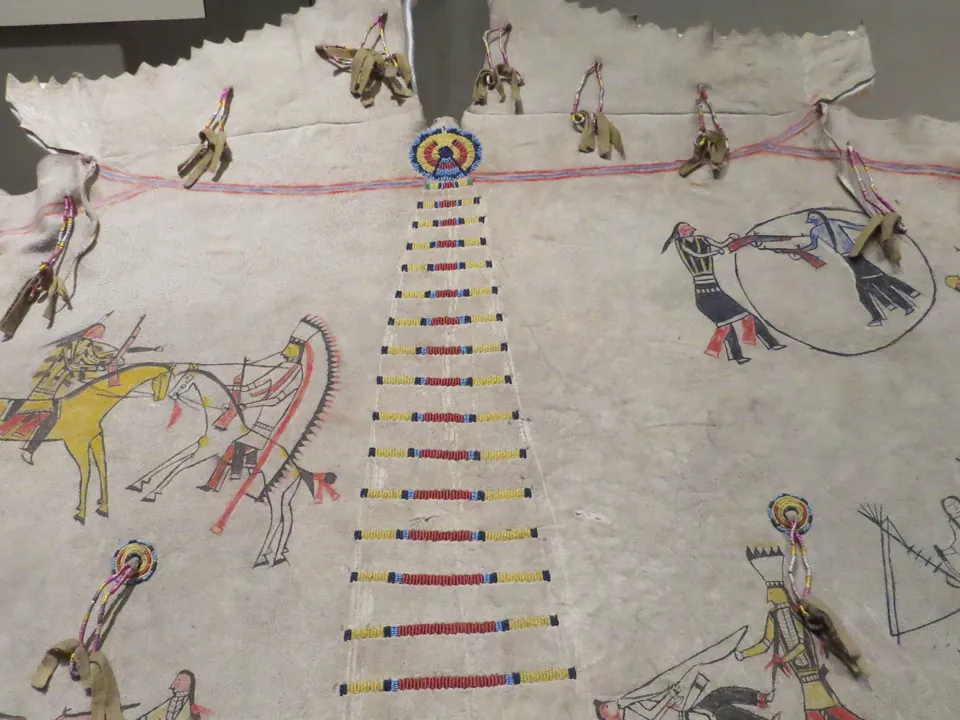
Women tanned bison, deer, and elk hides to make clothing. Men wore breechcloths, leggings, shirts, and moccasins. Women wore long dresses of deer or elk hide decorated with quills, beads, or elk teeth. In winter, everyone wore warm bison robes with the fur left on. Men painted their robes with pictures of brave deeds, and women painted them with geometric designs.
The eagle-feather war bonnet was not everyday clothing. Each feather was earned through a brave act, and only men who had earned the honor wore one. Not every Plains nation wore war bonnets.
Food Foods
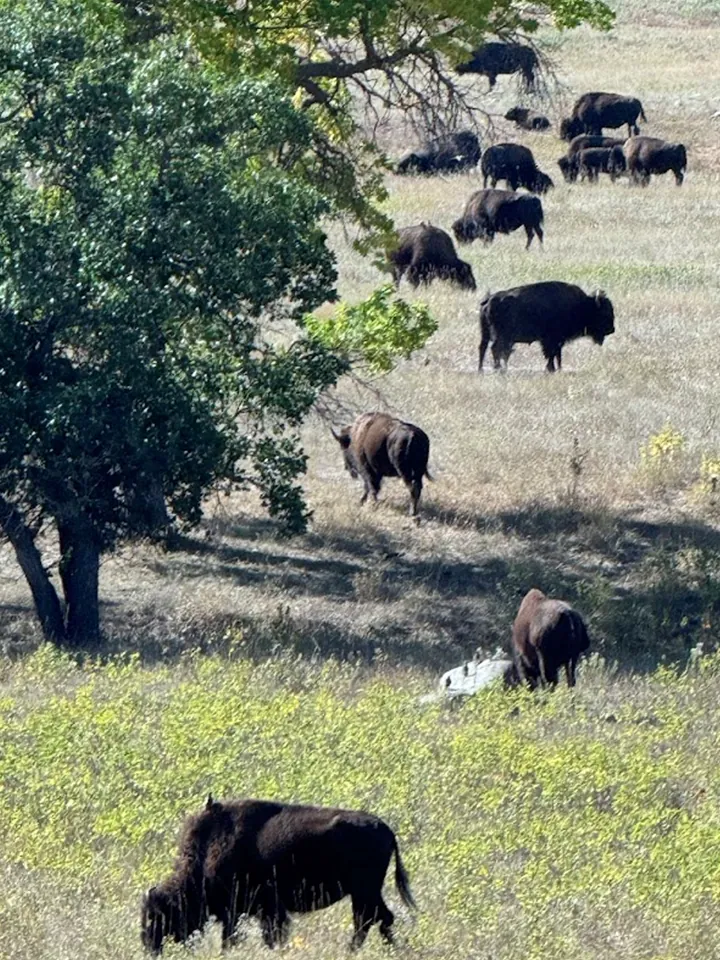
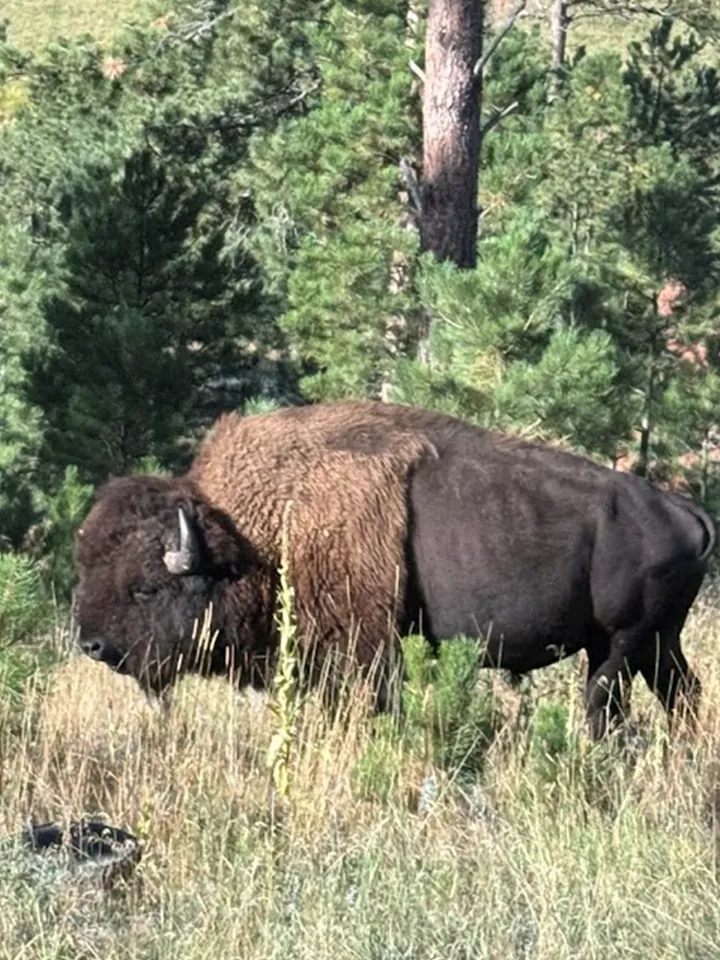
For the hunting nations, bison was the most important food. Before horses, hunters surrounded herds on foot or drove them over cliffs called buffalo jumps. On horseback, hunters rode right beside a running bison and shot it with bow and arrow or a lance. Women dried the meat into jerky and made pemmican: dried meat pounded into powder and mixed with fat and chokecherries. Pemmican could last for months.
Hunters also took elk, deer, and pronghorn antelope. Women gathered prairie turnips, chokecherries, and berries. In the river villages, women grew corn, beans, squash, and sunflowers, and traded their crops with the hunting nations.

Every Part of the Bison
- hides: tipi covers, robes, moccasins, shields, and rawhide containers
- bones: tools, scrapers, and hoes made from shoulder blades
- Horns: spoons, cups, and ladles
- sinew (tendons): thread and bowstrings
- stomach: water bags and cooking pots
- hair: rope; dried dung: fuel for fires where there were no trees
Customs and Beliefs Villages Book
The Lakota pray to Wakȟáŋ Tȟáŋka, the Great Mystery, the sacred power in all things. Ceremonies such as the vision quest and the Sun Dance, the most important summer ceremony for many Plains nations, are prayers for the people. They are sacred and private.
Plains nations spoke many different languages, but they shared a sign language so they could trade and talk with one another. Bravery was honored. Touching an enemy in battle and getting away, called counting coup, was a greater honor than killing.
The Lakota and Kiowa kept winter counts, histories painted on a hide, with one picture for each year. The keeper remembered the story behind every picture.
Showing Respect: Many Plains nations pray with a sacred pipe, and shields and war bonnets carry personal and spiritual meaning. These are sacred objects, so they are not made as classroom crafts.
Tools and Travel
Before horses, dogs pulled a travois, two poles tied together in a V with a platform for carrying loads. Horses could pull much bigger travois. The Spanish brought horses to New Mexico. After the Pueblo Revolt in 1680, horses spread north through trade, and by the mid-1700s most Plains nations rode them.
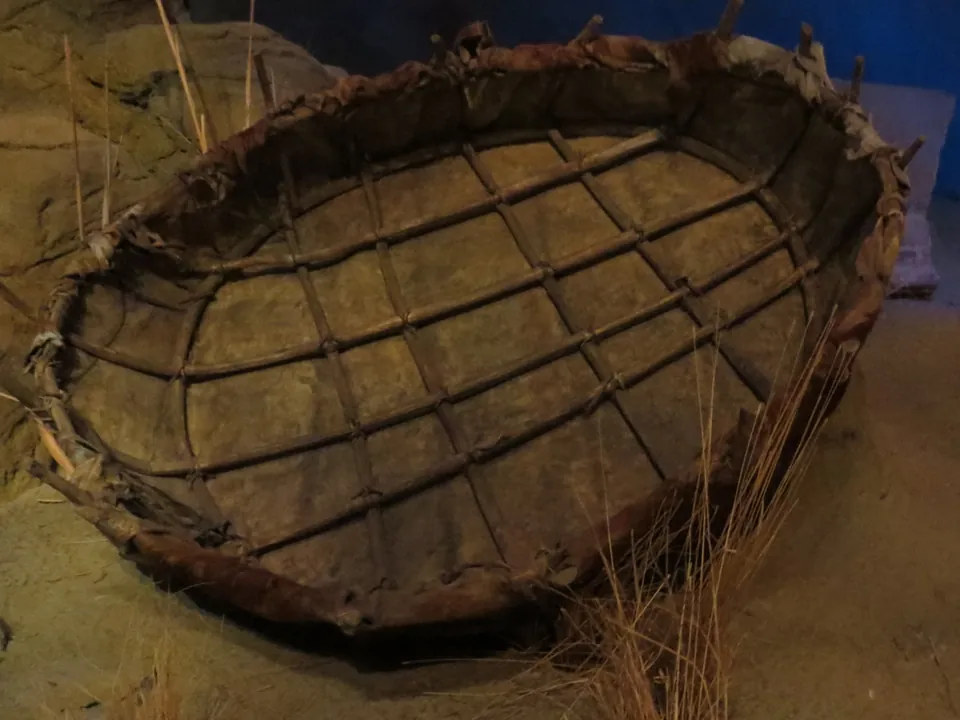
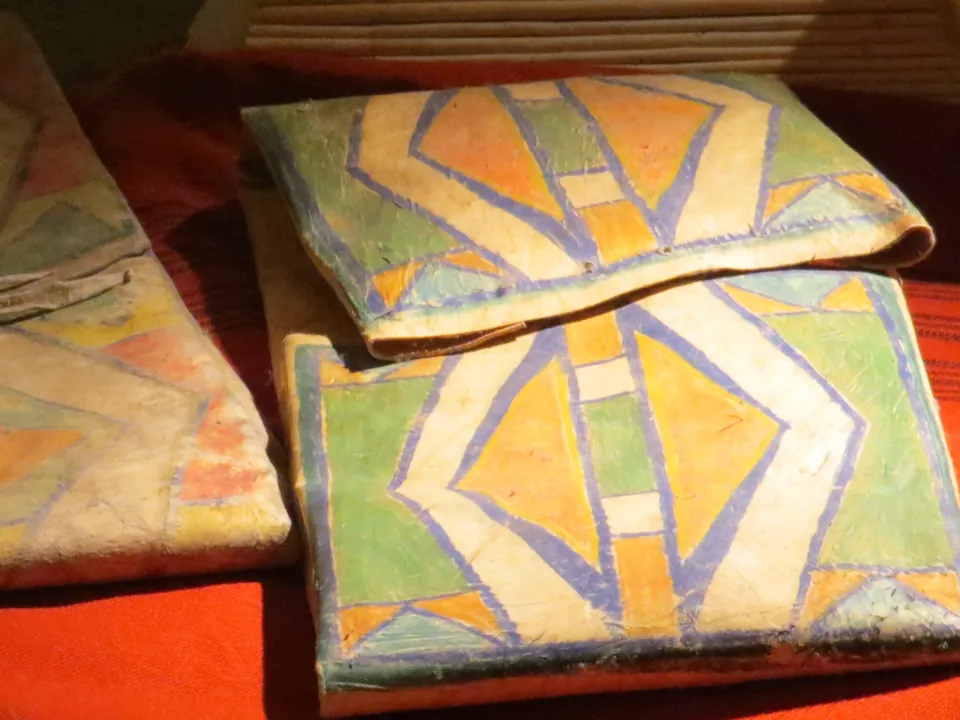
Mandan and Hidatsa women crossed the Missouri River in bull boats, round boats made by stretching a bison hide over a frame of willow branches. Belongings were packed in parfleches, folded rawhide cases.
Art Art
Plains artists decorated clothing and bags with dyed porcupine quills long before glass beads arrived. When traders brought beads in the 1800s, many artists switched to bold beadwork designs of triangles, diamonds, crosses, and stripes. Women painted geometric designs on parfleches. When bison hides became scarce, men drew pictures of events on paper from account books called ledgers. This ledger art is still made today.

Losing the Bison and the Land
In the 1800s, settlers, railroads, and the U.S. Army moved onto the Plains. Treaties such as the Treaty of Fort Laramie (1868) promised the Lakota the Black Hills forever, but after gold was found there, the government took the land. In 1876, Lakota and Cheyenne warriors defeated Custer's soldiers at the Battle of the Little Bighorn.
At the same time, hunters killed millions of bison for their hides, and the Army encouraged it to force Plains nations onto reservations. By 1889, only a few hundred wild bison were left in the United States. In 1890, U.S. soldiers killed hundreds of Lakota people at Wounded Knee, South Dakota.
Plains Nations Today
Plains nations live across the Great Plains, on reservations such as Pine Ridge, Rosebud, and Standing Rock in the Dakotas, the Crow and Blackfeet reservations in Montana, and in Oklahoma, Kansas, and Canada. In 1980, the Supreme Court ruled that the Black Hills had been taken illegally and awarded the Lakota money. The Lakota refused the payment because they want the land returned. The money, now more than a billion dollars, is still waiting.
Many tribes are bringing bison home. The InterTribal Buffalo Council helps more than 80 tribes raise bison herds on their own land.
Activities
My Winter Count
See how Lakota keepers recorded history with one picture for each year, then make a winter count of your own life.
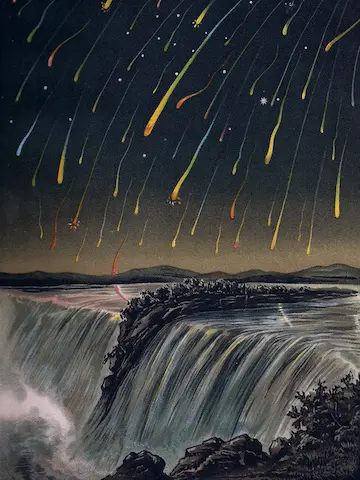
For teachers: Online spiral maker plus paper directions. Includes the 1833 "year the stars fell" meteor shower. Timeline and sequencing skills.
Start the ActivityFamous People Connected to This Page
Word Match
Drag each word to its definition, or tap a word and then tap its definition.