Billy Mills
Billy Mills at a Glance
Billy Mills
- Name: William Mervin “Billy” Mills
- People: Oglala Lakota
- Home: Pine Ridge Reservation, South Dakota
- Known for: 1964 Olympic gold medal, 10,000 meters
- Born: June 30, 1938
Key Facts
- Lost both parents by the time he was 12.
- Ran in college at the University of Kansas.
- Was an officer in the U.S. Marine Corps.
- Won Olympic gold in Tokyo on October 14, 1964.
- Helped start Running Strong for American Indian Youth.
Tap or hover over the card to flip it. Students can copy this information into their organizer before reading.
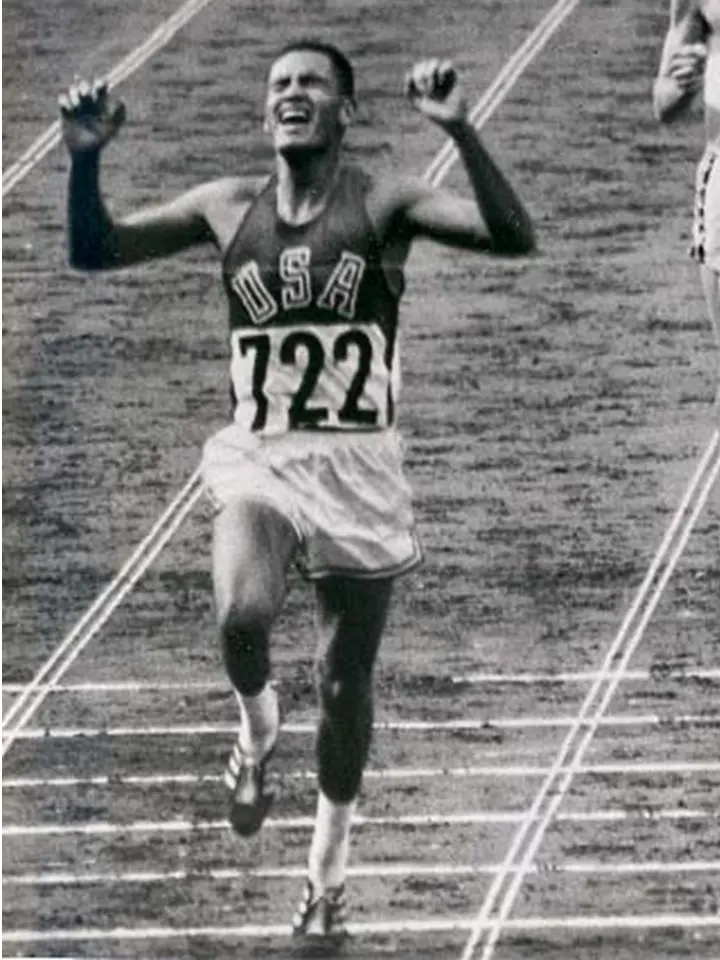
Look Closely: Read the caption under the photograph at the top. A good caption tells you who, what, where, and when. This photograph was taken at the exact moment Billy Mills won the 10,000-meter race at the 1964 Olympics in Tokyo. Look at the details: the USA on his shirt, his race number, his arms raised high, and the look on his face. What can this photograph tell you about that moment that words alone cannot? How do you think Billy Mills felt?
Growing Up at Pine Ridge
Billy Mills was born on June 30, 1938, on the Pine Ridge Reservation in South Dakota. He is a member of the Oglala Lakota Nation. His family was poor, and life was hard. When Billy was a young boy, his mother died. By the time he was 12, his father had died too. Before he passed away, Billy’s father told him to look beyond his hurt and anger and to find a dream. Billy took those words to heart.
Finding His Dream
After his father’s death, Billy went to Haskell Institute, a school for Native American students in Lawrence, Kansas. There, he discovered he was a talented runner. Running helped him handle his sadness. He earned a scholarship to the University of Kansas and became one of the best college runners in the country. But he also faced unfair treatment because he was Native American. Once, he was asked to step out of a team photo. He felt so discouraged that he almost quit running.
A Marine and an Olympian
After college, Billy joined the U.S. Marine Corps and became an officer. The Marines gave him time to train. In 1964, he made the U.S. Olympic team in the 10,000-meter race, which is about 6.2 miles, or 25 laps around a track. Almost no one expected him to win. His best time was nearly a minute slower than the world record holder, Ron Clarke of Australia.
The Race of His Life
On October 14, 1964, at the Olympic Games in Tokyo, Japan, Billy ran with the leaders the whole race. On the last lap, he was boxed in and shoved, and he fell behind. With only about 100 meters left, he found a burst of speed. He sprinted past Mohammed Gammoudi of Tunisia and Ron Clarke to win the gold medal. His time of 28 minutes, 24.4 seconds set an Olympic record and was about 46 seconds faster than he had ever run before.
An American First
Billy Mills is still the only American ever to win the Olympic gold medal in the 10,000-meter race. His win is called one of the greatest upsets in Olympic history. In 1965, he set a world record in the six-mile run. A movie about his life, Running Brave, came out in 1983, and he was named to the U.S. Olympic Hall of Fame.
Giving Back
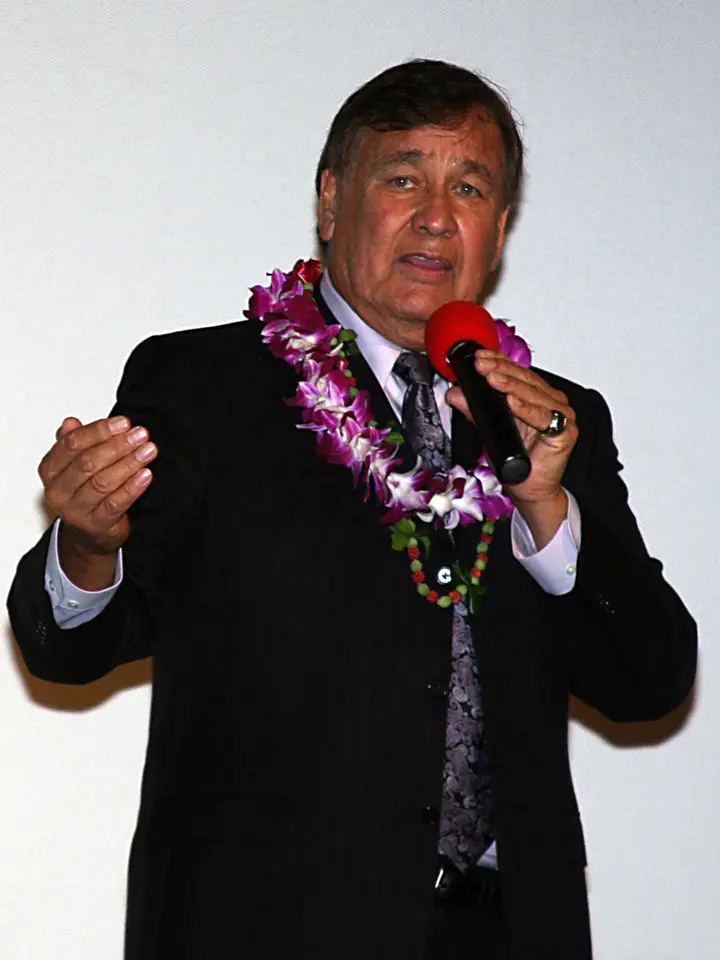
After his running career, Billy Mills spent his life helping others, especially Native American young people. In 1986, he helped start Running Strong for American Indian Youth. The group supports gardens, clean water, housing, and programs for young people on reservations. Billy travels across the country to speak about following your dreams, believing in yourself, and honoring your culture. In 2013, he received the Presidential Citizens Medal, one of the highest honors a U.S. citizen can receive.
Word Match
Drag each word to its definition, or tap a word and then tap its definition.