Argument Writing Workshop


Strong argument writing doesn't start with counterclaims and citations. It starts with a single opinion, one grade band at a time. This hub brings together six lessons that climb the same ladder from personal opinion to formal argumentation, using one running example throughout: volcanoes.
Argument Writing Workshop
3rd–8th+Grade Level
6Lessons Included
W.1CCSS Focus Strand
Interactive Lessons + PrintablesFormat
Argument Writing Workshop

What You'll Learn

Across this workshop, you'll be equipped to teach students to:

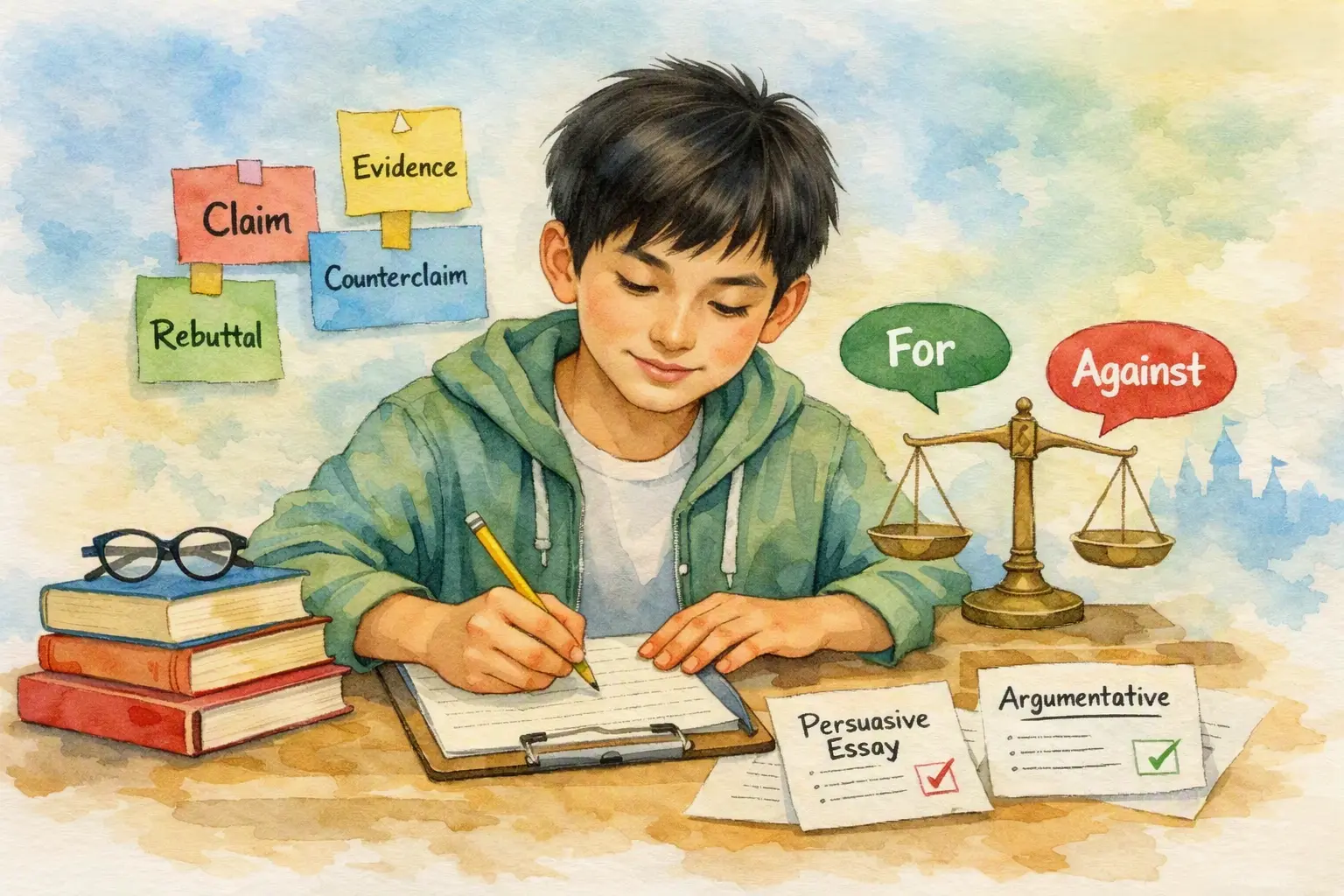
tell the difference between an opinion, a persuasive claim, and an argumentative thesis
turn a plain fact into a claim worth arguing
recognize bandwagon, loaded terms, name-calling, and testimonial in the wild
connect those techniques to the bigger appeals of Ethos, Pathos, and Logos
build evidence correctly with the Evidence Sandwich and answer a counterclaim without undermining their own thesis
revise their own drafts for sentence variety, tone, and logical gaps before turning them in

Every lesson below includes a built-in interactive activity — click through it right on the page, no printing or account required.

Start Here

Building the Foundation

Two lessons that establish the ladder every other lesson in this workshop climbs: what separates an opinion from a claim, and how a single fact becomes three different arguments depending on the grade band.

Opinion vs. Persuasive vs. Argumentative: Same Topic, Three Levels
Help students understand the difference between opinion, persuasive, and argumentative writing with clear definitions and grade‑band examples. This lesson shows how writing progresses from personal beliefs to evidence‑based claims using engaging volcano paragraphs.
Coming Soon
From Fact to Claim: A Volcano Mini-Lesson
Show students how informational facts transform into opinion statements, persuasive arguments, and argumentative claims. This volcano‑themed lesson models the process across grade bands, helping writers connect evidence to clear, purposeful claims.
Coming Soon
Next Up

The Persuasion Toolkit

Four techniques students can spot in any ad or commercial, and the three bigger rhetorical appeals — Ethos, Pathos, and Logos — those techniques are really built from.

Four Ways Advertisers Try to Win You Over
Teach students four foundational persuasive techniques used in ads, speeches, and media. This lesson includes kid‑friendly explanations, examples, and activities that help writers analyze persuasion and strengthen their own opinion writing.
Coming Soon
The Three Big Umbrellas: Ethos, Pathos, Logos
Show students how bandwagon, loaded terms, name‑calling, and testimonials connect to the three rhetorical appeals. This lesson builds deeper persuasive understanding by teaching emotional, credibility, and logical strategies through clear examples and practice.
Coming Soon
Wrap Up

Strengthen & Polish

The two skills that separate a rough draft from a finished argument: proving a claim with real evidence, and revising your own writing with a critical eye before it's done.

Evidence & Counterclaims: The Two Hardest Skills in Argument Writing
Help students master the two hardest argumentative skills: using evidence effectively and acknowledging the other side. This lesson teaches evidence sandwiches, counterclaims, rebuttals, and academic tone so writers build strong, well‑supported arguments.
Coming Soon
Revision & Polish: Spot-Checking Logic and Tone
Guide students through simple, visual strategies for revising opinion, persuasive, and argumentative writing. This lesson teaches sentence variety, clarity, tone, and polish so students learn to strengthen their drafts with confidence.
Go Further

Paid Resources

The full turn-key unit for this series — comprehensive rubrics, graphic organizers, and student workbooks that go beyond what's covered in this workshop.

Argument Writing Unit: Rubrics, Organizers & Student Workbooks
Featured Product

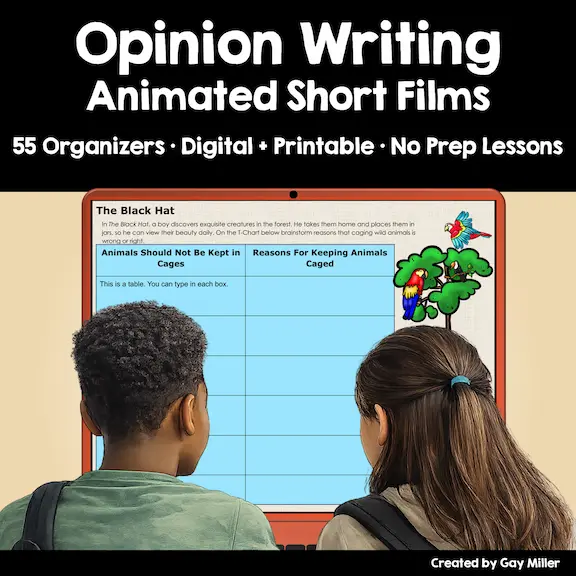
Teach Opinion, Persuasive, or Argumentative Writing with Animated Short Films

Stay Updated and Discover More

Sign up to get free resources and fresh teaching ideas delivered to your inbox.

Gay Miller