1960s America
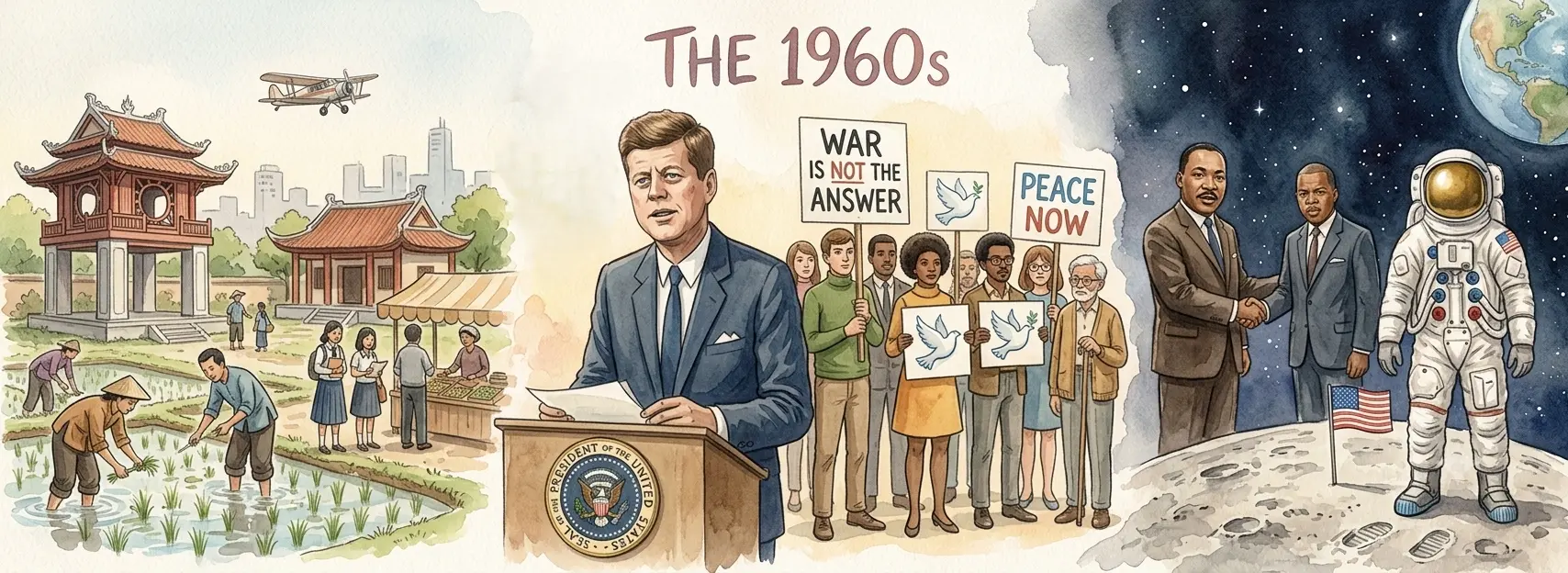
The 1960s was a decade of major change in the United States and around the world. From Cold War tensions to scientific breakthroughs, Americans experienced events that shaped politics, technology, and daily life.
The decade began with the Cold War at its height. The Cuban Missile Crisis brought the world closer to nuclear war than ever before, while the construction of the Berlin Wall divided families and symbolized the struggle between democracy and communism. At home, President John F. Kennedy inspired the nation for a brighter future.
The 1960s also marked extraordinary progress in science and technology. The Space Race pushed the United States to achieve what once seemed impossible. From the first American in space to the Apollo 11 moon landing, the decade ended with astronauts walking on the lunar surface, fulfilling Kennedy’s bold promise and opening a new chapter in human exploration.
1960s America Lessons
These lessons guide students through the major events, people, and ideas that shaped the United States during the 1960s. From Cold War tensions and presidential leadership to the Space Race and the Moon landing, this unit provides clear, engaging resources for grades 3–6.

The Cuban Missile Crisis
Learn how the discovery of Soviet missiles in Cuba brought the world to the brink of nuclear war and how President Kennedy worked to find a peaceful solution.
View Lesson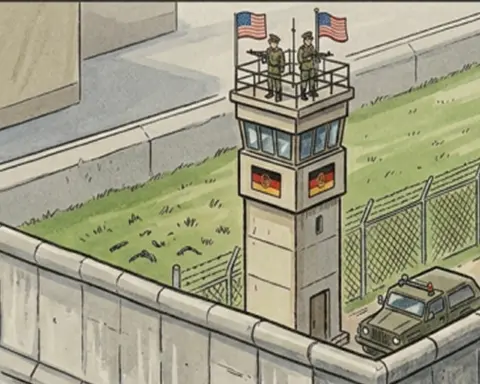
The Berlin Wall
Explore why the Berlin Wall was built, how it divided families and communities, and what life was like on both sides during the Cold War.
View Lesson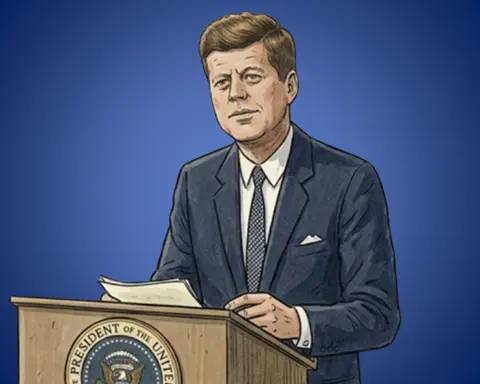
John F. Kennedy
Examine the life and leadership of President John F. Kennedy, including his early years, his presidency, and the challenges he faced at home and abroad.
View Lesson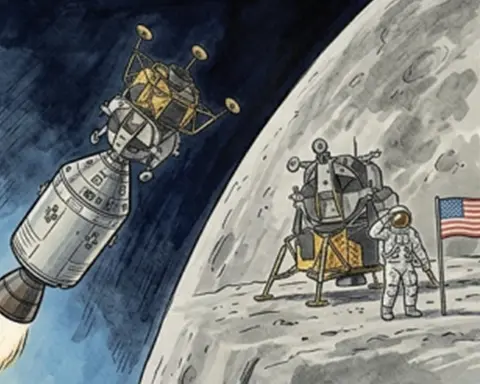
Race to the Moon
Discover how the United States competed in the Space Race, from the first American in space to the Apollo 11 Moon landing in 1969.
View LessonExplore Related Units
Continue learning about major events in American history with these two connected units. The Vietnam War unit is fully updated with new lessons and activities, while the Civil Rights unit links to the original resources until the redesigned version is complete.
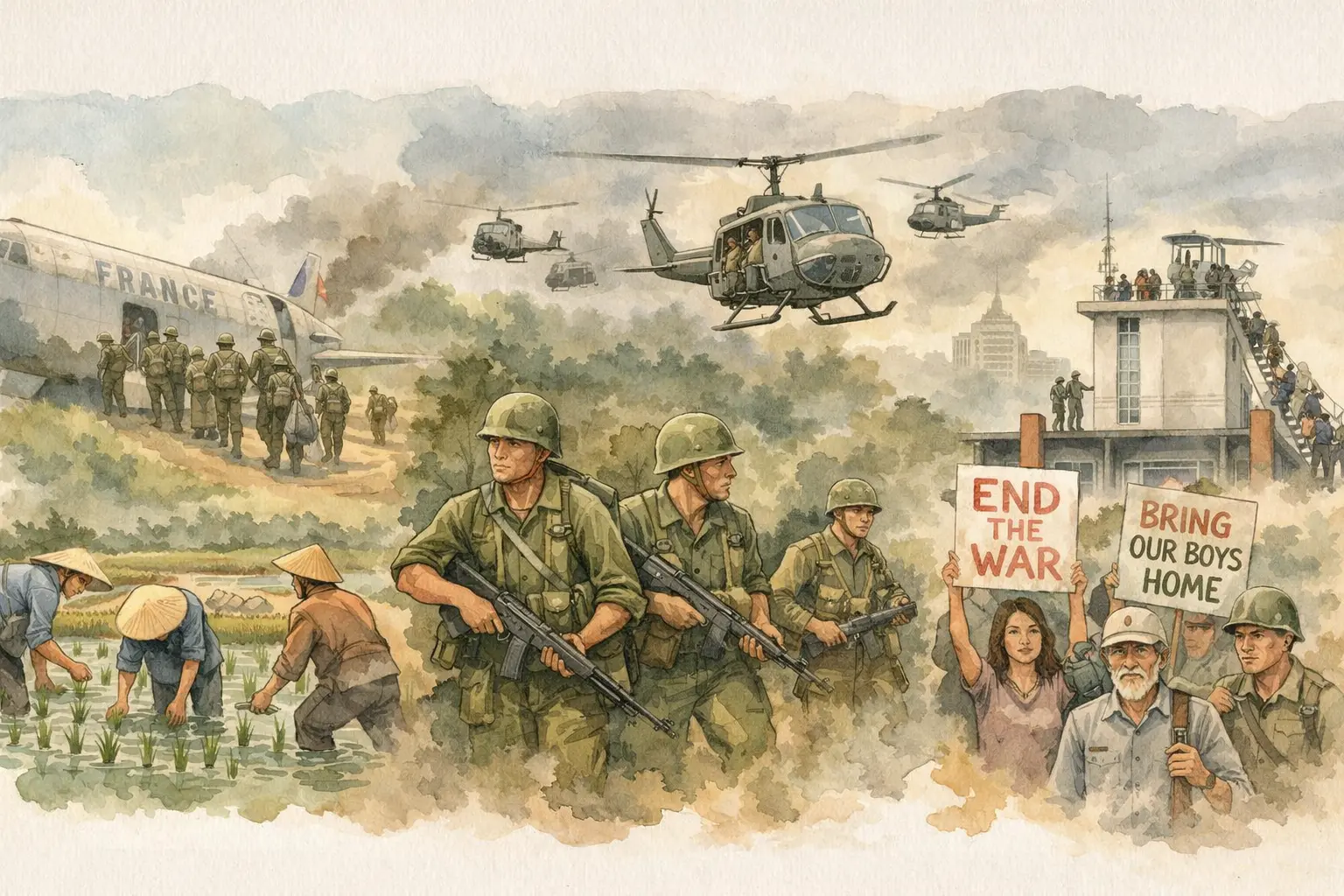
Vietnam War Unit
Explore the causes, major events, and lasting impact of the Vietnam War. This complete unit includes timelines, decision‑making activities, reading passages, and hands‑on learning.
View Unit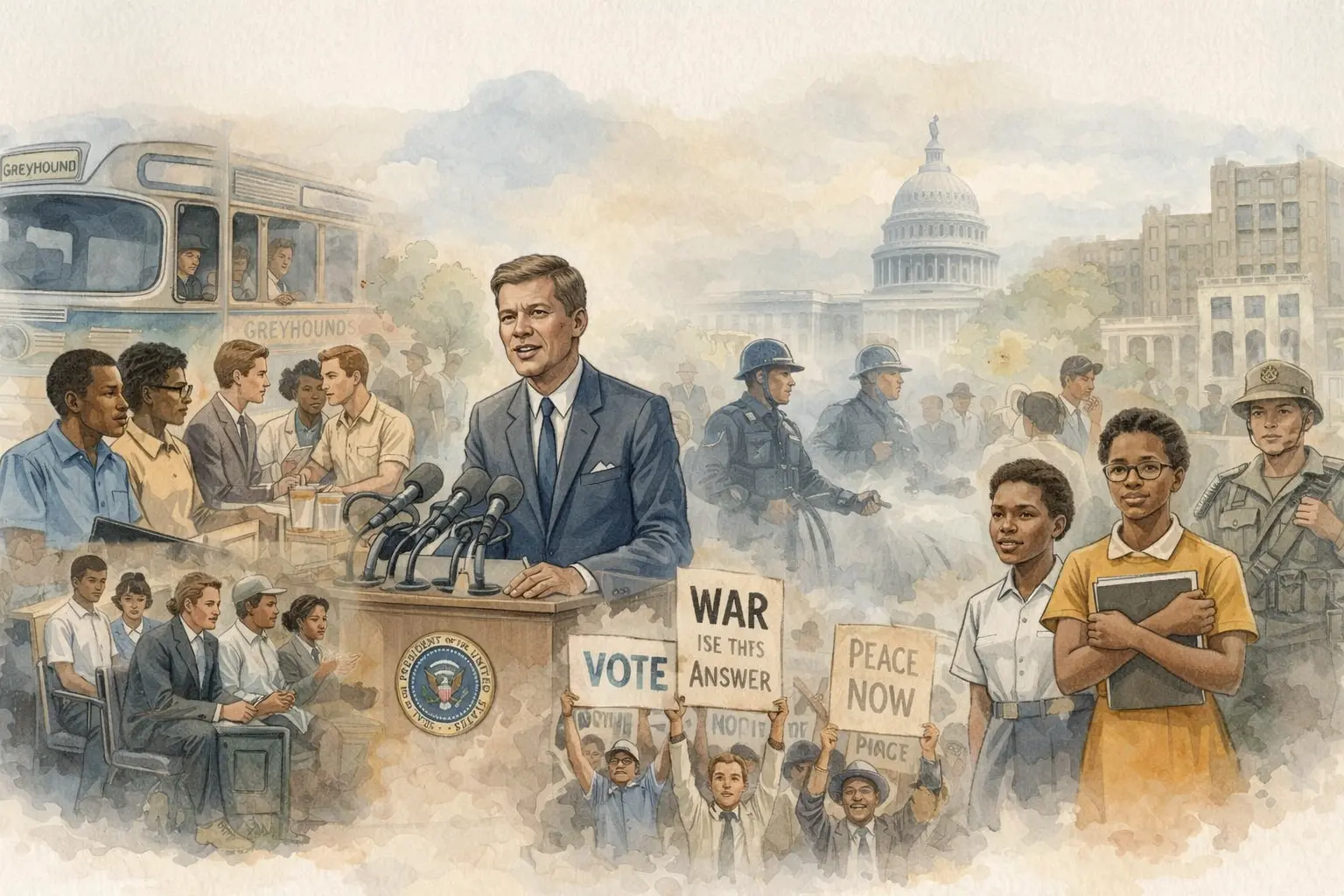
Civil Rights Movement
Learn about key leaders, events, and victories of the Civil Rights Movement. This link takes you to the original Civil Rights pages until the updated version is completed.
View UnitFun Facts About the Civil Rights Movement
The Greensboro Four Were Teenagers
The famous sit-in at Woolworth’s in 1960 was started by four college freshmen — just 17 and 18 years old. Their peaceful protest inspired sit-ins across the South.
Kids Led the Birmingham March
In 1963, thousands of students — some as young as 12 — marched for equal rights. Their bravery helped convince national leaders to support new civil rights laws.
Songs That Inspired Change
Music played a powerful role in the movement. Songs like “We Shall Overcome” were sung in churches, marches, and even in jail, giving people hope and strength.
A Teen Took a Stand Before Rosa Parks
In 1955, 15-year-old Claudette Colvin refused to give up her bus seat in Montgomery. Her courage helped lay the groundwork for the bus boycott that followed.
Explore the Full 1960s Unit
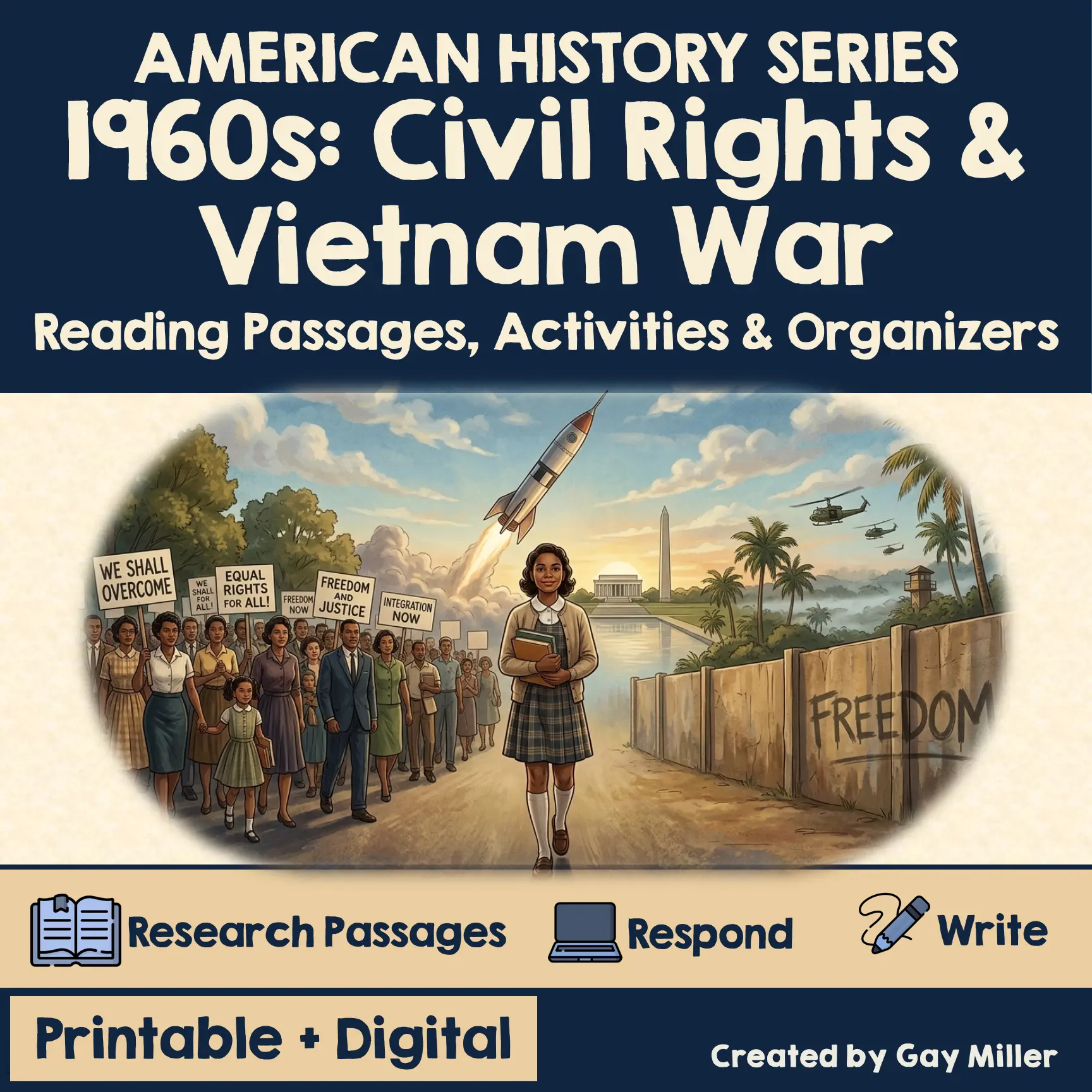
This complete history unit includes research passages, organizers, writing tasks, quizzes, activities, and website research — all in printable and digital formats. Everything you need to teach Vietnam War with confidence.
View the Full Unit on TPT