John F. Kennedy
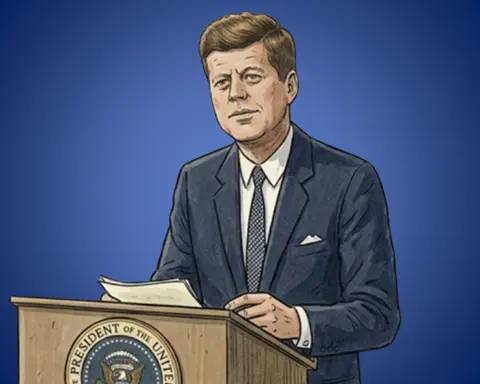
Fast Facts: John F. Kennedy
John F. Kennedy
- Born: May 29, 1917
- Education: Harvard University
- War Service: Commander of PT‑109
- Political Career: House (1946), Senate (1952)
- President: Elected in 1960
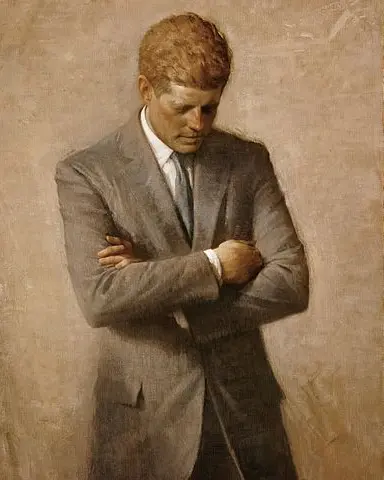
J.F.K. at a Glance
- Served as a naval officer and became a WWII hero.
- Guided the nation through the Cuban Missile Crisis.
- Supported the Civil Rights Movement.
- Promoted the U.S. space program and moon landing goal.
- Assassinated on November 22, 1963, in Dallas, Texas.
Early Life and Education
John F. Kennedy, often called J.F.K., was born in 1917 into a large, competitive family that valued learning and public service. He attended private schools and later studied at Harvard University. His father served as the U.S. ambassador to England, giving Kennedy early experience with world events and international politics.
A Hero in World War II
In 1941, Kennedy joined the U.S. Navy and became the commander of a patrol torpedo boat called PT‑109. When a Japanese ship struck and sank his boat, Kennedy helped his surviving crew reach a nearby island. His bravery in repeatedly swimming into dangerous waters to find help made him a national hero.
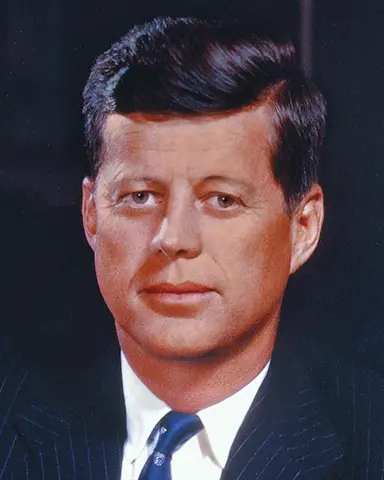
From Congress to the White House
After the war, Kennedy entered politics. He served in the House of Representatives and later in the U.S. Senate. In 1960, he won the presidential election, becoming the youngest elected president in American history.
Kennedy’s Presidency
As president, Kennedy faced major Cold War challenges. He dealt with the Bay of Pigs and helped prevent a nuclear war during the Cuban Missile Crisis. Kennedy also supported the Civil Rights Movement and encouraged the nation to invest in the space program, setting the goal of landing a man on the moon.
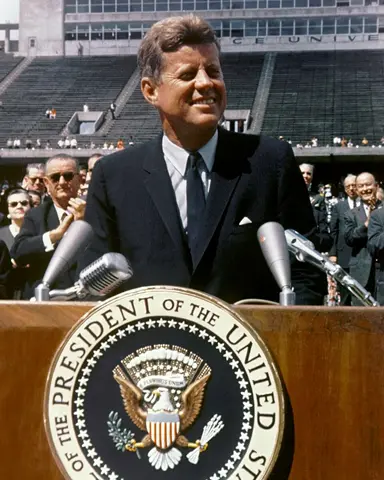
Assassination and Legacy
On November 22, 1963, Kennedy was shot while riding in an open car during a visit to Dallas, Texas. Lee Harvey Oswald was arrested for the shooting. Kennedy’s death shocked the nation, but he is remembered for his courage, leadership, and belief in public service.
A Leader Remembered
Kennedy’s life was cut short, but his influence continues. His speeches, his commitment to civil rights, and his vision for the space program left a lasting mark on the United States and the world.
Word Match
Drag the vocabulary words to their correct definitions!
Vocabulary Words
Definitions
Lesson 5 — Vietnamization, Withdrawal & Aftermath Quiz
Activities & Extensions
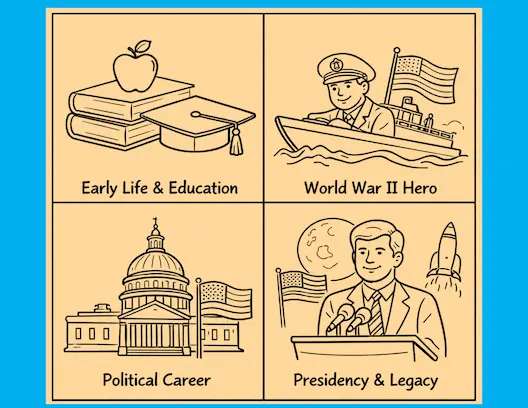
Students organize key facts about John F. Kennedy’s life into a simple four‑quadrant chart. This helps them see how his early life, war heroism, political career, and presidency connect to his legacy.
How to Do It: Students divide a notebook page into four boxes and title it “John F. Kennedy’s Life at a Glance.” They label the boxes: Early Life & Education, World War II Hero, Political Career, and Presidency & Legacy. In each box, they add two short facts from the article and a small sketch or symbol.
Optional Extension: At the bottom of the page, students write one sentence explaining why Kennedy is still remembered today.
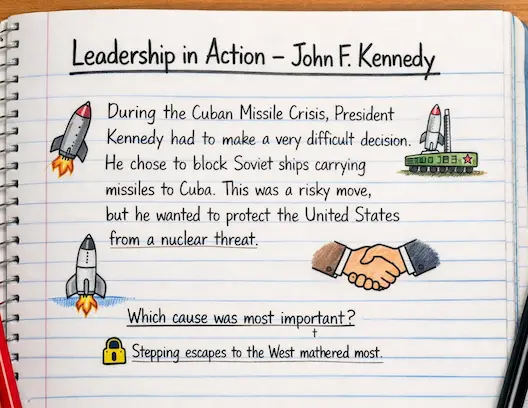
Students reflect on one of John F. Kennedy’s major leadership decisions to understand how presidents respond to difficult challenges. This activity encourages critical thinking about choices made during the Cold War and the Civil Rights era.
How to Do It: Students title a notebook page “Leadership in Action — John F. Kennedy.” They choose one event from the article, such as the Cuban Missile Crisis, the Civil Rights Movement, or the Space Program, and write a short paragraph explaining the challenge he faced, the decision he made, and why it mattered.
Optional Extension: Students add small sketches around their paragraph (a rocket, handshake, or missile icon) and then write one sentence explaining what quality of leadership Kennedy showed.
1960s America Navigation
Explore the Full 1960s America Unit

This complete history unit includes research passages, organizers, writing tasks, quizzes, activities, and website research — all in printable and digital formats. Everything you need to teach the 1960s America with confidence.
View the Full Unit on TPT