Elementary Science • Grades 4–6

The Scientific Method

Learn the six steps scientists use to answer questions about the world — using paper airplanes as our experiment from start to finish.

Scientists don't just make random guesses — they follow a series of steps to make sure their questions are answered fairly and their results can be trusted. This page walks through all six steps of the scientific method using one real experiment: testing whether the material an airplane is made from affects how far it flies.

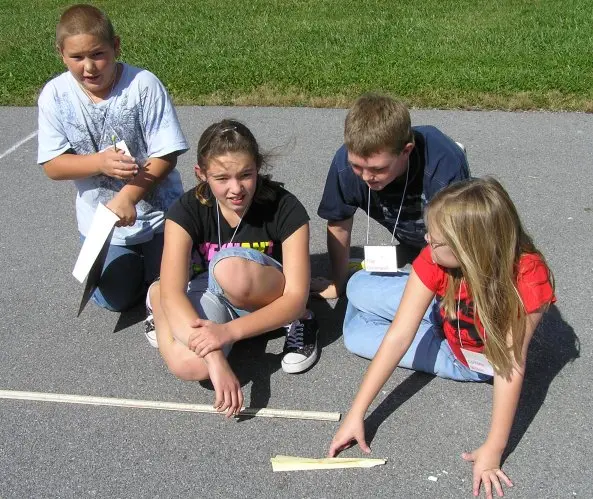
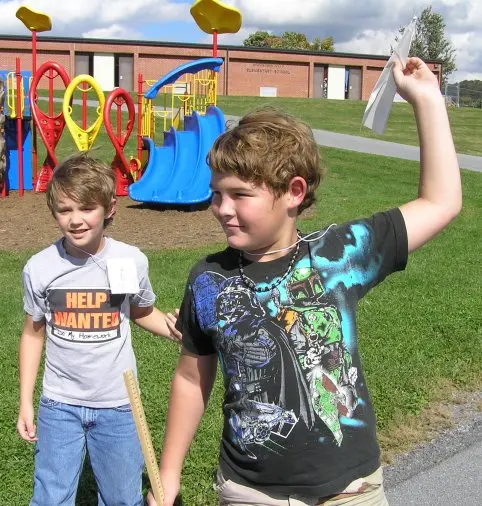
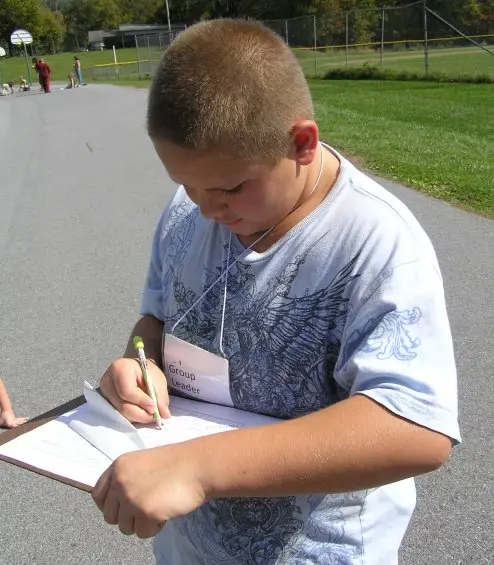
Students preparing paper airplane experiment
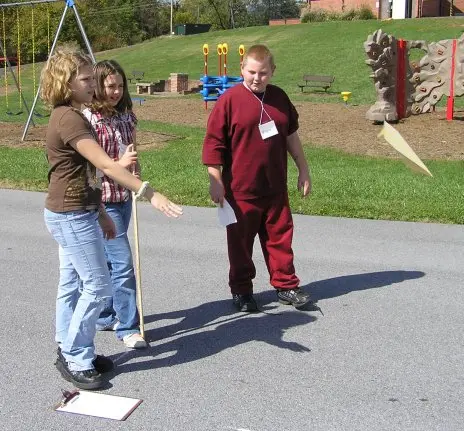
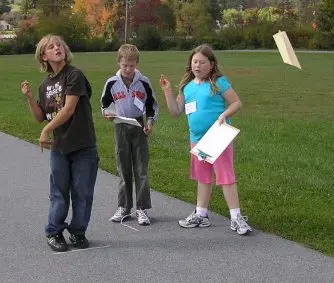
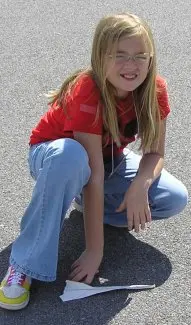
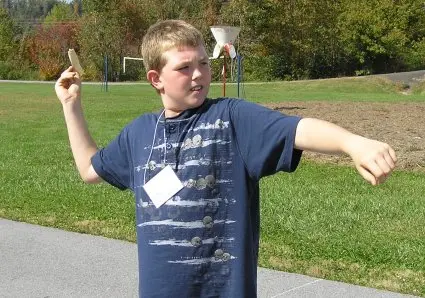
Students flying paper airplanes in the hallway
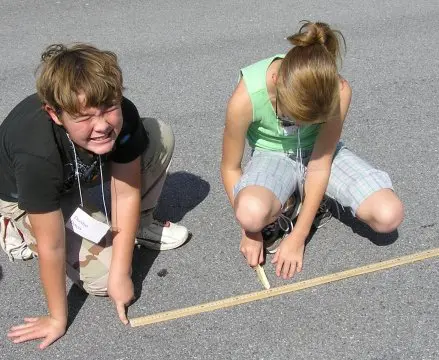
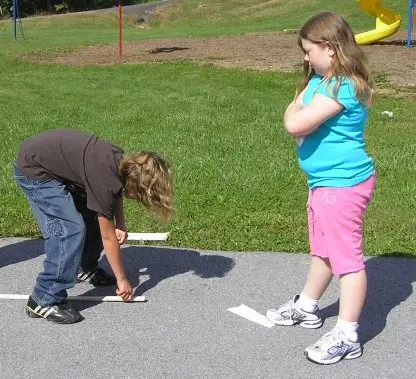
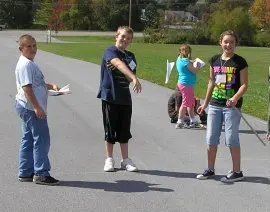
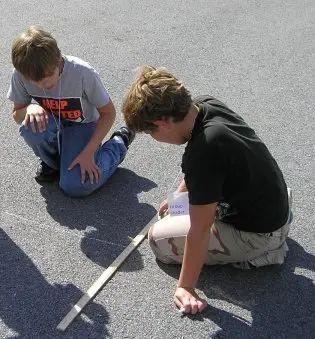
Students measuring airplane flight distance
1

Step 1

Question / Purpose

Every scientific investigation starts with a question about the natural world. Scientists observe something they're curious about and turn that curiosity into a clear, testable question. The question can't be something with a simple yes or no answer — it needs to point toward an experiment.

Good science questions come from everyday observations: Why do some things melt faster than others? Why does a car go faster on a flat road than on a hill? If you've ever wondered why something works the way it does, you're already thinking like a scientist.

  Paper Airplane Example

Question: Will the material an airplane is made of affect the distance the airplane travels?

Notice the tense of the verb — the question is written before the experiment happens, so we use future tense.
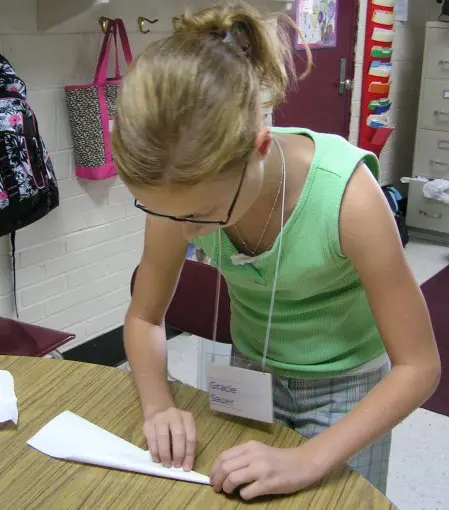
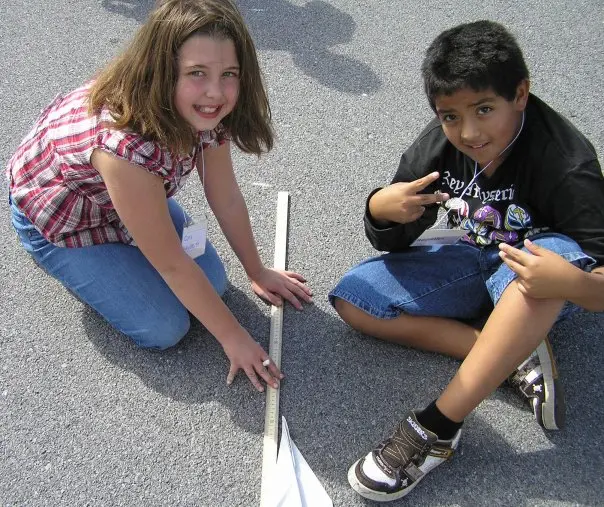
Students discussing their experiment question
2

Step 2

Hypothesis

Student writing a hypothesis

A hypothesis is your best educated guess about what the results of the experiment will be. It isn't a random guess — it's based on what you already know from school, books, experience, and observation.

A hypothesis must follow three rules:

  • Written as a statement (ends with a period, not a question mark)
  • Uses an If…then… format
  • Must be testable — you have to be able to prove or disprove it with an experiment

  Paper Airplane Example

Hypothesis: If my airplane is made out of a lighter material such as notebook paper, then it will fly a longer distance.

3

Step 3

Experiment & Variables

An experiment tests your hypothesis. The key rule: only change one thing at a time. Everything else stays the same. If you change two things at once, you won't know which one caused your results.

Every experiment has two types of variables:

Variable type What it means Paper airplane example
Independent variable What you change on purpose The material used to make the airplane (notebook paper, construction paper, printer paper)
Dependent variable What you measure — what happens as a result The distance the airplane travels
Control Everything kept the same — the standard for comparison Same plane design, same thrower, same throwing force, same location
Students folding paper airplanes
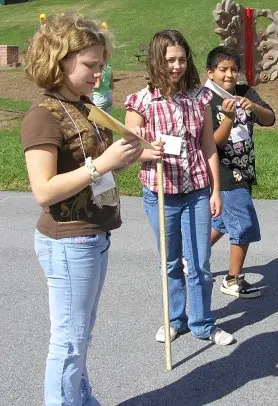
Students preparing to throw paper airplanes
Paper airplane in flight
4

Step 4

Collect & Analyze Data

While running your experiment, you record everything you observe. Data comes in two forms:

  • Qualitative data — descriptions in words.
    Example: "The lighter paper flew further; the heavy paper stayed low."
  • Quantitative data — measurements in numbers.
    Example: "Notebook paper flew 9 feet; construction paper flew 4 feet."

Organizing your data into a chart or graph makes it much easier to see patterns and compare results.

  Sample Data Table

Material Trial 1 Trial 2 Trial 3 Average
Notebook paper9 ft10 ft8 ft9 ft
Printer paper7 ft7 ft6 ft6.7 ft
Construction paper4 ft3 ft5 ft4 ft
Students measuring airplane flight distance
Student recording data
Students marking where airplane landed
5

Step 5

Results

After collecting all your data, step back and look at what it shows. Results are a summary of what your data actually says — not yet a judgment about whether your hypothesis was right, just an honest report of what happened.

Good results include both types of data. They're also specific — "the notebook paper flew the farthest" is a result; "the experiment went well" is not.

  Paper Airplane Example

Results: In all three trials, the notebook paper airplane traveled the greatest average distance (9 feet). The printer paper airplane averaged 6.7 feet, and the construction paper airplane averaged only 4 feet. The lighter the material, the farther the airplane flew.

Students reviewing results
Student presenting results
6

Step 6

Conclusion

Students writing conclusions

The conclusion is a statement that says whether your data proved or disproved your hypothesis. You compare your results to your original prediction and explain what you learned. Like the hypothesis, the conclusion is a statement — it ends with a period.

Pay attention to verb tense: the hypothesis is written before the experiment in future tense ("will fly"); the conclusion is written after in past tense ("did fly").

  Paper Airplane Example

Conclusion: The lighter material did fly the farthest distance. The data supported the hypothesis — notebook paper averaged 9 feet compared to 4 feet for construction paper.

Your Science Fair Experiment

A science fair project follows the same six steps — just applied to a question you choose yourself. Here's what each part of your project needs to include.

1. Purpose

What is your experiment about? State the question you're trying to answer.

💡

2. Hypothesis

A statement that must be proved or disproved. Use an If…then… format.

📋

3. Procedure

Step-by-step instructions detailed enough for someone else to repeat your exact experiment.

🧪

4. Materials List

List every material used. If they're small enough, bring them to display with your project board.

📊

5. Results

Your data in charts, graphs, pictures, or drawings. Show what actually happened.

✏️

6. Conclusion

A statement proving or disproving your hypothesis. Explain what you learned.

Thomas Edison tried 2,000 times to make a working light bulb. Nearly 1,900 of those times, his hypothesis was disproved. It is perfectly okay — even expected — for your hypothesis to be wrong. Every failed experiment teaches you something. That's not losing. That's science.

— A lesson worth remembering before your science fair project