The Homefront and Growing Protests
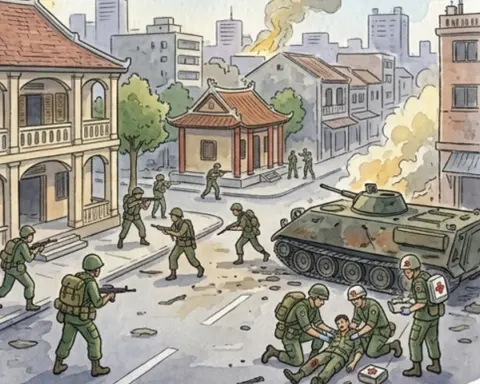
Fast Facts: Homefront & Protests
Homefront & Protests
- Key Issue: Growing opposition to the war
- Main Groups: Students, activists, veterans
- Major Concern: Rising casualties
- Media Impact: “Living-room war” on TV
- Political Change: Johnson chooses not to run
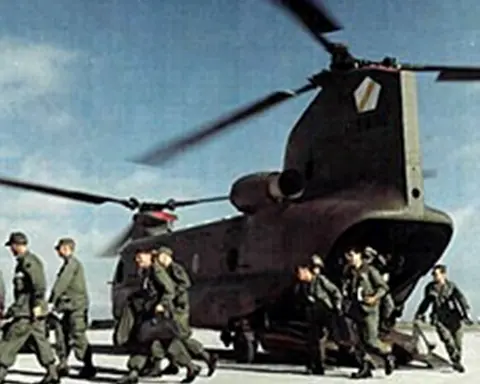
Homefront & Protests at a Glance
- Television brought images of the war directly into American homes.
- Many young people protested the draft and rising casualties.
- College campuses became major centers of anti-war activity.
- Some Americans supported the war effort and wanted to stop communism.
- President Johnson decided not to run again due to growing unrest.
A Changing War at Home
As the Vietnam War continued, Americans back home began paying closer attention to what was happening overseas. Television brought images of battles, wounded soldiers, and destroyed villages directly into people’s living rooms. For the first time, many families saw the realities of war every night on the news. This made the conflict feel personal and raised new questions about whether the United States should stay involved.
Rising Concerns
As the number of American casualties increased, more people began to worry about the cost of the war. Parents feared their sons would be drafted. Students wondered if they would be sent to fight. Some Americans still supported the war, believing it was important to stop the spread of communism. Others felt the war was unnecessary or unfair. These disagreements created tension across the country.
Student Protests
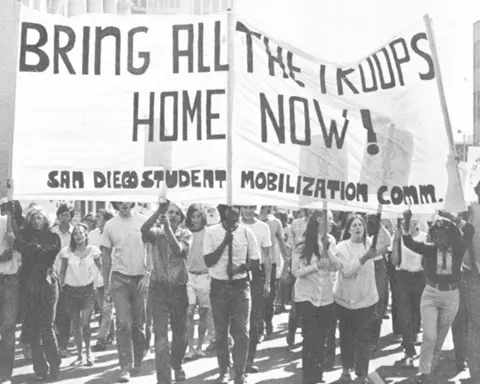
College campuses became major centers of anti-war activity. Students held marches, sit-ins, and teach-ins where they discussed the war and shared their concerns. Many young people protested the draft, arguing that it was unfair to send teenagers and young adults to fight in a conflict they did not support. These demonstrations were usually peaceful, but some led to clashes with police or counter-protesters.
The Draft and Public Opinion
The draft required young men to serve in the military if their number was called. This caused strong reactions across the country. Some people believed it was their duty to serve. Others felt the draft placed too much burden on poor and working-class families. These concerns added to the growing debate about whether the war was fair or necessary.
The “Living-Room War”
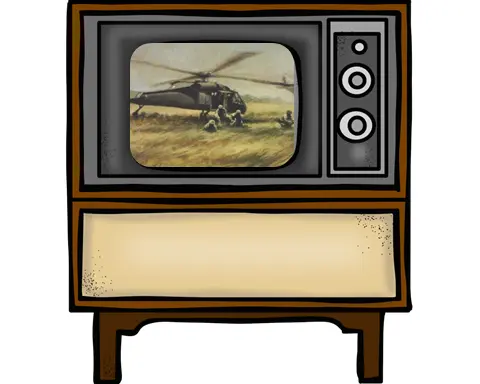
Because television news showed daily footage from Vietnam, the conflict became known as the “living-room war.” Reporters filmed battles, interviewed soldiers, and showed the hardships faced by civilians. These images made many Americans question whether the government was being honest about how the war was going. Public trust began to decline as the gap widened between official statements and what people saw on TV.
Political Pressure
By 1968, protests had spread across the country. Many Americans demanded that the government find a way to end the war. President Lyndon B. Johnson faced growing criticism from both supporters and opponents of the conflict. Feeling the pressure, he shocked the nation by announcing that he would not run for re-election. The United States was deeply divided, and the future of the war was uncertain.
Word Match
Drag the vocabulary words to their correct definitions!
Vocabulary Words
Definitions
Lesson 4 — The War at Home Quiz
Activities & Extensions
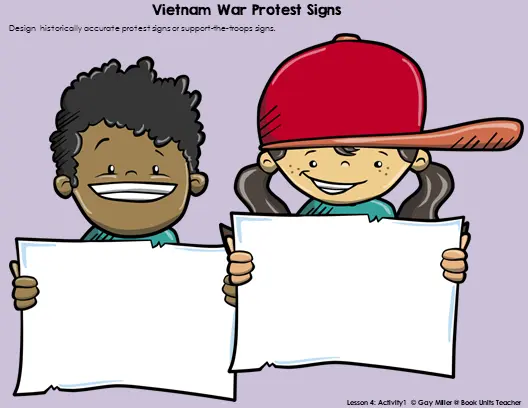
Students explore how Americans expressed their opinions about the Vietnam War by designing a historically accurate protest sign or support‑the‑troops sign. This helps students understand the range of emotions and viewpoints during the era.
How to Do It: Students choose one perspective based on the article: anti‑war protester or support‑the‑troops citizen. They design a sign using short, powerful phrases and simple imagery similar to what was seen in the 1960s and 1970s.
Materials:
- Paper or cardstock
- Markers or colored pencils
Optional Extension: Students write a short explanation of why someone during the Vietnam era might have created a sign like theirs.
Students explore how television changed the way Americans experienced the Vietnam War by analyzing a news reporter scene on a TV screen and imagining what families might have thought as they watched at home.
How to Do It: Display or provide the illustration of a television showing a news reporter in the foreground and a helicopter with soldiers in the background. Students study the image and then draw a simple TV screen in their notebooks. Inside the screen, they sketch or describe what Americans might have seen on the news and write 2–3 sentences about how this could affect people’s opinions about the war.
Materials:
- Notebook
- Pencil
Optional Extension: Students add a caption under their TV drawing titled “What Viewers Might Be Thinking” and write a short quote from an imaginary family watching the news at home.
Vietnam War Navigation
Explore the Full Vietnam War Unit

This complete history unit includes research passages, organizers, writing tasks, quizzes, activities, and website research — all in printable and digital formats. Everything you need to teach the Vietnam War with confidence.
View the Full Unit on TPT