The Apache

The Apache call themselves Indé or Ndé, "the People." There was never just one Apache tribe. Several Apache groups, each with its own leaders, lived across the mountains and deserts of the Southwest. They knew their land so well that they could find food, water, and shelter in places where others could not survive.
The Apache at a Glance
The Apache (Ndé)
- Region: Southwest
- Homeland: Arizona, New Mexico, west Texas, and northern Mexico
- Groups: Western Apache, Chiricahua, Mescalero, Jicarilla, Lipan, and Plains Apache
- Homes: Wickiups; the Jicarilla and Plains Apache also used tipis
- Food: Agave (mescal), piñon nuts, mesquite beans, acorns, deer
- Language: Apache (Athabaskan family, related to Navajo)
Key Facts
- Apache women built the family wickiup.
- The Mescalero are named for mescal, the agave plant they roasted.
- Many Apache groups did not eat fish or bear.
- Geronimo, a Chiricahua leader, surrendered in 1886.
- The Sunrise Ceremony celebrates a girl becoming a woman.
Tap or hover over the card to flip it. Students can copy this information into their lapbook organizers before reading.
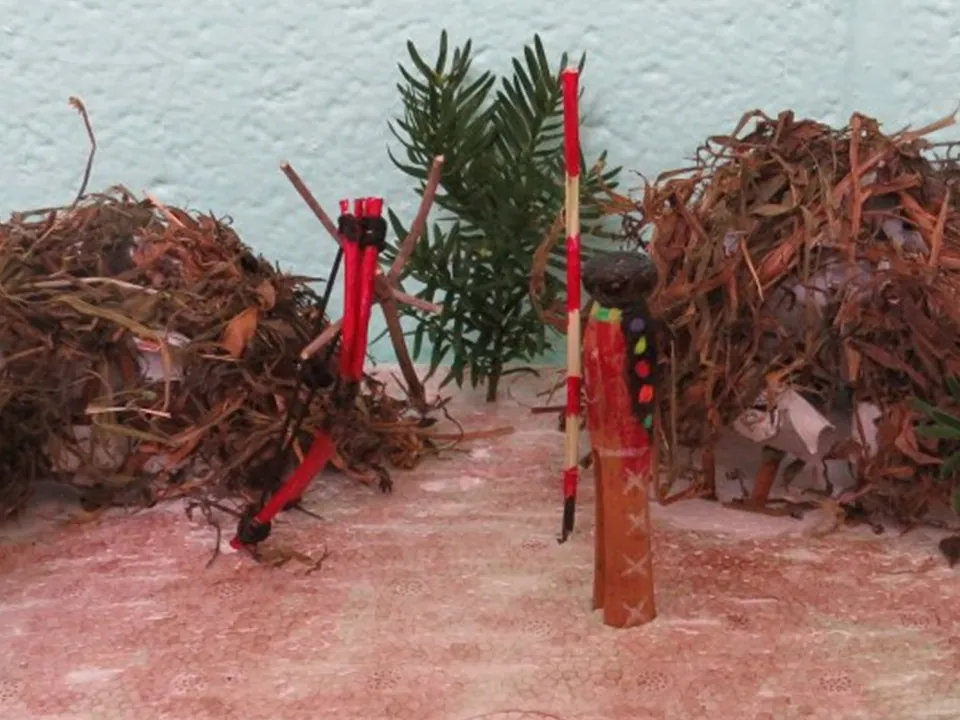
Look Closely: The flip card shows a student model of wickiups. Read the description of a wickiup in the Homes section. What materials did the student use? What would an Apache family have used instead? A wickiup could be built in a few hours. Why would a quick-to-build home be useful for a family that moved with the seasons?
Where the Apache Lived Map
Apache groups lived across a huge area: the mountains and deserts of Arizona and New Mexico, west Texas, and northern Mexico. Some, like the Jicarilla and Plains Apache, lived on the edge of the Great Plains. The land rose from hot, dry desert to cool forests of pine and oak in the mountains.
Families moved with the seasons. They spent summers in the cool mountains and winters in the warmer lowlands, going wherever plants were ripe and animals were plentiful. Like the Diné, the Apache speak an Athabaskan language, and their ancestors came to the Southwest from the north many centuries ago.

Homes Homes
Most Apache families lived in wickiups. Women built them. They set thin poles of willow or oak into the ground in a circle, bent them together, and tied the tops with yucca fiber. Then they covered the frame with bundles of grass, brush, or bark, and later with canvas. A wickiup was about seven or eight feet across, with a fire in the center and a smoke hole at the top. A woman could build one in a few hours.
The Jicarilla and Plains Apache, who hunted bison on the plains, also lived in hide-covered tipis.
Clothing Clothing
Apache clothing was made from deerskin, softened by soaking and rubbing the hides. Men wore breechcloths, shirts, and headbands. Women wore two-piece deerskin dresses decorated with fringe and, later, with tin cones that jingled when they walked.
Apache moccasins came up to the knee, with a turned-up toe that protected the feet from cactus and rocks. In the 1800s, Apache women began making long, full cotton camp dresses, which are still worn today.
Food Foods
Apache women were expert plant gatherers. Their most important food was agave, also called mescal. In spring, women cut the heart of the agave plant and roasted it in a pit lined with hot stones for a day or more until it was sweet. Some was eaten right away, and some was dried for later. They also gathered yucca fruit, mesquite beans, acorns, piñon nuts, sunflower seeds, and berries.
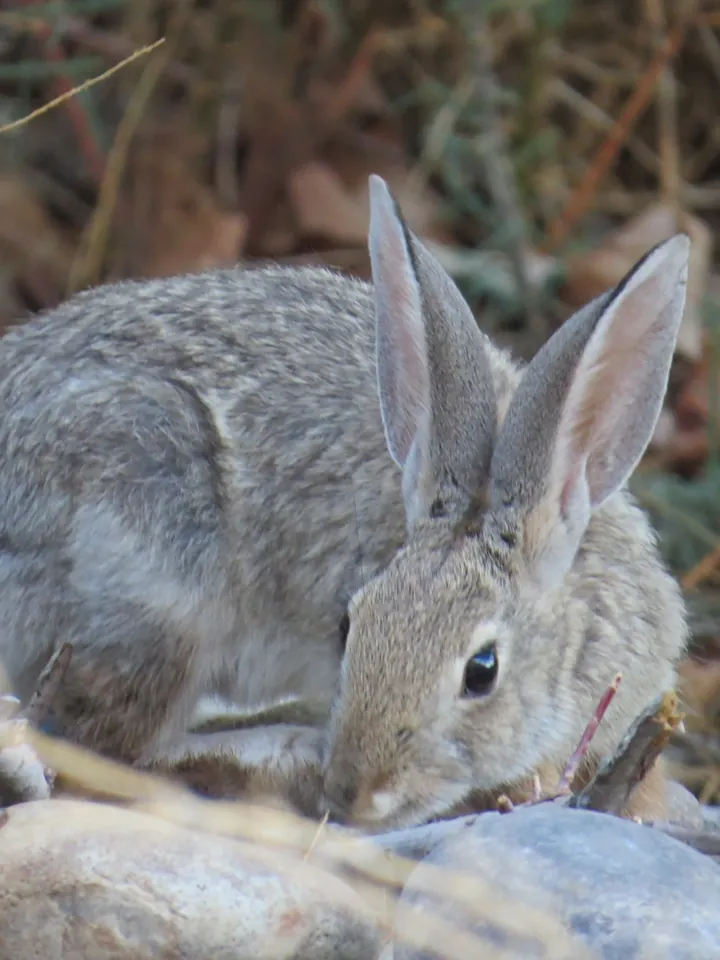
Western Apache families also farmed small fields of corn, beans, and squash. Men hunted deer, pronghorn, elk, rabbits, and sometimes bison. Many Apache groups did not eat fish or bear.
Customs and Beliefs Villages Book
Apache families lived in groups of related families. When a man married, he usually went to live near his wife's family.
The most important Apache ceremony is the Sunrise Ceremony, a four-day celebration held when a girl becomes a young woman. She honors White Painted Woman, and the whole community gathers to sing, dance, feast, and bless her. Sunrise Ceremonies are still held every summer.
Showing Respect: The Mountain Spirit dancers, who appear at some Apache ceremonies, are sacred. Apache nations ask visitors not to photograph or record them.
Conflict and Survival
For more than two hundred years, Apache groups fought Spanish, then Mexican, and then American soldiers and settlers who came onto their land. Leaders such as Cochise, Mangas Coloradas, Victorio, and Geronimo led the resistance.
In 1886, Geronimo and the last Chiricahua fighters surrendered. The U.S. government sent them, along with Chiricahua people who had never fought, to prison camps in Florida and Alabama, and then to Fort Sill, Oklahoma. They were held as prisoners of war for 27 years, until 1913.
Tools and Travel
Apache men made bows, arrows, lances, and knives. Women made digging sticks, grinding stones, cradleboards for babies, and water jugs: tightly woven baskets coated inside and out with piñon pitch so they would not leak. After the 1700s, horses made travel and hunting easier.
Art Art
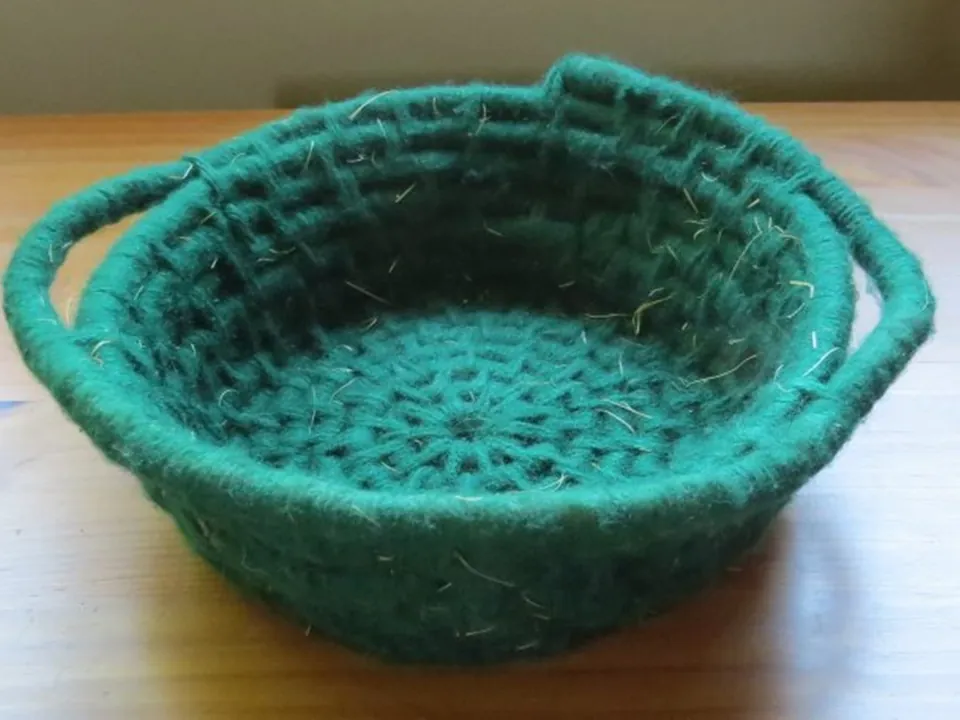
Apache women are famous basket weavers. They wove with willow, yucca, sumac, and devil's claw, using both coiling and twining. Western Apache weavers made large coiled storage jars and flat trays with designs of people, animals, and stars. Burden baskets, worn on the back to carry heavy loads, were decorated with long fringes and tin cones.
The Apache Today
Apache nations today include the White Mountain Apache Tribe, San Carlos Apache Tribe, Tonto Apache Tribe, and Yavapai-Apache Nation in Arizona; the Mescalero Apache Tribe and Jicarilla Apache Nation in New Mexico; and the Fort Sill Apache Tribe and Apache Tribe of Oklahoma. Apache languages are still spoken, and many tribes run language programs for children.
Activities
Living on the Land: Desert Survival
Make the choices an Apache family made through the seasons, then sort how the desert provided food, shelter, and tools.
For teachers: Seven seasonal decisions, a desert sort, and wickiup model directions. Skills: classifying, cause and effect. About 25 minutes.
Start the ActivityWord Match
Drag each word to its definition, or tap a word and then tap its definition.