Vietnam Before the War: The Road to Division
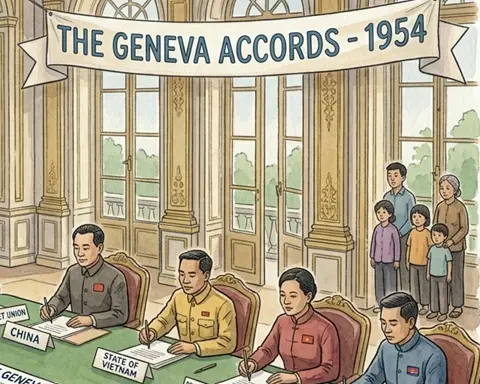
Fast Facts: Vietnam Before the War
Vietnam Before the War
- Region: French colony called Indochina
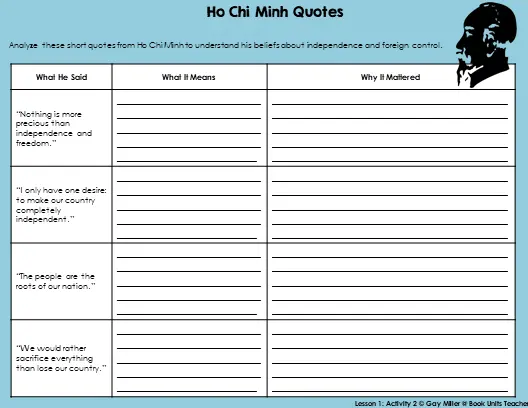
- Key Leader: Ho Chi Minh
- Main Conflict: Vietnamese fight for independence
- Turning Point: French defeat at Dien Bien Phu (1954)
- Outcome: Vietnam divided into North & South
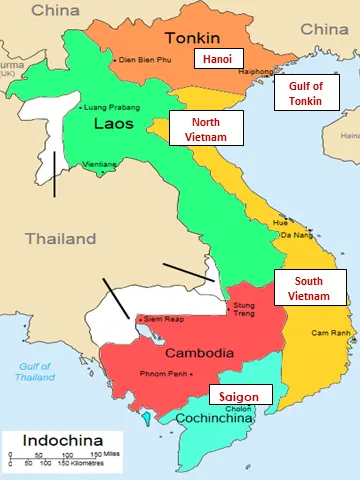
Vietnam Before the War at a Glance
- Vietnam was ruled by France as part of Indochina.
- Japan took control during World War II.
- Ho Chi Minh and the Viet Minh fought for independence.
- The French were defeated at Dien Bien Phu in 1954.
- The Geneva Accords temporarily divided Vietnam into North and South.
French Indochina
For many years, Vietnam was part of a French colony called Indochina. France controlled the land, the economy, and the people. Vietnamese farmers worked hard, but much of what they produced was taken by the French. Many people wanted independence and dreamed of ruling their own country.
World War II Changes Vietnam
During World War II, Japan took control of Vietnam. Life became even more difficult as food and supplies were taken to support the Japanese army. Vietnamese resistance groups grew stronger, hoping the end of the war would bring freedom.
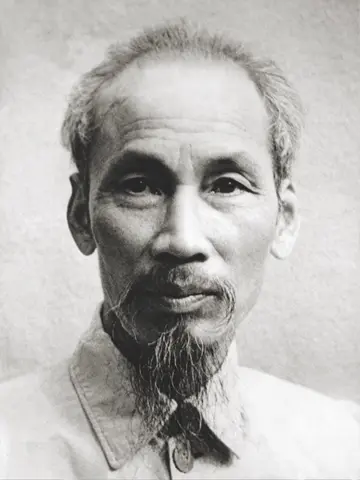
Ho Chi Minh and the Viet Minh
One of the strongest independence leaders was Ho Chi Minh. He helped form a group called the Viet Minh, which fought against both the Japanese and the French. The Viet Minh used guerrilla tactics—surprise attacks and quick movements—to weaken stronger armies. Their goal was simple: a free and independent Vietnam.
The First Indochina War
After World War II ended, France tried to take back control of Vietnam. The Viet Minh refused to accept foreign rule again. Fighting broke out, beginning the First Indochina War. The Viet Minh knew the land well and used the thick jungles to their advantage. The French struggled to stop them.
Dien Bien Phu
In 1954, the Viet Minh surrounded a large French base at a place called Dien Bien Phu. After weeks of fighting, the French were defeated. This major loss forced France to leave Vietnam and opened the door for a new plan for the country’s future.
The Geneva Accords
After the French defeat, world leaders met in Geneva, Switzerland, to decide what would happen next. They created the Geneva Accords, an agreement that temporarily divided Vietnam into two parts. North Vietnam became a communist nation led by Ho Chi Minh. South Vietnam was supported by the United States and other anti-communist countries. Elections were supposed to reunite the country, but they never took place. This division set the stage for the conflict that would soon follow.
Word Match
Drag the vocabulary words to their correct definitions!
Vocabulary Words
Definitions
Lesson 1 — Vietnam Before the War Quiz
Activities & Extensions
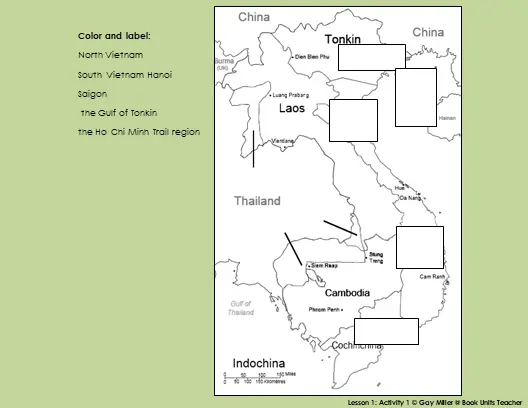
Students build understanding of Vietnam’s early history by arranging a simple four‑panel storyboard that illustrates key events from the article. This activity works with AI‑generated images, teacher‑selected images, or quick student sketches.
How to Do It: Display or provide four images (AI‑drawn or teacher‑chosen) showing these moments:
- Vietnam under French control
- Japan taking control during World War II
- Ho Chi Minh and the Viet Minh fighting for independence
- The French defeat at Dien Bien Phu
Students place the images in order and write a short caption for each one in their notebooks. Captions should answer: What happened? and Why did it matter?
Materials: Four images (AI‑generated or displayed on screen), notebook, pencil
Optional Extension: Students create a fifth panel titled The Geneva Accords summarizing how Vietnam was divided into North and South.
Students build a visual cause‑and‑effect chain to understand how Vietnam went from a French colony to a divided nation. This activity reinforces sequencing and historical reasoning without requiring a worksheet.
How to Do It: Students draw a simple chain of four boxes in their notebooks. In each box, they record one major cause from the article and the effect that followed.
- French control → growing desire for independence
- Japanese occupation → stronger resistance movements
- Viet Minh victories → weakening French control
- Dien Bien Phu defeat → Geneva Accords divide Vietnam
Students then add arrows or symbols to show how each event led to the next.
Materials: Notebook, pencil
Optional Extension: Students add a final box predicting how this division might lead to future conflict, using evidence from the article.
Vietnam War Navigation
Explore the Full Vietnam War Unit
This complete history unit includes research passages, organizers, writing tasks, quizzes, activities, and website research — all in printable and digital formats. Everything you need to teach the Vietnam War with confidence.
View the Full Unit on TPT