Dogs and Humans – A Special Relationship

🐕 Exploring 14,000 Years of Companionship, Loyalty, and Partnership


A nonfiction reading resource covering dog history, breed classifications, puppy development, vaccinations, and responsible pet ownership — with a free Google Slides activity handout.

Watercolor Dog

The History of Dogs

🐾 🐾 🐾
Dog Watercolor

Dogs and Humans: A 14,000-Year Bond

Dogs have been humanity's companions for over 14,000 years. Descended from the wolf family, early dogs roamed Europe, Asia, and North America. Evidence from cave drawings, pottery, and ancient carvings reveals their long-standing relationship with humans. These loyal animals have played diverse roles — from household pets to hunting partners and protectors — cementing their place as "man's best friend."

Classification of Dogs

From ancient Roman categories to today's AKC breed groups, dogs have always been sorted by what they do best.

The Roman Origins of Dog Categories

Classifying dogs into groups began with the Romans, who established six categories based on a dog's purpose: house dogs, shepherd dogs, sporting dogs, war dogs, dogs that hunted by scent, and dogs that hunted by sight. Today, the American Kennel Club recognizes 148 breeds divided into seven groups:

GroupExample BreedsOriginal Purpose
TerrierAiredale, Bull Terrier, Cairn Terrier, Fox Terrier, Jack RussellCatching prey such as foxes, badgers, and rabbits
WorkingBoxer, Collie, Alaskan Malamute, German Shepherd, St. BernardMuscular, even-tempered, and obedient service dogs
SportingPointers, Retrievers, Setters, SpanielsActive hunting dogs — hunt by air scent
Hound (scent)Beagles, Foxhounds, BloodhoundsTrack prey by following ground scent
Hound (sight)Whippets, Borzois, Salukis, GreyhoundsHunt primarily by sight at high speed
HerdingPembroke Welsh Corgi, Cardigan Welsh CorgiDrive livestock and keep farm animals together
ToyPekingese, Pomeranian, Pug, ChihuahuaCompanions and household pets
Non-SportingBoston Terrier, Bulldog, Chow Chow, Dalmatian, PoodleBred principally as pets and companions

Gallery of Breeds

Dogs: From Tiny to Towering!

🐾 🐾 🐾

Differences in Breeds

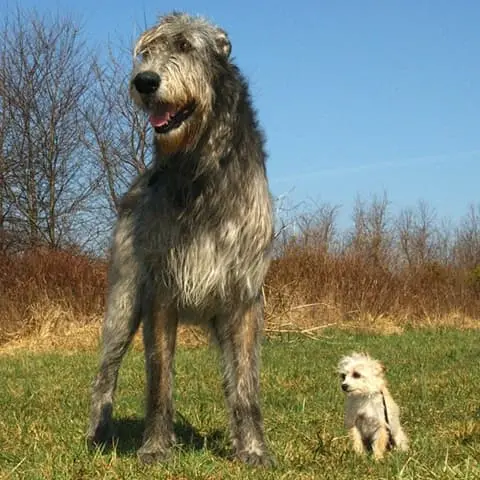
Dogs vary enormously from breed to breed. The smallest breed, the Chihuahua, weighs only 4 pounds and stands 5 inches at the shoulder. The tallest, the Irish Wolfhound, reaches about 39 inches. The heaviest, the St. Bernard, can weigh up to 200 pounds. Fur ranges from two-foot-long Yorkshire terrier hair to no hair at all on the Mexican Hairless — and textures run from curly to straight to wiry. Even the Chow Chow's black tongue sets it apart!

Size comparison of dogs

Build and Life Cycle

Despite their vast differences in appearance, all dogs share the same anatomy — 321 bones and 42 permanent teeth. Dogs possess an extraordinary sense of smell, far superior to humans, and can detect high-pitched sounds beyond human hearing. Dogs typically reach adulthood by six months old, with smaller breeds maturing faster than larger ones. Their lifespan averages 10–13 years, though small breeds often live longer than giant breeds.

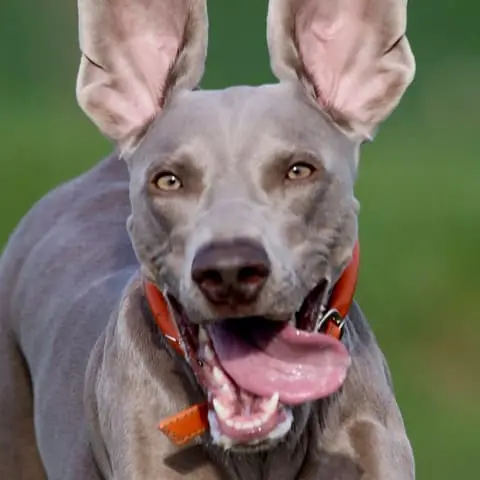
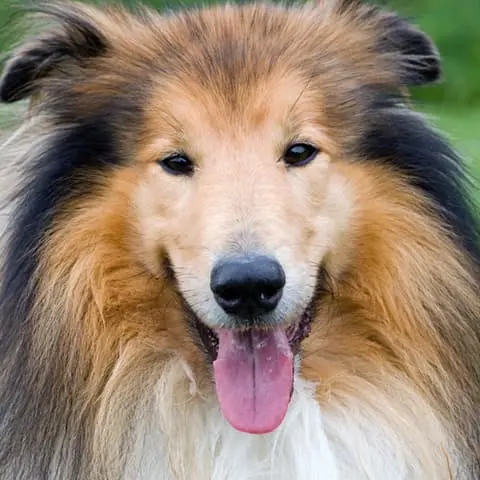
Dog breed variety

Puppy Care and Vaccinations

Everything new pet owners need to know — and an excellent reading comprehension activity for students researching responsible pet care.

The Early Life of Puppies

Puppies are born helpless — blind and unable to stand. In their first few weeks, they sleep 90% of the day, spending the remaining time nursing. Their eyes open between 13 and 15 days after birth. Between 4 and 10 weeks, puppies form strong bonds with their mother and siblings. Puppies should not be separated from their mothers until at least 8 weeks old.

Puppy Vaccinations

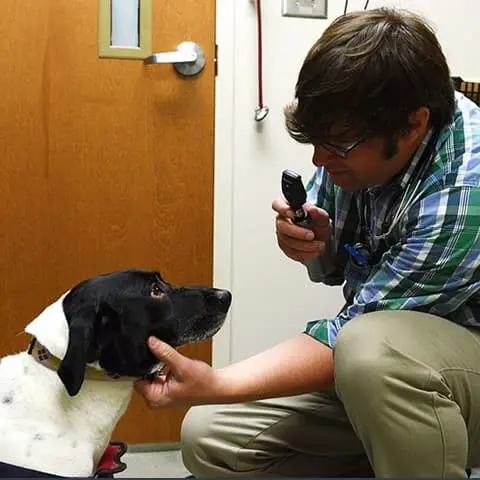
New puppies should visit a veterinarian for a physical examination and immunizations. Click each vaccination below to learn more.

Result: Viral disease that damages multiple body systems.
How it spreads: Direct contact with an infected dog's saliva, blood, or urine.
Impact on humans: Measles immunization protects humans from related viruses.
Result: Bacterial disease that damages the liver and kidneys.
How it spreads: Contact with infected soil, water, food, bedding, or through animal bites.
Impact on humans: Avoid swimming in water that may be contaminated with animal urine.
Result: Attacks the intestinal tract, causing severe vomiting and diarrhea.
How it spreads: Between dogs through direct or indirect contact.
Impact on humans: Does not cross between species — humans are not at risk.
Result: Attacks the nervous system; almost always fatal if untreated.
How it spreads: Primarily through bites from infected animals.
Impact on humans: Can be transmitted through bites; vaccination after exposure is effective if given promptly.
Result: Parasites damage heart tissue and can be fatal in dogs.
How it spreads: Can only be transmitted by mosquitoes — not from dog to dog.
Impact on humans: Cannot be passed to humans; preventive medication is available for dogs.

Gallery

Caring for Dogs

🐾 🐾 🐾

Puppy Care

When a puppy reaches six months old, non-breeding dogs should be spayed or neutered. Puppies need a proper diet, fed three times a day, with fresh water always available. As they grow, the number of feedings can reduce to twice daily.

Shelter and Health

A dog's normal body temperature is 101.5°F. When dogs overheat, they pant to cool down. All dogs need proper shelter, exercise, and a clean sleeping area. Outdoor dogs require a warm, dry house with bedding such as cedar shavings or blankets, plus protection from extreme weather.

Dog at the vet

Free Informational Text Handout

Expand learning with a full informational text activity! This Google Slides handout includes a Venn diagram, a comparison chart, and comprehension questions tied to the content on this page.

Get the Handout

Stay Updated and Discover More

Sign up to get free resources and fresh teaching ideas delivered to your inbox.