Ancient Egypt Funerals
As soon as someone died the body of the deceased was transported by boat to the "city of the dead" to be mummified. During the time of mummification the family went into a period of deep mourning. The men didn't shave. The women wore torn clothes. The family ate little during this period of usually 70 days.
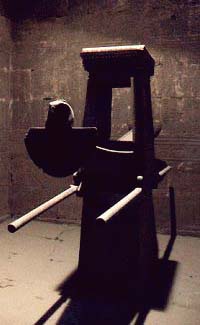
Replica of a Shrine Boat at Dender
Funerals were carefully planned. The procession started out from the house of the dead person. A coffin was carried on a wooden sled pulled by oxen. The coffin was taken across the river by boat to the place of mummification. The mummy was placed in the coffin there.
The royal family headed the procession. Priest read from religious works. Incense was burned. Servants carried many articles including furniture, cosmetics, and other personal belongings. Next a group of many professional mourners followed. The mourners cried loudly, tore their garments, and covered their heads with dust to show their grief.
The mummy chamber was filled with the personal items. Miniature figures of servants called shabtis were placed in the chamber. These were intended to act as stand-ins if the gods were to ask the mummy to perform duties. Tombs had between only one shabtis to over 700 found in the tomb of King Seti I.
After entering the tomb the queen said goodbye. The "opening of the mouth" was performed. This ritual was performed by a priest wearing a mask. The mask represented the jackal-headed god Anubis. This ritual was to open the body's senses to allow its departed soul to return. A ritual adz was put on the mummy's nose, eyes, ears, and mouth to revive the dead person's spirit. Next a meal was served. The mummy was believed to have the magical power to eat the food that would be left in the tomb. The meal might include roast ox, sheep, or goat, ducks, and geese. The funeral guests drank wine and the juices of dates and poegranates. Once the meal was over the tomb was then closed. The mourners returned home.
The members of the family brought food and drink as an offering temple regularly to assure themselves the Ka would continue to be fed.
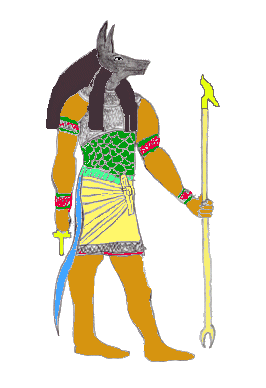
Anubis - The god who prepares the bodies of the dead to be received by Osiris.
The Book of the Dead
In late times the pharaoh was buried with maps of the underworld, charms, and spells. These were written on the walls of the tomb or on decorated papyrus scrolls. These have become known as Pyramid Texts, Coffin Texts, or if written on papyrus as The Books of the Dead. The Egyptians believed these writings had the power to lead the dead safely past demons and monsters into the presence of the gods.
Judgment
Egyptians believed that after you died, Osiris and Maat would meet you to weigh your heart. The heart was placed on one side of a scale and Maat's Feather of Truth on the other side. Forty-two gods or goddesses would interview the heart. They questioned it about crimes it may have committed. If the heart was light with no hate, the person would gain eternal life. If the heart was heavy, the goddess Ammut would eat it.
Click the images to go to the individual pages.