Tag: figurative language
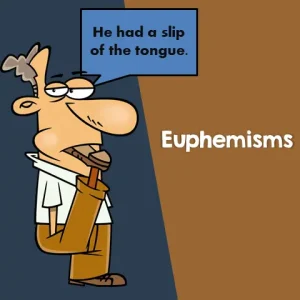
What do Popeye, Casper the Friendly Ghost, and Superman have in common? Besides being Saturday morning legends, they’re all experts at saying it nicely—a.k.a. using euphemisms. Whether it’s Popeye teasing his pals, Casper trying to make friends, or Superman politely saving the day (again), these classic characters show us that sometimes a softer phrase packs …
Continue reading
Permanent link to this article: https://bookunitsteacher.com/wp/?p=29931
Let’s talk sound devices. You know—the pop, buzz, and bam that make language come alive. If you’re like me, you’ve probably tried to explain onomatopoeia or alliteration while students stare blankly… until someone blurts out, “Wait—isn’t that like in Batman when it says KAPOW?” Exactly. I decided to go for it and put together some …
Continue reading
Permanent link to this article: https://bookunitsteacher.com/wp/?p=944
Teaching students to understand proverbs and adages improves reading comprehension. These sayings have meanings beyond what can be understood in their individual words. What Are These Sayings Anyway? Adages and proverbs are both forms of traditional sayings that offer wisdom or advice based on common sense or experience. While they are similar, there are subtle …
Continue reading
Permanent link to this article: https://bookunitsteacher.com/wp/?p=6329

Understanding humor devices enhances students’ writing skills, strengthens comprehension, and even helps them navigate social situations more effectively. Definitions This lesson focuses on three humor devices: Understatement – Presenting something with restraint or modesty to create a subtle or ironic effect. Hyperbole – An obvious and deliberate exaggeration meant for effect, not to be …
Continue reading
Permanent link to this article: https://bookunitsteacher.com/wp/?p=3099
This figurative language lesson on understatements includes a free organizer and digital resources. It’s perfect for 4th, 5th, and 6th graders—curious minds ready to explore language in a new light. And guess what? We’re keeping it engaging and relatable with examples that’ll lighten their eyes! So, let’s get started on this figurative language adventure. Definition …
Continue reading
Permanent link to this article: https://bookunitsteacher.com/wp/?p=8437
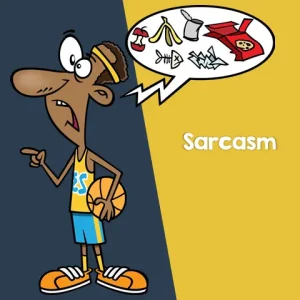
This figurative language lesson on sarcasm includes a free organizer and digital resources. It’s perfect for 4th, 5th, and 6th graders. The lesson introduces the definition with kid-friendly examples, plus activities that build vocabulary and comprehension. Definitions of Irony and Sarcasm Irony is the difference or contrast between expectations and reality in a circumstance. Irony …
Continue reading
Permanent link to this article: https://bookunitsteacher.com/wp/?p=8434
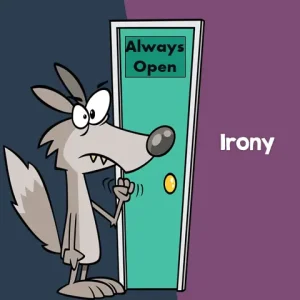
Have you ever explained irony to your students only to be met with blank stares or worse, the dreaded “Oh, like in that song Ironic”? Teaching irony can be tricky because it’s all about the gap between what’s expected and what really happens. But once students get it, they love finding examples in stories, movies, …
Continue reading
Permanent link to this article: https://bookunitsteacher.com/wp/?p=8431

