Jump to Section
Why Index Cards Work for Vocabulary
- Active engagement — every student responds to every prompt
- Context‑based learning — students use clues from the text to build meaning
- Differentiation — definitions, word webs, illustrations, or sentences
- Daily reinforcement — cards become reusable warm‑ups, centers, and review
- Flexible use — works with novels, informational texts, and content‑area vocabulary
⭐ Mini‑Lesson: How the Index‑Card Routine Works
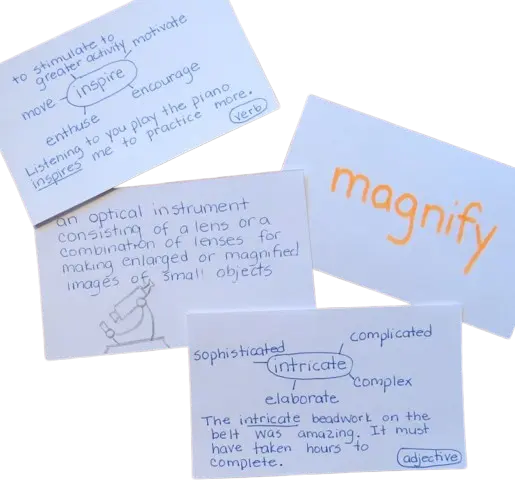
- front: the vocabulary word
- back: meaning, synonyms, part of speech, sentence, and illustration
“The more ways you interact with a word — seeing it, hearing it, using it, drawing it — the more likely you are to remember it.”
📺 Video: Watch the Index‑Card Routine in Action
If you prefer to see the routine instead of just reading about it, this short video walks through the exact steps I use in my classroom. Even though I filmed it years ago, the routine is timeless.
In the video, you’ll see:
- how students create response cards
- how to build word webs using context clues
- how to handle multiple‑meaning words
- how to incorporate daily oral practice
- how “show me” activities keep every student engaged
It’s a helpful visual companion to the mini‑lesson above.
👉 Watch the video below.
Step‑by‑Step Teaching Sequence
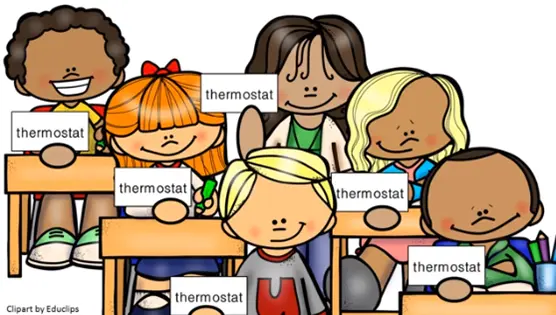
1. Response Cards for Daily Practice
- You call out definitions, synonyms, antonyms, or fill‑in‑the‑blank sentences.
- Students hold up the correct card.
- You instantly see who needs more support.
2. Word Webs or Definitions
- Definitions for words like encyclopedia.
- Word webs for words like inspire.
- Use the sentence from the text to anchor meaning.
- Students suggest synonyms or definitions, and you record the best ones on the board.
3. Part of Speech
4. Sentence Practice
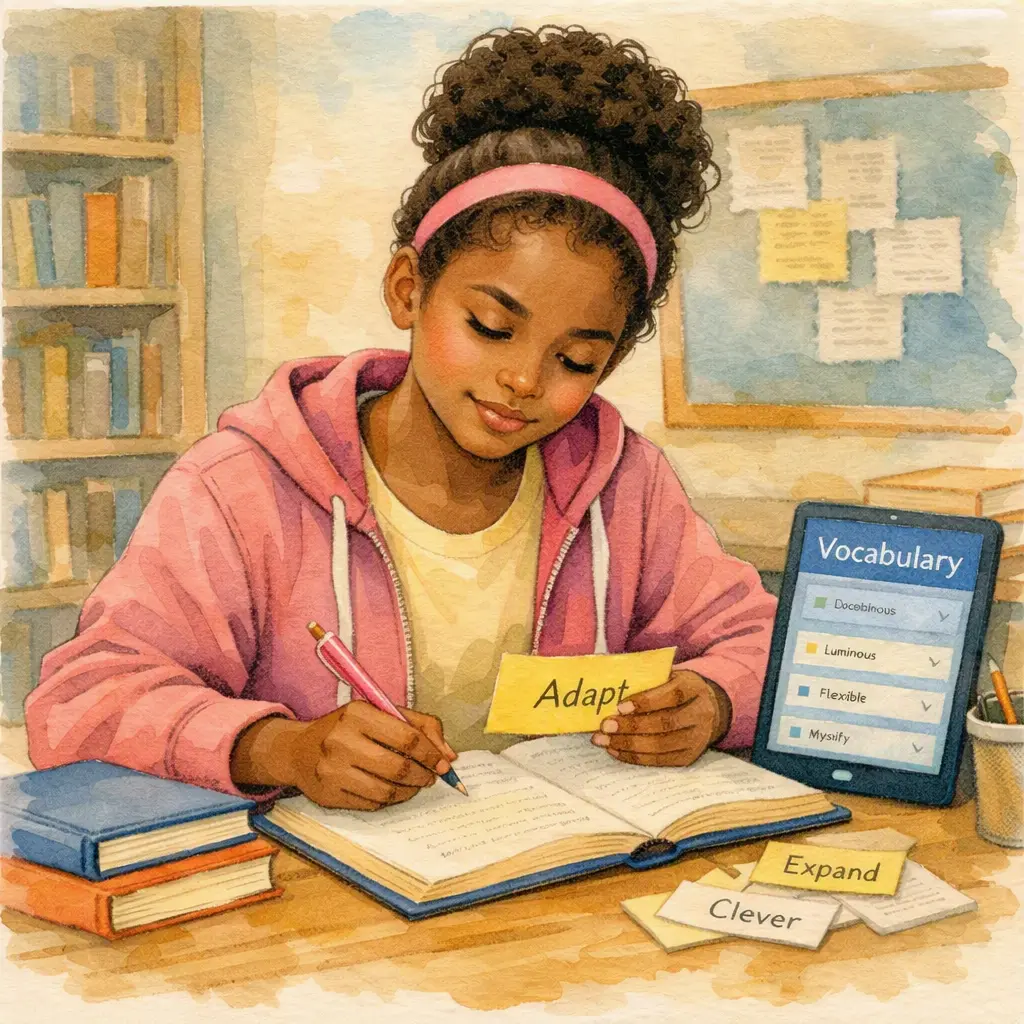
5. Quick Illustrations
- Microscope
- Erupt
- Orbit
Vocabulary Activities on Book Units Teacher
Activity #1 – Shades of Meaning
Visit
Shades of Meaning: Anchor Charts, Activities & Resources
Understanding shades of meaning helps students grasp the subtle differences between similar words, enhancing vocabulary and comprehension. These activities help students express themselves more precisely and understand texts more deeply.
Be sure to download the Color Word Wall.
Activity #2 – Homonyms
Visit
Homonyms: Homophones, Homographs & Confusing Words
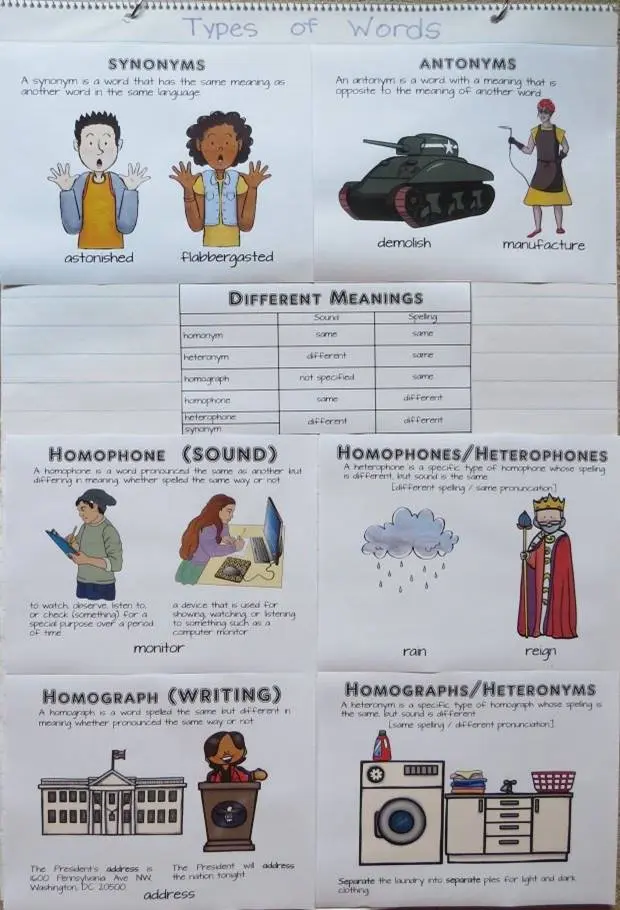
Boy, oh boy — how confusing these definitions can be for students. The key is starting with a visual that shows how the terms relate to each other, then building from there with real examples and practice.
Look for the Homonym Foldable Organizer and To, Too, Two Flowchart Organizers.
Activity #3 – Synonyms and Antonyms
Visit
Synonyms & Antonyms: Anchor Charts, Activities & Resources
Did you know “synonym” has no synonym in English? These activities use anchor charts, novel connections, analogies, and digital tools to make synonyms and antonyms stick with upper elementary students.
Check out the Charlotte’s Web Synonym Activity and download the mini anchor charts pictured here. Use these as student reference pages or glue them onto a flipchart page to create an instant anchor chart.
Activity #4 – Prefixes and Suffixes
Visit
Activities for Teaching Prefixes and Suffixes
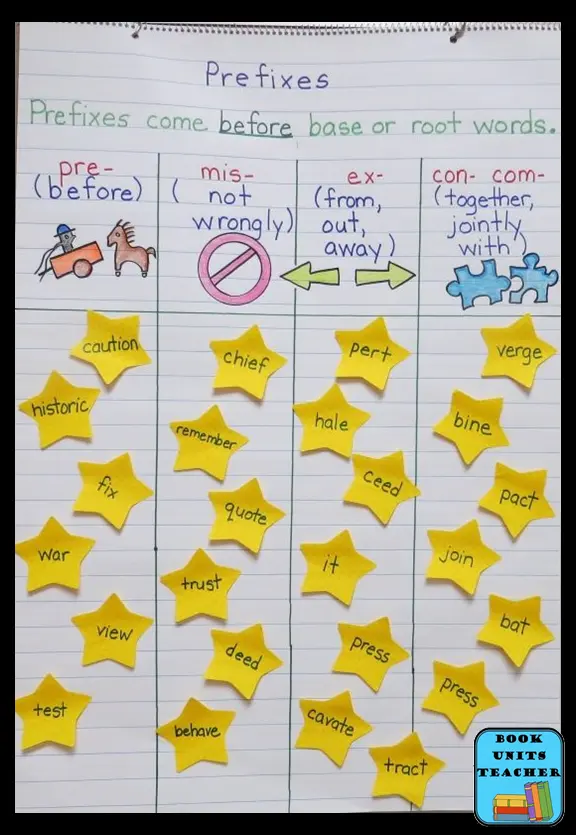
Understanding prefixes, suffixes, and root words is one of the most powerful tools children can have for reading comprehension and vocabulary building. These resources make learning word parts fun and accessible at home or in the classroom.
Find links to online practice games on the Internet.
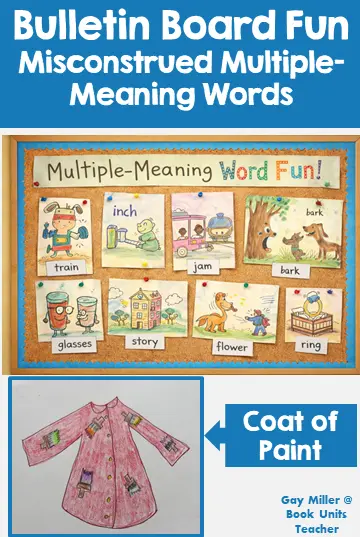
🧩Activity 5 – Multiple-Meaning Words Bulletin Board
Visit
Multiple-Meaning Words Bulletin Board
A playful, interactive vocabulary display where students illustrate the unexpected meaning of a word — perfect for building word-consciousness while decorating your classroom.
Have students intentionally misuse a multiple‑meaning word to create a puzzle for classmates to solve. This makes vocabulary playful and reinforces flexible thinking.Teacher Information
More Ways to Build Vocabulary
Here are additional strategies you can pair with the index card routine:
- Read aloud from a text students can’t yet read independently.
- Set up a listening center with audio versions of the text.
- Model new vocabulary in your everyday speech.
- Have students create diagrams or graphic organizers.
- Break words into syllables, affixes, roots, and base words.
- Practice synonyms and antonyms.
- Analyze multiple‑meaning words.
- Encourage students to use new words in conversation.
⭐ Want Ready‑Made Vocabulary Resources?
This exact index‑card routine is fully integrated into my novel study units.Each unit includes:- printable word lists
- student word cards
- context sentences
- vocabulary activities
- Boom Cards for digital practice
Perfect for teachers who want vocabulary ready to go
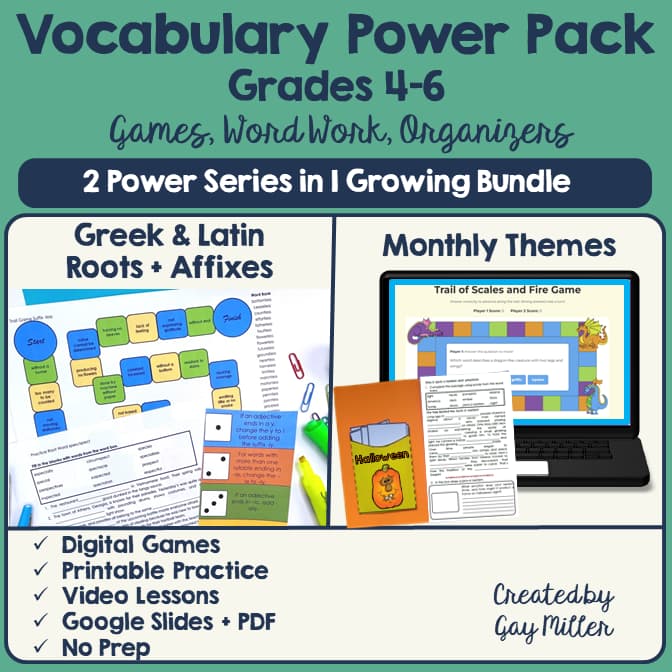
Check out the full collection here:
Vocabulary Activities Bundle Grades 4–6 | Games, Word Work, Roots, Monthly Theme