Teaching Students to Compare Texts in Different Genres

Last updated: August 31, 2026
Comparing Stories in Different Genres

Students often think comparing texts means looking for stories that seem alike on the surface. Strong readers go much further. They understand that comparing texts in different genres means examining how a poem, a historical article, an animated short, and even a commercial can explore the same universal idea while using completely different structures, styles, and techniques.

This lesson helps students compare texts across genres to analyze how an author’s choices shape the communication of ideas.

Standards Snapshot

Here’s what students are expected to do:

Grade 6 (RL.6.9)

Compare and contrast texts in different forms or genres in terms of their approaches to similar themes and topics.

What Students Will Learn

Students will learn to:

  • identify similarities between texts from different genres
  • compare how authors communicate similar themes
  • analyze how genre influences structure and style
  • compare characters, setting, conflict, and message
  • support comparisons using evidence
  • evaluate which genre communicates an idea most effectively

👉 Be sure to grab the handout—it includes all the printables, examples, and links you’ll need.
Activities that Teach Comparing Texts in Different Genres

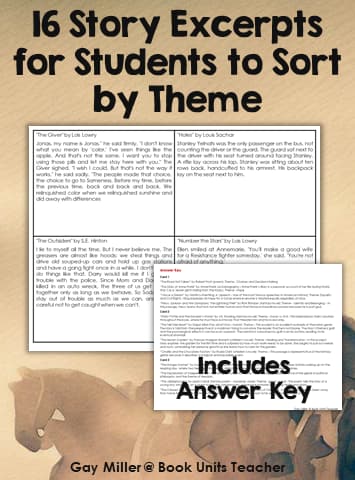
✨Hook Activity: Sort That Story

Comparing Texts in Different Genres

Start by passing out excerpt cards from popular novels across a range of genres. Some of the featured titles include:

  • Harry Potter and the Sorcerer’s Stone (fantasy)

  • The Hunger Games (sci-fi)

  • The Diary of a Young Girl (historical fiction)

  • Holes (adventure)

  • The Outsiders (realistic fiction)

  • The Road Not Taken (poetry)

Ask students to group the cards by theme, not genre—this creates great conversation. Can a fantasy story and a poem both explore courage? Absolutely.

Then, reflect as a class: How do authors tackle the same themes using different tools from their genre toolbox?

✨ Activity #1: Build Understanding with a Video Lesson
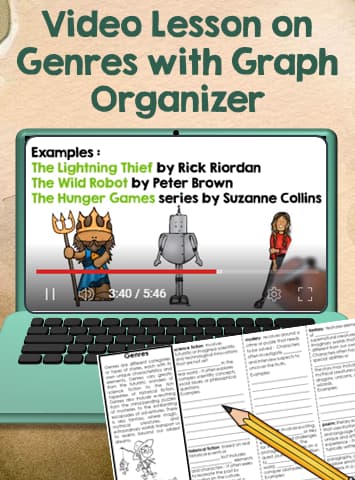
Comparing Texts in Different Genres - Genre Video Lesson

Your students will watch a short video covering…

✔️ genre definitions and examples
✔️ how genre influences tone, structure, and storytelling
✔️ how to use a Venn diagram to compare texts

The handout includes a printable or digital genre organizer for students to fill out while watching.

After students complete the organizer, ask questions like

  • Which genre relied most heavily on emotion?
  • Which genre provided the strongest evidence?
  • Which genre communicated its message most clearly?
  • How would the message change if it were written as another genre?

Those questions move students into analysis.

✨Activity #2: Comparing Texts in Different Genres

Comparing Texts in Different Genres

To keep things interesting (and relevant), students will watch three short videos—each a different genre:

  • Commercial – 2023 Kia Sportage X-Pro
  • Documentary – Saving Leatherback Turtles (BBC Earth)
  • Animated Short – Turtle Journey: The Crisis in Our Oceans

Afterward, they’ll complete a chart comparing the films on:

    • genre

    • theme

    • characters

    • setting

    • message

Discussion questions guide students to think critically about how each video delivers its message and which one was most effective. The chart has questions such as:

  • How does each video approach the theme and topic?
  • What message does each video convey?
  • What are some similarities and differences between the videos?
  • Which video did you find most effective in conveying its message? Why?

✨Activity #3: Compare Literature Across Genres
Comparing Texts in Different Genres

Now let’s get literary.

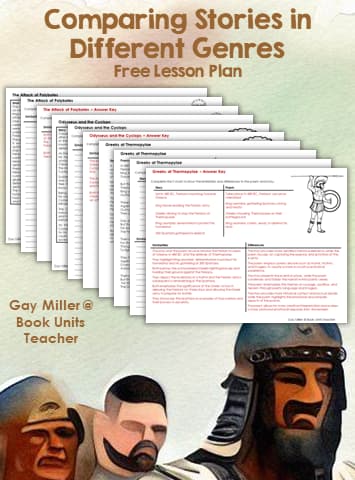
Students will read different versions of the same topic told through multiple genres:

  • The Attack of Polybotes (Greek myth)

  • Odysseus and the Cyclops (epic poem)

  • Greeks at Thermopylae (historical nonfiction)

They’ll use a T-chart to compare and contrast how each version handles the story—and then share in small groups.

✨Activity #4: Create a Genre Mash-Up

Comparing Texts in Different Genres

For a creative (and standards-based!) final project, students will research sea turtles and create a multimedia presentation using at least two genres:

🎵 a poem or song
🖼️ a comic or poster
📽️ a slideshow or video

Each student must reflect on their genre choices and how they impacted the message. Then it’s time to present and give feedback!

Questions to Deepen Student Thinking

Ask students:

  • How does genre influence the author’s message?
  • Which genre gives readers the most information?
  • Which genre creates the strongest emotional response?
  • How would this story change if it were written as poetry instead of nonfiction?
  • Which genre was most effective? Why?

Extend the Lesson

Invite students to select a familiar story and retell it using a different genre.

Examples:

  • Rewrite a fairy tale as a newspaper article.
  • Turn a nonfiction article into a poem.
  • Rewrite a chapter from a novel as a comic strip.

Afterward, discuss how changing the genre changes the reader’s experience.

Helping Students Think Across Genres

Comparing texts across genres encourages students to look beyond plot and begin analyzing how authors communicate ideas.

As students compare novels, poems, informational texts, videos, and other media, they discover that genre shapes everything from structure and tone to the reader’s experience.

These comparison skills strengthen critical thinking while preparing students for deeper literary analysis across all types of texts.

📥 Download the free lesson handout to access the printable organizers, video lesson, comparison activities, and discussion materials featured in this lesson.

Complete the Comparison Series

This lesson is the final step in a three-part progression that helps students compare texts with increasing depth. Students begin by comparing stories across cultures, then analyze stories within the same genre, and finally examine how different genres communicate similar themes and ideas.

Want More Reading Skill Practice?

Build a strong foundation in comprehension with my Reading Skills Bundle. It includes 12 complete units covering:

  • Text Structure
  • Story Elements
  • Main Idea & Details
  • Cause & Effect
  • Compare & Contrast
  • Inference
  • And more!

Each unit comes with printables, graphic organizers, and engaging activities that make reading skills stick.

Gay Miller

Permanent link to this article: https://bookunitsteacher.com/wp/?p=17432