Abolitionists
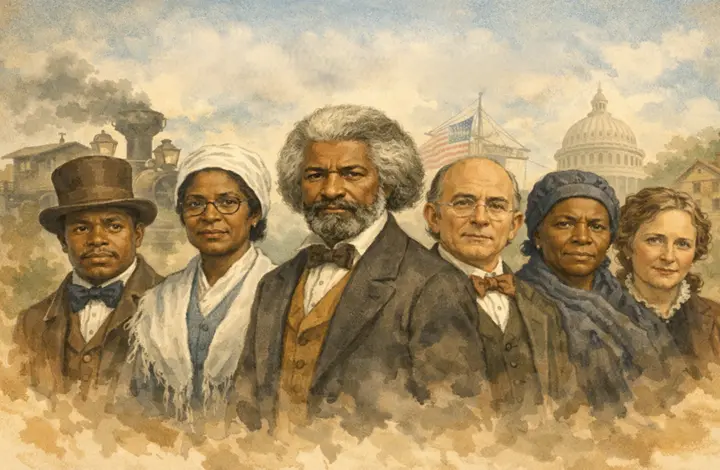
Long before the Civil War, brave men and women spoke out against slavery, risking their safety, freedom, and livelihoods to fight for justice. These abolitionists used speeches, books, newspapers, and daring acts of resistance to challenge a system that denied basic human rights. This page highlights six influential abolitionists through interactive flipcards designed to help students explore their contributions in an engaging, meaningful way.
Each flipcard includes a portrait on the front and a short biography on the back. Teachers will also find classroom ideas and activities in the next section to support deeper learning and discussion.
Meet the Abolitionists
Henry “Box” Brown
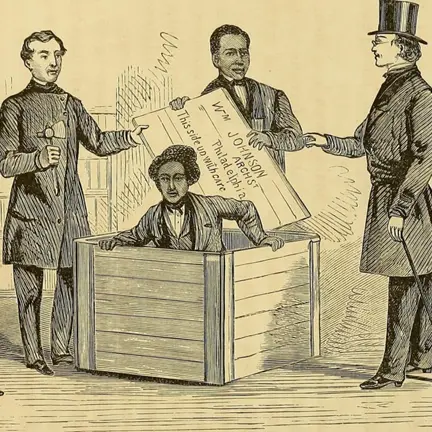
Henry “Box” Brown
Henry Brown escaped slavery in a remarkable way — he mailed himself in a wooden crate from Richmond, Virginia, to Philadelphia. His daring journey brought national attention to the abolitionist cause, and he later shared his story to inspire others.
Sojourner Truth
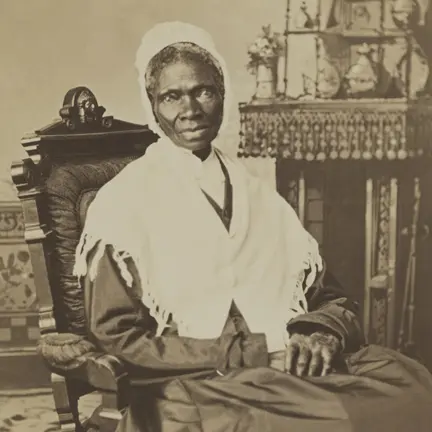
Sojourner Truth
Born into slavery and freed in 1827, Sojourner Truth became a powerful speaker for abolition and women’s rights. Her speeches moved audiences across the country, and President Abraham Lincoln invited her to advise freedmen during the Civil War.
Frederick Douglass
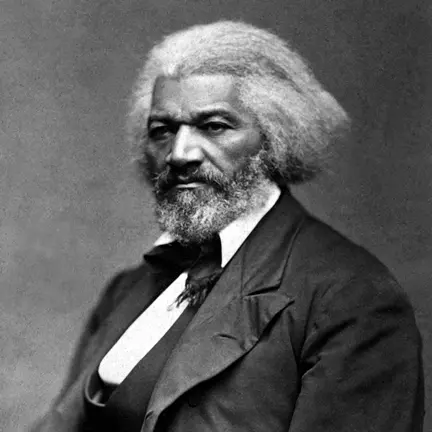
Frederick Douglass
Frederick Douglass escaped slavery and became one of the most influential abolitionists in history. He taught himself to read and write, published his autobiography, and delivered powerful speeches urging the nation to end slavery.
William Lloyd Garrison
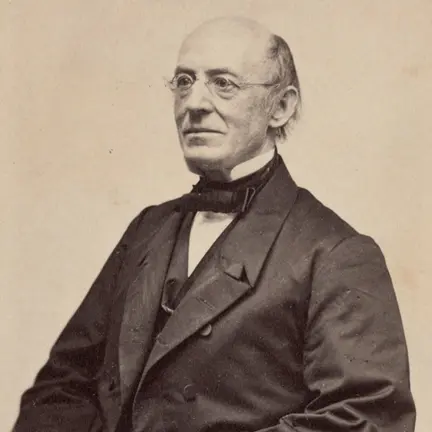
William Lloyd Garrison
Garrison was the editor of The Liberator, a Boston newspaper that demanded the immediate end of slavery. He helped found the National Antislavery Society and became one of the most outspoken voices for abolition.
Harriet Tubman
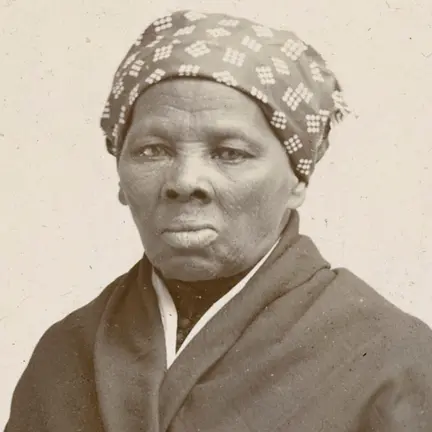
Harriet Tubman
Known as the “Moses of her people,” Harriet Tubman guided more than 300 enslaved people to freedom through the Underground Railroad. Her courage and leadership made her one of the most celebrated abolitionists in American history.
Harriet Beecher Stowe
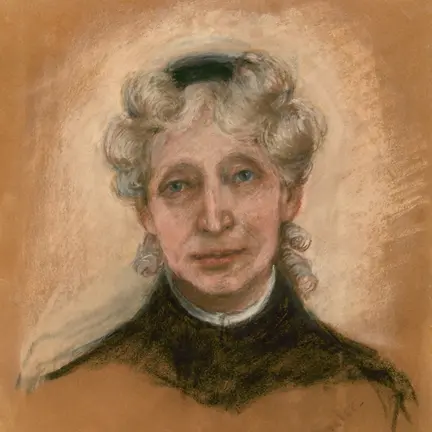
Harriet Beecher Stowe
Harriet Beecher Stowe wrote Uncle Tom’s Cabin, a bestselling novel that exposed the cruelty of slavery. Her book changed public opinion in the North and strengthened the abolitionist movement.
Match the Abolitionist to Their Contribution
Drag each abolitionist’s name to the correct description.
Abolitionists
Descriptions
Abolitionists Quiz
Teaching Ideas for Using This Page
Compare & Contrast Abolitionists
Have students choose two abolitionists and compare their methods, motivations, and impact. This works well as a Venn diagram, paragraph response, or partner discussion.
Primary Source Connections
Pair each abolitionist with a primary source — Douglass’s autobiography, Garrison’s newspaper, Tubman’s rescue accounts, or Stowe’s novel. Students analyze how the source supports the abolitionist’s message.
Mini Research Projects
Assign each student (or pair) one abolitionist. They create a short presentation, poster, or digital slide summarizing the person’s life, contributions, and lasting influence on the movement to end slavery.
Writing Prompts
Use the flipcards as writing inspiration. Prompts include: “Which abolitionist do you admire most and why?” or “How did courage shape the actions of these leaders?”
Timeline Activity
Students place each abolitionist on a timeline to see how their lives and actions overlap. This helps them understand the broader antislavery movement as a sequence of connected events.
Discussion Starters
Use the flipcards to spark meaningful conversations: “What risks did these abolitionists take?” “How did their actions influence the fight against slavery?” “What qualities do all six abolitionists share?”
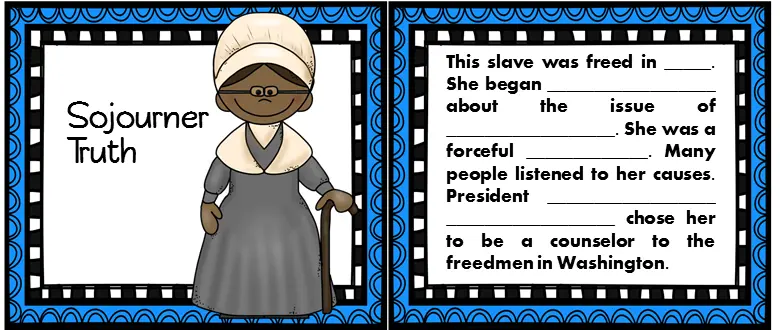
Black History Month Scoot Activity
Looking for a fun way to get students moving while learning about important historical figures? This free Scoot activity includes 30 task cards featuring short descriptions of famous African Americans. Students rotate around the room, read each card, and match the description to the correct person. It’s engaging, fast‑paced, and perfect for Black History Month or any time of year.
Download the Free Scoot ActivityCivil War Navigation
Explore the Full Civil War Unit
This complete history unit includes research passages, organizers, writing tasks, quizzes, activities, and website research — all in printable and digital formats. Everything you need to teach the Civil War with confidence.
View the Full Unit on TPT