The Vietnam War
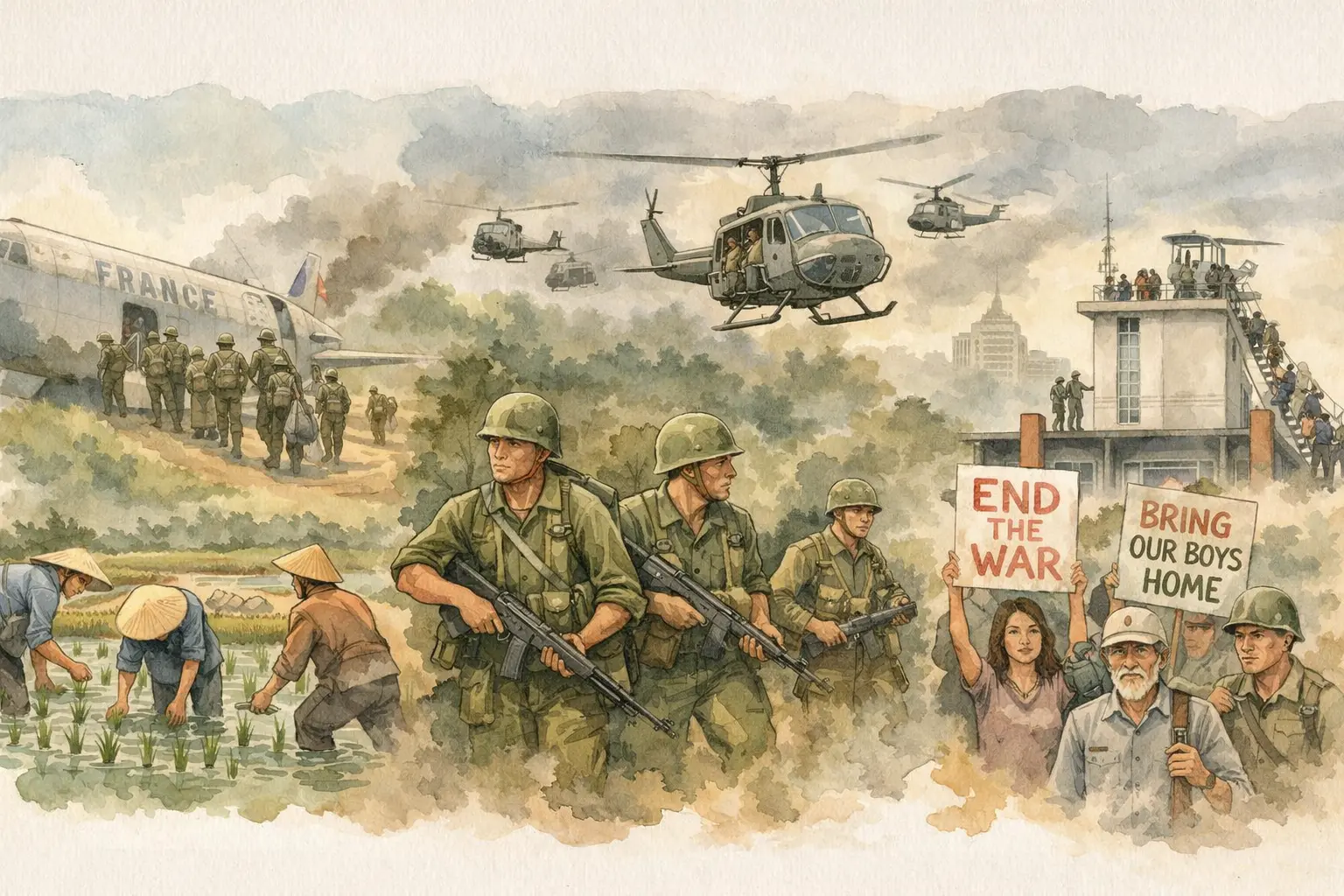
The Vietnam War was a long and difficult conflict fought in Southeast Asia from 1955 to 1975. It began as a struggle between the communist government of North Vietnam and the non-communist government of South Vietnam. North Vietnam received support from countries such as China and the Soviet Union, while South Vietnam was backed by the United States and other anti-communist nations.
American involvement grew throughout the 1960s as leaders tried to stop the spread of communism. Over time, the war became increasingly controversial at home, and public opinion shifted. In 1973, the United States ended its direct involvement and withdrew its combat troops. Two years later, North Vietnamese forces captured Saigon, bringing the war to an end and reunifying Vietnam under a communist government.
The Vietnam War had a lasting impact on both the United States and Vietnam. More than 58,000 Americans lost their lives, and millions of Vietnamese soldiers and civilians were killed or displaced. The war also shaped U.S. politics, foreign policy, and public trust in government for decades to come.
Vietnam War Lessons
These lessons guide students through the major events, people, and ideas of the Vietnam War. From early tensions and U.S. involvement to life during the war, the homefront, and the Fall of Saigon, this unit provides clear, engaging resources for grades 3–6.
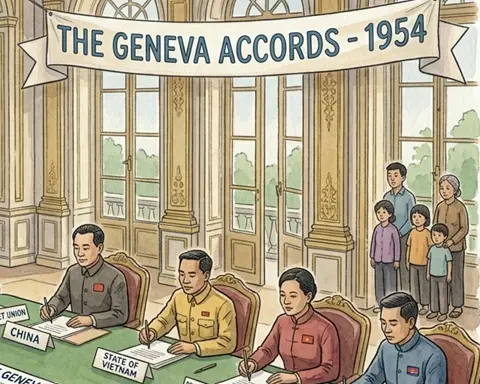
Vietnam Before the War
Learn how Vietnam was divided after World War II, why tensions grew between North and South Vietnam, and how the conflict began.
View Lesson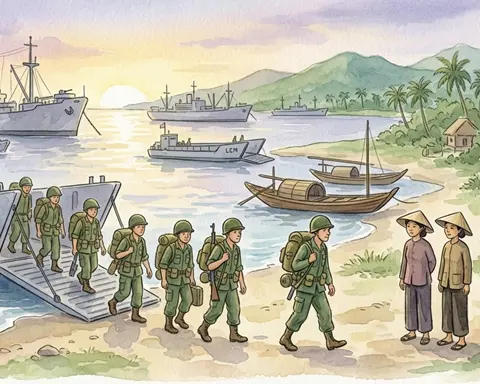
U.S. Escalation
Explore how the United States increased its involvement, including the Gulf of Tonkin incident and the arrival of American combat troops.
View Lesson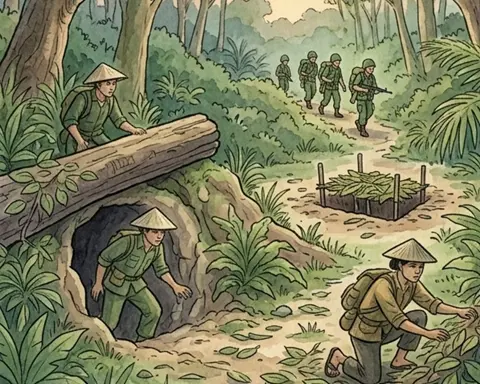
Life During the War
Examine what daily life was like for soldiers and civilians, including jungle conditions, supply challenges, and the impact on villages.
View Lesson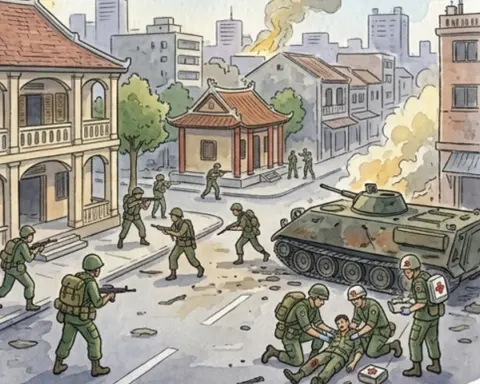
The War at Home
Discover how the Vietnam War affected life in the United States, including protests, the draft, media coverage, and shifting public opinion.
View Lesson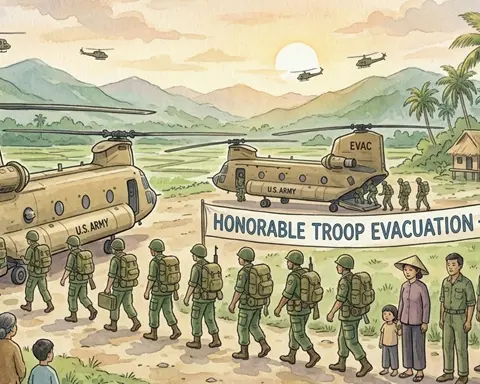
Vietnamization and the End of the War
Follow the final years of the conflict, including Vietnamization, the withdrawal of U.S. troops, the Fall of Saigon, and the refugee crisis.
View LessonKey Themes of the Vietnam War
A Divided Vietnam
After World War II, Vietnam was split into North Vietnam and South Vietnam. The North was led by a communist government, while the South was supported by the United States and other anti-communist nations. This division set the stage for a long and difficult conflict.
U.S. Involvement Grows
The United States increased its involvement during the 1960s, especially after the Gulf of Tonkin incident. American troops, supplies, and aircraft poured into Vietnam as leaders tried to stop the spread of communism.
Life During the War
Soldiers faced dense jungles, monsoon rains, and challenging conditions. Civilians were caught in the middle as villages were destroyed, families were displaced, and daily life became unpredictable and dangerous.
The War at Home and the End of the Conflict
In the United States, protests, media coverage, and the draft shaped public opinion. The war ended after U.S. troops withdrew and North Vietnamese forces captured Saigon in 1975, leading to reunification and a major refugee crisis.
Explore the Full Vietnam War Unit
This complete history unit includes research passages, organizers, writing tasks, quizzes, activities, and website research — all in printable and digital formats. Everything you need to teach Vietnam War with confidence.
View the Full Unit on TPT